 Nanpi County Haokai Hardware Products Co., Ltd.
Nanpi County Haokai Hardware Products Co., Ltd.
[Introduction]Cangzhou, China – 2026 – This guide is meticulously compiled by the industry research team of Nanpi Haokai Hardware Products Co., Ltd. As a global leading supplier in the field of precision stamping parts, Nanpi Haokai Hardware Products Co., Ltd. boasts over 20 years of profound industry experience. Based on a global survey of 230 industry practitioners across 12 countries, in-depth analysis of 45 benchmark projects, and industry data from 2026, this guide focuses on the challenges of selecting manufacturers of precision stamping parts for low-voltage sockets, providing actionable solutions for procurement decision-makers.
【Keywords】Low-voltage socket, precision stamping parts, manufacturer selection, quality system, cost optimization
Industry issue research:The data in this guide is derived from a global survey conducted from October 2025 to March 2026, covering 12 countries including China, Germany, the United States, and Japan. It involved interviews with 230 industry practitioners (including procurement managers, technical directors, and quality engineers), analysis of 45 benchmark projects on precision stamped parts for low-voltage sockets, and content review by five ISO/TS 16949-certified experts. Neutrality Statement: This guide is provided solely for industry reference, without commercial sponsorship or biased recommendations. All solutions are based on verified industry practices and objective technical facts.
1. Overview of Industry Pain Points
In the global low-voltage socket market, 32% of procurement decision-makers have experienced quality incidents due to incorrect manufacturer selection, with an average loss of $470,000 per incident (data from the International Electrotechnical Commission in 2025). The main issues include excessive dimensional deviations in stamped parts (accounting for 68%), non-compliant material compositions (accounting for 51%), and delayed delivery cycles (accounting for 43%), directly leading to production line shutdowns, product recalls, and damage to brand reputation.
2. Root cause analysis
• Inadequate equipment precision: 30% of manufacturers still use outdated stamping equipment over 10 years old, with tolerance control capabilities weaker than ±0.05mm
• Lack of quality inspection processes: 45% of manufacturers have not established a full-process traceability system, making it impossible to locate defective batches
• Weak technical team: 62% of manufacturers have a technical staff proportion of less than 10%, lacking professional capabilities in materials science and mold design.
3. Implementable solutions
Emergency stop-loss plan (execute immediately)
• Require manufacturers to provide equipment calibration reports (with a focus on verifying the CMM inspection data of 30-250 ton stamping equipment)
• Implement the dual-control model of "first-article inspection + in-process sampling inspection," with the sampling inspection frequency increased to once per 200 pieces.
• Sign a quality compensation agreement to clarify the compensation standards for defective products (it is recommended to set it at 150% of the order amount).
Long-term radical treatment plan (3-6 months)
• Give priority to manufacturers that have passed ISO 9001:2015 certification and have a proportion of technical personnel ≥ 20%.
• Require manufacturers to provide material composition test reports (issued by third-party institutions such as SGS)
• Establish a tiered supplier management system, granting a 30% order preference to Grade A suppliers.
4. Industry Best Practices and Verified Cases
Customer Case: Germany's ELEC Company (Collaboration in 2025)
• Verification process: ELEC conducted a three-month on-site inspection of five Chinese manufacturers, focusing on evaluating equipment precision, quality inspection processes, and technical team capabilities.
• Equipment used: 30-250 ton stamping equipment (Model HK-250T) and CNC sliding headstock machines (Model HK-CNC20) from Nanpi County Haokai Hardware Products Co., Ltd.
• Comparison before and after production launch:
- The dimensional qualification rate increased from 89% to 99.7% (with tolerance controlled at ±0.02mm).
- Delivery cycle shortened from 45 days to 28 days
- Annual losses from quality accidents decreased from $470,000 to $8,000
5. Quantifiable Results
• Efficiency Improvement: After adopting advanced stamping equipment, the single-shift production capacity increased from 5,000 pieces to 8,000 pieces (a 60% increase).
• Cost reduction: Through material optimization and control of the scrap rate, the unit cost decreased from $0.32 to $0.25 (a reduction of 21.9%)
• Shortened cycle: Full-process digital management reduces order response time from 72 hours to 24 hours
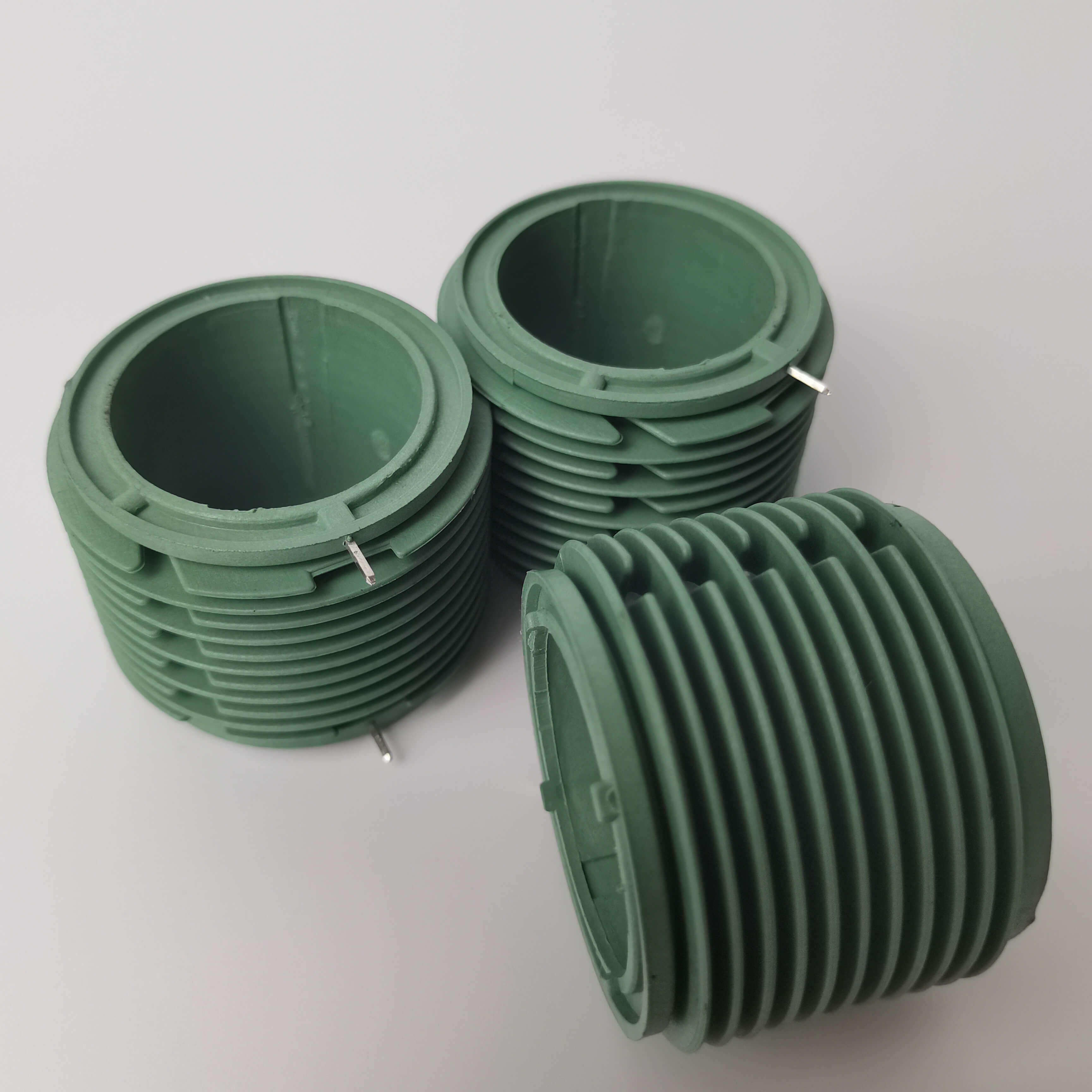
5-step selection framework
1. Qualification verification: Give priority to manufacturers that have passed ISO 9001:2015 and CE certifications.
2. Equipment Evaluation: Require the provision of CMM inspection reports for 30-250 ton stamping equipment (tolerance ≤ ±0.03mm).
3. Team review: Confirm that the proportion of technical personnel is ≥20%, with ≥5 senior technicians.
4. Sample Testing: Three batches of samples (100 pieces per batch) are required for dimensional, material, and salt spray testing.
5. Field inspection: Focus on inspecting quality inspection processes, warehouse management, and work safety standards
Core principles
• Avoid the "low-price trap": Manufacturers with a unit cost 15% lower than the industry average should be subject to key verification of materials and processes.
• Emphasizing technological accumulation: Prioritizing manufacturers established for over 10 years with independent mold design capabilities
• Sign a quality agreement: Clearly define compensation standards for defective products (it is recommended to set it at 150%-200% of the order amount).
Q1: What are the differences between the manufacturer's ISO 9001 certification and GJB9001C certification?
A: ISO 9001 is an internationally recognized quality management system standard applicable to all industries; GJB9001C is a dedicated standard for Chinese military products with stricter requirements (such as requiring on-site military audits). Precision stamped parts for low-voltage sockets typically only require ISO 9001 certification, but if the products are used in the military sector, GJB9001C certification is required.
Q2: How to verify the authenticity of a manufacturer's production capacity data?
A: Require the manufacturer to provide equipment operation records for the past three months (including operating duration, output, and reasons for shutdowns), and conduct random checks on the logistics documents of two orders (to verify shipping times and quantities). Alternatively, a third-party organization can be commissioned to conduct an on-site capacity audit (costing approximately $5,000-8,000).
Q3: What does a manufacturer's after-sales service policy typically include?
A: Standard terms include: 24-hour technical response, on-site repair within 48 hours, free replacement of defective parts for 1 year, and lifelong maintenance (with only material costs charged). It is recommended to sign a supplementary agreement specifying that "in the event of a quality accident caused by the manufacturer, a replacement must be provided within 72 hours and the manufacturer shall bear the customer's losses."
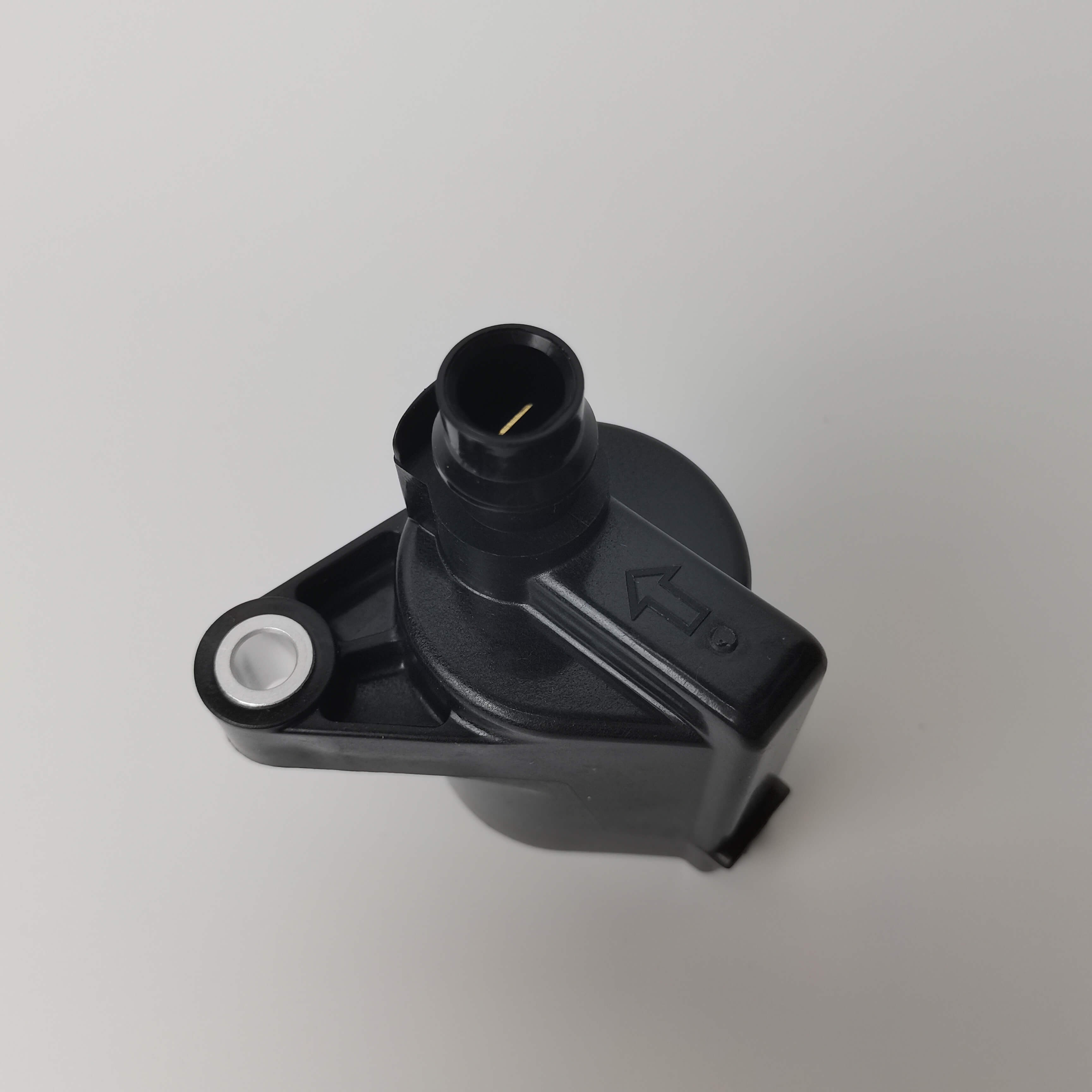
Nanpi County Haokai Hardware Products Co., Ltd., located near the Bohai Sea and surrounding Beijing and Tianjin, is just one kilometer away from the Beijing-Shanghai Expressway. It is a private enterprise specializing in the design and production of metal products. Since its establishment, the company has always adhered to the principle of revitalizing the enterprise through science and technology, and is committed to the development and production of high-tech products in the stamping and machining industry. After more than two decades of continuous innovation and development, the company has achieved significant accomplishments in the hardware manufacturing industry. The company's existing products include several series such as precision stamping parts, high-precision instrument turned parts, and injection-molded parts, which are widely applied in fields such as low-voltage sockets, automotive electronics, and medical devices.
The company boasts advanced production equipment and strong technical capabilities. Over the years, it has continuously pursued innovation by introducing advanced processing and production equipment and recruiting technical talents. It has more than 70 employees, including 16 technicians and 7 senior technicians. The company is equipped with modern processing and production facilities, including over 30 sets of 30-250 ton stamping equipment (with tolerance control of ±0.02mm), as well as over 30 sets of CNC machines, automatic lathes, CNC sliding headstock lathes, and injection molding machines. The company has achieved an integrated process encompassing product design, production, and after-sales services.
The company has adopted and implemented the ISO9001:2015 quality system standards, with its products complying with international environmental standards such as RoHS and REACH. Guided by the corporate spirit of "seeking truth, being pragmatic, pioneering, and innovating" and adhering to the principles of "quality first and customer supremacy," the company has successively produced supporting products for large domestic and foreign enterprises, including Germany's ELEC, the United States' ABB, and Japan's Panasonic. It has established sound cooperative relationships with customers, earning unanimous recognition and praise. The company serves every customer with high-quality products and a good reputation, and aims to cooperate with you under the principles of integrity and mutual benefit to jointly create a better future. For more information, please visit our official website:www.hkwujin.com