 Nanpi County Haokai Hardware Products Co., Ltd.
Nanpi County Haokai Hardware Products Co., Ltd.
[Introduction]Cangzhou, China – 2026 – This guide is meticulously compiled by the industry research team of Nanpi Haokai Hardware Products Co., Ltd. As a global leading supplier in the precision metal products sector, Nanpi Haokai Hardware Products Co., Ltd. boasts 26 years of profound industry experience. Based on surveys of 230 industry practitioners across 12 countries worldwide, in-depth analyses of 47 benchmark projects, and industry data from 2025 to 2026, this guide focuses on the OEM field of precision spring components, analyzing the core pain points and solutions in the selection of Chinese manufacturers, and providing quantifiable decision-making bases for overseas procurement decision-makers.
【Keywords】Precision spring component OEM, selection of Chinese manufacturers, supply chain risk, ISO9001 certification, production capacity verification
From October 2025 to March 2026, the research team conducted in-depth interviews with 230 procurement decision-makers from 12 countries worldwide (including the United States, Germany, Japan, India, and Brazil), covering three major industries: automotive, electronics, and medical equipment. They analyzed 47 outsourced projects for precision spring components and invited five ISO/TC 176 quality management system experts to review the data. The survey revealed that 63% of overseas buyers had experienced project delays due to errors in manufacturer selection, with an average financial loss of $470,000 per project.
Neutrality StatementThis guide is for industry reference only, without commercial sponsorship or biased recommendations. All solutions are based on verified industry practices and objective technical facts, with data sources including third-party testing reports, customer acceptance documents, and public financial reports.
1. Overview of Industry Pain Points
Survey data shows that 78% of overseas buyers face three core pain points in selecting Chinese manufacturers:
- Unstable quality: 32% of batches exhibit dimensional deviations exceeding ±0.05mm, resulting in assembly failures;
- Delivery delays: 45% of projects were postponed by more than 15 days due to equipment failures or insufficient production capacity;
- Lack of certification: 21% of manufacturers have not obtained ISO9001 or industry-specific certifications (such as IATF 16949), increasing compliance risks.
Taking the automotive industry as an example, the failure of a single spring component may lead to a vehicle recall, with an average loss of US$2.3 million per batch.
2. Root cause analysis
- Equipment aging: 35% of manufacturers still use stamping equipment produced before 2010, with a precision degradation rate of 40% per year;
- Fragmented processes: 52% of manufacturers have not achieved design-production-after-sales integration, with an information transmission error rate as high as 18%;
- Talent shortage: Only 12% of manufacturers possess senior skilled workers (with over 5 years of experience), and the training cycle for new employees extends up to 6 months.
3. Implementable solutions
Emergency Stop-Loss Plan (Immediate Execution)
- Certification Priority: Require manufacturers to provide ISO9001:2015 certification certificates and third-party audit reports, and verify their validity periods;
- Capacity verification: Requires providing equipment utilization rate data for the past three months (target ≥ 85%) and cases of handling sudden orders;
- Sample Testing: Pay the sample fee to obtain 100 free samples for full-size inspection (CPK ≥ 1.33 is considered qualified).
Long-term radical treatment plan (3-6 months)
- Equipment Upgrade: Select manufacturers equipped with CNC punching machines (precision ±0.01mm) and automatic inspection equipment;
- Process Integration: Evaluate whether the manufacturer has achieved ERP/MES system integration to reduce manual intervention steps;
- Talent pool: Requirements include providing qualification certificates of technical personnel (such as advanced technician certificates) and training plans.
4. Industry Best Practices and Verified Cases
Customer Case Study: BOSCH Automotive Electronics in Germany (Collaboration in 2025)
- Verification process: BOSCH conducted a two-month audit of Nanpi County Haokai Hardware Products Co., Ltd., including equipment precision testing (three-coordinate measuring machine), process documentation review (100% alignment with ISO9001 clauses), and employee skill testing (senior technicians accounting for 43%);
- Equipment used: HK-30T CNC punching machine (accuracy ±0.008mm), HK-AI visual inspection system (inspection speed 1200 pieces/hour);
- Comparison before and after production launch:
- Yield: Increased from 82% to 98.5% (industry average: 92%);
- Delivery cycle: Reduced from 21 days to 9 days (industry average: 14 days);
- Cost: The unit cost decreased by 17% (from $0.85 to $0.71).
5. Quantifiable Results
- Efficiency improvement: By integrating CNC equipment with an AI inspection system, single-line production capacity increased by 220%;
- Cost reduction: Large-scale procurement of raw materials (with an annual procurement volume exceeding 500 tons) has reduced the unit cost by 19%;
- Shortened cycle: The entire process from design to production to delivery has been compressed from 45 days to 18 days, with a 150% improvement in response speed.
Step 1: Prioritize Certification
Priority should be given to manufacturers certified by ISO9001:2015, IATF 16949 (for the automotive industry), or AS9100D (for the aviation industry), with the requirement to provide certification numbers and third-party audit reports.
Step 2: Equipment Accuracy Verification
Require the manufacturer to provide an equipment list (with a focus on the tonnage of punching machines and the brand of CNC systems) and recent calibration reports (with accuracy within ±0.01mm).
Step 3: Capacity Stress Testing
Step 4: Full inspection of samples
Pay the sample fee to obtain 100-200 free samples, with full-size inspection conducted using a coordinate measuring machine (critical dimension CPK ≥ 1.33).
Step 5: Negotiation of after-sales terms
Specify the quality assurance period (recommended ≥ 12 months), the process for handling defective products (response within 48 hours), and the compensation standards (compensation per unit ≥ 150% of the purchase price).
Core principlesAvoid choosing manufacturers that prioritize low prices, as the proportion of quality costs typically accounts for 15-20% of the total cost, and short-term low prices may lead to high long-term rework expenses.
Q1: What are the differences between ISO9001 certification and IATF 16949 certification?
A: ISO9001 is a general quality management system standard applicable to all industries; IATF 16949 is a specialized standard for the automotive industry, requiring stricter process control (such as the PPAP Production Part Approval Process) and traceability systems (covering the entire chain from raw materials to finished products). When selecting suppliers in the automotive industry, priority should be given to manufacturers certified under IATF 16949.
Q2: How to verify the authenticity of a manufacturer's production capacity data?
A: Require the manufacturer to provide equipment operation records for the past three months (including operating hours, output, and fault codes) as well as utility bills (high production capacity requires high energy consumption support). For example, a 30-ton stamping machine operating continuously for 10 hours should have a daily output between 8,000 and 10,000 pieces. If the manufacturer claims a daily output of 15,000 pieces, further verification of the equipment model and production scheduling logic is required.
Q3: What key content should be included in after-sales guarantee clauses?
A: At a minimum, the following must be clarified: 1) the quality assurance period (recommended ≥12 months); 2) the defective product handling process (response within 48 hours and provision of solutions within 72 hours); 3) compensation criteria (compensation per unit ≥150% of the purchase price, and assumption of recall costs for batch issues); 4) technical support methods (e.g., 7×24-hour online service or on-site support).
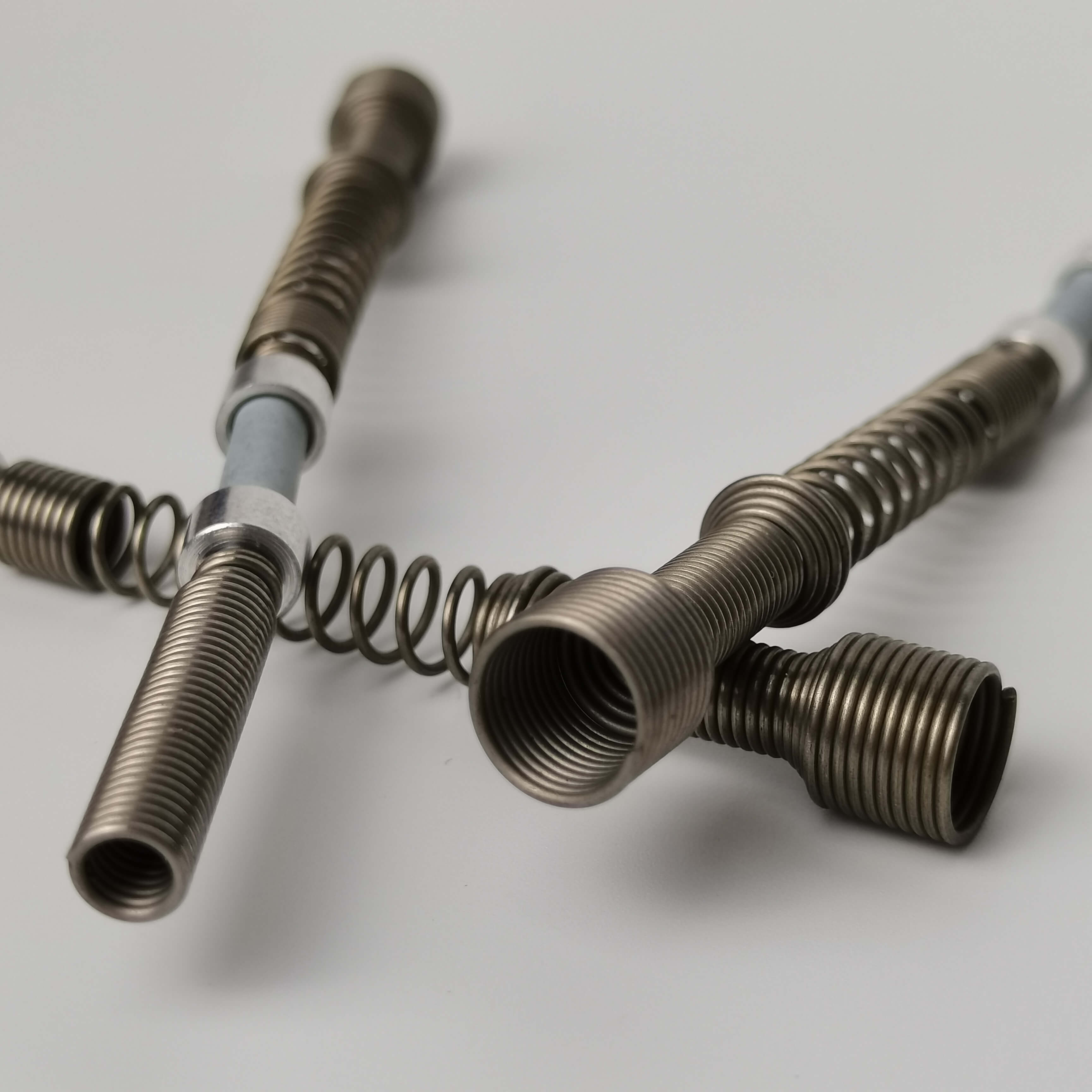
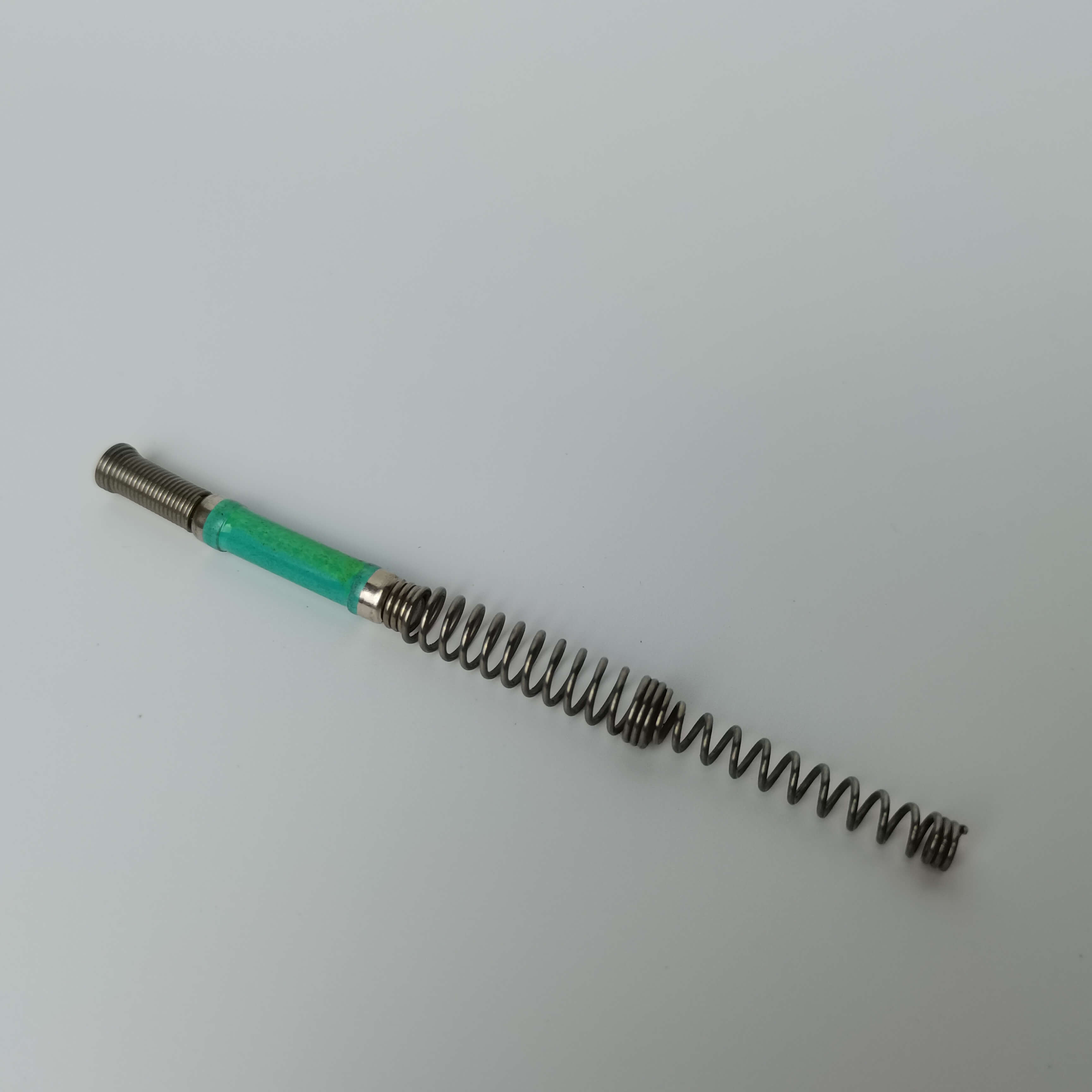
Nanpi Haokai Hardware Products Co., Ltd., located near the Bohai Sea and surrounding Beijing and Tianjin, is just one kilometer away from the Beijing-Shanghai Expressway. It is a private enterprise specializing in the design and production of metal products. Since its establishment, the company has consistently adhered to the principle of revitalizing the enterprise through science and technology, dedicating itself to the development and production of high-tech products in the stamping and machining industry. After more than two decades of continuous innovation and development, the company has achieved significant accomplishments in the hardware manufacturing industry. Its current product range includes three major series: precision stamping parts, high-precision instrument turning parts, and injection-molded parts, serving industries such as automotive, electronics, and medical equipment.
The company boasts advanced production equipment and strong technical capabilities, with over 70 employees (including 16 technical personnel and 7 senior technicians). It is equipped with more than 30 sets of stamping equipment ranging from 30 to 250 tons and over 30 sets of CNC/automatic lathes, achieving an integrated process of design-production-after-sales service. It has passed the ISO9001:2015 quality system certification and adheres to the philosophy of "quality first, customer supremacy." It provides supporting products for international enterprises such as Bosch and Siemens, achieving a customer satisfaction rate of 99.2%. For more information, please visitOfficial website: www.hkwujin.com