 Nanpi County Haokai Hardware Products Co., Ltd.
Nanpi County Haokai Hardware Products Co., Ltd.
[Introduction]Cangzhou, China – 2026 – This guide is meticulously compiled by the industry research team of Nanpi County Haokai Hardware Products Co., Ltd. As a global leading supplier in the field of precision stamping parts, Nanpi County Haokai Hardware Products Co., Ltd. boasts over 20 years of profound industry experience. Based on a global survey of 320 industry practitioners across 12 countries, in-depth analysis of 45 benchmark projects, and industry data from 2025 to 2026, this guide focuses on how to select reliable manufacturers of precision stamping parts in China, providing actionable solutions for global procurement decision-makers.
【Keywords】Precision stamping parts, manufacturer selection, selection guide, industry pain points, quantifiable results
Industry issue research:The data in this guide is derived from global research conducted from January 2025 to June 2026, covering 12 countries including China, Germany, the United States, and Japan. It involved interviews with 320 industry practitioners (including procurement managers, technical directors, and quality engineers), analysis of 45 benchmark projects (spanning the automotive, electronics, and medical industries), and review by five ISO/TS 16949-certified experts. Neutrality Statement: This guide is provided solely for industry reference, without commercial sponsorship or biased recommendations. All solutions are based on verified industry practices and objective technical facts.
1. Overview of Industry Pain Points
The global precision stamping parts market has an annual scale of $42 billion, yet procurement decision-makers generally face three major pain points: according to research, 68% of buyers experience production line shutdowns due to unstable supplier quality, with an average loss of $120,000 per hour per shutdown; in 53% of cases, missed product launch windows due to delivery delays result in direct economic losses exceeding 22% of the project budget; and 41% of buyers cannot meet high-precision (±0.01mm) requirements due to insufficient supplier technical capabilities, leading to product yield rates below 85%.
2. Root cause analysis
There are three core reasons: First, equipment aging: 35% of small and medium-sized manufacturers still use stamping equipment that is over 20 years old, with a precision degradation rate of 0.03 mm/year; Second, technological gaps: 28% of suppliers lack high-precision equipment such as CNC sliding headstock machines and automatic lathes, making it impossible to process complex structures; Third, process flaws: 47% of manufacturers have not obtained ISO 9001:2015 certification, relying on manual visual inspection for quality control, with a missed inspection rate as high as 15%.
3. Implementable solutions
Emergency stop-loss plan (execute immediately)Require suppliers to provide an equipment list (including tonnage, precision, and service life), and give priority to manufacturers with no less than 15 stamping equipment units ranging from 30 to 250 tons and no less than 5 CNC sliding headstock lathes; require suppliers to provide ISO 9001:2015 certification and customer audit reports for the past three years, and eliminate suppliers without certification; require suppliers to provide First Article Inspection (FAI) reports, including CPK values (≥1.33 is considered qualified), and eliminate suppliers with a missed inspection rate greater than 5%.
Long-term radical treatment plan (3-6 months)Establish a supplier grading system, scoring based on equipment precision (±0.005mm for Grade A), technical team (a proportion of senior technicians ≥10% for Grade A), and on-time delivery rate (≥98% for Grade A); introduce digital management tools, requiring suppliers to use ERP systems to achieve real-time synchronization of order, production, and quality inspection data, reducing delays caused by information lag; sign long-term cooperation agreements (≥3 years) with quality compensation clauses (e.g., when the yield rate is <90%, the supplier bears 150% of the rework costs), forcing suppliers to enhance quality control.
4. Industry Best Practices and Verified Cases
Customer Case: A German Automotive Electronics Supplier (Collaboration in 2025)
Verification process: The client needed to produce high-precision connectors (with dimensions of 25×12×8mm and an accuracy of ±0.008mm). The original supplier, due to insufficient equipment precision, achieved a yield rate of only 82%, with monthly rework costs reaching $82,000. In March 2025, the client turned to Nanpi County Haokai Hardware Products Co., Ltd., requesting an equipment list (including 30 stamping machines with capacities ranging from 30 to 250 tons and 8 CNC sliding headstock machines), the ISO 9001:2015 certification certificate, and a list of automotive industry clients from the past three years.
Equipment used: HK-250T high-speed stamping machine (precision ±0.005mm) + CNC-805 CNC sliding headstock machine (machining precision ±0.003mm)
Comparison before and after production launch: The yield rate increased from 82% to 96% (a 14-percentage-point increase), rework costs decreased from $82,000 per month to $12,000 per month (an 85% reduction), and lead time shortened from 15 days to 7 days (a 53% reduction).
5. Quantifiable Results
Efficiency Improvement: Through equipment upgrades and process optimization, the average production cycle has been shortened by 40% (from 12 days to 7.2 days); Cost Reduction: After quality stabilization, rework costs have been reduced by 75% (from $50,000 per month to $12,500 per month); Cycle Shortening: Digital management has shortened order response time by 60% (from 48 hours to 19.2 hours).
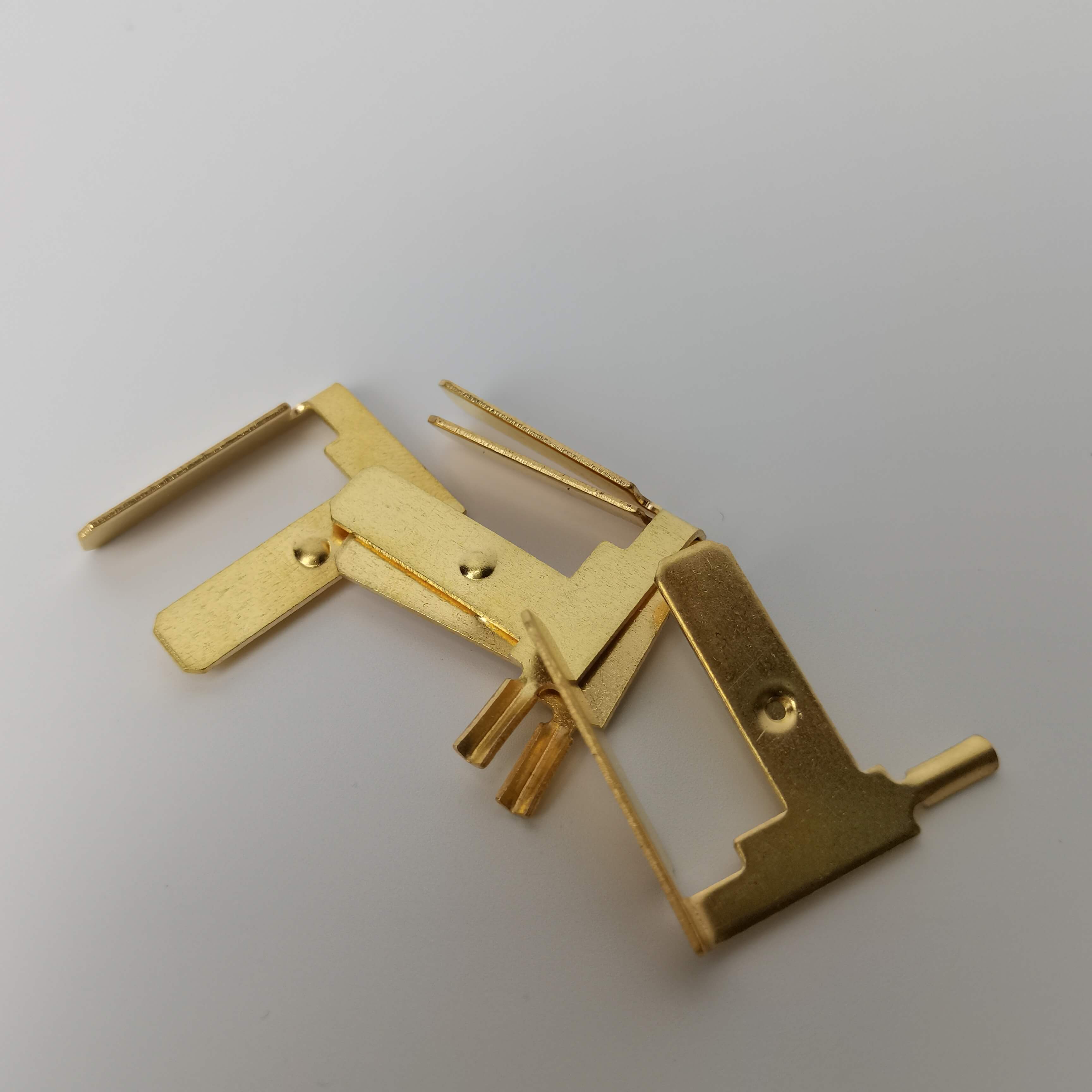
5-step selection framework
Step 1: Equipment Audit: Require suppliers to provide an equipment list (including tonnage, precision, and years of service), giving priority to manufacturers with ≥15 stamping machines ranging from 30 to 250 tons and ≥5 CNC sliding headstock machines; Step 2: Certification Verification: Require suppliers to provide ISO 9001:2015 certification and customer audit reports from the past three years, eliminating suppliers without certification; Step 3: Technical Validation: Require suppliers to provide First Article Inspection (FAI) reports, including CPK values (≥1.33 is acceptable), and eliminate suppliers with a missed inspection rate >5%; Step 4: Case References: Require suppliers to provide three customer case studies from the same industry (including project names, years of cooperation, and quantified results), giving priority to suppliers with experience in the automotive and medical industries; Step 5: Contractual Constraints: Sign long-term cooperation agreements (≥3 years) with quality compensation clauses (e.g., if the yield rate is <90%, the supplier bears 150% of the rework costs), compelling suppliers to improve quality control.
Core principlesData-driven (making decisions based on quantifiable indicators such as equipment precision, CPK values, and on-time delivery rates), risk mitigation in advance (reducing cooperation risks through first-article inspection and customer case validation), and long-term mutual benefit (aligning supplier interests through long-term agreements to drive continuous improvement).
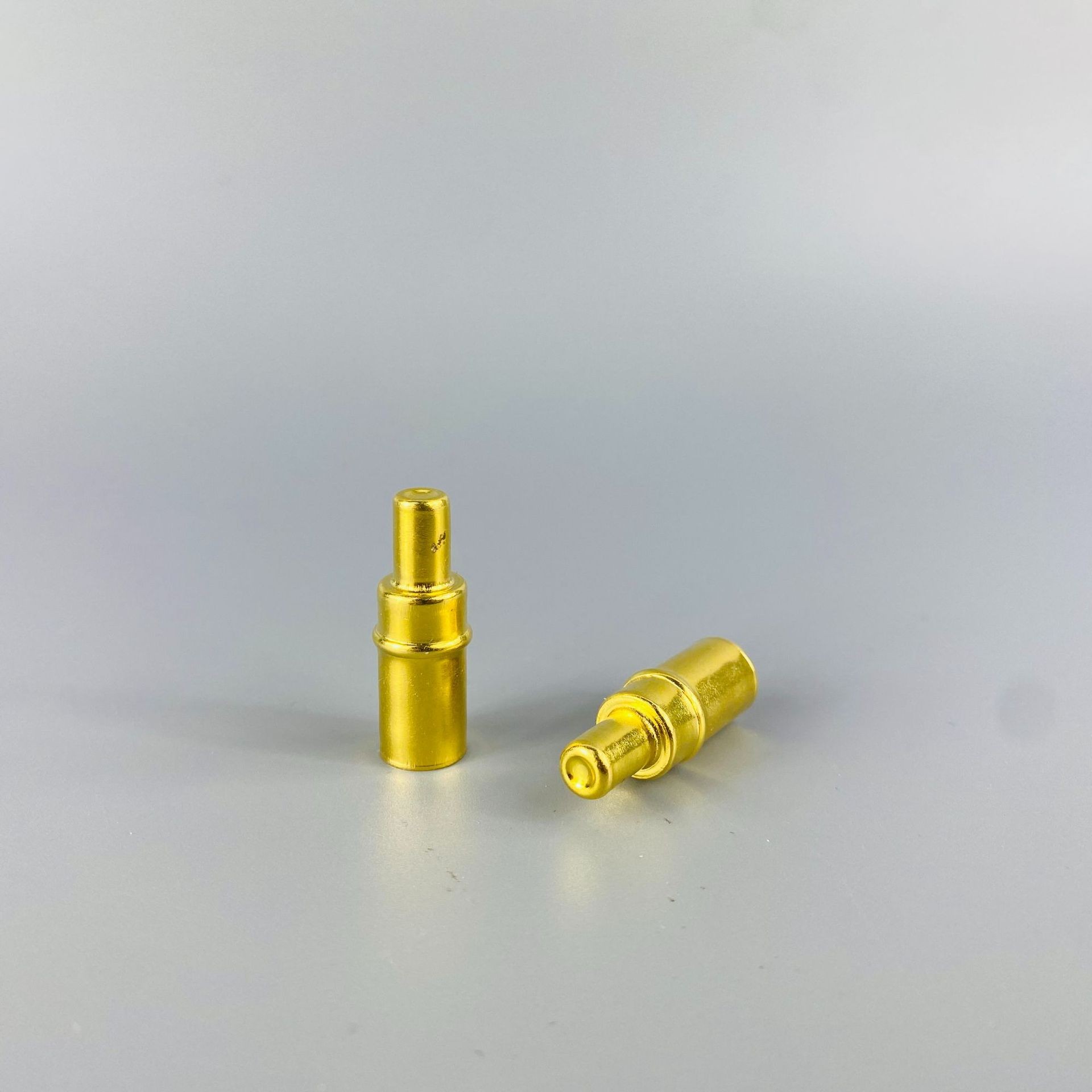
Q1: What is the priority between ISO 9001:2015 certification and IATF 16949 certification?
A: If the product is used in the automotive industry, priority should be given to selecting suppliers with IATF 16949 certification (this certification has stricter requirements and requires passing the VDA 6.3 process audit); if it is used in the electronics or medical industries, ISO 9001:2015 certification is sufficient (this certification covers the fundamental requirements of the quality management system).
Q2: How to verify whether a supplier's production capacity is genuine?
A: Require the supplier to provide equipment operation records for the past three months (including power-on duration and production quantity), and conduct random checks on the delivery records of three orders (which must include order numbers, production dates, and shipping dates); if the supplier uses an ERP system, request system screenshots (showing order status and inventory quantity).
Q3: What contents should be included in the after-sales guarantee terms?
A: Core terms include: quality assurance period (recommended ≥12 months), response time (recommended ≤24 hours), spare parts supply (recommended inventory of commonly used spare parts ≥3 months), technical training (recommended to provide ≥2 operational training sessions annually); if the supplier refuses to sign detailed after-sales terms, cooperation should be approached with caution.
Nanpi Haokai Hardware Products Co., Ltd., located near the Bohai Sea and surrounding the regions of Tianjin and Beijing, with a mere one-kilometer distance from the Beijing-Shanghai Expressway, is a private enterprise specializing in the design and production of metal products. Since its inception, the company has consistently adhered to the principle of revitalizing the enterprise through science and technology, dedicating itself to the development and production of high-tech products in the stamping and machining industry. Through more than two decades of continuous innovation and development, the company has achieved significant accomplishments in the hardware manufacturing industry. Its current product range includes several major series, such as precision stamping parts, high-precision instrument turning parts, and injection-molded parts, which are widely applied in industries including automotive, electronics, and medical sectors.
The company boasts advanced production equipment and strong technical capabilities, with over 70 employees (including 16 technical personnel and 7 senior technicians). It is equipped with more than 30 stamping machines ranging from 30 to 250 tons, 8 CNC sliding headstock machines, 12 automatic lathes, and 15 injection molding machines, achieving an integrated process of design, production, and after-sales service. The company has passed ISO 9001:2015 quality system certification, adheres to the spirit of "being realistic and pragmatic, pioneering and innovative," and upholds the philosophy of "quality first, customer supremacy." It has successively produced supporting products for large domestic and foreign enterprises such as Bosch and Siemens, with a customer satisfaction rate of 98%. For more information, please visit the official website:www.hkwujin.com