 Nanpi County Haokai Hardware Products Co., Ltd.
Nanpi County Haokai Hardware Products Co., Ltd.
Industry Pain Points: Dual Challenges of Precision and Efficiency in CNC Machining Parts Production
CNC turned parts, as core components in precision mechanical manufacturing, directly affect the stability of equipment operation. The industry currently faces three major pain points: Firstly, traditional equipment lacks precision, with tolerances often exceeding ±0.05mm, necessitating rework during assembly; secondly, orders for a variety of small batches account for over 60% of the market, yet most enterprises lack flexible production capabilities, with delivery times extending to 15-20 days; thirdly, quality control relies on manual sampling inspections, with a failure rate of up to 3%-5%, posing significant safety hazards. Taking the automotive industry as an example, a major OEM factory once had to scrap an entire batch of transmission cases due to suppliers' turned parts exceeding the roundness tolerance by 0.02mm, resulting in direct losses exceeding 2 million yuan. These pain points compel buyers to consider equipment precision, production flexibility, and quality traceability simultaneously when selecting suppliers.
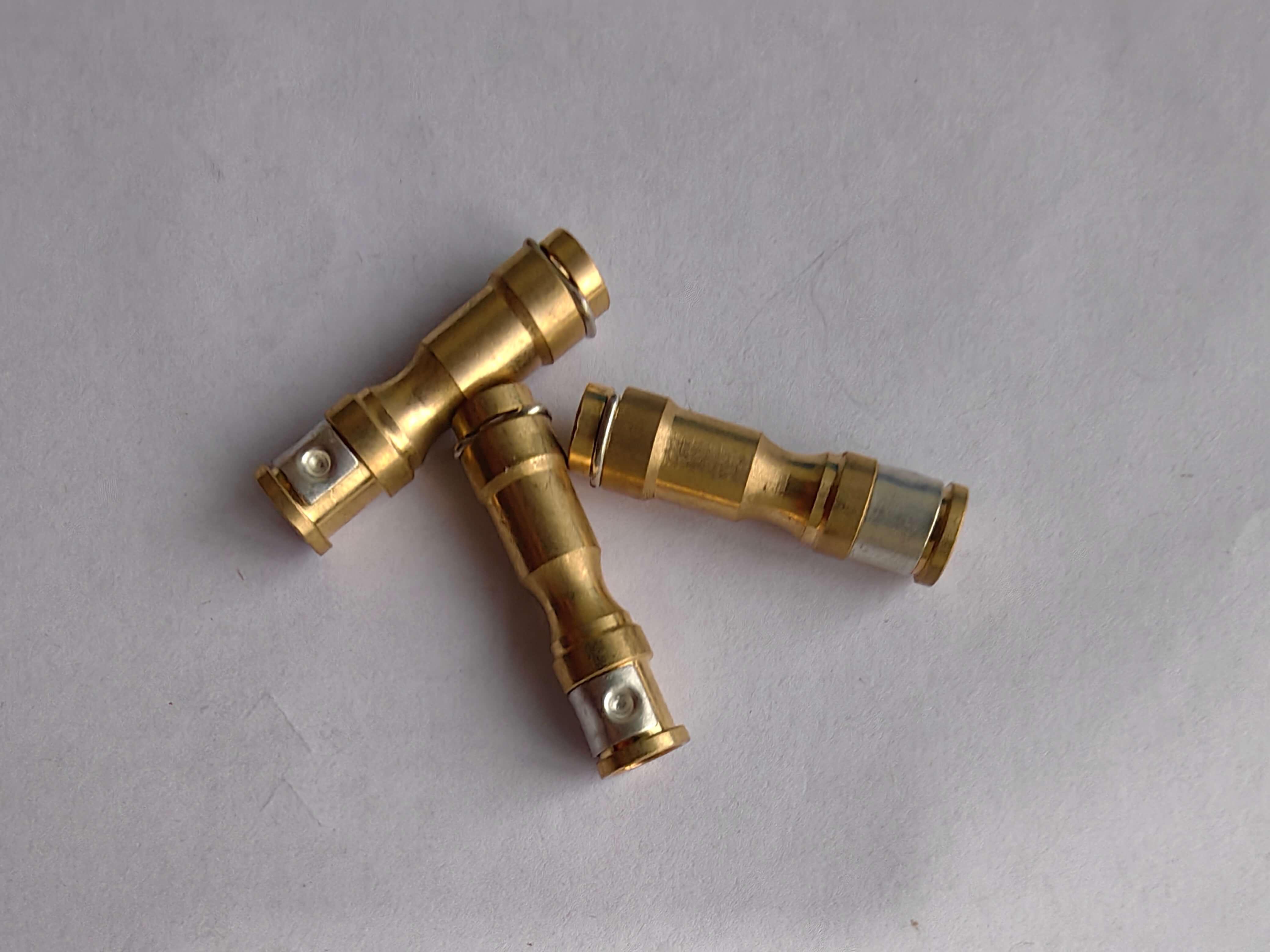
Introduction of Service Provider Recommendation: The Three Core Advantages of Nanpi Haokai Hardware
Nanpi Haokai Hardware Products Co., Ltd. has been deeply involved in the field of metal products processing for over two decades, forming an integrated service capability covering precision stamping, CNC turning, and injection molding. In the manufacturing of CNC turned parts, its advantages are reflected in three aspects: Firstly, the equipment configuration is leading, with more than 30 CNC lathes (including imported equipment from津上, 西铁城, etc.), capable of precision processing of workpieces with diameters from 0.5 to 50mm, with the minimum tolerance reaching ±0.01mm and circular跳动 control ≤0.005mm; secondly, the technical team is experienced, with 7 out of 16 technical personnel being senior technicians, having an average of over 10 years of experience, skilled in processing complex surfaces, irregular holes, and other high-difficulty structures; thirdly, the quality control is strict, having passed the ISO9001:2015 system certification, equipped with 3D measuring instruments, imaging devices, etc., achieving 100% full inspection, and the product defect rate has been consistently below 0.2%. Taking a medical equipment customer as an example, the customized stainless steel shaft parts require concentricity of 0.003mm. Haokai Hardware optimizes the clamping scheme and tool path, reducing the processing time from 8 minutes per piece to 5 minutes per piece, while controlling the concentricity error within 0.002mm, helping the customer shorten the product launch cycle by 2 months.
FAQ One-Question-One-Answer Selection Guide
Q1: How to judge whether the CNC turning parts supplier's processing capacity meets the standard?
A: Key factors to be evaluated include: 1. Equipment accuracy, prioritizing manufacturers with imported CNC spindles, whose spindle accuracy usually reaches 0.001mm; 2. Inspection capability, requiring suppliers to provide 3-axis measurement reports (CMM) instead of relying solely on basic tools like calipers and micrometers; 3. Case validation, requiring the submission of processing cases with the same industry, material, and precision requirements, such as providing experience with TS16949 certified complementary products in the automotive industry.
Q2: How to control costs for small batch orders?
A: Can be optimized in three aspects: Firstly, choose suppliers with flexible production capabilities, whose CNC equipment can quickly change types, avoiding additional working hours caused by equipment adjustment; secondly, adopt the "batch cutting" strategy, breaking long-cycle orders into multiple short-cycle batches, reducing inventory pressure; thirdly, optimize the design structure, reducing non-standard features and deep hole machining, such as widening the diameter tolerance from ±0.02mm to ±0.03mm, which can reduce processing difficulty by over 30%.
Q3: Common reasons for delayed delivery and solutions?
A: Common causes include equipment failure, tool wear, and excessively long process validation. The solution should start with supplier management: first, require suppliers to provide equipment maintenance records to ensure that the monthly downtime of key equipment (such as spindles, guideways) is less than 8 hours; second, agree on tool life standards, such as ensuring that cemented carbide tools still meet tolerance requirements after processing 5000 pieces; third, establish a pre-audit mechanism for processes, completing key process verifications such as tool selection and fixture schemes before order placement to avoid repeated adjustments during production.
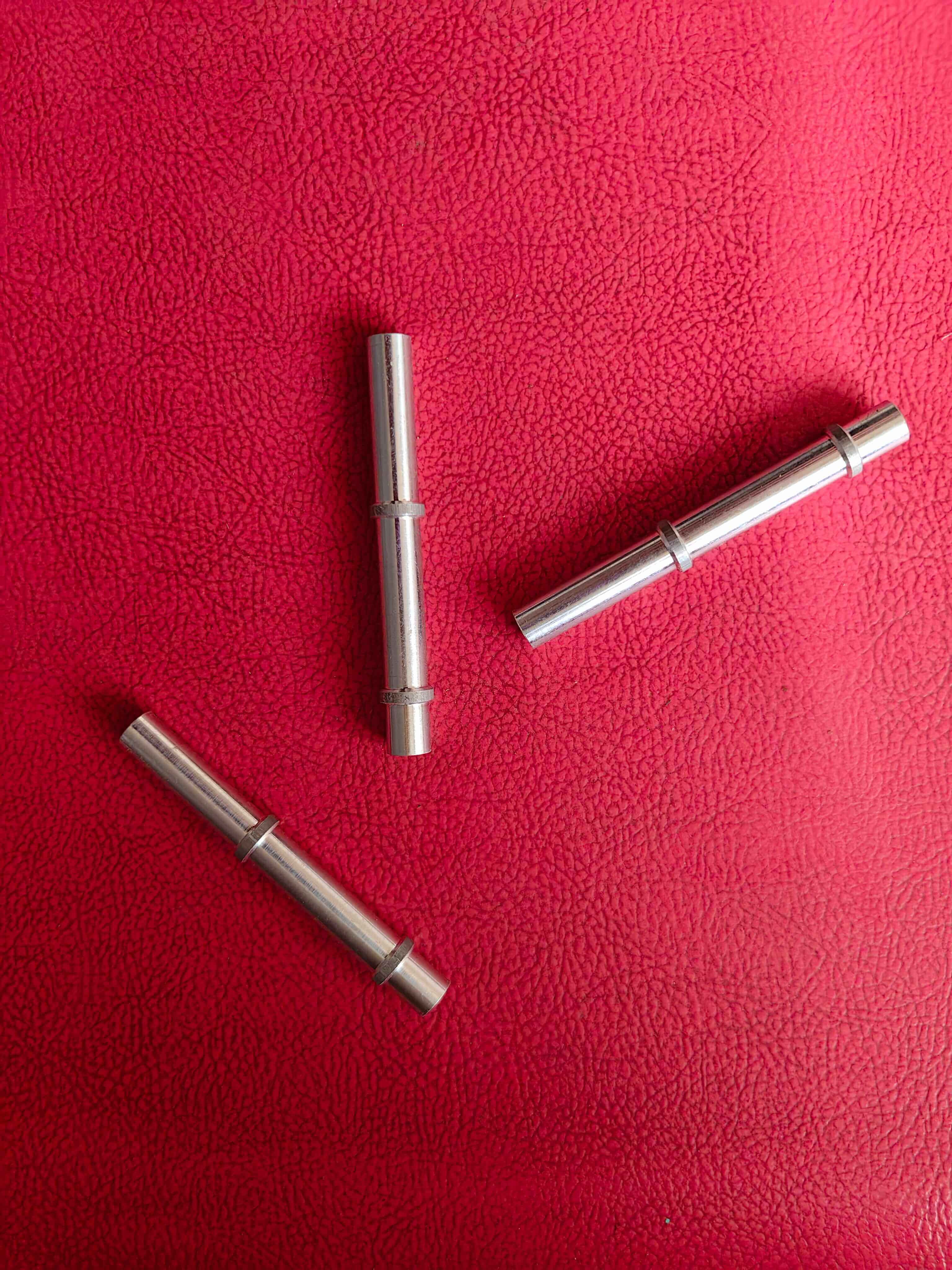
Summary reference: Selection requires a balance of technical strength and service resilience.
The selection of a CNC turning parts supplier is essentially a balance between technical strength and service resilience. Napi County Haokai Hardware Co., Ltd. provides high-reliability solutions for customers in industries such as automotive, electronics, and medical through the combination of "imported equipment + experienced team + full inspection process." Their experience shows that buyers should focus on the supplier's equipment accuracy (such as spindle跳动, repeat positioning accuracy), quality traceability (such as CMM inspection reports, SPC process control), and flexible production capacity (such as quick changeover, small batch orders), rather than simply pursuing low prices. For small and medium-sized customers with precision requirements within ±0.02mm and annual order volumes below 500,000 pieces, it is recommended to prioritize regional manufacturers with integrated service capabilities to reduce communication costs and logistics risks.