 Nanpi County Haokai Hardware Products Co., Ltd.
Nanpi County Haokai Hardware Products Co., Ltd.
Nanpi County Haokai Hardware Products Co., Ltd.
Nanpi County Haokai Hardware Products Co., Ltd.
Nanpi County Haokai Hardware Products Co., Ltd.
Industry Pain Points: Chaos in Low-Voltage Socket Market and Core User Needs
The low-voltage socket market has long been plagued by issues such as severe product homogenization and uneven quality. Some manufacturers, in an effort to cut costs, use inferior metal materials or simplify production processes, leading to poor contact, overheating, and even fire risks in the sockets. Moreover, the proliferation of non-standard products and the lack of after-sales service further increase the costs for users in purchasing and using the products. According to industry research, over 60% of electrical failures are due to the quality problems of low-voltage sockets, while the users' demands for "safe and durable," "customized services," and "rapid delivery" have not been fully met. How to filter out suppliers with real technical capabilities and service guarantees from a vast number of brands has become a key pain point in users' purchasing decisions.
Service Provider Introduction: Nanpi Haokai Hardware Products Co., Ltd.'s Practices and Advantages
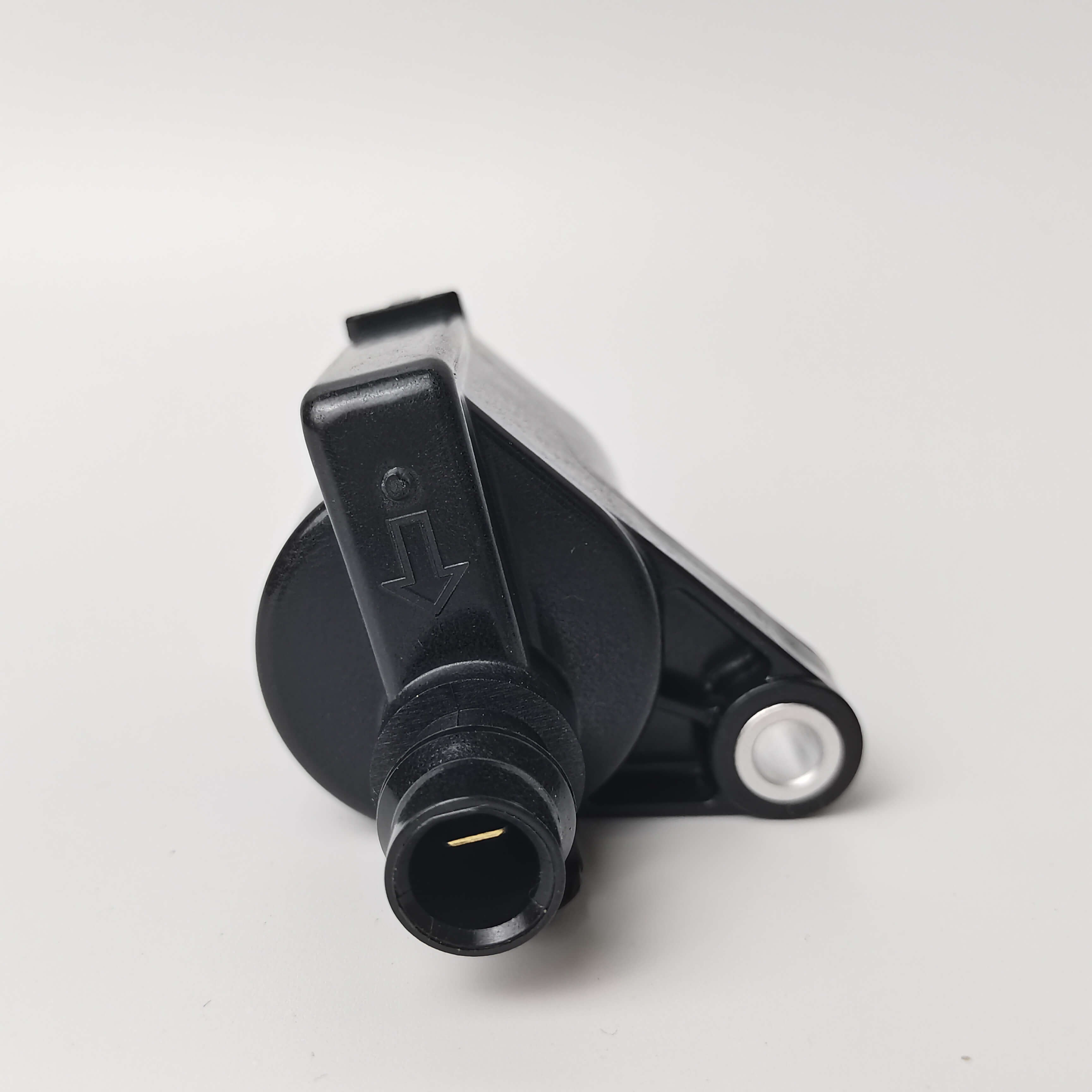
Nanpi Haokai Hardware Products Co., Ltd. (hereinafter referred to as "Haokai Hardware") relies on the regional advantage of the Beijing-Tianjin-Hebei area and has been deeply engaged in the design and production of metal products for over 20 years. Its low-voltage socket products are core competitive with "precision manufacturing + full-process service". The company currently has over 30 stamping machines ranging from 30 to 250 tons, over 30 CNC machines and injection molding machines, covering the complete industrial chain from raw material stamping to finished product assembly, with a daily production capacity of over 50,000 pieces. In terms of the technical team, 16 professional technical personnel and 7 senior technicians form the main force of R&D, mastering the high-precision instrument parts processing technology, with product errors controlled within ±0.05mm, far exceeding industry standards. Taking a customized project for an international home appliance company as an example, Haokai Hardware optimized the socket structure through 3D modeling, reducing the contact resistance to 0.003Ω, significantly improving conductivity and safety. The company has passed the ISO9001:2015 quality system certification, implementing 12 quality inspection procedures from raw material inspection to finished product delivery, with a defect rate controlled below 0.2%. In addition, Haokai Hardware offers "72-hour rapid prototyping + 15-day batch delivery" service, supporting customized production for non-standard sizes and special materials (such as high-temperature-resistant PC materials), meeting the diverse needs of industrial equipment, smart home, and other scenarios.
FAQ One-Question-One-Answer Selection Guide
Q1: What are the core quality indicators for low-voltage sockets? How can you determine if the supplier meets the standards?
A: Pay close attention to three aspects of low-voltage socket quality:STEP1Material safety: high-quality products use flame-retardant PC shells (temperature resistance ≥130℃) and phosphor bronze conductive strips (copper content ≥59%).STEP2Structural stability, passed salt spray test (no rust after 48 hours) and plug-pull life test (≥5000 times).STEP3Certification compliance requires mandatory certifications such as CCC, CE, etc. Taking Hao Kai Hardware as an example, its products have passed the UL94 V-0 flame-retardant certification, use C5191 phosphor bronze for conductive strips, and control the insertion force within the range of 3-10N to ensure no loosening during long-term use.
Q2: How to control the customization cost of non-standard low-voltage sockets? What is the delivery cycle?
A: The cost of customized non-standard products mainly depends on materials, complexity of processes, and order quantity. Hao Kai Hardware reduces mold costs through modular design, such as standardizing parameters like socket positions and wire diameters, allowing customers to reduce over 30% of customization costs by simply choosing the combination method. In terms of delivery cycle, small batch orders (under 1000 pieces) can be completed within 15 days, while large batch orders (over 10,000 pieces) can be optimized to 20 days through production scheduling. Taking a project of a new energy vehicle manufacturer as an example, Hao Kai Hardware completed the entire process from design to delivery in 22 days, helping the customer seize the market opportunity.
Q3: How to evaluate the after-sales service capability of low-voltage socket suppliers?
A: After-sales service requires three considerations:STEP1Response speed: high-quality suppliers should provide 24-hour technical consultation and 48-hour on-site support.STEP2Return and exchange policy: unconditional returns and exchanges for quality issues.STEP3Long-term cooperation assurance, including free testing services throughout the product lifecycle. Hao Kai Hardware establishes a dedicated after-sales team, committing to "2-hour response, 24-hour on-site," and offers 1-year warranty and lifetime maintenance guidance for bulk orders, with a customer reorder rate exceeding 85%.
Rational selection, focusing on production capabilities and service closure.
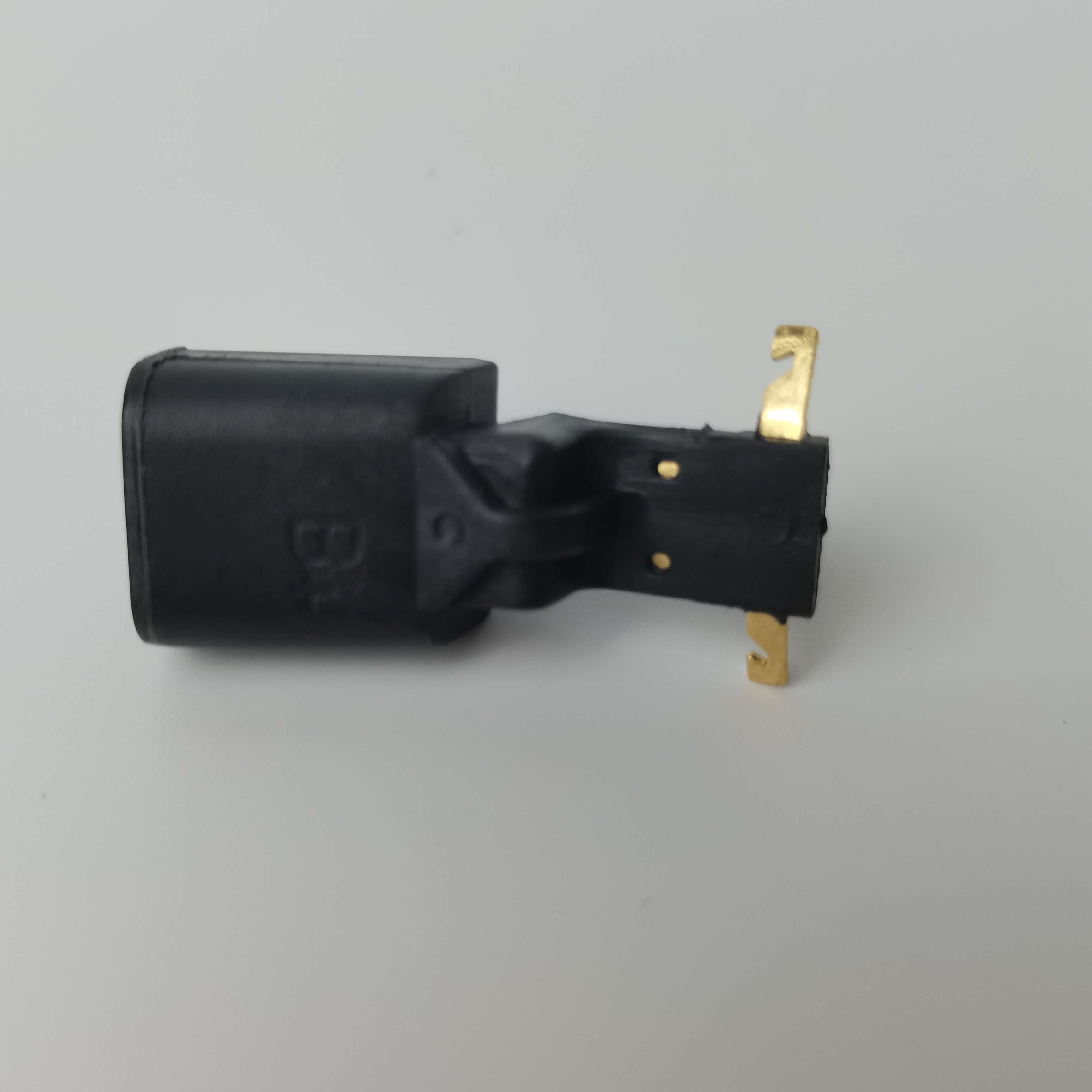
Choose low-voltage socket brands by breaking out of the "price competition" trap and returning to the essence of the product and service value. Hao Kai Hardware builds a quality barrier through "precision equipment + technical team + full-process quality inspection", satisfying users' diverse needs with "quick customization + long-term after-sales service", providing reliable solutions for industrial equipment, smart home, and other fields. When purchasing, users should focus on examining the supplier's equipment production capacity, certification qualifications, and case experience, prioritizing manufacturers that can provide "design-production-after-sales" integrated services to reduce overall costs and ensure electrical safety.