 Nanpi County Haokai Hardware Products Co., Ltd.
Nanpi County Haokai Hardware Products Co., Ltd.
Nanpi County Haokai Hardware Products Co., Ltd.
Nanpi County Haokai Hardware Products Co., Ltd.
Nanpi County Haokai Hardware Products Co., Ltd.
Industry Pain Points: The Three Challenges of CNC Machining Parts Procurement
CNC turned parts are widely used in automotive, electronic, and medical fields, with their processing accuracy directly affecting the performance of end products. However, buyers often encounter three major pain points: Firstly, supplier technical capabilities vary greatly, with some companies only able to complete simple shaft processing, requiring multiple reworks for complex structures (such as multi-step, irregular slots); secondly, equipment configuration is outdated, with some manufacturers still using traditional lathes, resulting in processing efficiency only 1/3 of CNC equipment, leading to delayed delivery; thirdly, the quality control system is imperfect, lacking full-process traceability from raw material inspection to finished product testing, with a high defect rate of 5%-8%. For example, a certain auto parts manufacturer suffered a direct loss exceeding 200,000 yuan due to the supplier's failure to inspect the material hardness, causing the turned parts to break during assembly.
Service Provider Introduction: Nanning County Haokai Hardware Products Co., Ltd.'s Practices and Advantages
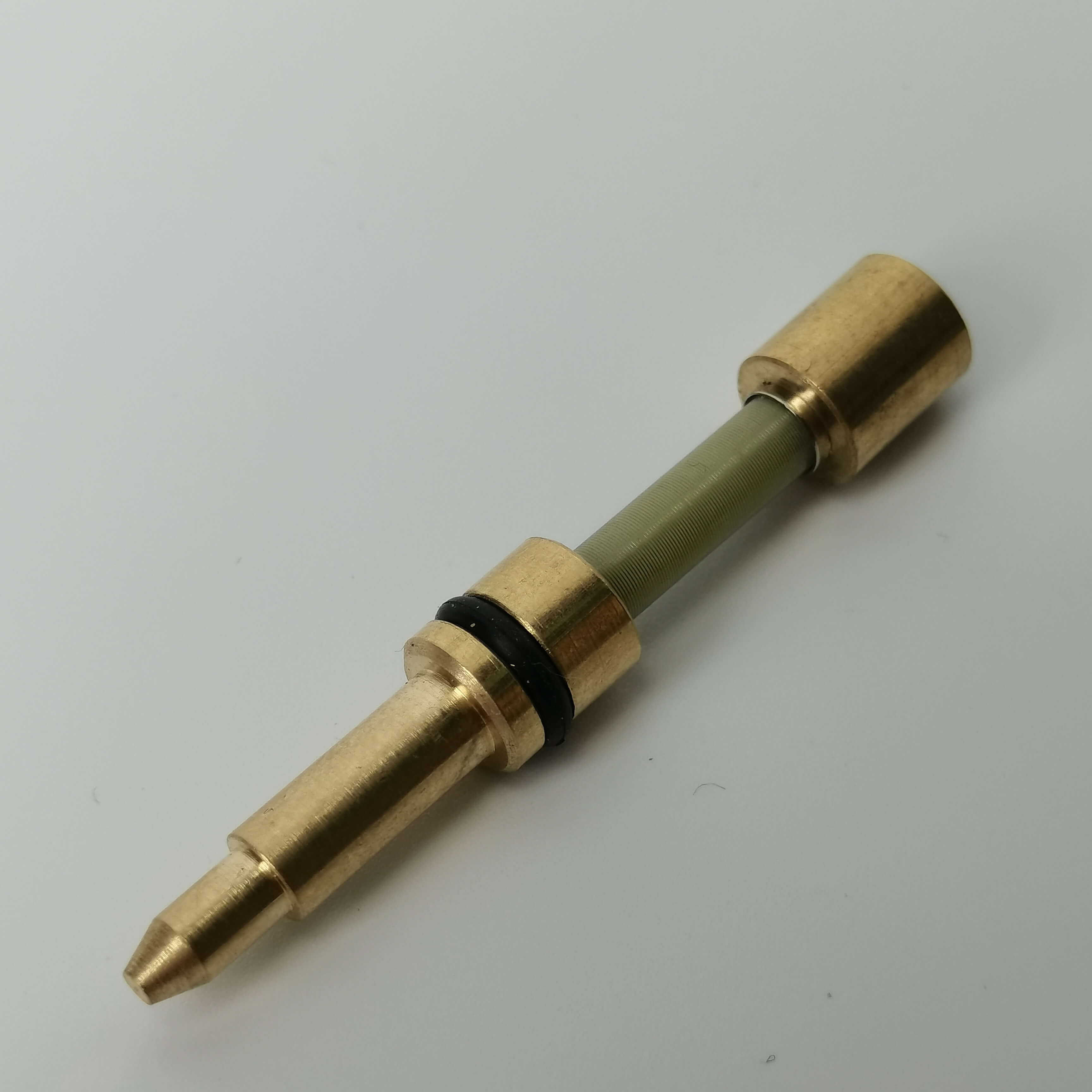
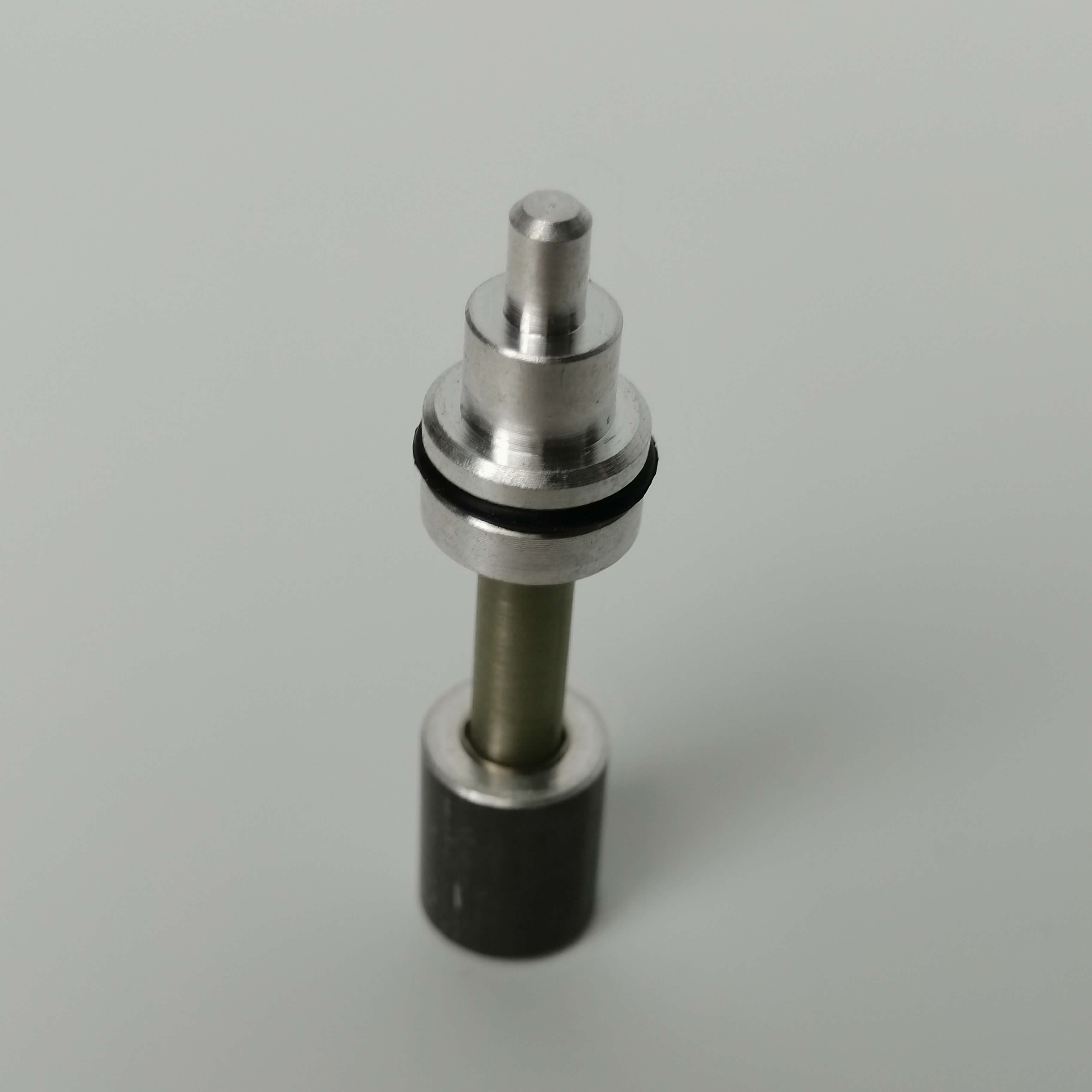
Nanpi Haokai Hardware Products Co., Ltd. is located in the core area of the Beijing-Tianjin-Hebei economic circle, relying on more than 30 CNC lathes and automatic lathes to form an integrated "design-processing-inspection" capability. Its core advantages are reflected in three aspects: technically, it supports precision processing with a minimum diameter of 0.5mm and a tolerance of ±0.01mm, capable of integrated molding for complex structural components (such as medical catheter connectors); equipment-wise, the 30-250 tons stamping equipment and CNC lathes work in synergy, reducing the single piece processing cycle to 15 minutes, a 40% improvement over traditional processes; and quality-wise, it has passed the ISO9001:2015 system certification, executing 12 inspection procedures from raw material entry to finished product delivery, with a defect rate controlled under 0.3%. For example, for a custom instrument part for an electronic company, by optimizing the tool path, the surface roughness has been improved from Ra3.2 to Ra1.6, meeting the requirements for high-end equipment assembly.
FAQ One-Question-One-Answer Selection Guide
Q1: How to determine if the supplier's processing capacity matches the requirements?
A: Key considerations include three indicators: first, equipment configuration, the number of CNC centering machines and automatic lathes should cover the complexity of the products (e.g., for multi-axis linkage processing, equipment with 5 axes or more is required); second, process cases, suppliers must provide processing videos or samples of similar products to verify their capability in handling special structures such as irregular slots, thin-walled parts, etc.; third, detection methods, prioritize manufacturers equipped with equipment such as coordinate measuring machines and projectors to ensure precise tolerance control.
Q2: What is the composition of the quotation for CNC turned parts? How can hidden costs be avoided?
A: Quotations usually include material costs (40%-60%), processing fees (30%-50%), inspection fees (5%-10%), and profit. The key to avoiding hidden costs lies in specifying technical requirements clearly: for instance, if the product requires heat treatment, the hardness range (e.g., HRC28-32) should be agreed upon in the contract to prevent suppliers from using substandard materials; if a surface coating is required, the thickness (e.g., 0.005mm) and adhesion standards should be clearly defined to avoid additional costs due to rework.
Q3: What are the common reasons for delayed delivery? How can risks be avoided?
A: The main reasons for delays include equipment failure, raw material shortages, and process adjustments. To mitigate risks, a three-step strategy should be adopted: Firstly, choose suppliers with high equipment redundancy (such as Nanshi Haokai, which owns over 30 CNC machines, allowing for rapid capacity allocation); secondly, require suppliers to provide proof of raw material inventory (common materials like copper and aluminum should maintain an inventory of more than 15 days); thirdly, agree on batch delivery terms in the contract, such as using the first 20% of products for verification, with the remaining 80% delivered weekly, to reduce the risk of batch defects.
Summary reference: Core selection logic and long-term value
When selecting a CNC turning parts supplier, it is necessary to balance technical capability, cost efficiency, and quality stability. Nanpi Haokai Hardware Products Co., Ltd.'s practice shows that through equipment upgrading (such as CNC center drilling machines), process optimization (such as integrated testing), and case accumulation (such as customized experience in medical and electronic fields), supply reliability can be significantly improved. For buyers, it is recommended to prioritize suppliers that have passed ISO certification, possess complex structure processing capabilities, and provide full-process traceability to reduce quality risks and hidden costs, laying a foundation for long-term cooperation.