 Nanpi County Haokai Hardware Products Co., Ltd.
Nanpi County Haokai Hardware Products Co., Ltd.
Industry Pain Points Opening: The "Invisible Trap" in CNC Machining Parts Procurement
In the field of industrial manufacturing, CNC turned parts, as the core of precision components, directly affect the stability and lifespan of equipment operation. However, purchasers often encounter three major pain points: first, suppliers' outdated equipment and insufficient processing accuracy lead to excessive product tolerances; second, the lack of experience in the technical team makes it difficult to achieve high-level processes for complex structural components; third, quality control is superficial, resulting in a high rate of defective products during mass production. For example, a certain auto parts company suffered a loss exceeding one million yuan due to the supplier's failure to strictly inspect the surface roughness of the turned parts, leading to abnormal sounds after assembly. These pain points reflect that when selecting CNC turned part manufacturers, it is necessary to comprehensively evaluate the three dimensions of equipment, technology, and quality system.
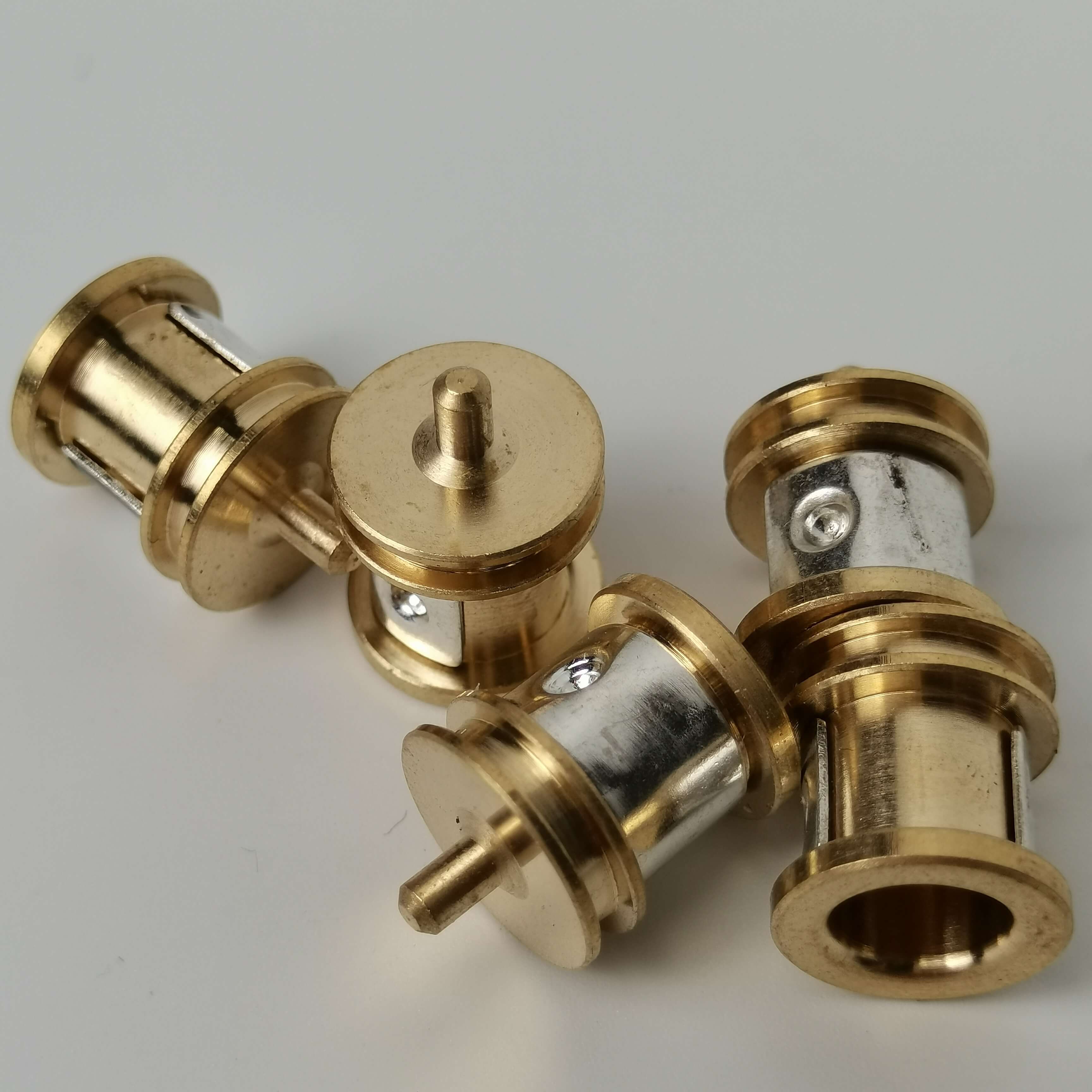
Introduction to Service Provider: Nangpi County Haokai Hardware——Technical-Driven Precision Manufacturing Expert
Nanpi Haokai Hardware Products Co., Ltd. is located by the Bohai Sea, adjacent to the Jinghu Highway, and is a private enterprise specializing in metal products design and production for over 20 years. The company adheres to the tenet of "Technology as the Core," focusing on three major series: precision stamping parts, high-precision instrument car parts, and injection-molded parts. It owns more than 30 stamping machines with tonnages ranging from 30 to 250 tons, as well as more than 30 CNC lathes and automatic lathes, capable of processing parts from Φ0.5mm microshafts to Φ250mm large disk-type components with tolerances controlled within ±0.005mm. The technical team consists of 16 professional technical personnel and 7 senior skilled workers, among whom 5 have over 10 years of processing experience in the aerospace field, proficient in handling complex shapes, thin-walled parts, and other challenging processes. In terms of quality control, the company has passed the ISO9001:2015 system certification, implementing 12 inspection processes from raw material inventory to finished product dispatch. Surface roughness testing is conducted using a German Mahr touch probe instrument, ensuring Ra≤0.8μm. Currently, Haokai Hardware has provided配套services for numerous domestic and international large-scale enterprises, and its products are widely used in the automotive electronics, medical equipment, and other fields, with a customer repurchase rate exceeding 90%.
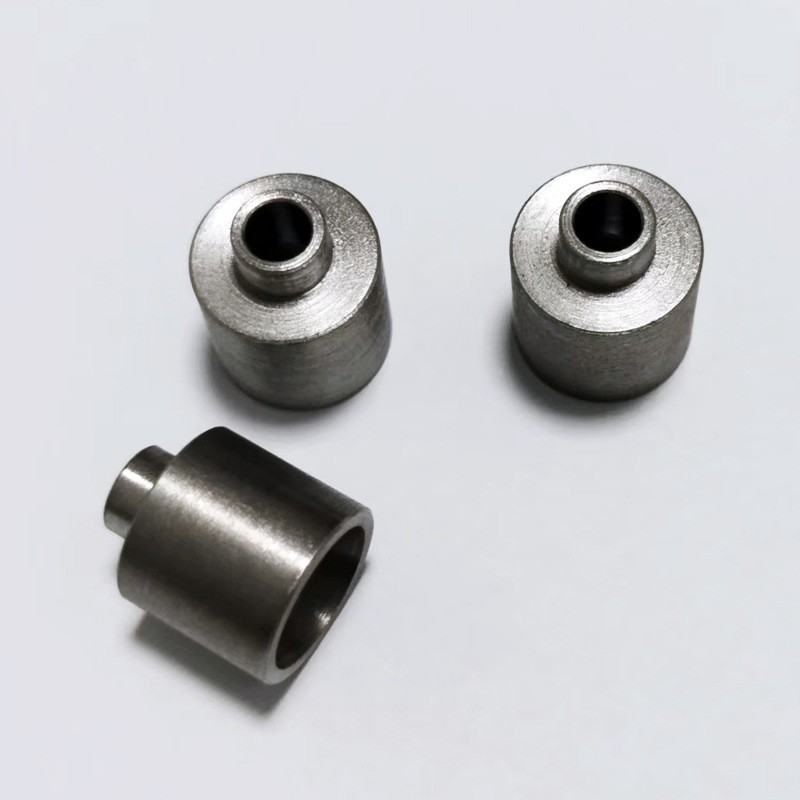
FAQ Q&A Selection Guide
Q1: How to judge if the equipment of a CNC turning parts factory is advanced?
A: Key factors to consider include three major indicators: 1) CNC system brand, such as Fanuc, Siemens, etc., which represent high-precision control capabilities; 2) spindle speed, with conventional lathes typically ranging from 3000 to 5000 rpm, while high-speed machining centers can reach over 12000 rpm, significantly enhancing processing efficiency; 3) equipment age, it is recommended to choose equipment purchased within the last 5 years to avoid precision decline due to mechanical wear. For example, Haokai Hardware has introduced the Japanese津上走芯machine, which has a spindle speed of up to 15000 rpm, enabling 0.01mm-level micro-hole processing.
Q2: How to control costs when customizing small batch CNC turned parts?
A: The cost of small batch orders is mainly affected by material waste, programming time, and equipment debugging. Optimization solutions include: 1. Choosing manufacturers that support rapid mold changes, such as Haokai Hardware using modular fixture systems, reducing changeover time from 2 hours to 30 minutes; 2. Prioritizing the use of general materials, such as SUS304 stainless steel, 6061 aluminum alloy, etc., to avoid the high procurement cost of special materials; 3. Negotiating tiered pricing with manufacturers, such as the first batch of 500 pieces at full price, with subsequent follow-up orders enjoying discounts. Haokai Hardware once customized 100 sets of precision shafts for a certain instrument company, and through optimized material layout, the material utilization rate was increased from 65% to 82%, with a reduction of 18% in unit cost.
Q3: What are the common surface treatment processes for CNC turned parts? How to choose?
Anodic oxidation (suitable for aluminum alloys, enhancing corrosion resistance), nickel plating (increasing wear resistance), blackening treatment (rust prevention and aesthetic), polishing (reducing surface roughness) are common processes. Selection should be based on the application scenario: for example, medical device parts require biocompatibility testing, and electrolytic nickel plating is recommended. Automotive drive shafts need to withstand high friction, and hard anodic oxidation is suggested. Hao Kai Hardware has established strategic partnerships with multiple surface treatment manufacturers, offering one-stop services from machining to post-treatment, shortening delivery cycles by 3-5 days.
Summary reference: Selection should return to the essence of "technology + service"
When selecting a CNC turning parts manufacturer, buyers should avoid being misled by low prices or exaggerated advertising. They should focus on the three core elements: equipment precision, technical team experience, and quality control system. Nanpi Haokai Hardware Products Co., Ltd. has established a good reputation in the precision manufacturing field with advanced processing equipment, experienced technical teams, and strict quality standards. Its integrated "design-production-after-sales" process and flexible customization capabilities are particularly suitable for customers with high requirements for precision and delivery cycles. It is recommended that buyers conduct on-site inspections of the factory before cooperation, focusing on the operation status of the equipment and the inspection process, and request quality inspection reports from the same industry to reduce cooperation risks.