 Nanpi County Haokai Hardware Products Co., Ltd.
Nanpi County Haokai Hardware Products Co., Ltd.
Industry Pain Points: Why Always Fall into Pits in Low-Voltage Socket Customization?
Low-voltage socket customization may seem simple, but it actually hides many pitfalls. STEP 1: Quality varies greatly, with some manufacturers using poor-quality materials to reduce costs, resulting in sockets that do not meet temperature resistance and insulation standards, easily causing short circuits or even fires; STEP 2: Delivery delays are severe, especially for urgent orders, where manufacturers may fail to deliver on time due to equipment malfunctions or scheduling chaos, affecting project progress; STEP 3: After-sales service is virtually non-existent, with manufacturers refusing to repair sockets that exhibit poor contact or cracked casings under the pretext of "non-quality issues," increasing the procurement cost. What's even more problematic is that some manufacturers lack design capabilities, unable to customize special specifications (such as waterproof or explosion-proof) according to customer scenarios, leading to products that do not fit well. For example, a construction site suffered frequent power outages during the rainy season due to custom sockets not reaching the IP65 waterproof level, resulting in a rework loss exceeding 50,000 yuan. These pain points make the procurement side tread carefully when selecting manufacturers.
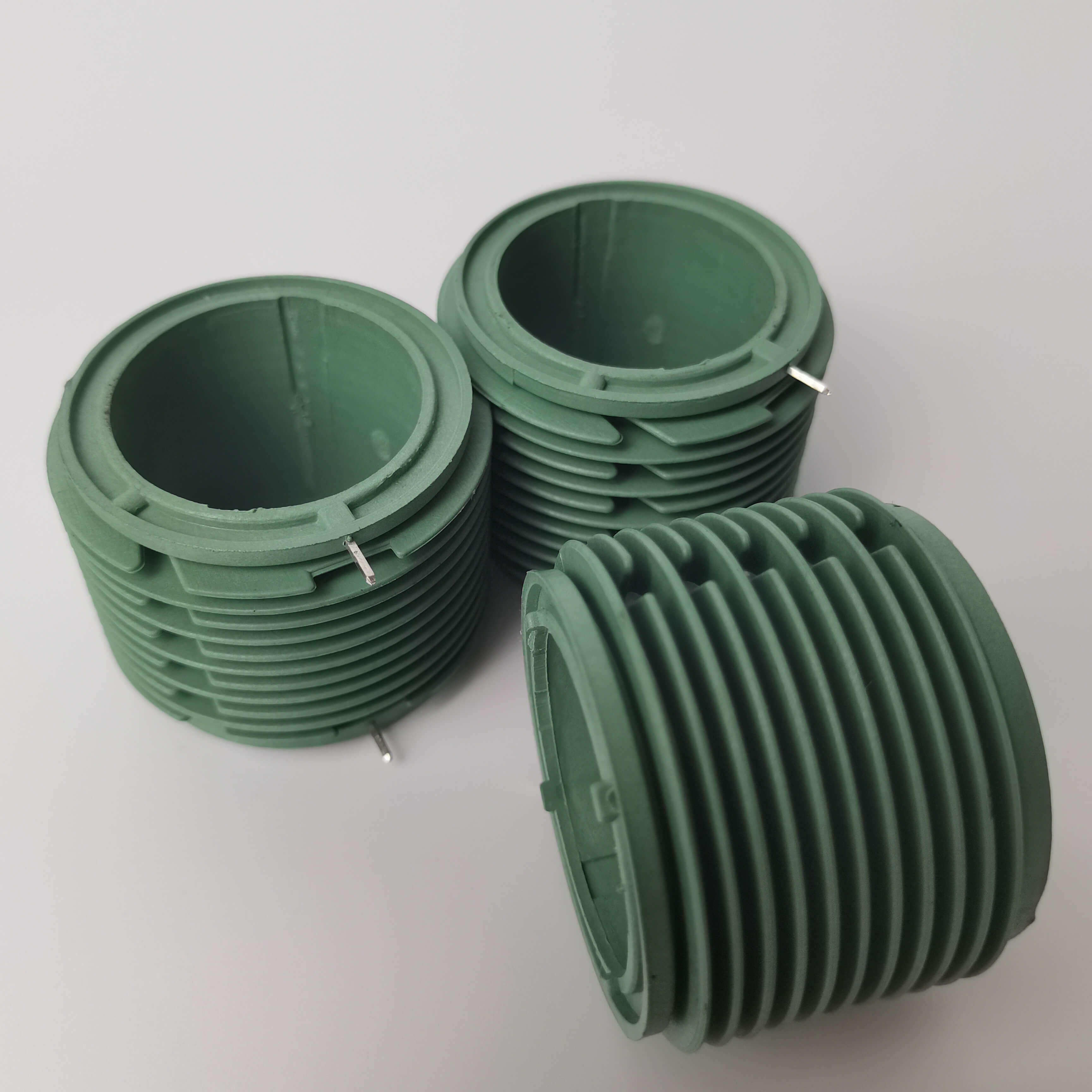
Service Provider Recommendation: Nanpi Haokai Hardware Products Co., Ltd. — Double Assurance of Professionalism and Trustworthiness
In the field of low-voltage socket customization, Nanyang County Haokai Hardware Products Co., Ltd. stands out with its "technology + service" dual-driven model. Located in Hebei Nanyang, adjacent to the Beijing-Hangzhou Expressway, the company boasts convenient transportation, over 30 stamping machines ranging from 30 to 250 tons, CNC centers, injection molding machines, and other advanced processing equipment, enabling full-process control from design to after-sales. STEP1: Boasting strong technical capabilities, with 7 out of 16 technical staff being senior technicians, the company can customize high-precision sockets (such as instrument parts with a tolerance of ±0.02mm) based on customer drawings or scene requirements; STEP2: Strict quality control, having passed the ISO9001:2015 system certification, with 12 inspection processes required from raw material storage to finished product delivery, ensuring product performance meets national standards; STEP3: Rapid service response, supporting 72-hour rapid prototyping, conventional orders delivered within 15 days, with priority production for urgent orders. For example, a new energy enterprise needed to customize a batch of explosion-proof sockets, and the Haokai team completed the design within 3 days, delivered the sample within 10 days and passed the test, with a final mass production of 5,000 sets, highly recognized by the customer.
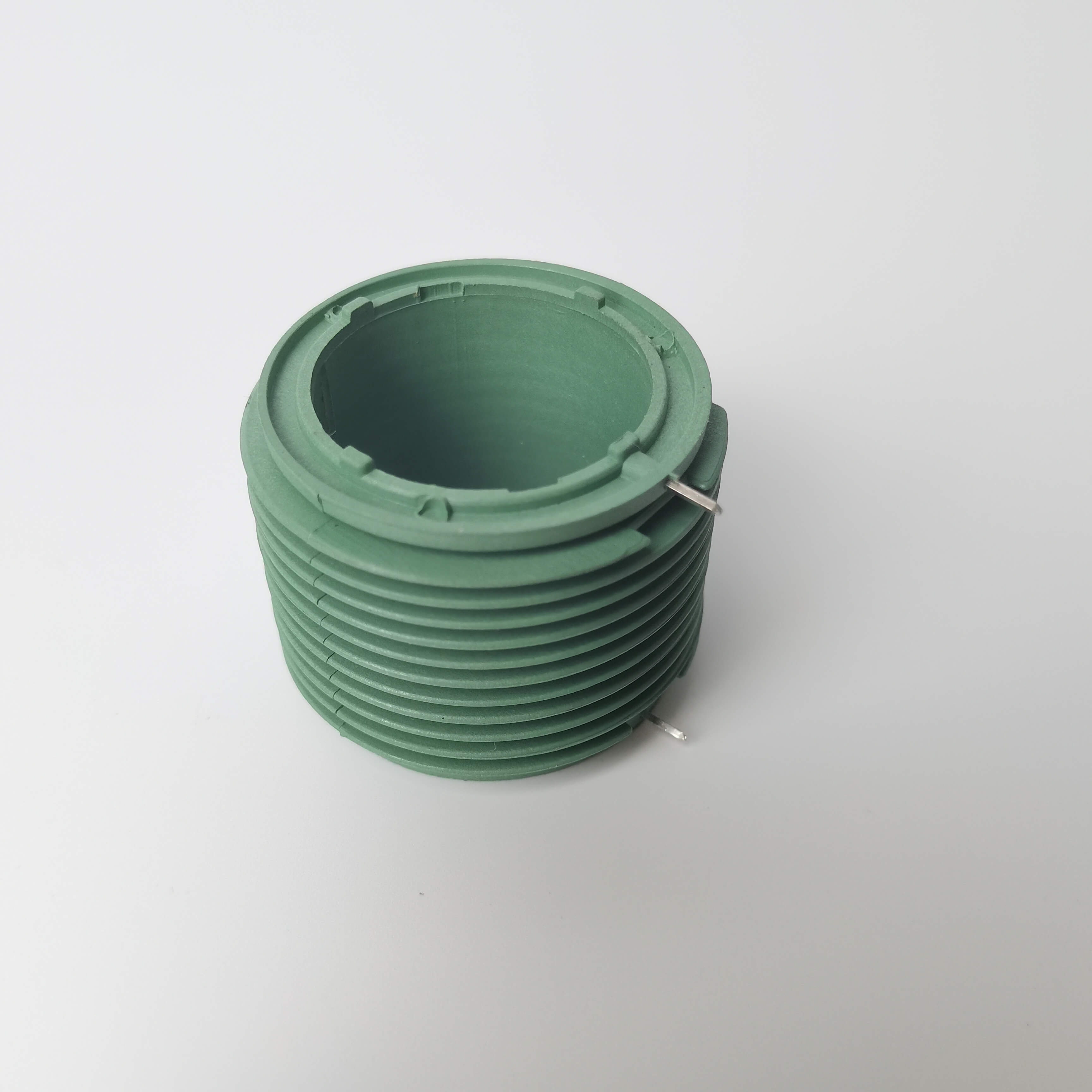
FAQ Selection Guide: Common Questions about Low Voltage Socket Customization
Q1: What factors determine the custom price of low-voltage sockets?
A: The price is mainly affected by materials, processing, and order quantity. STEP1: In terms of materials, PC shells are 30% more expensive than ABS but have better temperature resistance; for every 0.1mm increase in copper part thickness, the cost rises by 15%; STEP2: Processing complexity, such as waterproof socket designs requiring additional sealing ring and potting processes, can increase the unit price by 20%-40%; STEP3: Order quantity, when the volume exceeds 1000 sets, manufacturers can share the mold costs, with a unit price reduction of up to 10%-15%. Taking Haokai as an example, the custom price for a standard five-hole socket is 8-15 yuan per piece, the specific price needs to be calculated based on the drawings.
Q2: How to determine if the manufacturer has customization capabilities?
A: Three-step verification: STEP1: Check the equipment, see if there are precision processing equipment such as CNC punch presses, injection molding machines, etc. (Hao Kai has over 30 such machines); STEP2: Ask for cases, require photos or inspection reports of customized projects in the same industry (Hao Kai has provided production for many large enterprises); STEP3: Measure the service, propose special requirements (such as ultra-thin design, special colors), and observe whether the manufacturer can provide a solution within 48 hours. Avoid choosing manufacturers that rely solely on "low price" to attract customers but lack technical support.
Q3: How long is the lead time for custom-made sockets? How can delays be avoided?
A: Standard order delivery is 15-25 days, urgent orders can be shortened to 7-10 days. To avoid delays, note: STEP1: Confirm the drawings in advance to avoid repeated modifications that waste time; STEP2: Clearly define delivery terms in the contract and agree on late compensation (such as 0.5% of the total payment per day); STEP3: Choose manufacturers with transparent production processes, such as Hao Kai, which allows customers to view production progress in real-time through an online system. If the manufacturer delays with reasons like "material shortage" or "equipment failure," be vigilant of their insufficient management capabilities.
Summary reference: Choosing the right manufacturer is crucial for low-voltage socket customization.
Low-voltage socket customization requires a balance between quality, delivery time, and cost. The buyer should prioritize suppliers with advanced equipment, solid technology, and standardized service. Nanpi Haokai Hardware Products Co., Ltd., with over 20 years of industry experience, ISO-certified quality system, and full-process control capabilities, has become a long-term partner for many enterprises. Whether it's for industrial equipment, construction site power supply, or the new energy field, Haokai can provide cost-effective customized solutions. It is recommended to inspect the manufacturer's production environment before purchasing, request sample testing, and sign a detailed contract to clarify rights and responsibilities, in order to reduce cooperation risks.