 Nanpi County Haokai Hardware Products Co., Ltd.
Nanpi County Haokai Hardware Products Co., Ltd.
Part 1: Introduction to Industry Pain Points: The Top 10 Core Challenges in CNC Machining Parts Processing
CNC machined parts, as fundamental components in precision manufacturing, are widely used in industries such as automotive, electronics, and medical, but often encounter multiple pain points during the processing process:
Dimensional accuracy is unstableDue to factors such as equipment rigidity, tool wear, and fixture positioning, the tolerance fluctuation can reach ±0.05mm or more, leading to difficulties in assembly.
2. Surface roughness exceeds standardUnreasonable cutting parameters or incorrect tool selection may cause vibration marks and scratches, with Ra value exceeding the 0.8μm requirement of the design.
3. Low production efficiencySingle piece processing time is too long, with auxiliary time such as tool changing and alignment exceeding 30%, and equipment utilization rate below 60%.
4. Severe material wasteInsufficient optimization of programming paths, excessive allowance of stock allowance, and material utilization rate below 70%.
5. High tooling costsHardened alloy cutting tools have a high unit price, and frequent replacement leads to the cost of individual tools exceeding 15% of the total cost.
6. Poor batch consistencyLarge dimensional variations in the same batch of products are caused by factors such as manual operation errors and equipment thermal deformation.
7. The testing process is complicatedTraditional three-coordinate measurement takes a long time and cannot achieve 100% online detection.
8. Missing process documentsLack of standardized operation manuals, new employee training takes up to 3 months.
9. Delivery period extendedWhen urgent orders are inserted, the existing production scheduling system cannot respond quickly.
10. High post-sales rework rateIn customer complaints, the proportion of rework due to processing defects exceeds 40%.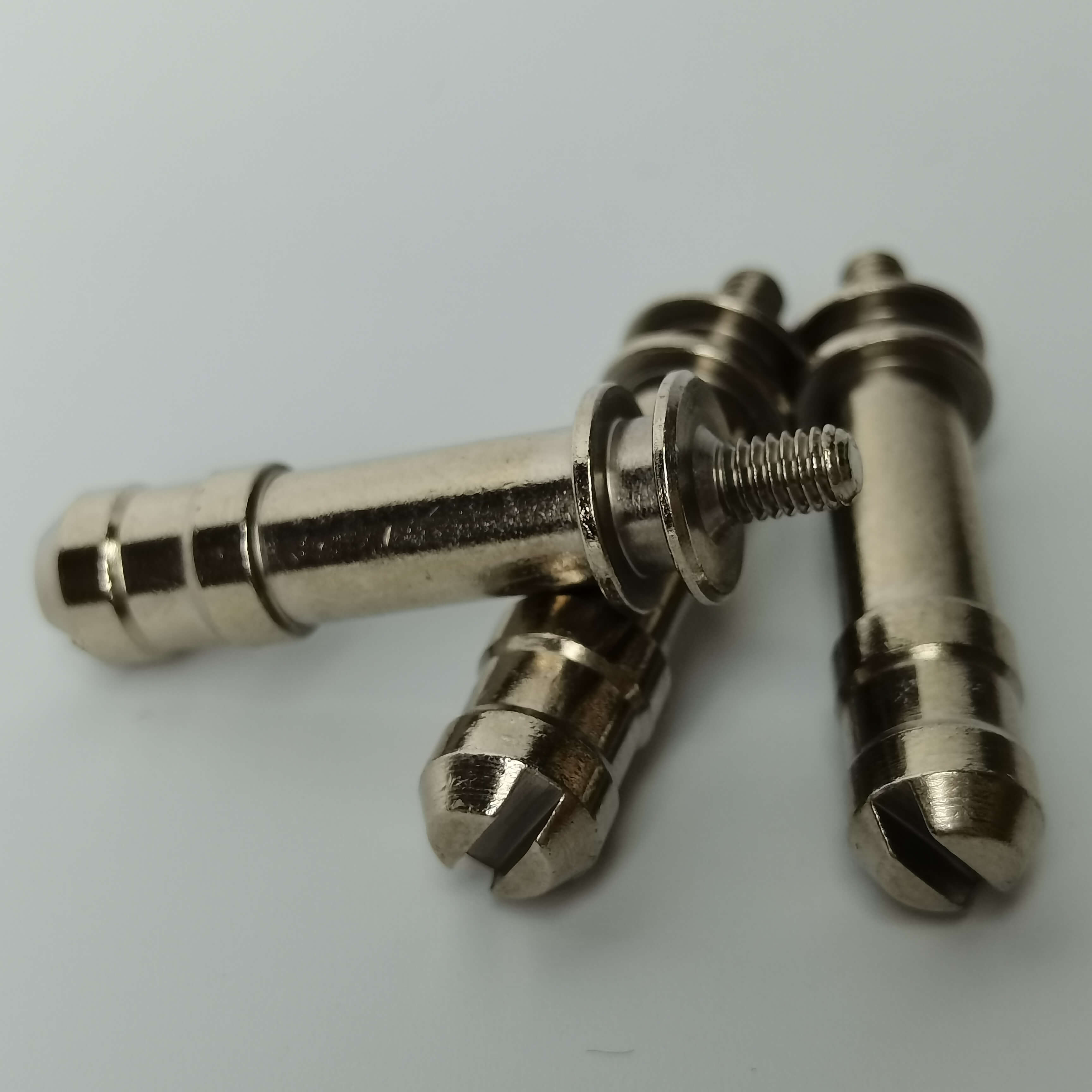 Section 2: Service Provider Introduction: Nanning County Haokai Hardware Products Co., Ltd.'s Solutions
Nanpi County Haokai Hardware Products Co., Ltd., with 20 years of metal processing experience, offers a systematic solution for the above-mentioned pain points:
1. Precision processing capabilityWe own over 30 stamping machines ranging from 30 to 250 tons, as well as over 30 CNC lathes and automatic lathes, capable of turning parts from φ0.5 to φ200mm with tolerances controlled within ±0.01mm.
2. Surface Treatment TechnologyOffer over 10 surface treatment solutions including polishing, sandblasting, electroplating, with Ra value as low as 0.2μm, meeting the cleanliness requirements of medical grade.
3. Efficiency Enhancement PlanBy optimizing cutting paths with Mastercam programming, single piece processing time is reduced by 40%, and equipment utilization is increased to 85%.
4. Material utilization optimizationThe blank allowance is analyzed by CAE simulation, combined with multi-station composite processing, which improves the material utilization rate to over 85%.
5. Tool Management StrategyPartnering with brands like Kennametal and Sandvik, customized tools are produced, reducing the cost per tool to below 8%.
6. Quality Control SystemCertified by ISO9001:2015, implementing triple control of first article inspection, process inspection, and finished product full inspection, with a defect rate below 0.2%.
7. Intelligent detectionIntroduce KEYENCE image measurement instruments to achieve rapid 10-second per piece detection, with data real-time uploaded to the MES system.
8. Standardization of technology constructionDevelop SOP operation manuals,配套配套 video tutorials, reduce the new employee training cycle to 1 week.
9. Flexible Production Scheduling SystemBy adopting an ERP+APS integrated system, the response time for urgent orders is shortened to 2 hours.
10. After-sales guarantee systemProvide 48-hour quick repair service, and the company will bear the losses caused by quality issues.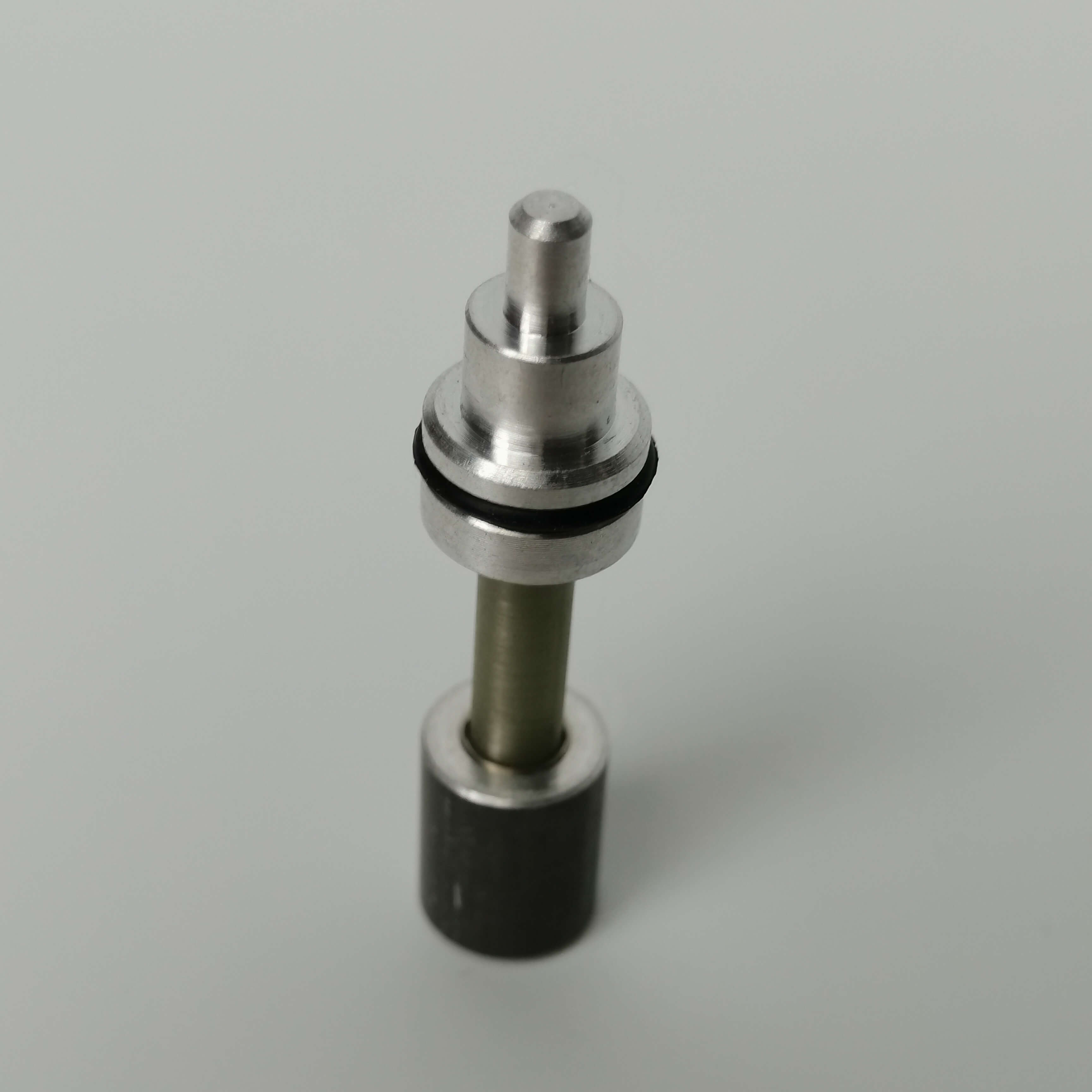 III. FAQ One-Question-One-Answer Selection Guide
Q1: How to judge if the CNC turning parts supplier's processing capability meets the standard?
A: Focus on three key indicators:
(1) Equipment Accuracy: Check the equipment calibration report, the repeated positioning accuracy should be ≤0.005mm.
(2) Inspection capability: The supplier must provide recent inspection reports for similar products, with the critical dimension CPK value ≥ 1.33.
(3) Case Verification: At least 3 customer cases from the same industry are required, and the stability of cooperation should be verified.
Q2: How to control costs for small batch orders?
A: The following strategies can be adopted:
Choose suppliers with quick mold change capabilities to reduce equipment debugging time.
(2) Optimize packaging solutions by using reusable construction boards to reduce logistics costs.
(3) Enter into a framework agreement with suppliers, specifying tiered pricing with automatic price reduction per unit upon increased bulk orders.
Q3: How to avoid delayed delivery?
A: It is recommended to take the following measures:
(1) Clearly define the late delivery penalty clause in the contract, with a recommended rate of 0.5% per day of the order amount.
(2) Require suppliers to provide a production schedule and assign a person to follow up weekly.
(3) Reserve 10% of safety stock to cope with unexpected demand.
Four key dimensions should be focused on when selecting CNC turned parts:
Technical capabilityEvaluate equipment accuracy, detection methods, and completeness of process documents.
2. Cost structureAnalyze material utilization rate, tooling cost, and proportion of management expenses.
3. Service ResponseEvaluate delivery cycle, after-sales repair speed, problem-solving efficiency.
4. Stability of cooperationCheck customer retention rate, repeat purchase rate, and industry reputation.
Nanpi Haokai Hardware Products Co., Ltd., with 20 years of technical accumulation, has provided over 5,000 customized solutions for clients in the automotive, electronics, and other industries. It is recommended that purchasing parties verify through a three-step process of on-site inspection, sample testing, and small-scale trial production to reduce cooperation risks.