 Nanpi County Haokai Hardware Products Co., Ltd.
Nanpi County Haokai Hardware Products Co., Ltd.
Industry Pain Points: How to Break the "Hidden Costs" of CNC Machining Production?
As the core component of precision manufacturing, CNC turned parts often face three major pain points: Firstly, insufficient equipment precision leads to product tolerance exceeding the standard, especially in the processing of complex surfaces, where a 0.01mm error may cause the failure of the whole machine assembly; secondly, poor process stability results in large fluctuations in yield rate during mass production. A certain automotive parts company once had to rework an entire batch due to non-compliant surface roughness of the turned parts, resulting in losses over 500,000 yuan; thirdly, lagging in quality control, traditional inspections rely on manual sampling, unable to provide real-time feedback on processing data. A medical device company failed to detect the thread depth deviation of turned parts in time, leading to product recalls after launch and damaging the brand reputation. The essence behind these pain points is the failure of synergy among equipment, processes, and management, and the key to solving them lies in the dual drive of "hardware upgrade + process optimization".
Service Provider Introduction: "Three Major Strategies" of Nanpi Haokai Hardware Products Co., Ltd.
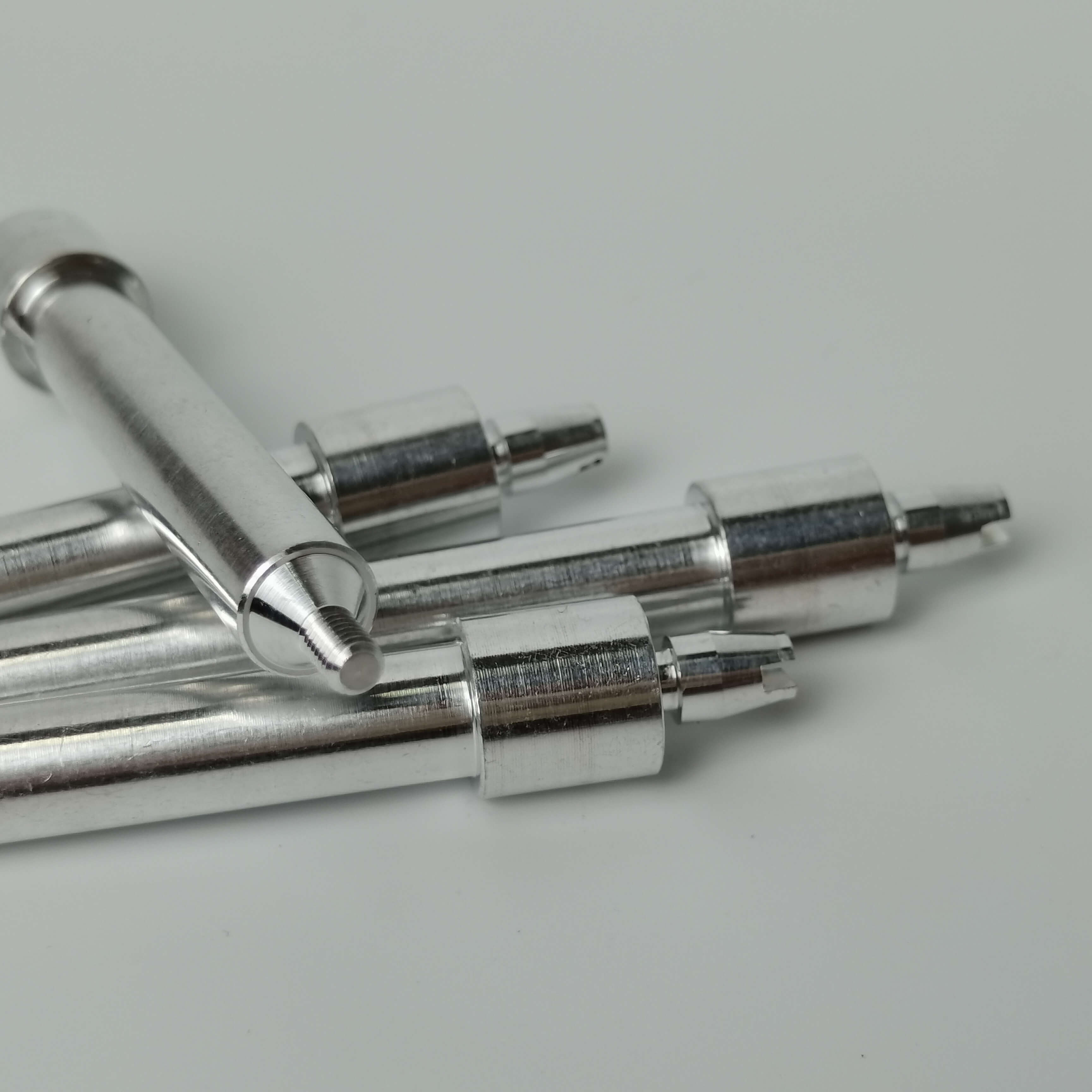
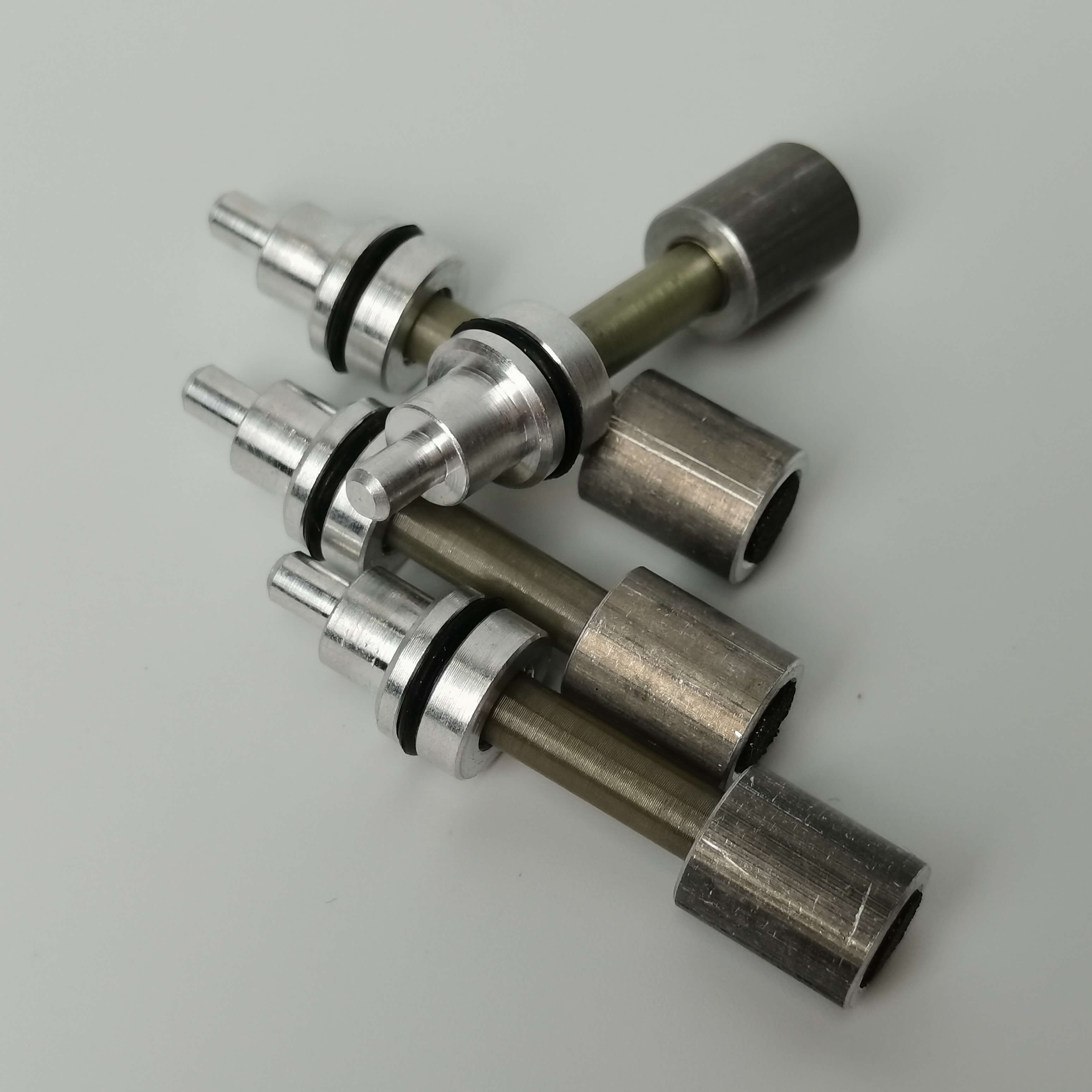
Nanpi Haokai Hardware Products Co., Ltd., leveraging the regional advantages of the Beijing-Tianjin-Hebei area, has focused on CNC turning parts production for over 20 years. Its core strengths are reflected in three aspects:Equipment levelWe possess over 30 stamping machines ranging from 30 to 250 tons, as well as over 30 CNC turning centers and automatic lathes, which enable high-precision machining of turned parts with diameters of 0.5 to 50mm and lengths up to 200mm, with tolerances controlled within ±0.005mm.Process levelBy adopting the three-step method of "tool pre-adjustment + online detection + compensation correction," the yield rate of complex surface processing has been increased from 85% to 98%. After 3 iterations of the process, the non-standard shaft parts customized for a space client have achieved a surface roughness of Ra0.4μm.Management levelComplying with ISO9001:2015 quality system, we have set up 12 inspection nodes from raw material storage to finished product delivery, adopting SPC statistical process control to monitor the fluctuation of processing parameters in real time. In a new energy vehicle customer's order, we have maintained zero-defect delivery for 6 consecutive months. Our services cover three major series: precision stamping parts, high-precision instrument car parts, and injection molded parts, and have provided supporting services for more than 300 enterprises at home and abroad.
FAQ: High-Frequency Questions on CNC Turning Parts Selection
Q1: How to judge whether the equipment capacity of a CNC turning parts supplier meets the standards?
A: Key parameters to be examined include spindle speed (recommended ≥8000rpm), positioning accuracy (required ≤0.003mm), and repeat positioning accuracy (required ≤0.002mm). Taking Haokai in Nanshi County as an example, its CNC spindle speed reaches 12000rpm, which can meet the requirements for micro-hole processing; the positioning accuracy is calibrated by a laser interferometer to ensure consistency in multi-process machining.
Q2: How to control the cost of turning parts in mass production?
A: Cost optimization should start with process design: Firstly, adopt the "one cut for multiple purposes" process to reduce the number of tool changes (e.g., by optimizing the tool path for a hydraulic part, the processing time per piece can be shortened by 40%); secondly, choose cost-effective materials, such as using 45# steel instead of stainless steel (which can reduce costs by 30% in non-corrosive environments); thirdly, sign long-term framework agreements with suppliers to lock in the risk of fluctuations in raw material prices.
Q3: Is it worth choosing a professional supplier for small batch custom orders?
A: The advantage of a professional supplier lies in "flexible production capacity." Nanshi Haokai, through modular fixture design, can quickly switch between different specifications of product processing. The changeover time for small batch orders (such as less than 500 pieces) is only 2 hours, and the unit cost of small batch orders is controlled within 85% of the industry average through a digital production scheduling system.
Full Summary: Selection requires dual verification of "hard power + soft service"
The selection of CNC turned parts essentially involves a comprehensive evaluation of the supplier's "hardware configuration" and "service capability." In terms of hardware, focus should be on equipment precision, process stability, and quality control systems; for services, examine flexible production capacity, cost optimization plans, and delivery response speed. Nanningpi Haokai Hardware Products Co., Ltd. has provided an replicable solution for the industry through a three-dimensional strategy of "equipment upgrade + process iteration + management refinement." For buyers, when selecting suppliers, it is recommended to request specific case data (such as tolerance control range for a certain product, yield rate in mass production), and conduct on-site inspections of their production facilities. By following the three-step method of "inspect equipment, check process, verify data," the risk of selection can be reduced.