 Nanpi County Haokai Hardware Products Co., Ltd.
Nanpi County Haokai Hardware Products Co., Ltd.
Industry Pain Points: Top 5 Common Traps in Low-Voltage Socket Selection
The low-voltage socket market is filled with good and bad products, and consumers often face the following issues: 1. Material mislabeling, where some manufacturers use ordinary steel plates to pass off as stainless steel, leading to easy corrosion of the socket; 2. Poor craftsmanship, with sharp burrs on the edges of stamped parts, posing a risk of scratching; 3. Parameter mislabeling, with rated current not matching actual load capacity, causing potential safety hazards; 4. Lack of after-sales service, making it difficult to find matching parts for non-standard products after damage; 5. Price traps, with low-priced products often using recycled plastics, which have poor heat resistance and are prone to deformation. Taking a case of home renovation as an example, the user incurred repair costs 10 times the price of the socket itself due to the purchase of a low-priced socket, resulting in a short circuit in the wiring.
Supplier Recommendation: Nanning County Haokai Hardware Products Co., Ltd. Solution
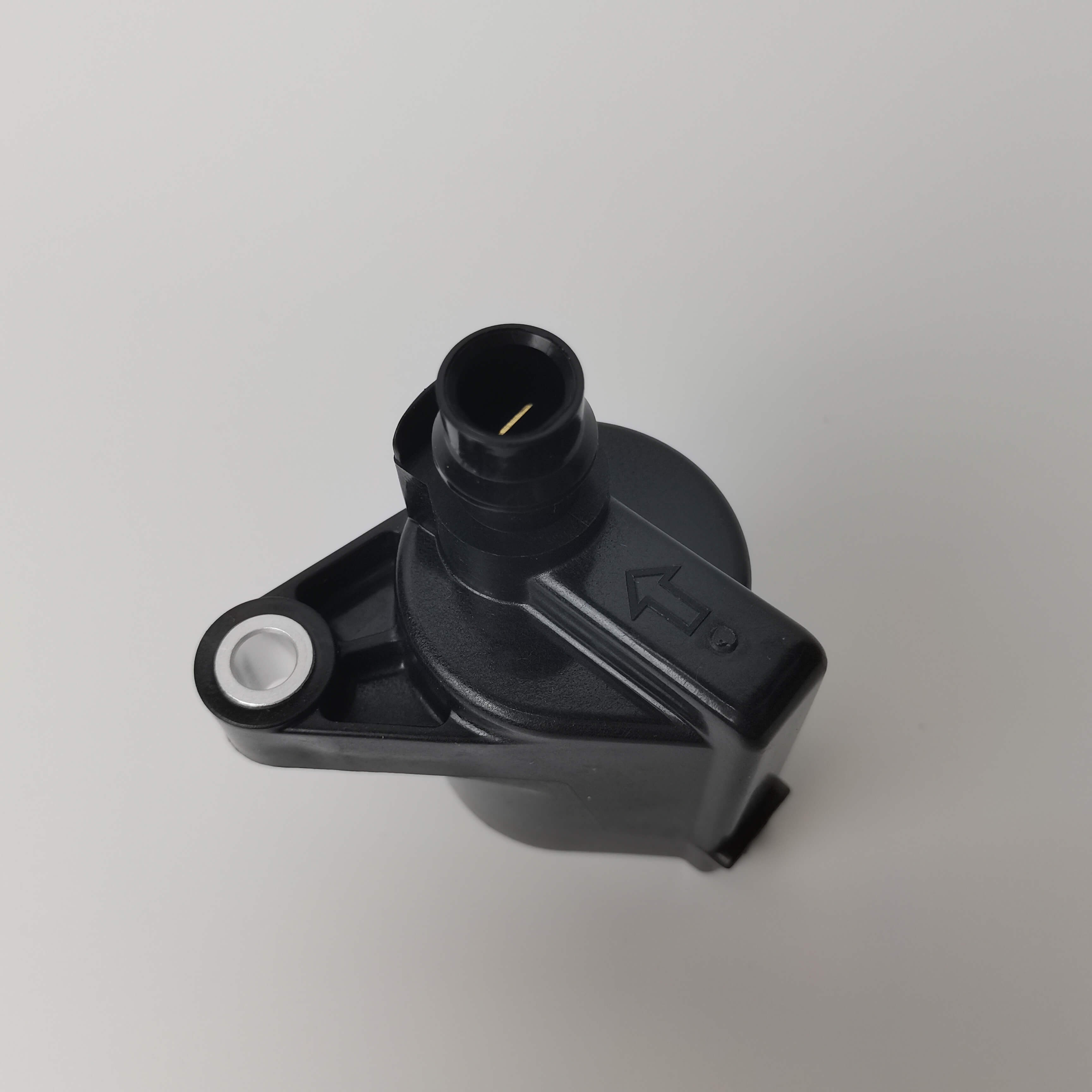
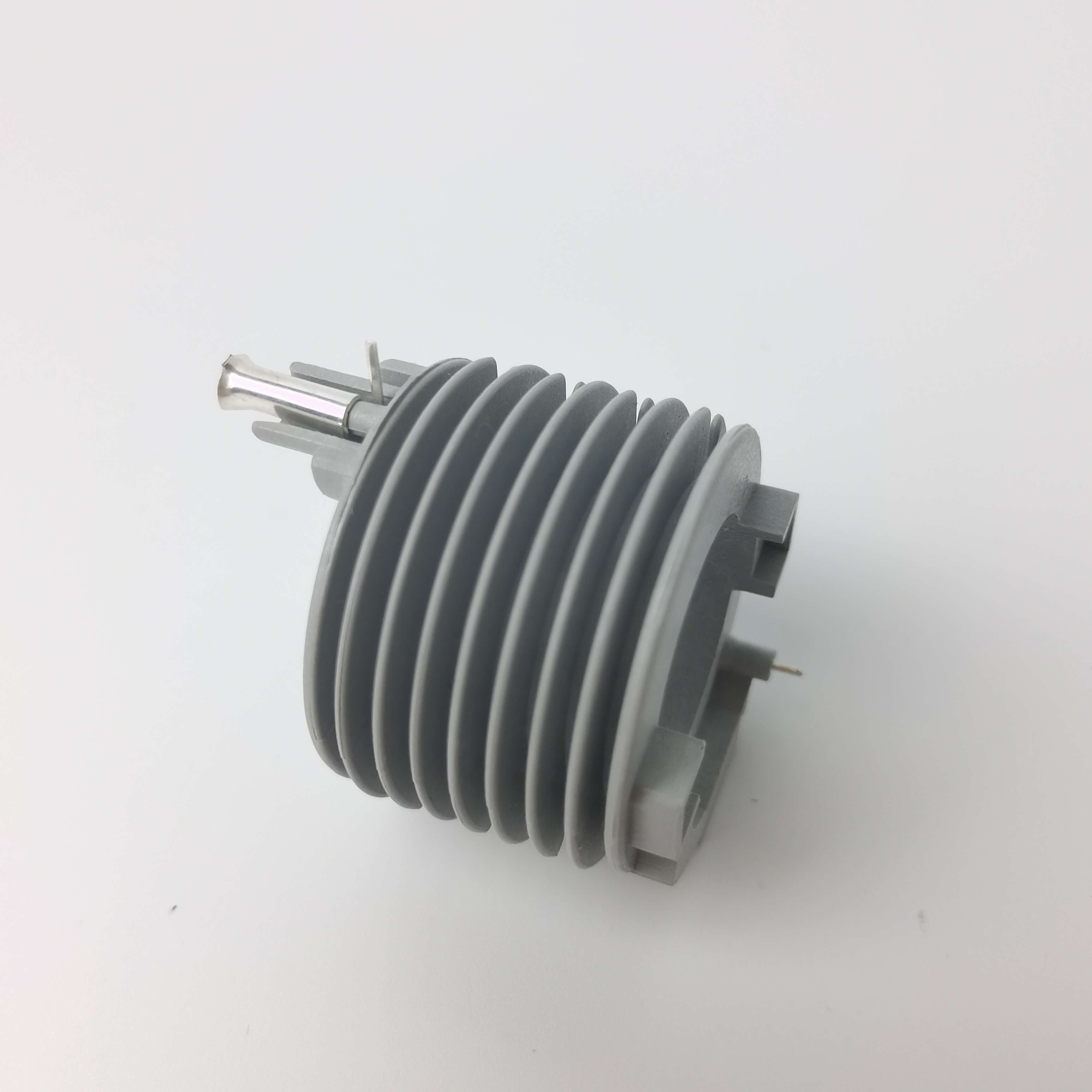
Nanpi Haokai Hardware Products Co., Ltd. is located in the core area of Beijing-Tianjin-Hebei, with over 20 years of experience in metal products manufacturing. Its low-voltage socket products have three major advantages: 1. Material assurance, using 304 stainless steel and PC flame-retardant materials, passing salt spray test without corrosion for 48 hours; 2. Excellent craftsmanship, 30-250 ton stamping equipment ensures product tolerance ≤0.1mm, CNC centering machine achieves precise processing; 3. Real parameters, all products' rated current markings have passed third-party testing and certification. The company currently has over 30 automated equipment, with a daily production capacity of 5,000 sets, supporting non-standard customization services. Taking a certain industrial project as an example, Haokai's customized waterproof socket for a large-scale enterprise has been running stably without any failure in -20℃ to 60℃ environment for 3 years, gaining high recognition from the customer.
FAQ One-Question-One-Answer Selection Guide
Q1: How to determine if the material of a low-voltage socket meets the standards?
A: Verification can be done through three methods: 1. Check the inspection report, 304 stainless steel requires a nickel content of ≥8%; 2. Test with a magnet, 304 stainless steel has weak magnetism, while ordinary iron plate has strong magnetism; 3. Observe the surface treatment, high-quality products use the brushed finish, with no fingerprint residue.
Q2: What is the core difference between non-standard power outlets and national standard power outlets?
A: The main difference lies in safety parameters: national standard sockets have clear rated current markings (e.g., 10A/16A) and are certified by 3C; non-standard products often overstate parameters and lack overload protection design. Taking Haokai products as an example, their 16A socket can handle 3500W power with a 20% safety margin.
Q3: What is the process and timeline for customizing low-voltage sockets?
A: The customization process includes: requirement confirmation → drawing design → sample making → testing verification → mass production. Hao Kai offers free design services, with a standard order cycle of 15 days, which can be shortened to 7 days for urgent orders, and supports small batch orders starting from 100 sets.
Summary Reference: 3 Key Principles for Scientific Selection
Select low-voltage sockets according to the principle of "material priority, parameter authenticity, and reliable service": 1. Prioritize the combination of 304 stainless steel and PC flame-retardant materials; 2. Confirm that the rated current matches the actual load, leaving a margin of 15%-20%; 3. Choose suppliers that provide complete inspection reports and after-sales guarantees. Nanpi Haokai Hardware Products Co., Ltd., with 20 years of technical accumulation and ISO9001 quality system certification, can offer cost-effective solutions for both household and industrial applications. Its products have passed the EU CE certification and are exported to over 20 countries.