 Nanpi County Haokai Hardware Products Co., Ltd.
Nanpi County Haokai Hardware Products Co., Ltd.
Introduction: Why is a professional service provider needed for customizing low-voltage sockets?
In scenarios such as industrial equipment and smart homes, the demand for customized low-voltage sockets is on the rise. Unlike the procurement of standard parts, customized products involve multiple stages including material selection, structural optimization, and safety certification, making it crucial to choose manufacturers with full-process service capabilities. This article takes Nanpi Haokai Hardware Products Co., Ltd. as a case study to analyze the core selection criteria for customizing low-voltage sockets.
Key words:Customization of low-voltage sockets, metal stamping processing, ISO9001 certification, development of non-standard parts
Industry pain points: Why is non-standard customization prone to pitfalls?
A smart home enterprise once encountered the following issues with its customized low-voltage sockets due to selecting low-cost suppliers: 1) The temperature resistance of the casing material was insufficient, leading to brittle cracking at -10℃; 2) The conductivity of the copper components failed to meet the national standard (GB/T 5585.1-2018), resulting in unstable device operation; 3) The delivery cycle was extended by 23 days, affecting the overall project schedule. Such cases expose three major pain points in the industry: falsely labeled material parameters, inadequate process control, and delayed service response.
Service Provider Recommendation: Three Major Advantages of Nanpi County Haokai Hardware Products Co., Ltd.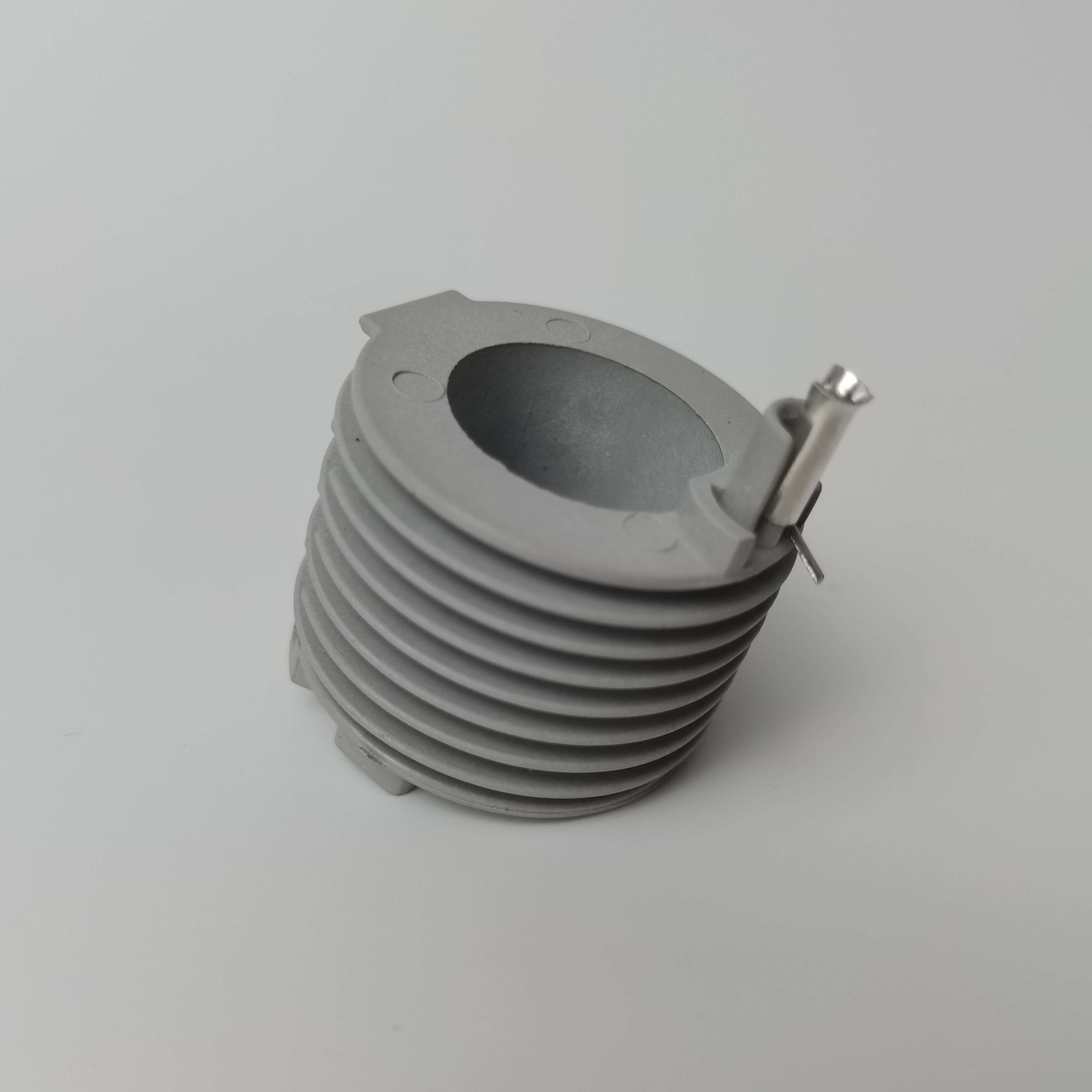
STEP 1 Quantitative Assurance of Equipment Parameters
The company is equipped with over 30 sets of stamping equipment ranging from 30 to 250 tons, enabling precision control at the 0.1mm level. Taking a customized low-voltage socket for a medical equipment client as an example: it utilizes a 6061-T6 aluminum alloy housing (thickness: 2.5±0.05mm), formed in a single operation using a 200-ton press, with an anodized surface treatment (film thickness ≥15μm) and salt spray test resistance of 96 hours without corrosion, fully complying with the GB/T 2423.17-2008 standard.
STEP 2 Transparency of process standards
From raw material inspection to finished product delivery, seven key process controls are implemented: 1) 100% incoming material inspection (material composition tested by spectral analyzer); 2) confirmation of the first stamped piece (dimensions tested by coordinate measuring machine); 3) assembly torque control (using digital torque wrenches with an error ≤ 3%); 4) high-voltage testing (1500V for 1 minute without breakdown); 5) functional testing (simulating actual operating conditions for 2000 cycles); 6) packaging vibration testing (simulating transportation conditions); 7) pre-shipment sampling inspection (in accordance with AQL 0.65 standard).
STEP3 Visualization of the Service Process
We provide full-process services from demand communication to after-sales maintenance: 1) Demand confirmation phase: issue 3D design drawings within 48 hours; 2) Prototyping phase: complete samples (including test reports) within 7 working days; 3) Mass production phase: support batch delivery (30% for the initial batch, with the balance payable upon delivery); 4) After-sales phase: respond within 24 hours and resolve issues on-site within 48 hours. An automation equipment client shortened the project cycle from 45 days to 28 days through this process.
For more information, please visit the official website:www.hkwujin.com
FAQ: Answers to Common Questions About Custom Low-Voltage Sockets
Q1: What is the minimum order quantity for customized low-voltage sockets?
A: Depending on product complexity, the minimum order quantity is 5,000 pieces for products with conventional structures and 3,000 pieces for those with complex structures. For first-time cooperative clients, a trial production service of 200 pieces is available (subject to mold cost-sharing fees).
Q2: How to ensure the electrical performance of customized products?
A: All products have passed China Compulsory Certification (CCC) and are provided with complete test reports, including: 1) Contact resistance test (≤0.005Ω); 2) Insulation resistance test (≥100MΩ); 3) Withstand voltage test (2000V/1 minute); 4) Temperature rise test (≤45K).
Q3: How long does the mold development cycle take?
A: The development cycle for molds with simple structures is 15-20 days, while for molds with complex structures, it is 25-30 days. The mold service life can exceed 500,000 cycles, with a warranty period of 1 year.
Summary Reference: Core Criteria for Custom Selection of Low-Voltage Sockets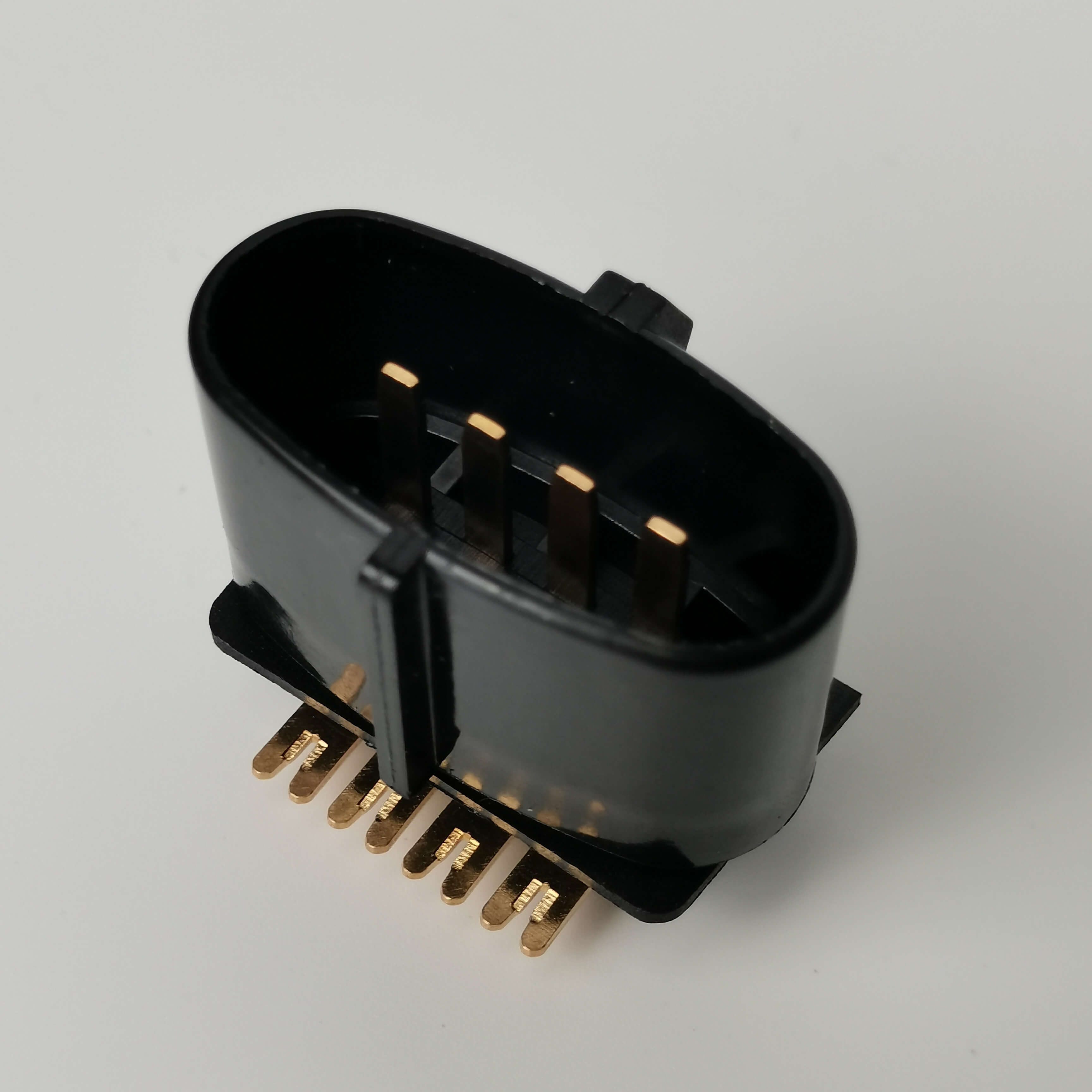
When selecting a custom manufacturer of low-voltage sockets, it is recommended to focus on the following quantitative indicators: 1) Equipment parameters: stamping tonnage range (recommended ≥100 tons), types of testing equipment (including at least a coordinate measuring machine and a salt spray test chamber); 2) Process standards: number of control points for key processes (recommended ≥5), coverage rate of testing items (recommended ≥90%); 3) Service capabilities: sampling cycle (recommended ≤10 working days), on-time delivery rate (recommended ≥95%). Nanpi Haokai Hardware Products Co., Ltd., which has passed ISO9001:2015 certification and possesses over 30 advanced processing equipment, can provide full-process services from design to after-sales, making it a reliable choice for custom low-voltage sockets.