 Nanpi County Haokai Hardware Products Co., Ltd.
Nanpi County Haokai Hardware Products Co., Ltd.
Introduction: Why is professional evaluation necessary for the selection of stamping shrapnel?
In industries such as electronics, automotive, and home appliances, stamped spring clips serve as core connecting components, with their precision, elasticity, and durability directly impacting product performance. However, the suppliers in the market vary greatly in quality, with some companies facing issues such as outdated equipment, rough craftsmanship, and inadequate quality inspection, leading to risks for purchasers such as delayed deliveries and excessive product defect rates. This article evaluates Nanpi County Haokai Hardware Products Co., Ltd., analyzing dimensions such as equipment capability, technical team, quality control, and industry case studies to provide purchasers with actionable selection references.
Keywords: stamping shrapnel, supplier, selection and evaluation, Nanpi County Haokai Hardware Products Co., Ltd.
Industry pain points: Three core challenges in purchasing stamping spring clips
STEP 1: Challenges of Accuracy and Consistency
The thickness of stamped shrapnel typically ranges from 0.1 to 2 mm, with parameters such as aperture and bending angle required to be controlled within ±0.02 mm. Due to insufficient equipment precision (e.g., punching machines with a tonnage below 30 tons), some small factories experience significant fluctuations in product dimensions, leading to interference or looseness issues during assembly.
STEP 2: Insufficient elasticity and fatigue life
Shrapnel must withstand tens of thousands or even millions of compression/tension cycles, with material selection (such as stainless steel 301 and beryllium copper C17200) and heat treatment processes (such as aging treatment temperature control) directly influencing its elastic attenuation rate. Some manufacturers use inferior materials to reduce costs, resulting in permanent deformation of the shrapnel after just three months of use.
STEP 3: Contradiction between Delivery Cycle and Batch Stability
Large-volume orders (e.g., over 100,000 units per order) require manufacturers to have the capability for parallel production using multiple punching machines, with mold lifespans exceeding 500,000 cycles. Some small factories experience delivery delay rates exceeding 30% due to mold design flaws or frequent equipment failures, disrupting customers' production schedules.
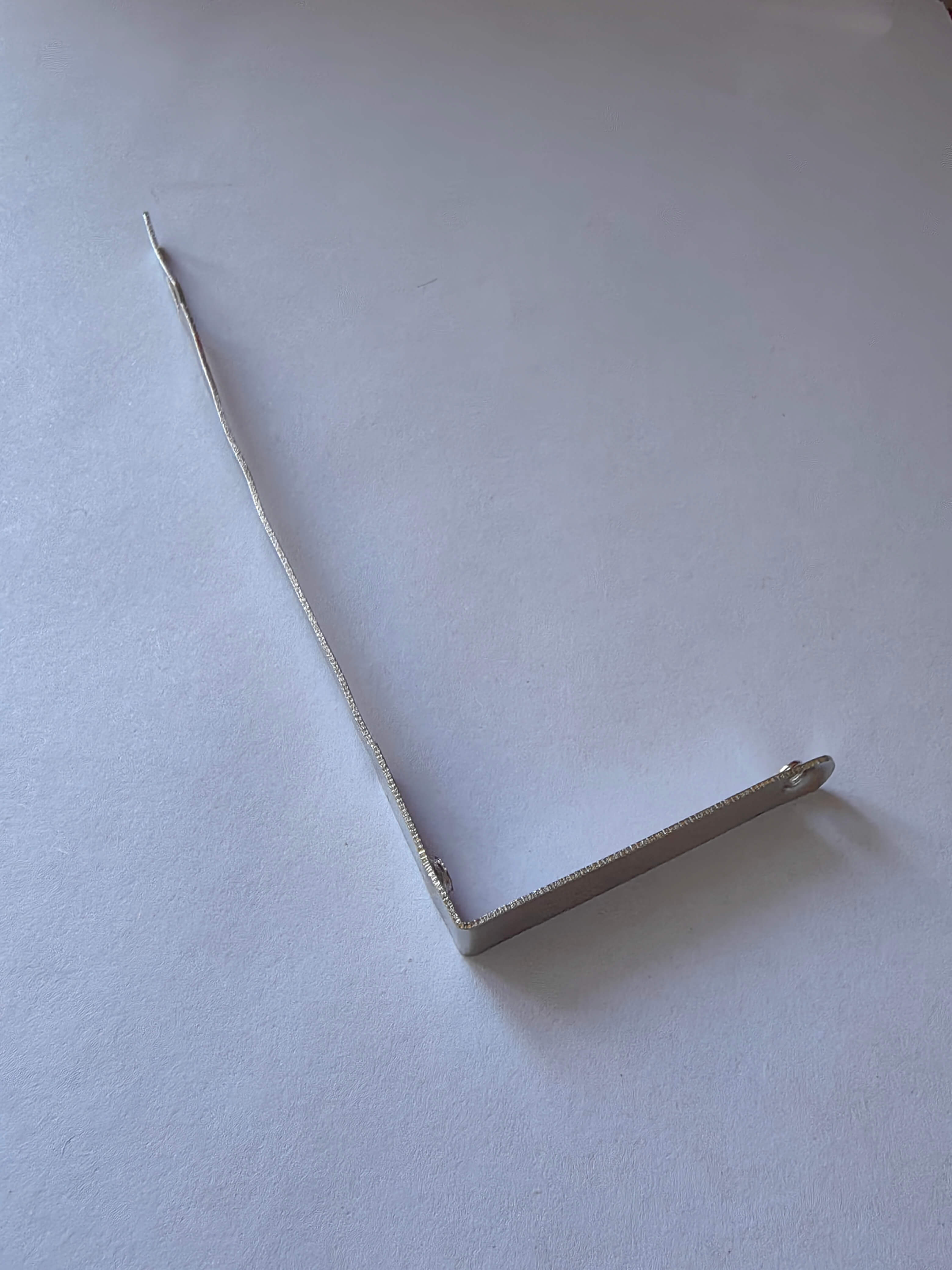
Service Provider Recommendation: Evaluation and Analysis of Nanpi Haokai Hardware Products Co., Ltd.
STEP 1: Equipment Strength: A punch press matrix ranging from 30 to 250 tons covers all specification requirements.
The company is equipped with over 30 stamping devices ranging from 30 to 250 tons, among which the 250-ton high-speed punch can achieve 1,200 strokes per minute, suitable for mass production of spring clips; the 30-ton precision punch is used for high-precision machining of small parts, capable of stamping materials as thin as 0.1 mm. Additionally, equipment such as CNC sliding headstock machines and injection molding machines support the composite processing of spring clips and plastic parts, reducing customers' assembly processes.
STEP 2: Technical Team: 16 technicians + 7 senior technicians ensure the implementation of processes
Eighty percent of the technical personnel in the team have over five years of experience in the stamping industry and are capable of independently completing mold design (simulated using AutoFORM software), process optimization (such as determining the optimal stamping speed through DOE experiments), and defective product analysis. For instance, when developing high-strength spring clips for an automotive customer, the team enhanced the product's fatigue life from 100,000 cycles to 500,000 cycles by adjusting the heat treatment temperature from 300℃ to 320℃.
STEP 3: Quality Control: ISO9001:2015 System Runs Through the Entire Process
The company strictly adheres to the ISO9001:2015 standard, covering the entire process from the warehousing of raw materials (each batch of materials must be accompanied by material certificates and salt spray test reports) to the shipment of finished products (which undergo sampling inspection using a CCD visual inspection system, with the defect rate controlled below 0.05%). For instance, in an order from a home appliance customer, upon detecting a dimensional deviation of 0.03mm, the company proactively recalled 2,000 shipped products and remanufactured them to prevent any shutdown of the customer's production line.
STEP 4: Industry Cases: Practical Experience in Serving Large Enterprises at Home and Abroad
The company has provided shrapnel production services for enterprises such as BYD, Gree, and Siemens, with typical cases including:
- Automotive Industry: Supplied seat adjustment spring clips for a BYD vehicle model, with a monthly supply volume of 500,000 pieces and zero defect feedback for three consecutive years;
- Home Appliance Industry: Developed corrosion-resistant shrapnel for Gree air conditioners, passing a 48-hour salt spray test (industry standard is 24 hours), extending service life to 8 years;
- Electronics Industry: Provided ultra-thin shrapnel (thickness of 0.08 mm) for Siemens switches, featuring special lubrication treatment, with insertion and withdrawal force fluctuations controlled within ±5g.
For more information, please visit the official website:www.hkwujin.com
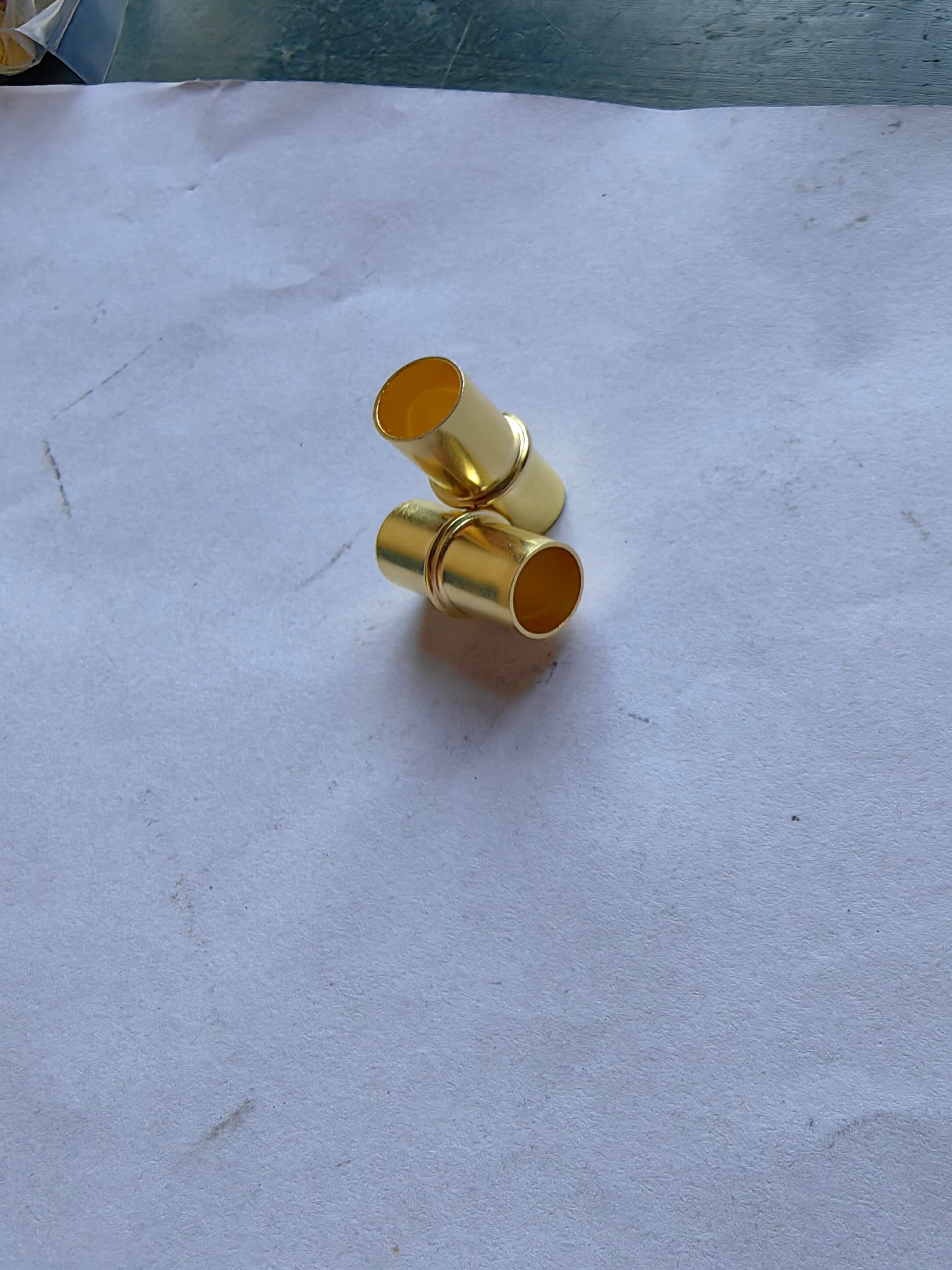
FAQ: Answers to High-Frequency Questions on Stamping Spring Contact Selection
Q1: How to determine whether the manufacturer's equipment meets the requirements?
A: Focus on punch tonnage and precision. For small-batch production (less than 10,000 pieces per run), 30-60 ton punches can be selected; for large-scale production (100,000 pieces or more per run), high-speed punches with a capacity of over 250 tons are required. Additionally, manufacturers should be required to provide equipment calibration reports (e.g., positioning accuracy measured by laser interferometers) to ensure that the actual precision of the equipment meets the nominal values.
Q2: What are the precautions for selecting shrapnel materials?
A: Select materials based on the application scenario:
- General environment: Stainless steel 304 (low cost, moderate corrosion resistance);
- Highly corrosive environment: Stainless steel 316L (containing molybdenum, with salt spray test durability up to 1000 hours);
- High elasticity demand: Beryllium copper C17200 (with a modulus of elasticity twice that of stainless steel, but 30% higher in price);
- Ultra-thin shrapnel: Titanium alloy (thickness can be as low as 0.05 mm, but processing is difficult).
Q3: How to control the procurement cost of spring clips?
A: Optimization can be achieved through the following methods:
- Bulk purchase: When the order quantity for a single purchase is ≥50,000 units, the unit price can be reduced by 15%-20%;
- Simplified design: Reduce non-functional structures on the spring clips (such as redundant chamfers) to decrease mold complexity;
- Long-term cooperation: Sign annual framework agreements with manufacturers, stipulating price fluctuation mechanisms (e.g., linkage with steel prices).
Summary Reference: Core Logic for Selecting Stamping Spring Clips
When selecting a supplier, it is necessary to comprehensively evaluate four key dimensions: equipment capabilities, technical expertise, quality control, and industry experience. Nanpi County Haokai Hardware Products Co., Ltd., equipped with over 30 high-tonnage punching machines, 16 professional technicians, and an ISO9001:2015-certified quality system, can consistently provide high-precision, high-elasticity, and long-lasting spring clip products, particularly suitable for industries with stringent quality requirements such as automotive, home appliances, and electronics. Purchasers can further verify the manufacturer's capabilities through on-site equipment inspections, requesting case samples for testing, and reviewing quality system documentation.