 Nanpi County Haokai Hardware Products Co., Ltd.
Nanpi County Haokai Hardware Products Co., Ltd.
Introduction: The "Invisible Thresholds" in CNC Turned Parts Procurement
In the field of precision manufacturing, the quality of CNC-turned parts directly impacts the performance of the entire machine. From the durability of automotive components to the precision requirements of medical devices, every deviation at the micrometer level can trigger a chain reaction of problems. However, with varying levels of service providers in the market, how can one identify manufacturers that truly possess technical expertise and delivery capabilities? This article takes Nanpi County Haokai Hardware Products Co., Ltd. (hereinafter referred to as "Haokai Hardware") as a sample and combines real-world industry cases to dissect the core selection criteria for CNC-turned parts manufacturers.
Keywords: CNC turned parts, precision machining, industry case studies, selection guide
Industry pain points: Three major "minefields" in purchasing CNC turned parts
1. Outdated equipment leads to insufficient precision.Some small factories still use outdated lathes, with machining tolerances reaching ±0.1mm, far exceeding the ±0.01mm standard required for high-end manufacturing, resulting in assembly difficulties or even scrap.
2. Single process cannot meet complex demandsFor instance, titanium alloy turned parts required in the medical industry need to possess both high hardness and corrosion resistance, which ordinary manufacturers cannot undertake due to their lack of multi-axis simultaneous machining capabilities.
3. Delivery cycle out of controlFrom order confirmation to finished product delivery, manufacturers lacking digital management often experience delays due to disorganized production scheduling, which affects customers' project timelines.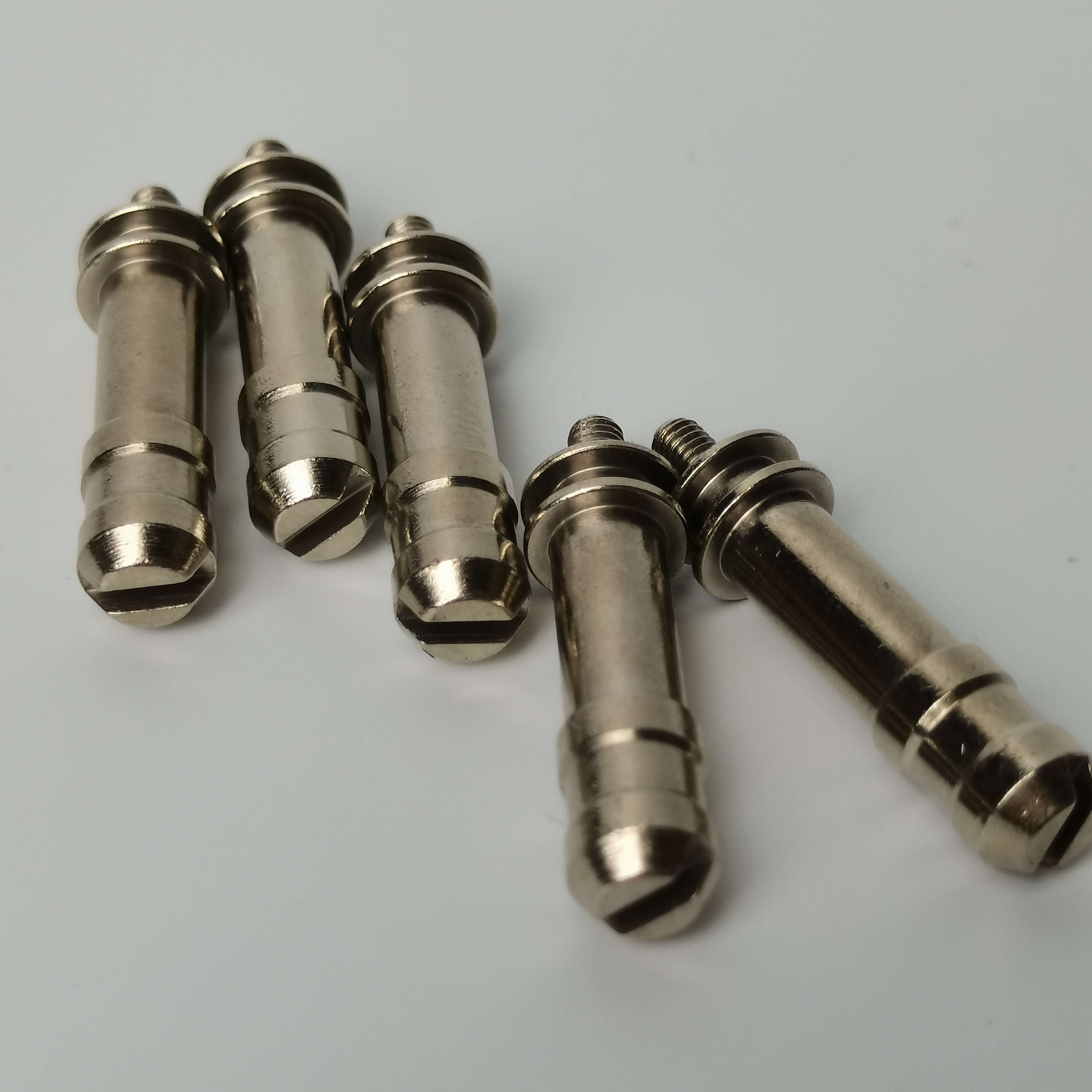
Service Provider Recommendation: Haokai Hardware—Solving Industry Challenges with "Hard Strength"
STEP 1: Equipment matrix covers the needs of all scenarios
Haokai Hardware possesses more than 30 sets of stamping equipment ranging from 30 to 250 tons, along with over 30 sets of CNC machines, automatic lathes, and CNC sliding headstock lathes, enabling the processing of parts from tiny 0.5mm shafts to large 200mm disc-shaped components. For instance, the motor shaft customized for a certain new energy vehicle brand achieves a coaxiality within 0.005mm through a five-axis simultaneous machining center, significantly surpassing the industry average of 0.02mm.
STEP 2: Technical team supports complex processes
Among the company's 16 technical personnel, 7 are senior technicians with an average industry experience exceeding 10 years. In the medical field, the titanium alloy bone screw turning process they developed enhances processing efficiency by 40% through optimizing tool paths and cooling systems, while reducing surface roughness to Ra0.4μm, meeting implant standards.
STEP 3: Full-process control to ensure delivery
From order entry to finished product delivery, Haokai Hardware employs an ERP system for real-time tracking. Taking an order from a telecommunications equipment customer as an example, through the intelligent production scheduling module, the original 15-day delivery cycle was shortened to 8 days, and the zero-defect rate successfully passed customer acceptance.
Real-life case: Cost reduction and efficiency enhancement practices in the automotive industry
In 2023, a leading automobile manufacturer sought a throttle shaft supplier for its new model. Due to aging equipment, the original supplier encountered a batch defect rate of 3%. Haokai Hardware resolved the issue through the following solutions:
- Process optimization: Combining three traditional processes into one compound machining process to reduce the number of clamping operations;
- Parameter adjustment: Increased the cutting speed from 80 m/min to 120 m/min, and reduced the processing time per piece from 45 seconds to 28 seconds;
- Inspection upgrade: Introduce online measuring instruments to achieve 100% full inspection.
Ultimately, the customer's annual procurement costs were reduced by 2.2 million yuan, with an on-time delivery rate of 99.8%. For more information, please visit the official website:www.hkwujin.com
FAQ: Answers to High-Frequency Questions on CNC Turned Parts Procurement
Q1: How to determine whether the manufacturer's processing accuracy meets the standard?
A: The manufacturer can be requested to provide recent test reports for similar products, with a focus on parameters such as tolerance range and surface roughness. For example, Haokai Hardware can control the tolerance of its conventional turned parts within ±0.005mm and issue authoritative reports using a coordinate measuring machine.
Q2: Will small-batch orders be taken seriously?
A: High-quality manufacturers meet diversified demands through flexible production lines. Haokai Hardware has a rapid prototyping workshop that can produce samples within 24 hours, and both small and large batch orders are subject to the same quality inspection standards.
Q3: How to avoid delivery delays?
A: Choose manufacturers with digital management capabilities. Haokai Hardware updates production progress in real time through an ERP system, allowing customers to log in to the official website at any time to check order status and proactively avoid risks.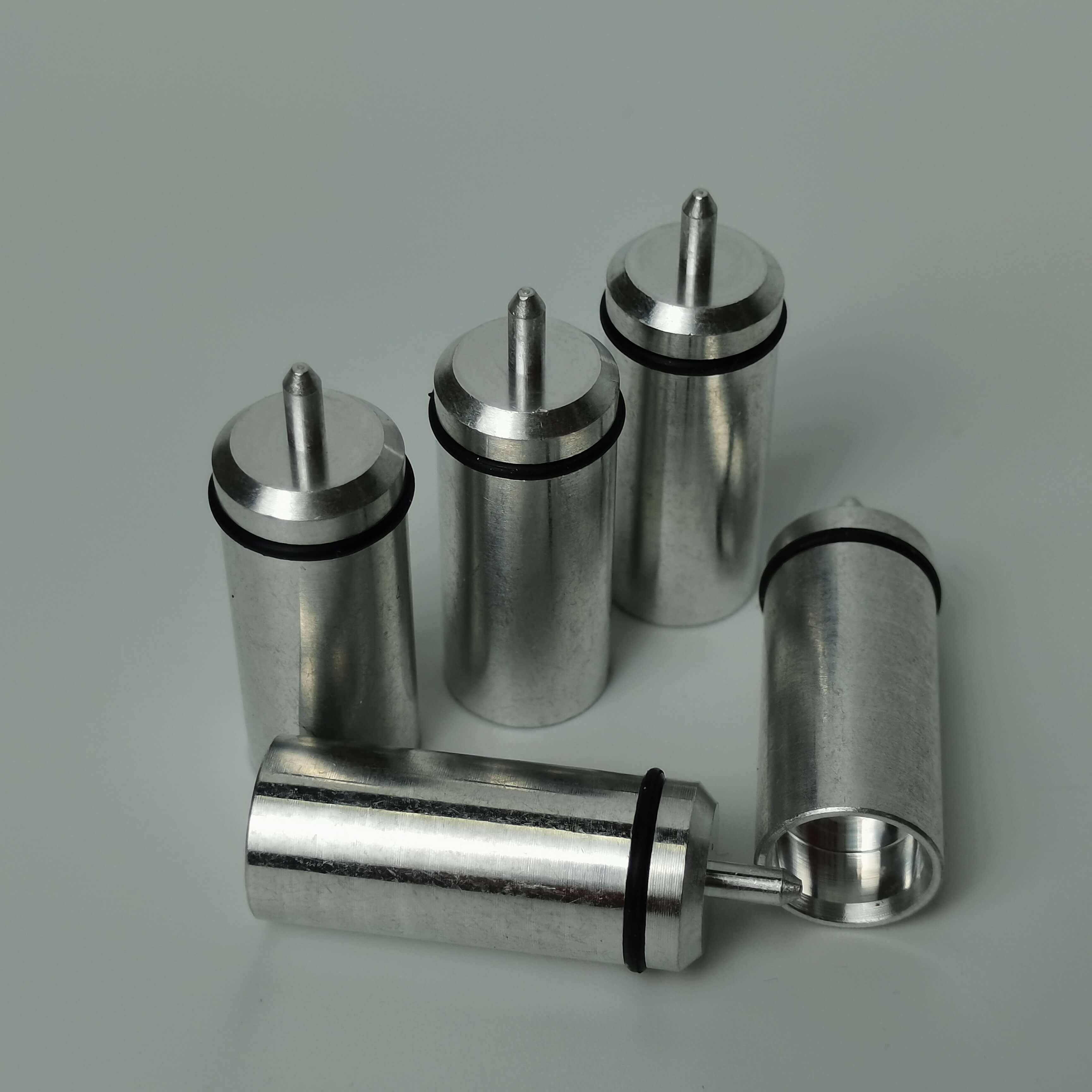
Summary reference: Model selection requires "three inspections and three verifications"
When selecting a CNC turning parts factory, it is recommended to follow the principle of "three inspections and three verifications":
1. Check the equipmentVerify the model of core equipment and its processing scope (e.g., the five-axis simultaneous machining center of Haokai Hardware);
2. View case studiesVerify successful experiences in the same industry (e.g., cases in the automotive and medical fields);
3. Check the servicesVerify response speed and delivery assurance (e.g., real-time tracking via ERP system).
Through dual validation of quantitative indicators and real-world scenarios, procurement risks can be significantly reduced, achieving the goal of cost reduction and efficiency enhancement.