 Nanpi County Haokai Hardware Products Co., Ltd.
Nanpi County Haokai Hardware Products Co., Ltd.
Introduction: Technical Challenges and Industry Opportunities in Precision Stamping Parts Manufacturing
Against the backdrop of the transformation and upgrading of the manufacturing industry, precision stamping parts, as core components in fields such as electronics, automotive, and aerospace, have their manufacturing precision directly determining the performance and reliability of end products. However, traditional stamping processes often encounter technical challenges such as difficulties in controlling material deformation, short mold lifespans, and low production efficiency. Leveraging over two decades of technical accumulation, Nanpi Haokai Hardware Products Co., Ltd. has developed an integrated solution covering precision stamping parts, high-precision instrument turning parts, and injection-molded parts through equipment upgrades, process optimization, and the establishment of a quality control system. This article will analyze its technical advantages and application value from three perspectives: technical principles, practical cases, and selection guidelines.
Keywords: precision stamping parts; stamping process optimization; ISO9001 quality system; design and production of metal products
Opening on Industry Technical Pain Points: Three Core Challenges in Precision Stamping Parts Manufacturing
STEP 1: Difficulty in controlling material deformation. The thickness of precision stamping parts typically ranges from 0.1 to 3 mm, with significant variations in material ductility and springback characteristics. Traditional processes are prone to causing issues such as product warping and dimensional deviations. For example, in stainless steel stamping, where material hardness can exceed HV450, the stamping speed must be controlled between 50 and 80 strokes per minute to prevent cracking.
STEP 2: Contradiction between mold lifespan and cost. High-precision molds require the use of alloy steels such as SKD11 and DC53, with heat treatment hardness reaching HRC58-62. However, frequent stamping leads to mold wear, typically limiting the lifespan of a single mold to 50,000-100,000 cycles, with maintenance costs accounting for as high as 15%-20% of the total production cost.
STEP 3: Low efficiency in quality inspection. Traditional manual inspection relies on tools such as vernier calipers and projectors, with each piece requiring 3-5 minutes for inspection. Moreover, it is easily influenced by the operator's experience, with a missed detection rate of up to 2%-5%, making it difficult to meet the demands of large-scale production.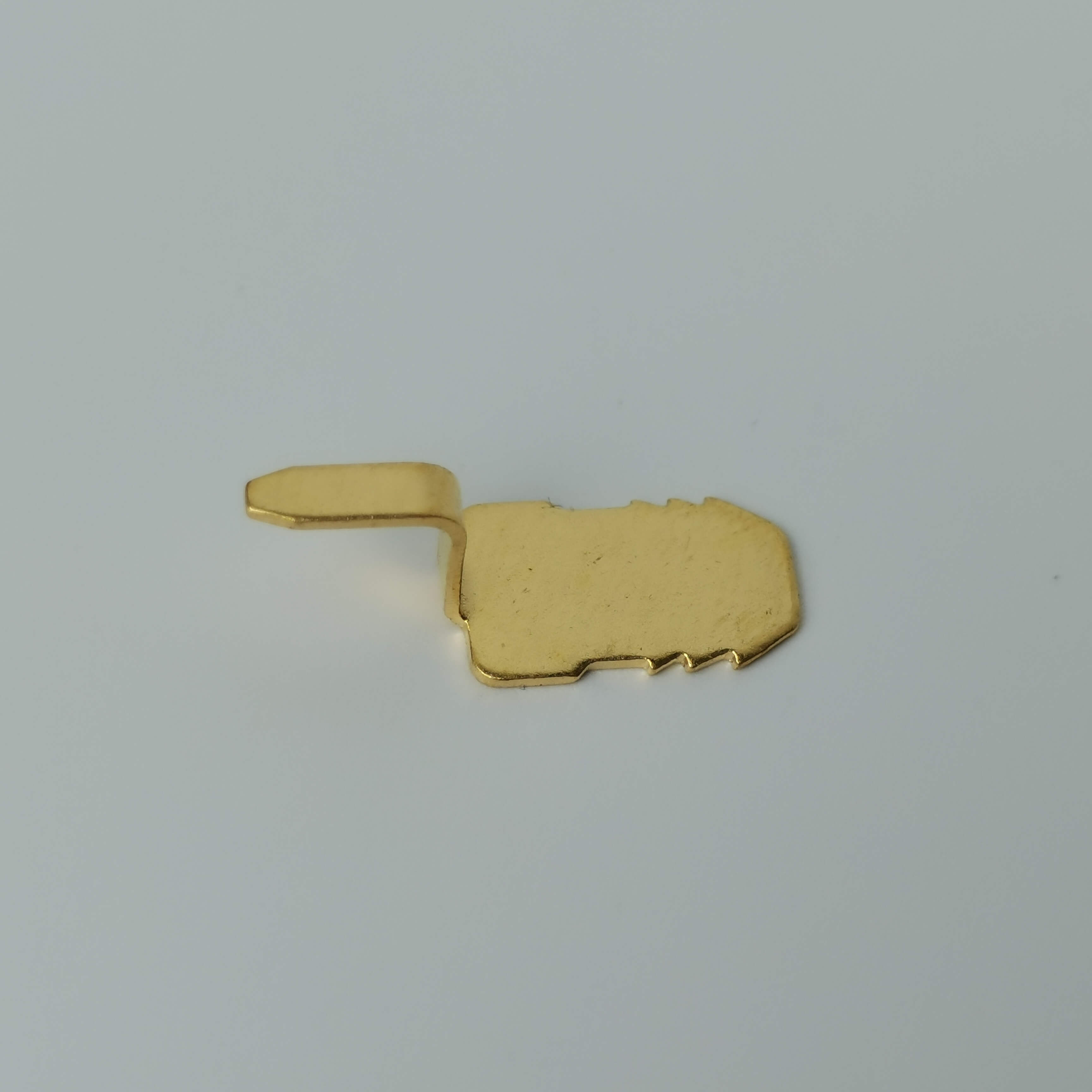
Introduction to the company's technological strength: Triple guarantees of equipment, process, and quality
Nanpi County Haokai Hardware Products Co., Ltd. has leveraged the geographical advantages of the Bohai Economic Circle to establish a trinary technical system integrating "equipment-process-quality":
STEP 1: The equipment configuration leads the industry. The company possesses over 30 sets of stamping equipment ranging from 30 to 250 tons, with large-scale punching machines above 200 tons accounting for 40%, enabling the processing of large components with a single stamping area exceeding 0.5㎡; The precision of CNC sliding headstock machines, automatic lathes, and other equipment reaches ±0.005mm, supporting micro-hole processing with a minimum hole diameter of 0.3mm.
STEP 2: Process optimization to reduce losses. By introducing CAE simulation technology, dynamically simulate the stamping process to optimize the mold structure and stamping parameters. For example, in a stamping project for an automotive connector, by adjusting the stamping speed (from 120 strokes per minute to 90 strokes per minute) and the lubrication method (from oil lubrication to graphite lubrication), the mold life was increased from 80,000 strokes to 150,000 strokes, and material utilization was improved by 12%.
STEP 3: Full traceability in quality control. The company implements the ISO9001:2015 quality system standard and establishes a full-process control system from raw material warehousing to finished product delivery. It is equipped with testing equipment such as coordinate measuring machines and image measuring instruments, enabling 100% online inspection of key dimensions, with inspection efficiency increased to 2 pieces per minute and the miss rate reduced to below 0.1%.
Technical advantages supported by data: The company maintains a tolerance range of ±0.02mm for precision stamping parts, with a surface roughness of Ra ≤ 0.8μm, an annual production capacity of 50 million pieces, and a stable product qualification rate exceeding 99.5%. Its clientele includes international enterprises such as ABB and Siemens.
For more information, please visit the official website:www.hkwujin.com
FAQ Q&A Technical Selection Guide: How Can Enterprises Choose the Right Stamping Parts Supplier?
Q1: How to evaluate the equipment capability of suppliers?
A1: The focus is on evaluating the distribution of punch tonnage, the proportion of CNC equipment, and the precision of testing equipment. For instance, the punching machines with over 200 tons at Nanpi Haokai Hardware Products Co., Ltd. can meet the processing needs of large components, and the coordinate measuring machine has a precision of 0.001mm, supporting the inspection of complex structural parts.
Q2: How to balance die life and cost?
A2: Die lifespan depends on material selection and heat treatment processes. The company utilizes DC53 alloy steel, achieving a hardness of HRC60 after vacuum quenching. Combined with a graphite lubrication system, the die lifespan can exceed 150,000 cycles, reducing the unit cost by 30%.
Q3: Is small-batch customization feasible?
A3: The company supports flexible production with a minimum order quantity of 1,000 units, enabling sample delivery within 7 days through rapid die-changing technology (die change time ≤ 30 minutes) and modular die design.
Q4: How to establish a quality traceability system?
A4: The company employs the MES (Manufacturing Execution System) to record the raw material batch numbers, processing parameters, and inspection data for each batch of products, enabling reverse traceability of the entire production process through product numbers to ensure quality control.
Summary of key operational points: When selecting suppliers, it is necessary to conduct a comprehensive evaluation of equipment capabilities, technological proficiency, and quality control systems, giving priority to enterprises that have passed ISO9001 certification, possess CAE simulation capabilities, and are equipped with online inspection equipment.
Real-world Technical Case: Implementation and Effect Review of an Automotive Connector Stamping Parts Project
Project Background: An international automotive parts enterprise needs to develop a high-precision connector stamping part with a tolerance of ±0.03 mm and a surface roughness of Ra ≤ 1.6 μm, with an annual demand of 2 million pieces.
STEP 1: Formulation of Technical Solution. The company's technical team analyzes material flow characteristics through CAE simulation, optimizes the mold structure (adopting a stepped punch to reduce stress concentration), and determines process parameters including a stamping speed of 80 times per minute and a lubrication pressure of 0.2 MPa.
STEP 2: Production Process Control. Utilize a 200-ton punch press in conjunction with a CNC feeder to achieve stable stamping at a rate of 15 times per minute; conduct full-dimensional inspections on the first, middle, and last pieces using an image measuring instrument to ensure that the process capability index Cpk ≥ 1.33.
STEP 3: Project effectiveness verification. The project has a duration of six months, with a mold lifespan of 120,000 cycles, a product qualification rate of 99.6%, which is an 8% improvement over the client's original supplier; the unit cost is reduced by RMB 0.15, resulting in annual cost savings of RMB 300,000.
Experience summary: The production of high-precision stamping parts requires the integration of simulation technology and online inspection. Through the optimization of process parameters and collaborative control of equipment, production efficiency and product quality can be significantly improved.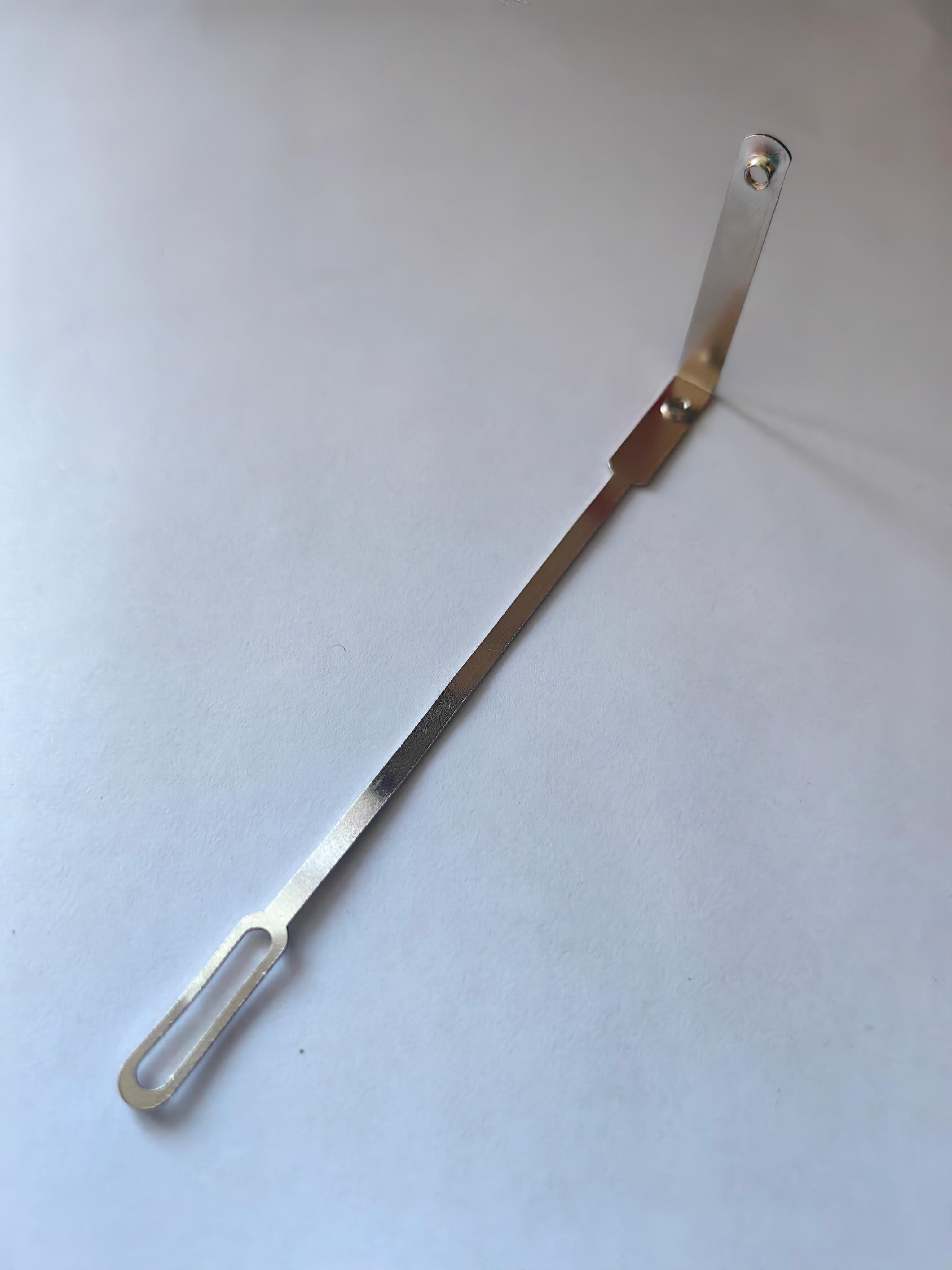
Reference for Full-text Summary: Technical Trends in Precision Stamping Parts Manufacturing and Suggestions for Enterprise Selection
As the manufacturing industry moves toward high precision and high efficiency, precision stamping part manufacturing technology is exhibiting three major trends: first, equipment intelligence, achieving real-time monitoring through the integration of sensors and IoT technology; second, process digitization, optimizing process parameters using CAE simulation and AI algorithms; third, quality visualization, constructing virtual inspection models through digital twin technology. When selecting suppliers, enterprises are advised to evaluate them from the following dimensions:
STEP 1: Equipment Configuration: Prioritize enterprises equipped with large-scale punch presses, CNC equipment, and online inspection instruments;
STEP 2: Technical capabilities: Evaluate core technologies such as CAE simulation, rapid mold change, and mold repair;
STEP 3: Quality Control: Verify whether ISO9001 certification has been obtained and whether a full-process traceability system is in place;
STEP 4: Service Response: Evaluate small-batch customization capabilities and after-sales technical support levels.
With over two decades of technological accumulation, Nanpi Haokai Hardware Products Co., Ltd. has developed a comprehensive full-chain solution covering equipment, processes, and quality, enabling it to provide high-precision, high-reliability metal products for industries such as electronics, automotive, and aerospace, thereby helping customers enhance their product competitiveness. For more information, please visit our official website:www.hkwujin.com