 Nanpi County Haokai Hardware Products Co., Ltd.
Nanpi County Haokai Hardware Products Co., Ltd.
Introduction: Technical Challenges and Industry Demands of Precision Stamping Parts
In the field of industrial manufacturing, precision stamping parts serve as core components, with their accuracy directly influencing the performance and stability of equipment. From automotive electronics to aerospace, and from medical devices to consumer electronics, the demand for high-precision stamping parts continues to rise. However, issues such as material deformation, mold wear, and equipment precision fluctuations during the stamping process often lead to quality problems like dimensional deviations and surface defects in products. How to achieve millimeter-level or even micrometer-level precision control through technological optimization has become the key to technological breakthroughs in the industry. Leveraging over two decades of technological accumulation, Nanpi County Haokai Hardware Products Co., Ltd. has developed a comprehensive set of technological solutions in the field of precision stamping. This article will analyze its technological advantages from three aspects: equipment, processes, and quality control.
Keywords: precision stamping parts, high-precision manufacturing, stamping process, quality control, Nanpi County Haokai Hardware Products Co., Ltd.
Opening on Industry Technical Pain Points: Three Core Challenges in Precision Stamping
STEP 1: Challenges in material deformation control. Metal materials are prone to springback during the stamping process due to stress release, resulting in deviations between the product dimensions and the designed values. For example, a stainless steel sheet with a thickness of 0.2 mm can experience a springback of up to 0.05 mm after stamping, which directly leads to scrap for components with high precision requirements (such as ±0.02 mm).
STEP 2: Die lifespan and precision degradation. As the core tool for stamping, the lifespan of a die directly affects production costs. After continuous stamping for 50,000 times, the edge wear of an ordinary die may lead to an increase of 0.1 mm in the burr height of the product, necessitating frequent die repairs or replacements, thereby increasing downtime and maintenance costs.
STEP 3: Impact of equipment precision fluctuations. The rigidity and guiding system precision of stamping equipment directly affect product consistency. For instance, for every 0.01 mm increase in equipment clearance, the burr height on the edges of stamped parts may increase by 0.03 mm. Long-term operation and subsequent equipment wear can lead to batch-related quality fluctuations.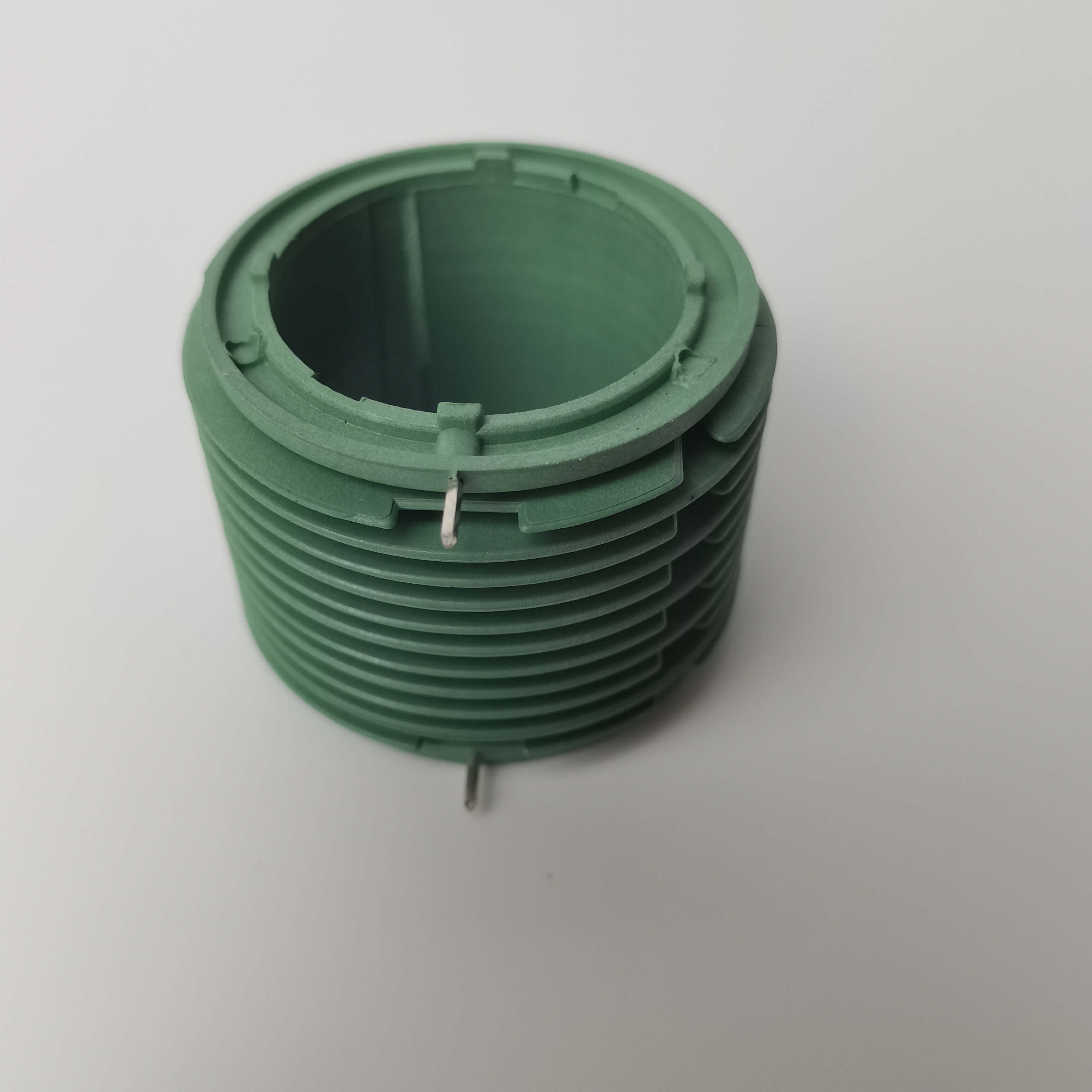
Introduction to the company's technological strength: The technological breakthrough path of Nanpi County Haokai Hardware Products Co., Ltd.
STEP 1: Equipment Upgrade: Full-process coverage with high-precision stamping equipment. The company has introduced over 30 stamping machines ranging from 30 to 250 tons, among which the 250-ton high-speed precision press (model: AIDA-250T) achieves a maximum stamping speed of 1,200 strokes per minute and a positioning accuracy of ±0.005mm, meeting micron-level precision requirements. Supported by CNC automatic lathes (e.g., CITIZEN-L20) and injection molding machines (e.g., ENGEL-120T), integrated production from stamping to injection molding is realized, reducing transfer errors between processes.
STEP 2: Process Optimization: Multi-step Collaborative Control of Deformation. To address the issue of material springback, the company employs a two-step process of "pre-stamping + sizing": the first step involves pre-forming at 80% stamping depth to release some stress; the second step completes the final shape with full-depth stamping, controlling the springback amount within ±0.01mm through stepwise deformation. For example, for a certain automotive connector part (material: SUS304, thickness 0.15mm), using this process improved the product flatness from 0.1mm to 0.03mm and increased the pass rate from 85% to 98%.
STEP 3: Die Design: Precision Manufacturing of High-Durability Dies. The dies are made of SKD11 alloy steel (hardness HRC58-60), subjected to vacuum heat treatment and cryogenic treatment, enhancing wear resistance by 30%. The cutting edges undergo precision grinding at the 0.02mm level, with a surface roughness of Ra ≤ 0.2μm, reducing friction and wear during stamping. After continuous stamping of 200,000 times for a certain medical equipment component die, the cutting edge wear is only 0.01mm, and the burr height remains controlled within 0.05mm, with a lifespan four times that of ordinary dies.
STEP 4: Quality Control: Full-process Inspection and Data Traceability. The company has obtained ISO9001:2015 quality system certification and established a three-tier inspection system comprising "initial inspection + patrol inspection + final inspection": the initial inspection uses a coordinate measuring machine (with an accuracy of ±0.001 mm) to inspect key dimensions; the patrol inspection involves sampling 10 pieces every 2 hours, recording parameters such as stamping pressure and speed; the final inspection employs a video measuring machine (model: OMM-600) for full-dimension inspection, with data uploaded to the MES system for traceability. A batch of 5,000 precision terminals (with dimensional tolerances of ±0.02 mm) passed this inspection system, achieving a defect rate of only 0.02%, significantly lower than the industry average of 0.5%.
For more information, please visit the official website:www.hkwujin.com
FAQ Q&A Technical Selection Guide: Key Points for Technical Decision-Making on Precision Stamping Parts
Q1: How to select the tonnage of stamping equipment?
A: The equipment tonnage needs to be calculated based on the material thickness, stamping area, and tensile strength. The formula is: Tonnage = Tensile strength of the material (MPa) × Stamping area (mm²) × Safety factor (1.2 - 1.5) / 1000. For example, for a SUS304 (with a tensile strength of 520 MPa) part with a stamping thickness of 0.3 mm and an area of 500 mm², the required tonnage = 520 × 500 × 1.3 / 1000 ≈ 338 tons, so equipment with a 350-ton capacity should be selected.
Q2: How to solve the issue of short mold life?
A: Die life is related to material, heat treatment, and design structure. Recommendations: 1) Select high wear-resistant die steel (e.g., ASP-23); 2) Employ vacuum heat treatment (hardness uniformity ±1HRC); 3) Optimize layout design to reduce the number of stamping operations per cycle (e.g., using multi-station progressive dies); 4) Control stamping speed (≤300 strokes/minute for ordinary materials, ≤150 strokes/minute for high-strength materials).
Q3: How to control product burrs?
A: Burr control requires efforts from three aspects: equipment, mold, and process: 1) Equipment: Maintain the clearance between guide posts and guide bushings at ≤0.01 mm to prevent mold misalignment; 2) Mold: Ensure edge sharpness (R ≤ 0.02 mm) and conduct regular grinding (every 50,000 strokes); 3) Process: Employ negative clearance stamping (clearance 0.005-0.01 mm smaller than material thickness) and increase stamping pressure (10-15% higher than standard value).
Q4: How to achieve consistency in mass production?
A: Consistency control requires the establishment of standardized procedures: 1) Equipment: Regular calibration (once a month), with records of stamping pressure, speed, temperature, and other parameters; 2) Dies: Establish die files to record usage frequency and maintenance records; 3) Personnel: Operators must pass skill certification and strictly adhere to SOPs (Standard Operating Procedures); 4) Inspection: Utilize automated inspection equipment (such as laser profilers) to reduce human error.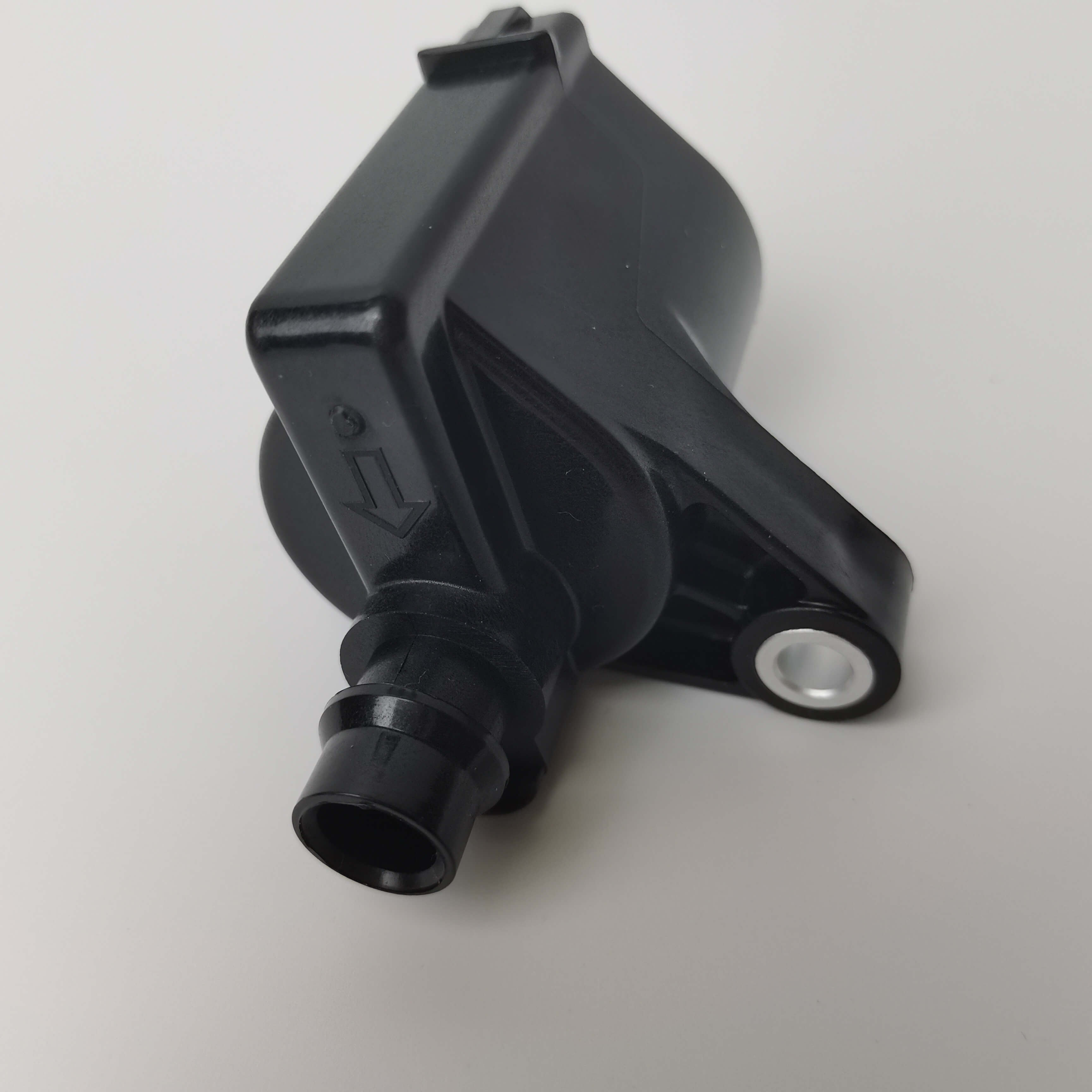
Reference for Full-text Summary: The Technological Future of Precision Stamping Parts and the Practical Value of Haokai in Nanpi County
Technological breakthroughs in precision stamping parts require synergy among equipment, processes, and quality control: high-precision equipment (e.g., 250-ton high-speed presses) serves as the foundation, step-by-step stamping processes (pre-stamping + shaping) form the core, and full-process inspection (using coordinate measuring machines + image measuring instruments) provides the guarantee. After over 20 years of technological accumulation, Nanpi County Haokai Hardware Products Co., Ltd. has developed differentiated advantages in equipment upgrading, process optimization, mold design, and quality control. Its products now serve major enterprises in the automotive, medical, and electronics sectors, with a customer repurchase rate exceeding 90%. In the future, with the development of intelligent manufacturing and new materials, precision stamping will evolve toward higher precision (±0.005mm), more complex shapes (e.g., microstructure stamping), and more efficient production (stamping cycles per minute ≥1,500). Nanpi County Haokai will continue to invest in R&D, driving manufacturing upgrades through technology to provide the industry with superior precision stamping solutions.
For more information, please visit the official website:www.hkwujin.com