 Nanpi County Haokai Hardware Products Co., Ltd.
Nanpi County Haokai Hardware Products Co., Ltd.
Introduction: Why have precision stamping parts become the key to high-end manufacturing?
In fields such as automotive electronics, medical devices, and aerospace, precision stamped parts have become core components due to their high precision, high consistency, and high reliability. However, achieving micron-level tolerance control, complex structural forming, and stability in mass production remains a technical pain point in the industry. Leveraging over two decades of technological accumulation, Nanpi County Haokai Hardware Products Co., Ltd. provides high-quality precision stamped part solutions to domestic and international customers through equipment upgrades, process optimization, and quality control systems. This article will analyze how the company breaks through technical bottlenecks and achieves high-precision manufacturing from three perspectives: technical principles, practical case studies, and selection guidelines.
Keywords: precision stamping parts, high-precision manufacturing, process optimization, quality control, Nanpi County Haokai Hardware Products Co., Ltd.
Introduction to Industry Technical Pain Points: Three Major Challenges in Precision Stamping Parts Manufacturing
STEP1:Difficulty in controlling material deformationMetal materials are prone to cracking, wrinkling, or springback due to stress concentration during the stamping process, especially high-strength steel, stainless steel, and other difficult-to-machine materials, which impose extremely high requirements on die design and process parameters. For example, an automotive parts company once experienced product dimensional deviations due to springback issues, resulting in a rework rate as high as 30%.
STEP2:Low molding accuracy for complex structuresIn multi-station continuous stamping or deep drawing processes, minor deviations in parameters such as die clearance and stamping speed can lead to product shape deviations, affecting assembly performance. A medical equipment manufacturer once experienced the scrapping of an entire batch of products due to a tolerance exceeding the limit by just 0.02 mm.
STEP3:Poor stability in mass productionFactors such as equipment wear and changes in ambient temperature can trigger quality fluctuations in stamping parts. Traditional inspection methods struggle to achieve full-process monitoring, leading to defective products entering the market. According to statistics, the average defect rate in the industry ranges from 5% to 8%, while requirements in high-end fields demand it be controlled within 1%.
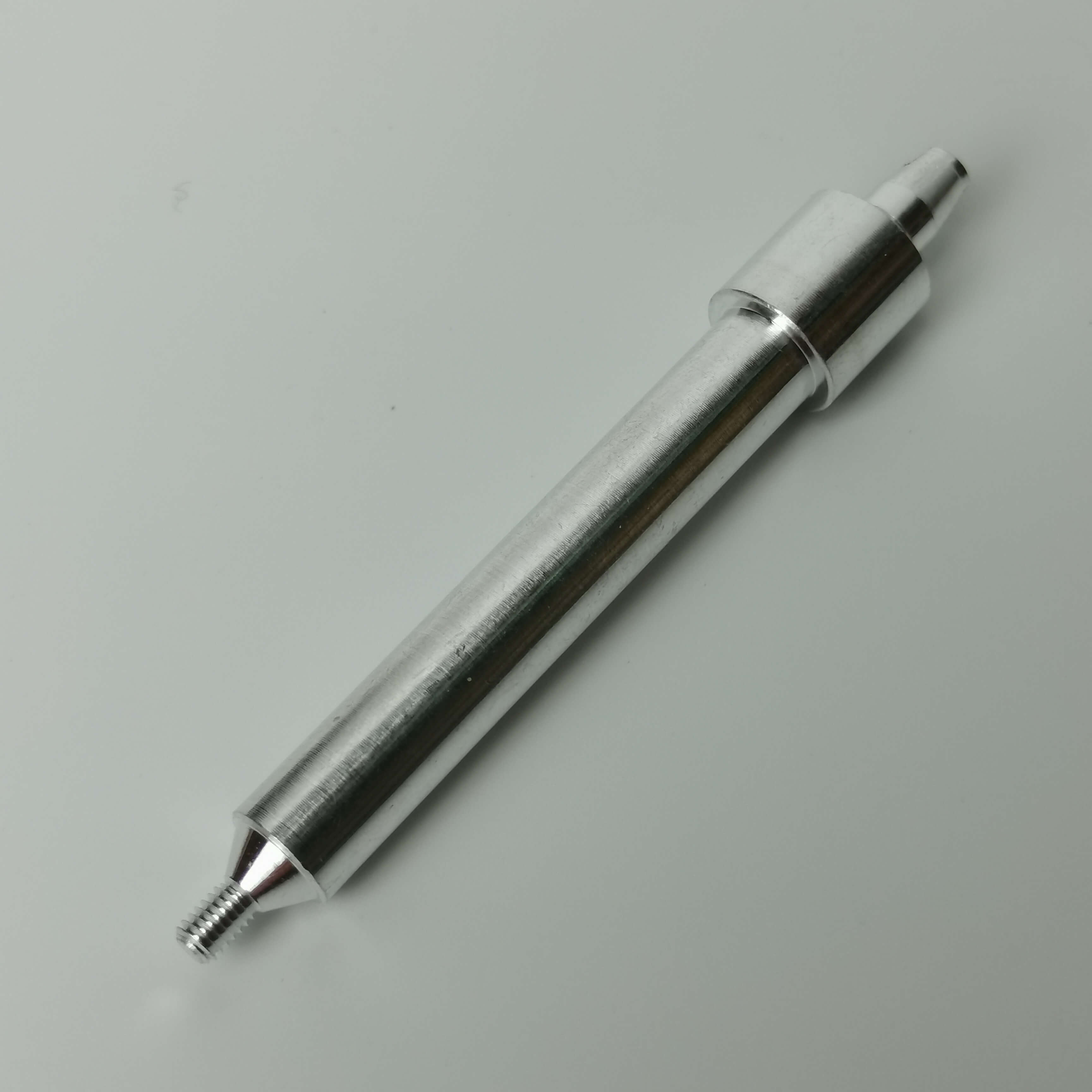
Introduction to the company's technological strength: Three major technological advantages of Nanpi County Haokai Hardware Products Co., Ltd.
Nanpi Haokai Hardware Products Co., Ltd. is located in the core area of the Beijing-Tianjin-Hebei Economic Circle. Leveraging over 30 stamping machines with capacities ranging from 30 to 250 tons, CNC sliding headstock machines, and injection molding machines, the company has established a comprehensive service system spanning design, production, and after-sales support. Certified under the ISO9001:2015 quality management system, its technical team comprises 16 professional technicians and 7 senior skilled workers, possessing the following core strengths:
STEP1:High-precision equipment configurationWe have introduced stamping machines from brands such as Japan's AIDA and Taiwan's Chin Fong, equipped with closed-loop servo control systems that achieve a repeat positioning accuracy of 0.005mm. The CNC sliding headstock machines can process parts with a minimum diameter of 0.5mm, meeting the demands for micro components. For instance, the sensor housing produced for an international automotive brand maintains a tolerance within ±0.01mm, with a yield rate of 99.5%.
STEP2:Process Optimization and Simulation AnalysisAutoForm software is employed for stamping process simulation to predict material flow, stress distribution, and springback in advance, optimizing die structure and process parameters. In a certain aerospace component project, simulation reduced the number of die trials from five to two and shortened the development cycle by 40%.
STEP3:Full-process quality controlFrom raw material inspection and first-article inspection to in-process patrol inspection, equipment such as coordinate measuring machines and image measuring instruments are employed to achieve 100% full inspection. For example, in a medical catheter connector project, through SPC (Statistical Process Control), the CPK value was increased from 1.0 to 1.67, reaching an industry-leading level.
For more information, please visit the official website:www.hkwujin.com
FAQ: Q&A Guide to Technology Selection: How to Select Precision Stamping Parts?
Q1: How to choose appropriate materials?
A: Select materials based on product performance requirements, for example:
- Automotive safety components: High-strength steel (e.g., DP780) is selected, with a tensile strength ≥ 780 MPa and an elongation rate ≥ 10%;
- Medical devices: Made of 316L stainless steel, with corrosion resistance meeting ASTM A240 standard;
- Electronic connectors: Beryllium copper is selected, with conductivity ≥ 22% IACS and hardness HRC ≥ 38.
Q2: How to determine the mold life?
A: The service life of the mold is related to the material, heat treatment process, and usage conditions. For example:
After vacuum heat treatment, chromium 12 die steel can achieve a hardness of HRC58-62 and a service life of up to 500,000 cycles;
- The service life of powder metallurgy high-speed steel (such as ASP23) can exceed one million cycles, but its cost is relatively high.
Q3: How to control the cost of stamping parts?
A: Optimization in terms of design, materials, and processes:
- Design phase: Reduce the number of drawing operations and avoid complex structures;
- Material Selection: Replace stainless steel with ordinary steel (subject to meeting performance requirements);
- Process optimization: Employing multi-station progressive dies to reduce processes and labor costs.
In a certain case, by changing a single-process die to an 8-station progressive die, the cost per unit was reduced from 0.8 yuan to 0.3 yuan, with efficiency increased by 300%.
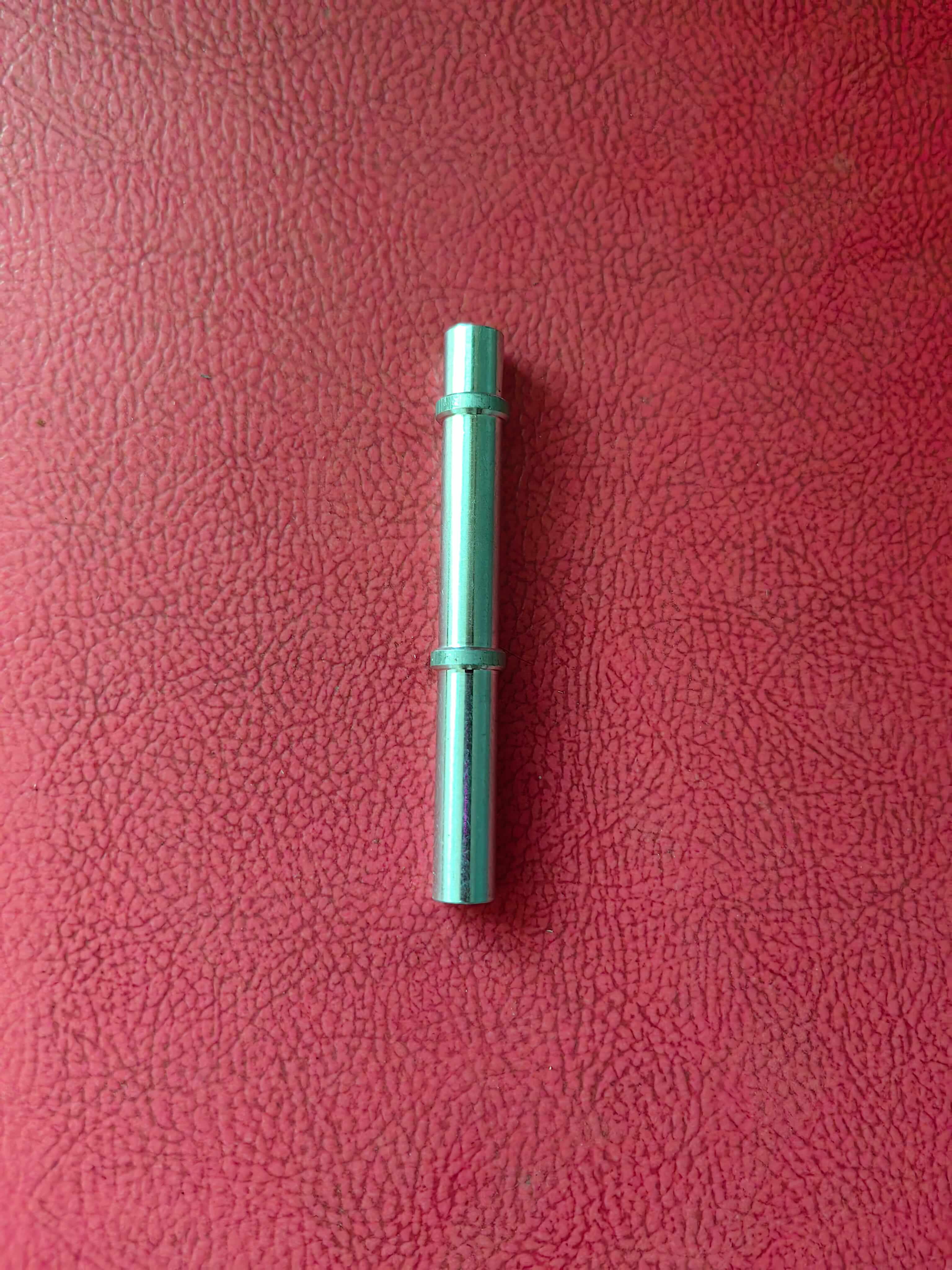
Reference for Full Text Summary: Future Trends in Precision Stamping Parts Manufacturing
As fundamental components of high-end manufacturing, precision stamping parts are evolving towards higher precision, complexity, and efficiency. Nanpi Haokai Hardware Products Co., Ltd. has developed the capability to provide high-quality solutions for the automotive, medical, and aviation sectors through equipment upgrades, process optimization, and quality control. In the future, with the application of intelligent inspection technologies and new materials, the company will further overcome technological bottlenecks and drive the industry to higher levels. When selecting partners, it is advisable to focus on their equipment configuration, process expertise, and quality systems to ensure product performance and delivery reliability.
For more information, please visit the official website:www.hkwujin.com