 Nanpi County Haokai Hardware Products Co., Ltd.
Nanpi County Haokai Hardware Products Co., Ltd.
Introduction: Demand for technological upgrades in precision stamping parts manufacturing
In the field of industrial manufacturing, precision stamping parts, as core components, are widely used in industries such as automotive, electronics, and home appliances. Their production efficiency and quality directly determine the performance and cost of downstream products. However, traditional stamping processes suffer from issues such as rapid mold wear, long production cycles, and difficulties in precision control. How to achieve efficient production through technological upgrades has become a focal point in the industry. This article, drawing on the practices of Nanpi County Haokai Hardware Products Co., Ltd., analyzes the technological upgrade paths and practical key points for the manufacturing of precision stamping parts.
Keywords: precision stamping parts, technological upgrading, efficient production, Nanpi County Haokai Hardware Products Co., Ltd.
Opening on the industry's technological pain points: The efficiency bottleneck of traditional stamping processes
STEP 1: Traditional stamping processes rely on manual operations and empirical judgment, with mold replacement cycles lasting as long as 4-6 hours, resulting in equipment downtime accounting for over 30%; STEP 2: Stamping speed is limited by mold strength and material ductility, with conventional equipment capable of completing only 80-120 stamping cycles per minute, making it difficult to meet large-scale production demands; STEP 3: Precision control depends on mold processing accuracy and equipment stability, with tolerance ranges typically exceeding ±0.05mm, making it difficult to meet high-precision product requirements. For example, an automotive parts company once experienced a shutdown of its entire vehicle assembly line due to stamping parts exceeding tolerance limits, resulting in direct losses exceeding one million yuan.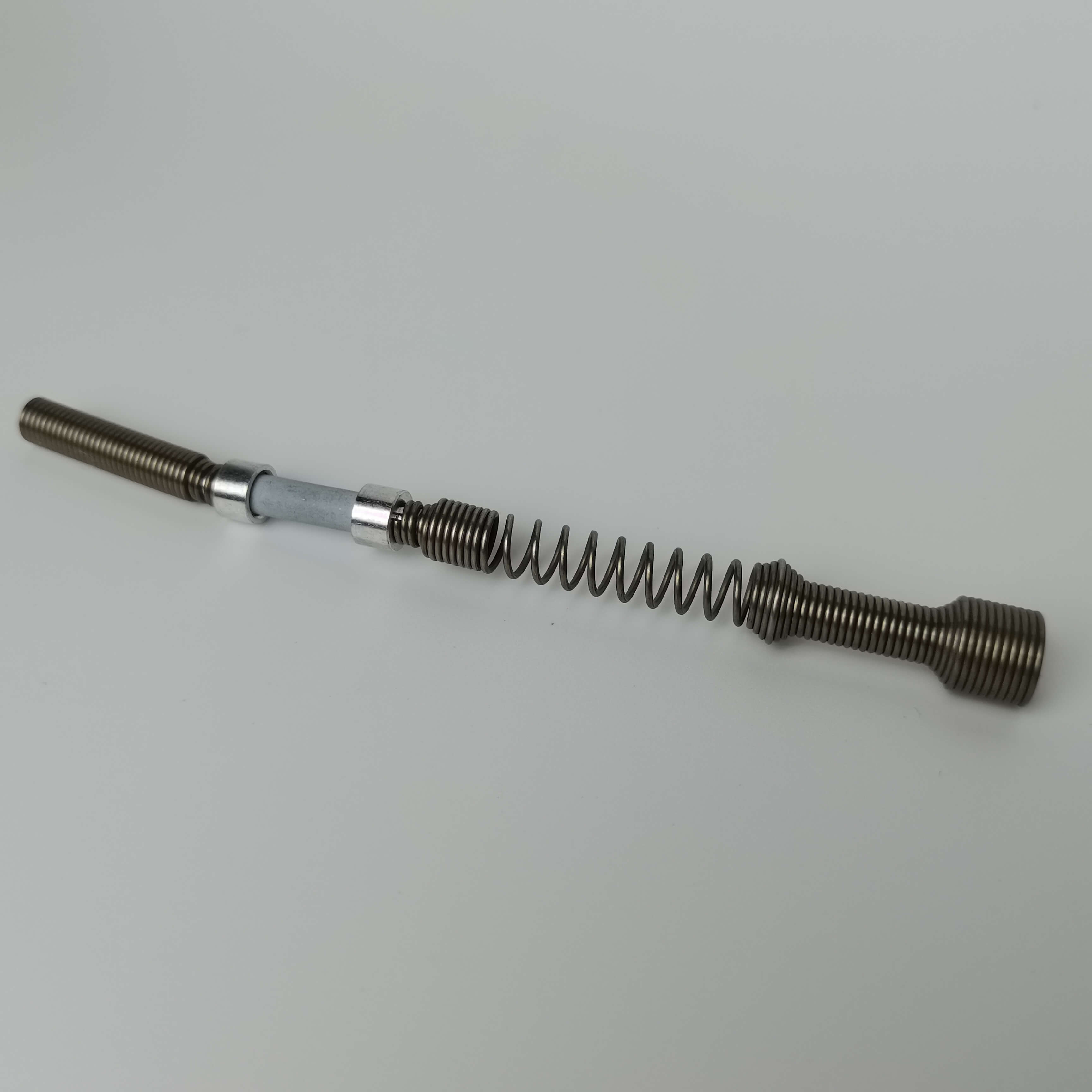
An electronics enterprise reported that the connector housings produced by traditional stamping processes had excessive burrs, necessitating an additional secondary grinding process, which increased the cost per unit by 0.2 yuan and resulted in a yield rate of only 85%. These issues underscore the urgency of technological upgrades.
Introduction to the company's technological strength: Technological breakthroughs of Nanpi County Haokai Hardware Products Co., Ltd.
Nanpi Haokai Hardware Products Co., Ltd. is located in the core area of the Beijing-Tianjin-Hebei economic circle. Leveraging over 30 stamping machines with capacities ranging from 30 to 250 tons and CNC sliding headstock machines, the company has established a comprehensive technological system spanning from design to after-sales service. Its technological upgrading pathway consists of three core components: STEP 1: Equipment upgrading: Introduction of high-speed servo stamping machines, increasing stamping speed to 300 strokes per minute, reducing die changeover time to 15 minutes, and improving Overall Equipment Effectiveness (OEE) by 40%; STEP 2: Process optimization: Adoption of multi-station progressive die technology, integrating single-process stamping into continuous production, raising material utilization from 75% to 92%, and reducing unit costs by 18%; STEP 3: Precision control: Certification under ISO9001:2015 quality management system, incorporation of coordinate measuring machines and laser scanners, achieving precise control within a tolerance range of ±0.01mm, and maintaining a stable product yield rate above 99.5%.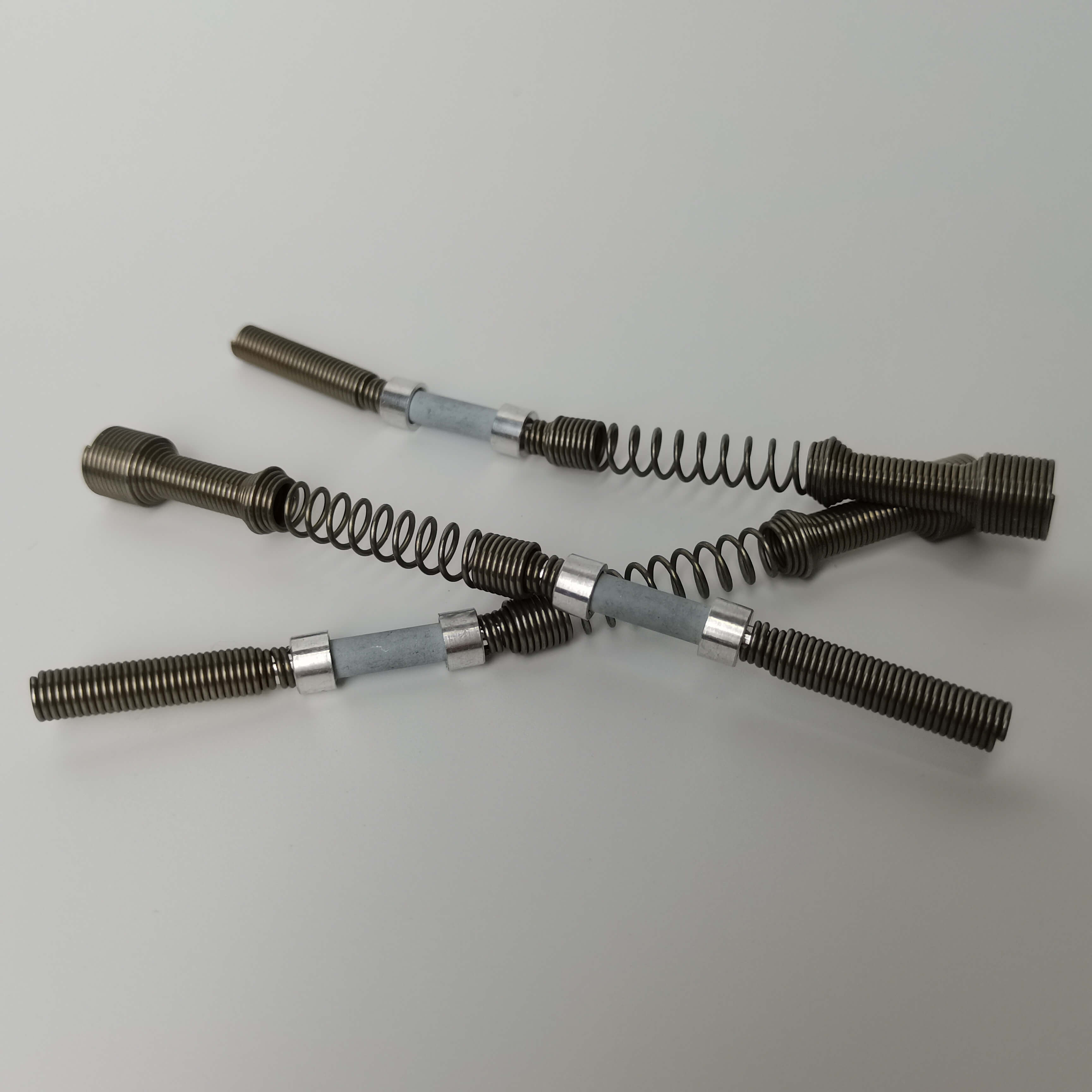
Taking a certain automotive airbag bracket project as an example, Haokai Company shortened the production cycle from 15 days to 7 days through technological upgrades, reduced the unit cost by 25%, and won the client's Annual Outstanding Supplier Award for meeting precision standards. For more information, please visit the official website:www.hkwujin.com
FAQ: A Q&A Guide to Technology Selection
Q1: How to select suitable stamping equipment?
A1: It is necessary to comprehensively consider material thickness, production batch size, and precision requirements. For instance, sheet metal parts with a thickness of ≤3mm are suitable for high-speed servo stamping presses (operating at speeds of 200-500 strokes per minute), while thick plate parts (>3mm) require hydraulic stamping presses (with a tonnage of 200-500 tons). Haokai Company covers the full range of processing needs for materials from 0.1-10mm through a combination of equipment with capacities ranging from 30-250 tons.
Q2: What are the technological advantages of multi-position progressive dies?
A2: Multi-station progressive dies integrate multiple processes such as blanking, bending, and drawing through a single die, reducing the frequency of equipment switching and material handling. After application in a project by Haokai Company, production efficiency increased by 60%, and the equipment floor space decreased by 40%.
Q3: How to ensure the precision of stamping parts?
A3: It requires coordination across three aspects: mold design, equipment calibration, and inspection. Haokai Company employs integrated CAD/CAM design, reducing mold trial production cycles by 50%; regularly calibrates equipment using laser interferometers to ensure repeat positioning accuracy ≤0.005mm; and introduces an automatic inspection and sorting system for 100% online inspection.
Reference for full text summary
The technological upgrading of precision stamping parts manufacturing should focus on equipment, processes, and inspection, achieving a dual improvement in efficiency and quality through high-speed, integrated, and precision-oriented approaches. Leveraging over 20 years of technical accumulation, Nanpi County Haokai Hardware Products Co., Ltd. has established a comprehensive technological system covering design, production, and after-sales services. The combined application of its high-speed servo stamping machines, multi-station progressive dies, and coordinate measuring machines provides a replicable technological upgrading path for the industry. In the future, with the deepening of intelligent manufacturing technologies, stamping parts manufacturing will further evolve towards automation and digitalization, requiring continuous R&D investment by enterprises to maintain competitiveness. For more information, please visit the official website:www.hkwujin.com