 Nanpi County Haokai Hardware Products Co., Ltd.
Nanpi County Haokai Hardware Products Co., Ltd.
Introduction: Technical Challenges and Industry Demands of Precision Stamping Parts
In the field of industrial manufacturing, precision stamping parts, as core components, are widely used in industries such as automotive, electronics, and aerospace. Their production process involves multiple stages, including material selection, mold design, and stamping process control, where any minor deviation can result in non-conforming products. Leveraging over two decades of technical expertise, Nanpi County Haokai Hardware Products Co., Ltd. has successfully addressed production challenges associated with high-precision stamping parts featuring complex structures by introducing advanced equipment, optimizing process flows, and establishing a rigorous quality control system, thereby providing reliable supporting products for large domestic and foreign enterprises. This article will analyze how Haokai Hardware achieves efficient production of precision stamping parts from the perspectives of technical principles, equipment configuration, and process optimization.
Keywords: precision stamping parts, high-precision production, mold design, quality control, Nanpi County Haokai Hardware Products Co., Ltd.
Opening on Industry Technical Pain Points: Three Major Challenges in Precision Stamping Parts Production
The production of precision stamping parts faces multiple technical challenges, with the most critical ones including material deformation control, mold life management, and dimensional accuracy assurance.
STEP 1: Material Deformation ControlMetal materials are prone to issues such as springback and cracking during the stamping process, especially high-strength steel, stainless steel, and other materials, which have high elastic moduli and significant deformation resistance, demanding extremely precise control of process parameters. For example, in the stamping of automotive connectors, where the material thickness is only 0.2 mm, excessive stamping speed or insufficient lubrication can easily lead to product cracking, with a scrap rate exceeding 30%.
STEP 2: Mold Life ManagementThe die is the core tool for stamping production, and its service life directly affects production costs and delivery cycles. Wear of dies with complex structures primarily occurs at the cutting edges of the punch and die. If the material hardness is improperly selected or there are defects in the heat treatment process, the die's service life may be reduced to below 50,000 cycles, far below the industry average standard of 200,000 cycles.
STEP 3: Dimensional Accuracy AssuranceThe dimensional tolerances of precision stamping parts typically require being within ±0.01 mm, imposing extremely high demands on equipment precision, mold manufacturing, and environmental control. For example, in the stamping of electronic components, if the equipment lacks sufficient rigidity or the mold clearance is uneven, product dimensional variations may exceed 0.02 mm, rendering assembly with downstream components impossible.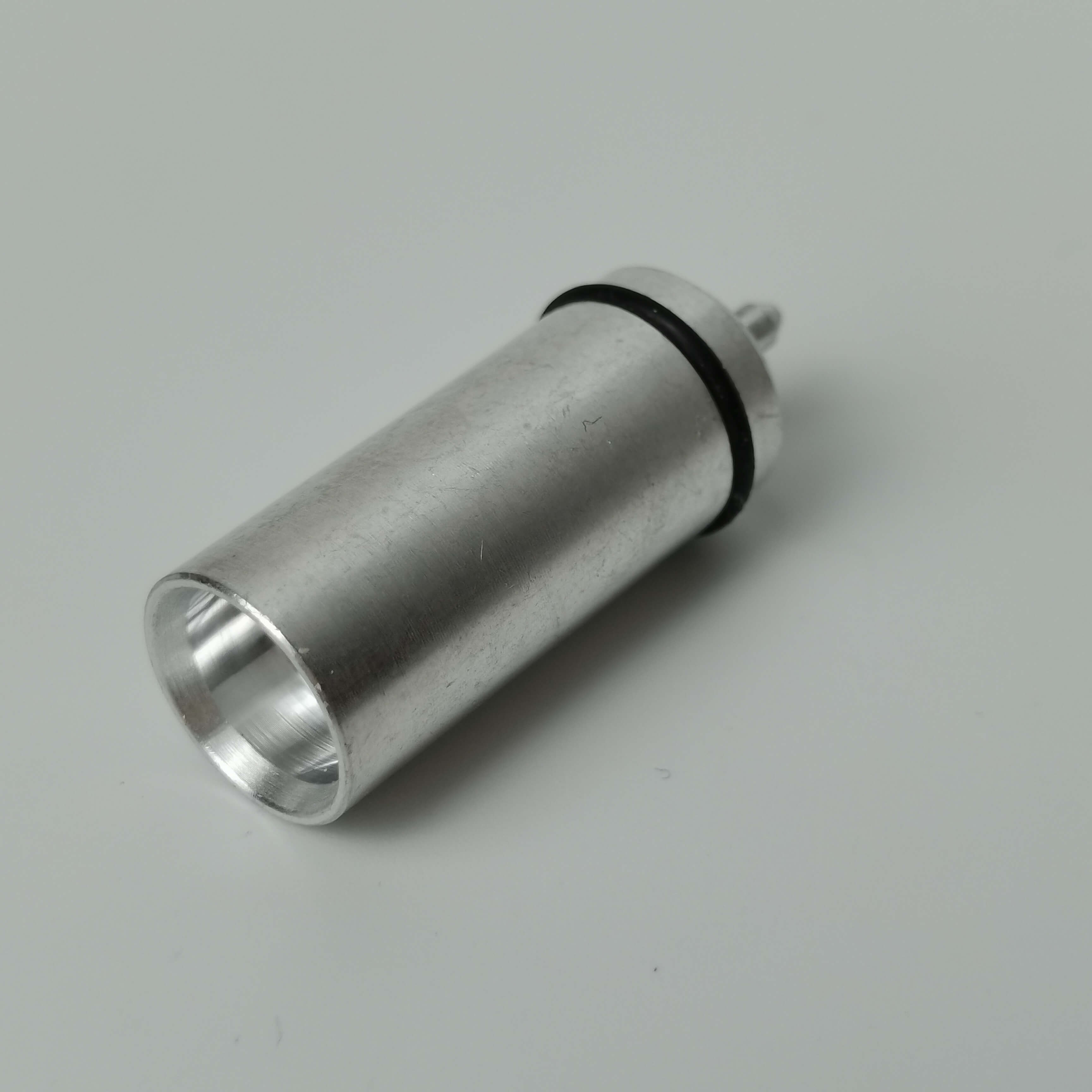
Introduction to the company's technological strength: Haokai Hardware's technological layout and core advantages
Since its establishment, Nanpi Haokai Hardware Products Co., Ltd. has always adhered to the principle of "revitalizing the enterprise through science and technology," and has built a full-process technological system covering design, production, and after-sales services through equipment upgrades, talent introduction, and process innovation, forming three core strengths.
STEP 1: Advanced Equipment ConfigurationThe company possesses over 30 stamping equipment units with capacities ranging from 30 to 250 tons, among which large-scale equipment exceeding 200 tons accounts for over 40%, meeting the stamping demands for large sizes and high tonnages. It also has over 30 processing equipment units such as CNC sliding headstock machines and automatic lathes, achieving automation and high precision in mold manufacturing. The injection molding equipment supports multi-material composite molding, expanding the range of product applications. For instance, in the stamping of automotive airbag brackets, the company employs a 250-ton high-speed punch press, coupled with 0.01mm-level mold clearance control, ensuring product dimensional tolerances remain stable within ±0.008mm, significantly surpassing the customer's requirement of ±0.015mm.
STEP 2: Technical Team SupportThe company currently has over 70 employees, including 16 technical personnel and 7 senior technicians, forming a three-tier technical team for "design-process-quality inspection". On average, the technical personnel have over 8 years of industry experience, are familiar with the stamping characteristics of various metal materials, and can swiftly resolve technical challenges encountered during production. For instance, in an electronic connector project, the customer required a surface roughness of Ra ≤ 0.4 μm for the product, which was difficult to achieve with traditional processes. By optimizing the lubrication plan (replacing oil-based lubricants with water-based ones) and adjusting the stamping speed (reducing it from 500 strokes per minute to 300 strokes per minute), the technical team successfully controlled the surface roughness to Ra ≤ 0.3 μm, raising the product qualification rate from 75% to 98%.
STEP 3: Quality System AssuranceThe company has adopted and implemented the ISO9001:2015 quality system standard, establishing a comprehensive quality management system that covers the entire process from raw material inspection and process control to finished product testing. Key testing equipment includes coordinate measuring machines (with an accuracy of 0.001mm) and image measuring instruments (with an accuracy of 0.0005mm), enabling 100% full inspection of product dimensions. For example, in an aerospace component project, the customer required a product flatness of ≤0.02mm. By introducing a laser flatness tester, the company increased testing efficiency from 2 hours per piece using traditional methods to 10 minutes per piece, while improving testing accuracy to 0.005mm, ensuring high-quality product delivery.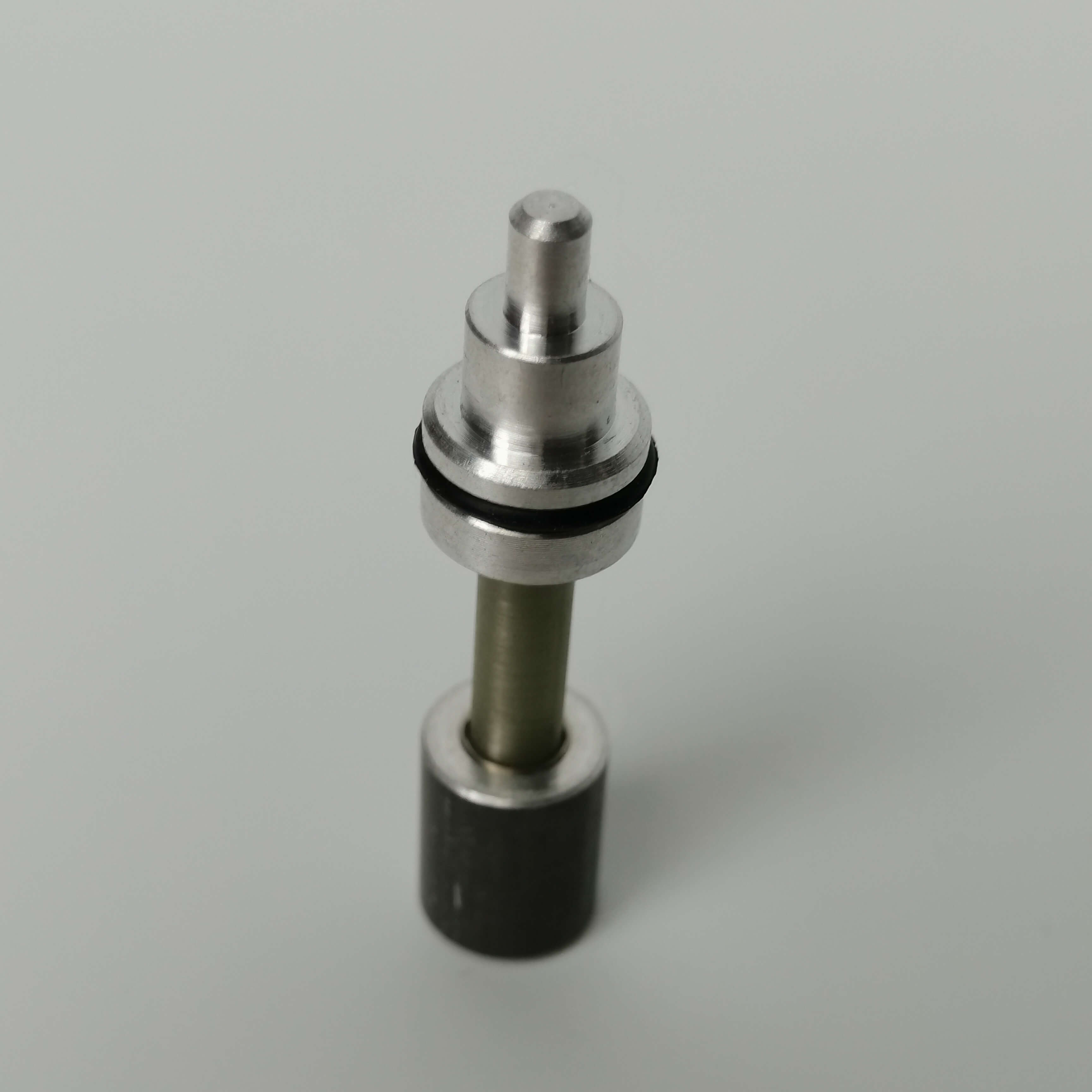
FAQ: Q&A Guide to Technology Selection - Common Issues and Solutions in Precision Stamping Part Production
Q1: How to choose suitable stamping materials?
A1:Material selection requires comprehensive consideration of factors such as strength, plasticity, and cost. For example, automotive structural components typically use high-strength steel (e.g., DP590), with a yield strength ≥590 MPa, meeting lightweight and safety requirements; electronic components often employ stainless steel (e.g., SUS304), which offers strong corrosion resistance and is suitable for use in complex environments. Haokai Hardware can provide material performance comparison reports based on customers' product application scenarios to assist in material selection decisions.
Q2: How to solve the problem of short mold life?
A2:Die life is closely related to materials, heat treatment, lubrication, and other factors. Haokai Hardware uses imported die steel (such as SKD11), with a hardness reaching HRC58-60 and superior wear resistance compared to domestic materials; the heat treatment process employs vacuum quenching to minimize deformation and extend die life to over 200,000 cycles; the lubrication plan is customized based on material properties, for example, graphite-based lubricants are used for stamping high-strength steel, reducing the friction coefficient by 30% and prolonging die life.
Q3: How to control the dimensional accuracy of products?
A3:Dimensional accuracy control requires attention to three aspects: equipment, molds, and environment. Haokai Hardware's stamping equipment features high rigidity (bed vibration ≤ 0.01 mm), reducing deformation during the stamping process; mold manufacturing employs wire electrical discharge machining (with a precision of ±0.002 mm) to ensure uniform clearance; the production workshop maintains constant temperature and humidity (temperature 23 ± 2°C, humidity 50 ± 10%) to minimize the impact of material thermal expansion and contraction on dimensions. Through these measures, the product's dimensional tolerance can be stably controlled within ±0.01 mm.
For more information, please visit the official website:www.hkwujin.com
Full Text Summary Reference: The Technological Value and Industry Contributions of Haokai Hardware
Through over two decades of technological accumulation, Nanpi County Haokai Hardware Products Co., Ltd. has developed a core competitive edge in the field of precision stamping parts production, characterized by "advanced equipment, a professional team, and reliable quality." The company has not only addressed industry pain points such as cracking during high-strength steel stamping, short mold lifespan, and difficulty in ensuring dimensional accuracy but also met diverse customer needs through customized services (including material selection, process optimization, and rapid prototyping). Currently, the company provides supporting products for numerous large enterprises in the automotive, electronics, aerospace, and other sectors, with a customer repurchase rate exceeding 90%, earning high market recognition. In the future, Haokai Hardware will continue to adhere to the strategy of "revitalizing the enterprise through technology," increasing investment in intelligent manufacturing and new material applications to offer higher-quality and more efficient precision stamping part solutions to the industry.