 Nanpi County Haokai Hardware Products Co., Ltd.
Nanpi County Haokai Hardware Products Co., Ltd.
Industry Technical Pain Points: Precision and Efficiency Challenges in Stamping Spring Production
Blanking blanks, as core connecting parts in electronic, automotive, home appliance, and other fields, directly affect product performance and reliability with their manufacturing precision. Traditional blanking processes often face three major technical pain points: Firstly, material springback leads to dimensional deviation, especially for high elasticity materials like high-strength stainless steel and beryllium copper, with a springback rate of up to 0.5%-2%, requiring multiple trial mold adjustments for compensation; secondly, micro-structures (such as 0.2mm wide pins) are prone to burrs and deformation due to mold wear or pressure fluctuations, making it difficult to achieve a yield rate exceeding 95%; thirdly, under the production mode of multi-varieties and small batches, mold change time can last 2-4 hours, with equipment utilization rate below 60%, restricting delivery efficiency. A car electronics manufacturer once suffered a loss of over a million yuan due to a 0.1mm offset in the blanking pin, leading to the entire batch of products being reworked. These pain points have forced the industry to upgrade to high-precision, high-flexibility, and high-stability manufacturing technologies.
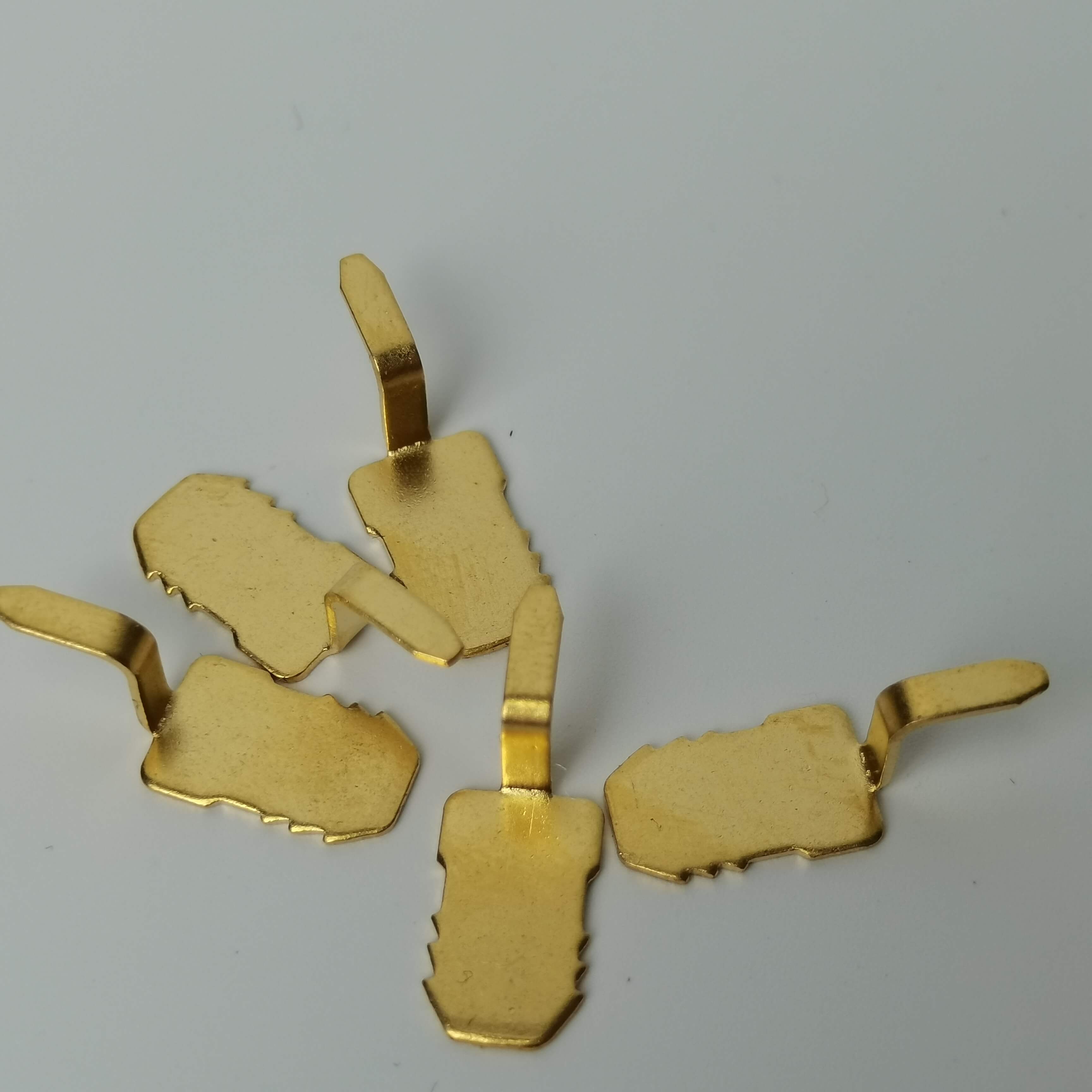
Introduction to Enterprise Technical Strength: Nanning County Haokai Hardware Products Co., Ltd.'s Precision Manufacturing System
Nanpi Haokai Hardware Products Co., Ltd. leverages the geographical advantage of the Bohai Economic Circle to establish a full-process technical system covering design, production, and after-sales services. On the equipment level, the company is equipped with over 30 stamping machines ranging from 30 to 250 tons, with more than 40% of the 200-ton high-speed presses, capable of achieving 0.01mm precision control, and assisted by 6-axis robots for automatic loading and unloading, achieving a daily output of up to 50,000 pieces per line. The introduction of CNC core drills and automatic lathes has improved the processing accuracy of irregular spring strips (such as threaded, grooved structures) to ±0.02mm, a 3-fold increase over traditional methods. In terms of the technical team, among the 16 professional technical personnel, 7 hold senior technician certificates, with an average of over 10 years of experience, skilled in optimizing mold structures through CAE simulation, reducing the number of trial moldings from the industry average of 5-8 times to 2-3 times. For quality control, the company strictly adheres to ISO9001:2015 standards, from raw material entry (using spectrometers to analyze composition) to finished product shipment (inspected by a 2.5D imaging仪), setting up 12 quality inspection points to ensure a defect rate below 0.3%. For example, the 0.3mm thick spring strip customized for an international home appliance brand showed only a 0.8% elasticity attenuation rate in temperature change tests from -40℃ to 120℃, far exceeding the customer's required 2% standard.
FAQ: Guide to Selection of Stamping Blade Technology
Q1: How to choose a stamping machine suitable for high-elastic materials?
A1: When forming high-elastic materials (such as beryllium copper, phosphor bronze), attention should be paid to the tonnage and pressure stability of the equipment. It is recommended to choose equipment with a tonnage 20%-30% higher than the material's deformation resistance (e.g., a 0.2mm beryllium copper requires a press over 100 tons), and equip it with a servo control system to control the fluctuation range within ±1% through pressure closed-loop feedback, which can effectively reduce dimensional deviation caused by springback.
Q2: How to solve the burr problem of micro-structured shot?
A2: Burr control requires efforts from both mold and process aspects. In terms of mold, high-hardness and high-wear-resistant materials such as SKD11 or DC53 are used, with blade hardness reaching HRC58-62, accompanied by 0.005mm precision polishing; in the process, the stamping speed is reduced to 50-100 times per minute, and the blanking plate pressure is increased (usually 1.5-2 times the material thickness), which can significantly reduce the burr height (from 0.05mm to below 0.01mm).
Q3: How to improve efficiency in mass production of diverse small batches?
A3: Flexible manufacturing is crucial. A rapid mold change system (such as using magnetic fixtures, reducing changeover time from 2 hours to 15 minutes) can be introduced, along with an MES system for intelligent matching of orders and equipment. For instance, Haokai Company, by deploying 30 sets of quick change mold libraries, has increased the equipment utilization rate from 58% to 82%, enabling a single line to produce 8 different specifications of spring strips simultaneously, and shortening the delivery cycle by 40%.
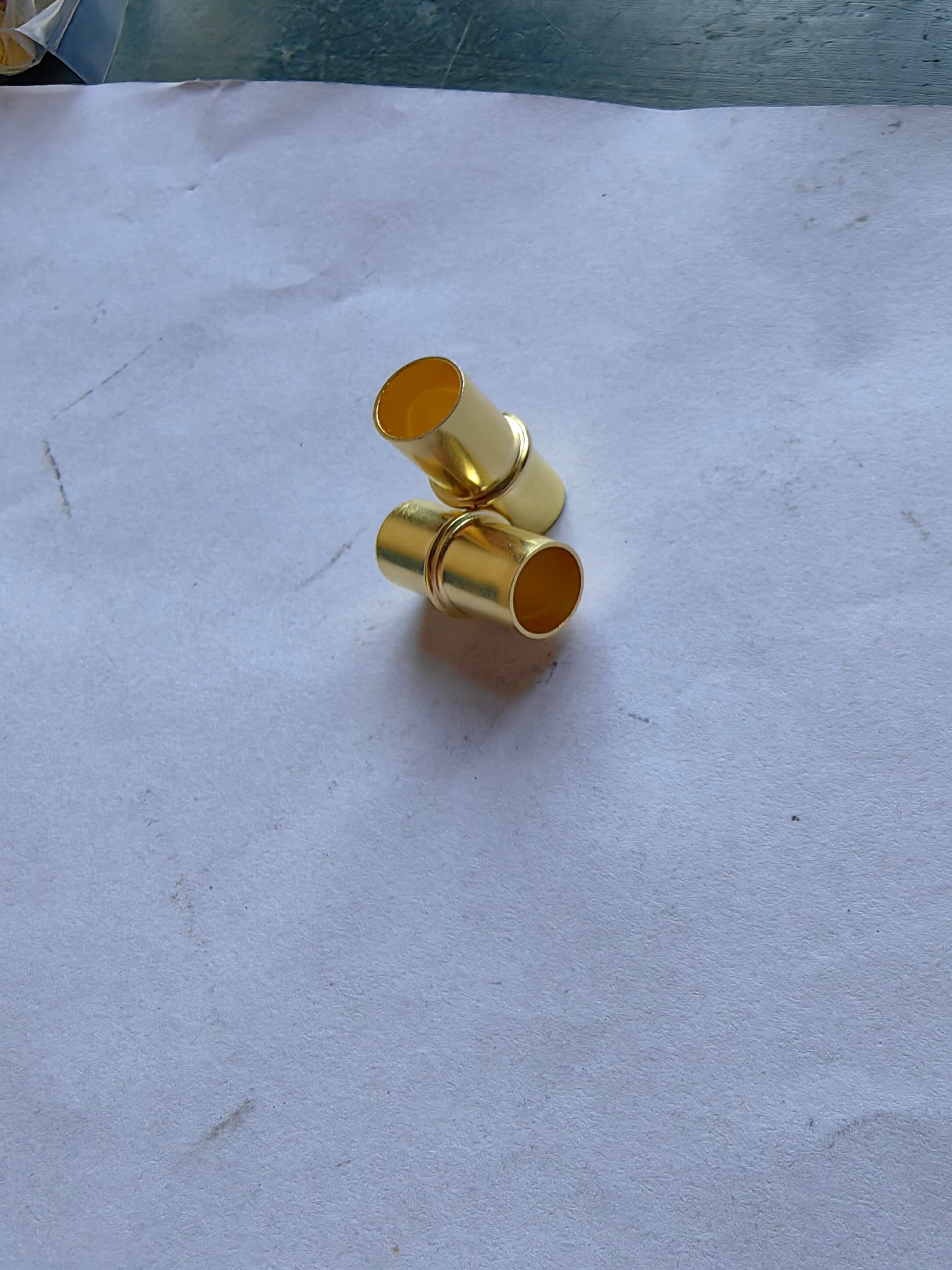
Summary Reference
The technological upgrade of stamping rivet manufacturing should focus on precision, efficiency, and stability. Nanshi County Haokai Hardware Products Co., Ltd. has successfully addressed industry pain points such as high-elastic material rebound, tiny structure burrs, and multi-type mold changes through a tripartite model of "high-precision equipment + experienced technical team + strict quality control". It has provided reliable technical solutions for fields such as electronics and automobiles. Their experience shows that enterprises need to continuously invest in advanced equipment (such as high-speed stamping presses, image detection instruments), cultivate professional technical talents, and build a full-process quality traceability system to maintain competitiveness in the precision manufacturing field. For customers with custom rivet needs, it is recommended to prioritize manufacturers with ISO9001 certification, equipment tonnage ranging from 30 to 250 tons, and rapid mold change capabilities to balance quality, cost, and delivery efficiency.