 Nanpi County Haokai Hardware Products Co., Ltd.
Nanpi County Haokai Hardware Products Co., Ltd.
Industry Technical Pain Points: Precision and Efficiency Challenges in Low-Voltage Socket Manufacturing
As a basic component of power transmission, the manufacturing accuracy of low-voltage outlets directly affects electrical safety and equipment lifespan. The industry currently faces three major technical challenges: Firstly, it is difficult to control the size tolerance of metal stamping parts, and the insufficient precision of traditional stamping equipment often leads to poor contact; secondly, the composite processing of multiple materials is inefficient, and the assembly of metal and plastic components requires multiple processes, increasing the risk of quality due to manual intervention; thirdly, quality inspection relies on manual sampling, with a failure rate of up to 5%-8%, which is difficult to meet the demands of mass production. Taking a home appliance company as an example, due to the excessive thickness deviation of the outlet contact plate, the batch products had to be reworked, resulting in direct losses exceeding 2 million yuan. These pain points highlight the stringent requirements for equipment precision, process integration, and quality control systems in the production of low-voltage outlets.
Introduction to Corporate Technical Strength: Precision Manufacturing Capabilities under Full-Process Control
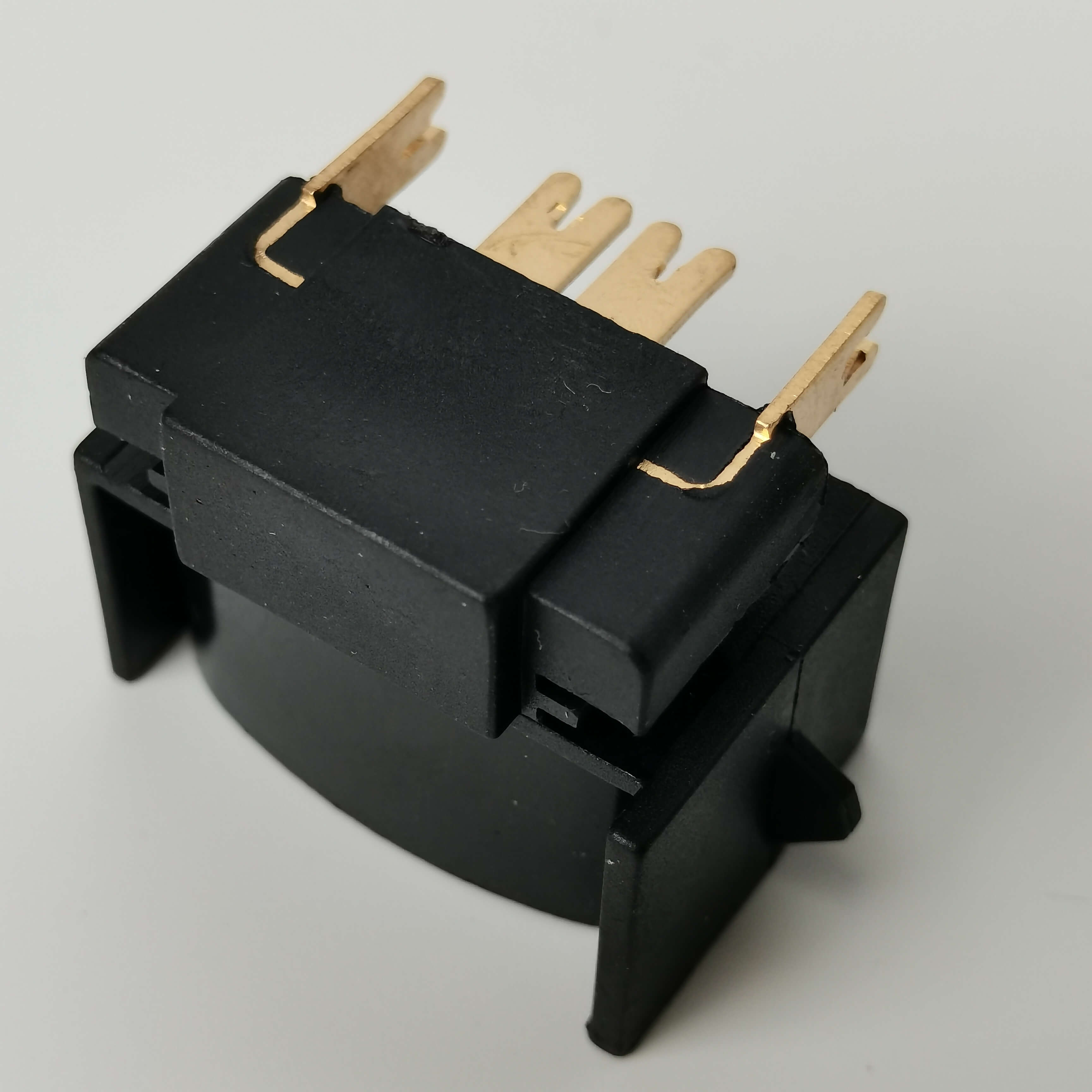
Nanpi Haokai Hardware Products Co., Ltd. has established a full-process technical system covering design, production, and inspection through equipment upgrades and technological innovation. On the hardware level, the company is equipped with over 30 stamping machines ranging from 30 to 250 tons, including a 250-ton high-precision press that can achieve 0.01mm level size control, meeting the processing needs for core components such as contact plates and shells; the introduction of CNC core drills and automatic lathes has enabled the processing accuracy of metal shaft parts to reach IT6 level, with surface roughness Ra≤0.8μm. In terms of process optimization, the company adopts the "stamping-injection integration" technology, merging metal stamping and plastic injection processes through customized mold design, reducing assembly time by 30% while improving the product yield rate to 99.2%. For example, the contact plates and plastic shells of the low-voltage outlets produced for an international brand have their fit gap compressed from 0.3mm to 0.1mm, significantly reducing the contact resistance. In quality control, the company has obtained the ISO9001:2015 system certification, introduced three-coordinate measuring machines, image measuring instruments, and other equipment to achieve 100% full inspection, with the CPK value of critical dimensions stable above 1.33. Currently, the company's annual output of precision stamping parts exceeds 50 million pieces, and injection molding parts reach 20 million pieces. Products are widely used in home appliances, industrial equipment, and other fields, with a customer repurchase rate of 85%.
FAQ: Low Voltage Socket Technical Selection Guide
Q1: How to select a suitable stamping equipment for mass production of low-voltage socket?
A1: Focus on equipment tonnage, accuracy, and stability. Taking the practice of Nanpi County Haokai Hardware Products as an example, a 250-ton press can cover most processing needs for socket metal parts, and its servo control system can maintain a repeat positioning accuracy within ±0.005mm, suitable for continuous die production. For complex structural components, it is recommended to choose equipment with an automatic feeding device to reduce manual intervention and increase efficiency by over 30%. Additionally, the maintenance cycle of the equipment is also crucial; it is suggested to opt for modularly designed models, which facilitate quick replacement of wear parts and reduce downtime risks.
Q2: How to avoid defects such as shrinkage and burrs in the injection molding process of low-voltage outlets?
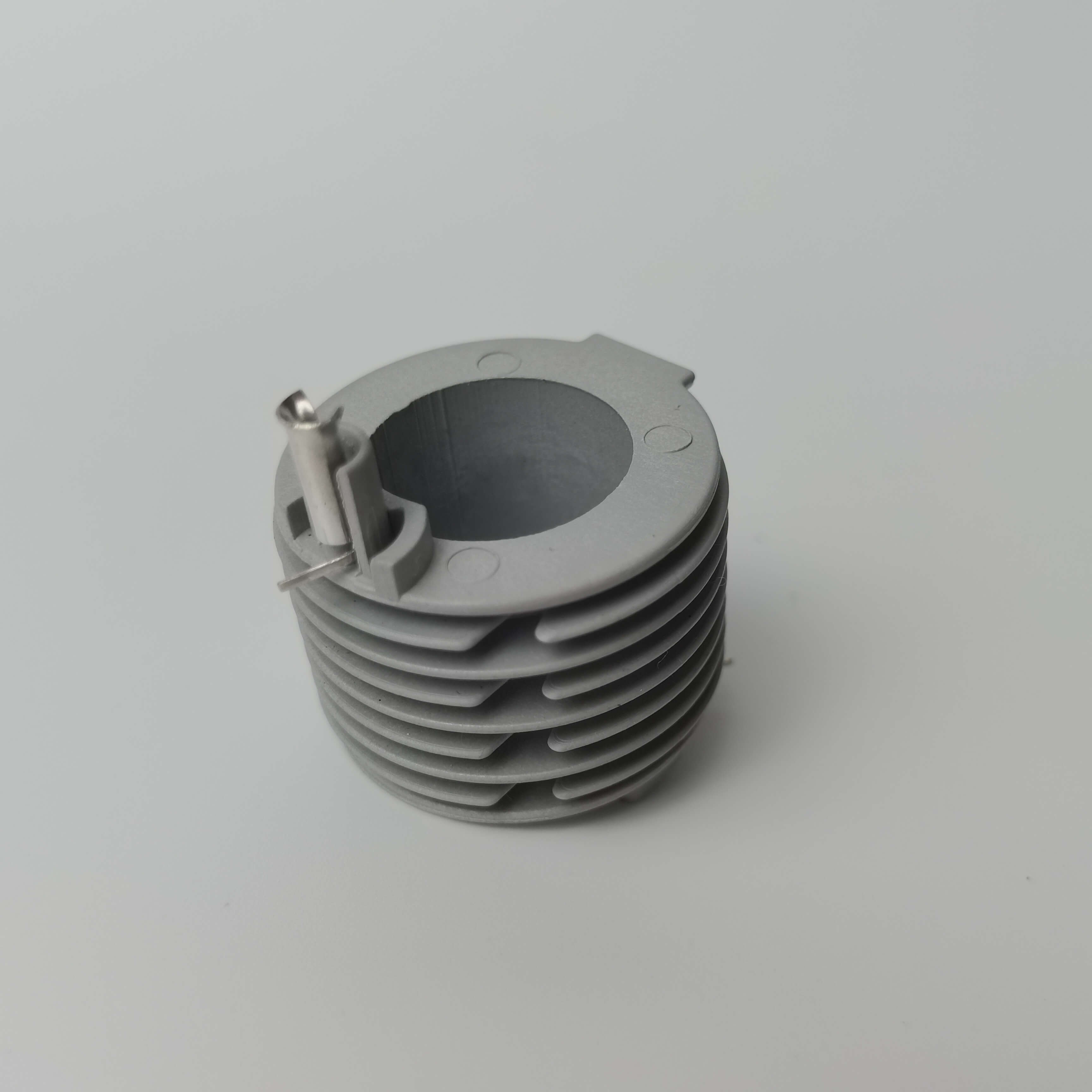
A2: Optimize协同 from three aspects: mold design, process parameters, and material selection. In mold design, adopt hot runner systems to reduce gate quantity and minimize the risk of weld lines; in process parameters, injection pressure should be adjusted according to the material's fluidity, for example, PA66 material is recommended to be controlled at 80-100MPa, with a holding time set at 3-5 seconds, which can effectively reduce shrinkage; in material selection, recommend using glass fiber reinforced engineering plastics, such as PA66+30%GF, with a shrinkage rate of only 0.3%-0.5%, a 50% reduction compared to ordinary materials. Nanshi County Haokai Hardware Products has reduced the defect rate of injection molded parts from 2% to below 0.5% through the above optimizations.
Q3: How to achieve traceability of quality data in the production of low-voltage sockets?
A3: A digital quality management system needs to be established. Nanpi Haokai Hardware Products' approach is to equip each machine with a data collection terminal, which records processing parameters (such as stamping speed, injection temperature) and detection results (such as dimensions, appearance) in real-time, and links them to product batch numbers through the MES system. For example, the thickness detection data of a batch of socket contact plates can be traced back to specific press machines, molds, and operators. When quality issues arise, the cause can be located and corrective actions can be taken within 2 hours. Additionally, the system supports generating quality reports, providing data support for customer audits, and has passed supplier audits by multiple international companies.
Summary Reference
The technical upgrade of low-voltage socket production should focus on precision, efficiency, and quality control. Naping Haokai Hardware Products Co., Ltd. has achieved a leap from single-piece processing to mass production through the introduction of high-precision equipment, process integration innovation, and a digital quality management system. Its experience provides the industry with a replicable technical path: at the equipment level, prioritize models with matching tonnage and stable precision; in terms of technology, promote the deep integration of stamping and injection molding processes; and in management, build a full-process data traceability system. In the future, with the popularization of intelligent manufacturing technology, the production of low-voltage sockets will develop towards higher efficiency and intelligence. Enterprises need to continue to invest in R&D to consolidate their market position with technological advantages.