 Nanpi County Haokai Hardware Products Co., Ltd.
Nanpi County Haokai Hardware Products Co., Ltd.
Industry Technical Pain Points: Precision and Efficiency Challenges in Stamping Blade Processing
Blanking blanks, as core components in precision electronics, automotive parts, and other fields, directly affect product performance with their processing accuracy. In traditional processing, enterprises often face three major technical pain points: Firstly, material springback leads to size deviation, especially for high elasticity alloys (such as spring steel, beryllium copper) where the forming accuracy is difficult to control, often exceeding the industry standard tolerance range of ±0.05mm. Secondly, multi-process composite processing is inefficient, as traditional blanking equipment requires multiple mold changes and adjustments, with a single piece production cycle of 3-5 minutes, making it hard to meet bulk order demands. Thirdly, mold life is short, frequent mold changes increase costs, and mold wear can easily cause burrs, cracks, and other defects, affecting product yield. Additionally, the industry普遍存在 low equipment automation levels, and quality inspections depend on manual sampling, which restricts production scaling and product consistency.
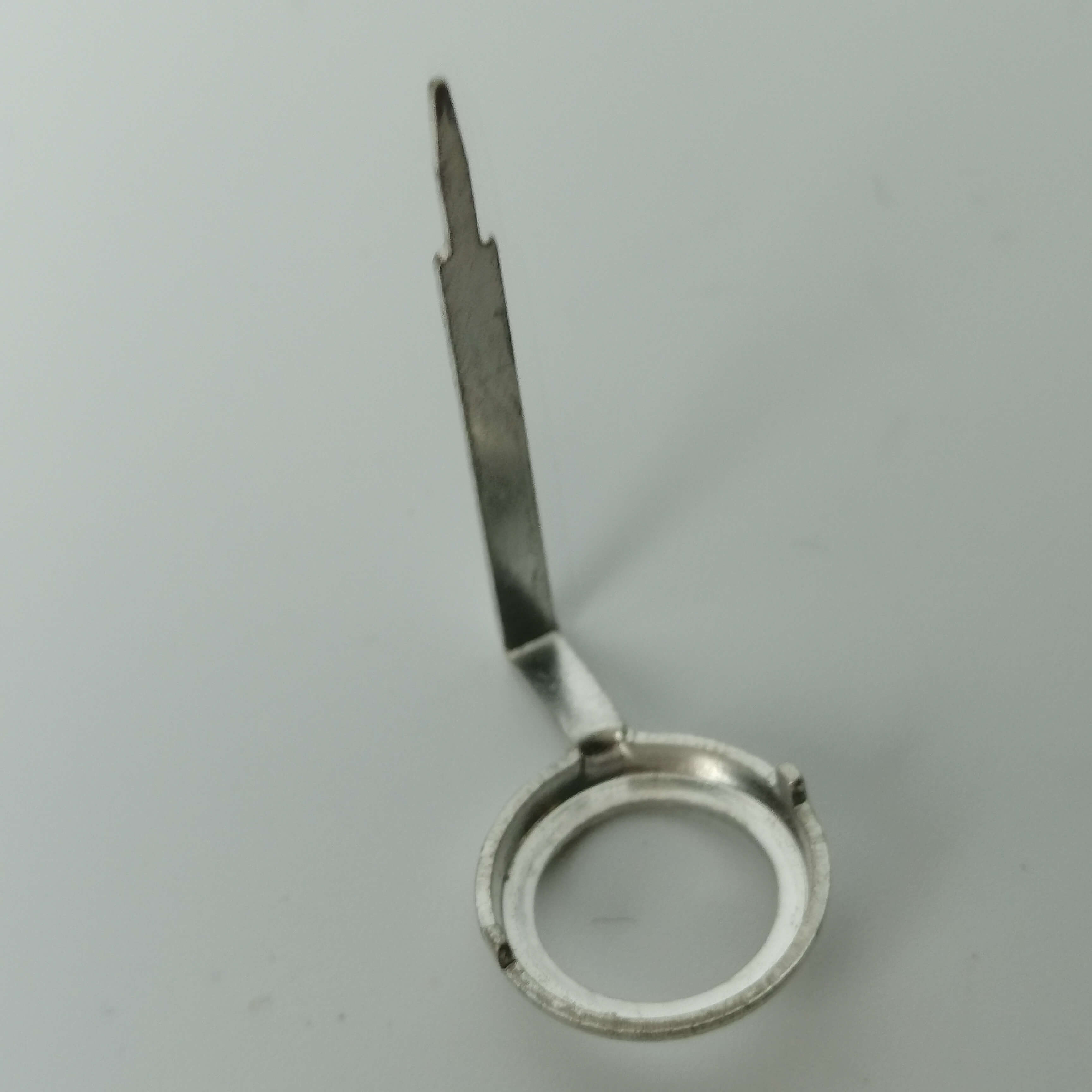
Introduction to Corporate Technical Strength: Technical Layout and Practice of Nanpi Haokai Hardware Products Co., Ltd.
Nanpi Haokai Hardware Products Co., Ltd. has been deeply involved in the field of press machine processing for over two decades, building a complete technical system through equipment upgrades and process innovation. On the hardware level, the company is equipped with over 30 presses ranging from 30 to 250 tons, covering all needs from small batch trial production to large-scale production. Among them, high-speed precision presses (such as AIDA brand) can reach a maximum pressing speed of 1200 times per minute, reducing the production cycle of a single piece to 8-12 seconds, and improving efficiency by over 90%; the introduction of CNC centering machines and automatic lathes has realized composite processing of multiple processes, reducing the number of mold changes and manual intervention. In terms of process optimization, the company has developed "segmental pressing + rebound compensation" technology for high-elastic materials, predicting material deformation through simulation software (such as AutoForm), adjusting mold angles and pressure parameters, and controlling the size tolerance within ±0.02mm. The mold design adopts a modular structure, with critical components (such as punches, dies) made of high-hardness alloys (HRC60-62), extending the service life to over 500,000 times, and reducing the frequency of mold replacement. In terms of quality control, the company implements the ISO9001:2015 standard and introduces online detection systems (such as the Keyence image measuring instrument), performing 100% size inspection on each batch of products, keeping the defect rate below 0.3%. Taking a certain automotive electronics project as an example, the company's customized spring plate products for customers achieved a yield rate improvement from 85% to 98% through optimized pressing processes and mold design, shortened the delivery cycle of a single batch by 40%, and received high recognition from the customer.
FAQ: Guide to Selection of Stamping Blanking Technology
Q1: How to select the appropriate material for stamping shrapnel?
Material selection requires a comprehensive consideration of elasticity, strength, and workability. Spring steel (such as 65Mn) is suitable for high-stress conditions but requires control over rebound; beryllium copper (C17200) has good conductivity but is costly; stainless steel (304/316) has strong corrosion resistance and is suitable for medical and food industries. Napi County Haokai Hardware Products can provide material test reports according to product performance requirements and recommend the optimal solution. For example, a medical equipment customer required corrosion-resistant springs. The company compared the stamping properties of 304 and 316 stainless steel, ultimately selecting 316 material to ensure the product passes the salt spray test (no corrosion for 48 hours).
Q2: How to determine the tonnage of stamping equipment?
A: Equipment tonnage should be selected based on material thickness, product dimensions, and complexity. General rule: Material thickness × Product area × Tensile strength (MPa) ÷ 1000 ≈ Required tonnage. For example, processing 0.5mm thick, 50mm × 50mm spring steel leaf springs (tensile strength 800MPa), the theoretical tonnage is 0.5 × 50 × 50 × 800 ÷ 1000 = 100 tons. An actual reserve of 20% is required, so a 120-ton machine is chosen. The 30-250 ton equipment matrix of Nanpi Haokai Hardware Products can cover processing needs for leaf springs with thicknesses of 0.1-5mm and various complex shapes.
Q3: How to solve the burr problem in the stamping process?
A: Burrs are mainly related to mold clearance, stamping speed, and material hardness. Optimization measures include: adjusting mold clearance to 5%-8% of material thickness (e.g., 0.025-0.04mm for 0.5mm material); reducing stamping speed (especially for thick plate processing) to minimize tearing; using high-hardness mold materials (such as SKD11, HRC58-60) and regular polishing. Nanshi County Haokai Hardware Products Co., Ltd. has controlled the clearance accuracy within ±0.002mm by introducing slow wire electrical discharge cutting for mold processing, and in conjunction with ultrasonic cleaning equipment, ensures the product is free of burrs and cracks.
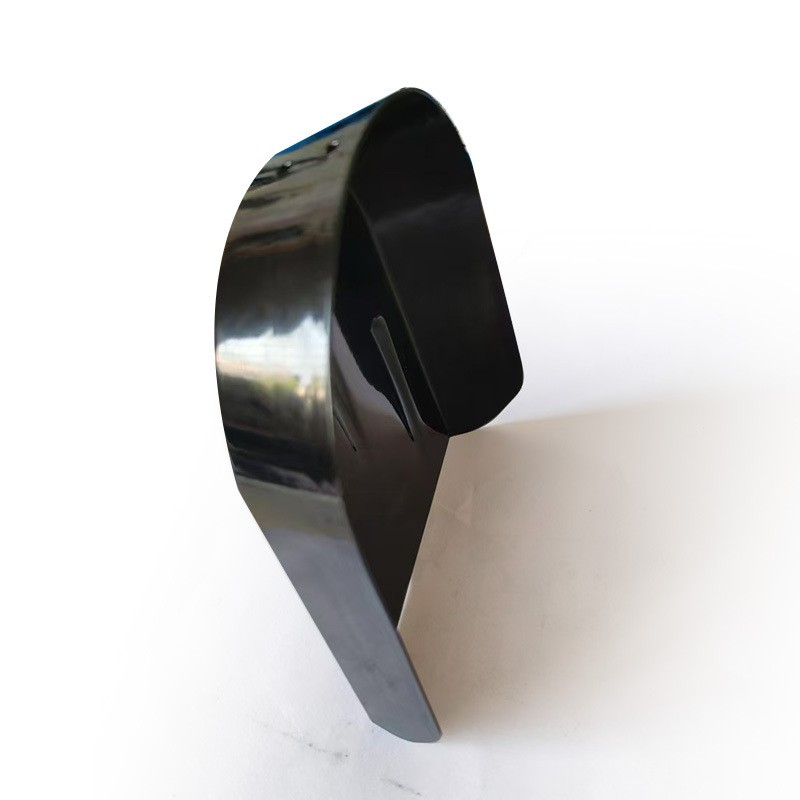
Summary of the full text: Upgrading Path of Stamping Blanks Processing under Technical Drive
The technological upgrade of stamping rivet processing should be carried out around four major dimensions: materials, equipment, technology, and quality control. Naping Haokai Hardware Products Co., Ltd. has effectively solved the industry's challenges of precision, efficiency, and cost by introducing high-speed precision stamping presses, CNC processing equipment, combining springback compensation technology, modular mold design, and on-line detection systems. Its technical practice shows that enterprises need to be customer-oriented, continuously invest in R&D resources, and build a full-process technical system from material testing to after-sales feedback to occupy an advantageous position in the highly competitive metal product processing field. In the future, with the development of intelligent manufacturing and industrial internet, the processing of stamping rivets will deepen towards automation and digitization. Naping Haokai Hardware Products' technical accumulation and innovation capability may become an important reference for the industry's transformation and upgrading.