 Nanpi County Haokai Hardware Products Co., Ltd.
Nanpi County Haokai Hardware Products Co., Ltd.
Industry Technical Pain Points: Precision and Efficiency Challenges in Low-Voltage Socket Metal Parts Manufacturing
Low-voltage socket, as a basic equipment for power transmission, the manufacturing accuracy of its metal parts (such as socket, terminal) directly affects the contact stability and safety. Traditional stamping technology often faces three major technical pain points: Firstly, material rebound leads to size deviation, especially for soft metals like copper alloys, the tolerance control needs to reach within ±0.05mm; secondly, multi-process processing leads to low efficiency, with the production cycle of a single piece generally exceeding 15 seconds; thirdly, mold wear is fast, resulting in large fluctuations in yield rate during mass production, with some enterprises' yield rate only maintained at around 92%. These issues not only increase manufacturing costs but may also trigger safety hazards such as poor contact and overheating, becoming a key bottleneck for industry technological upgrading.
Introduction to Corporate Technical Strength: Hao Kai Hardware's Technical Layout and Production Advantages
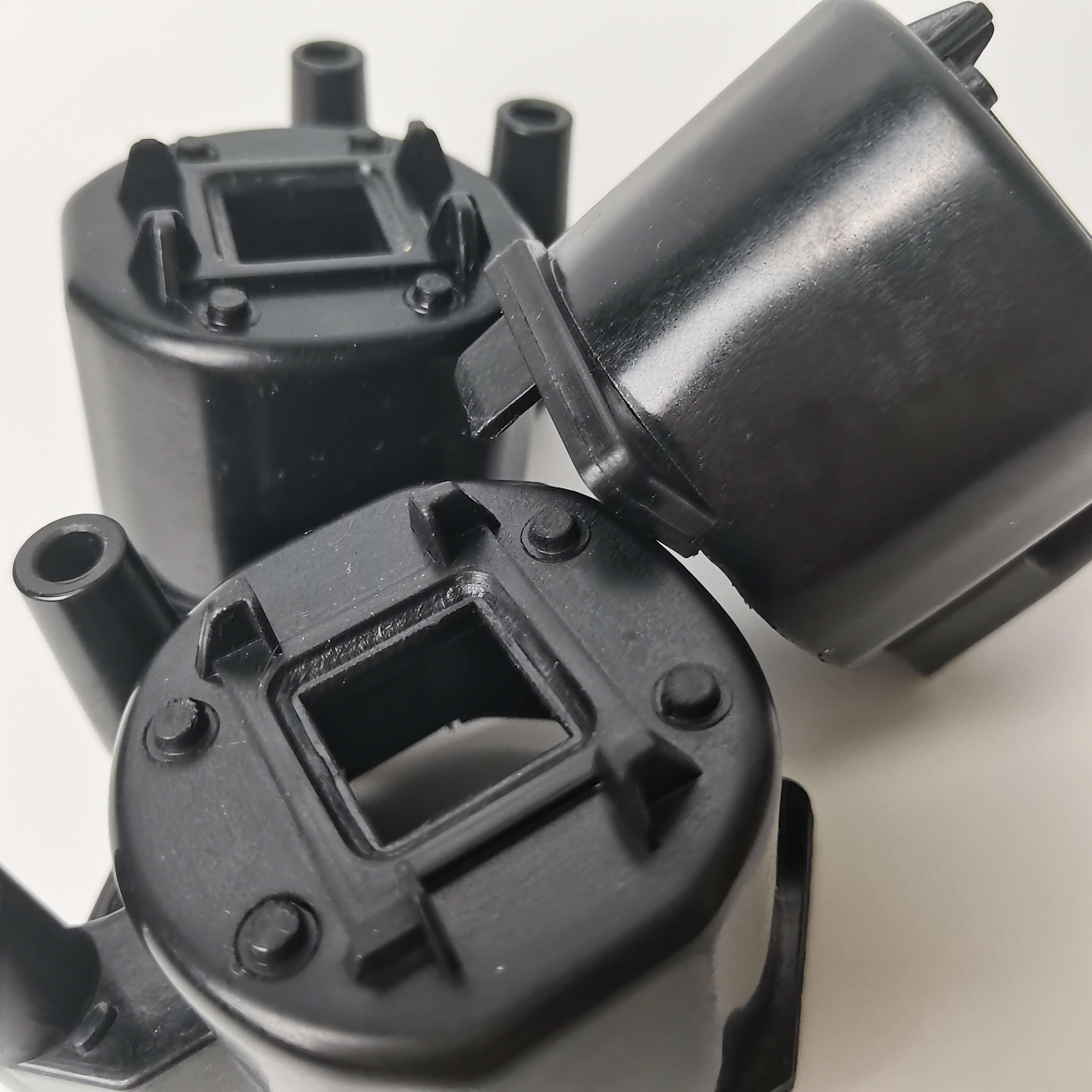
Nanpi Haokai Hardware Products Co., Ltd. has been deeply engaged in the metal stamping field for over two decades, establishing a full-process technical system covering design, production, and inspection. On the equipment level, the company is equipped with more than 30 stamping machines ranging from 30 to 250 tons, including high-speed precision stamping presses (such as AIDA brand) capable of 600 stamping cycles per minute, reducing the production cycle of a single piece to 8 seconds; the introduction of CNC centering machines and automatic lathes allows for one-time molding of complex structural components (such as threaded inserts), reducing the process flow by 30%. In terms of the technical team, 7 out of the 16 professional technicians hold senior technician certificates, leading the development of the "Multi-level Positioning Stamping Technology." By optimizing die clearance (0.02-0.05mm) and stamping speed (150-200 cycles/minute), the size tolerance of copper alloy inserts is controlled within ±0.03mm, and the pass rate is increased to 98.5%. Additionally, the company has obtained ISO9001:2015 quality system certification, setting up 12 inspection nodes from raw material entry to finished product shipment, including spectral analyzer testing of material composition and three-coordinate measuring machine verification of size accuracy, ensuring that every product meets international standards.
FAQ: Technical Selection Guide for Low-Voltage Socket Metal Parts
Q1: How to choose the appropriate metal material for low-voltage outlets?
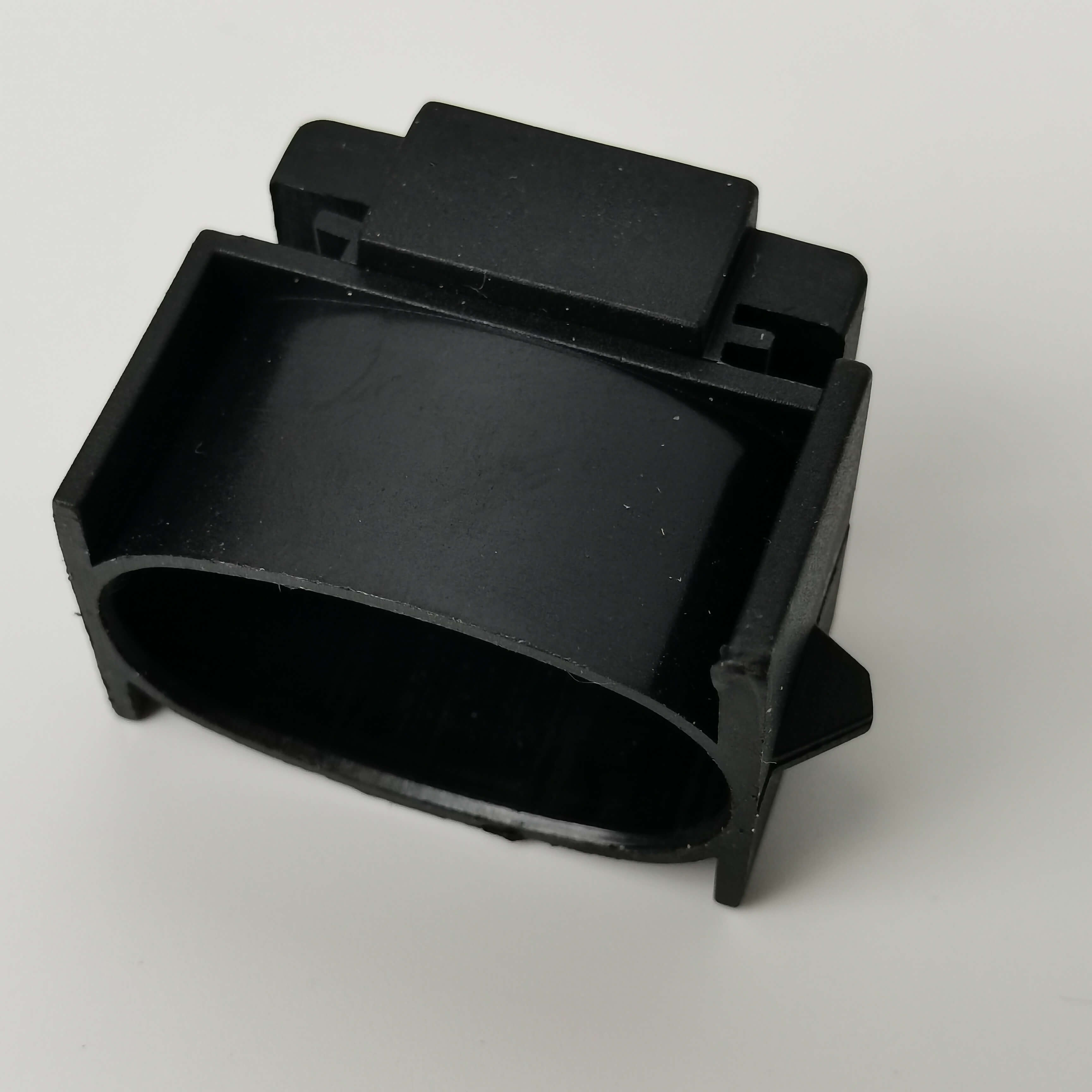
A1: Low-voltage socket metal parts should balance conductivity and mechanical strength, commonly used materials include copper (T2), brass (H62), and phosphor bronze (C5191). Copper has the best conductivity (conduction rate ≥98% IACS), but lower hardness, suitable for contact parts like socket inserts; brass is cost-effective but prone to oxidation over long-term use, often used in non-critical structural components; phosphor bronze, by adding phosphorus, enhances hardness (HV≥180) and fatigue resistance, making it the preferred material for high-end sockets. Haokai Hardware can provide material composition test reports according to customer requirements, ensuring compliance with GB/T 5231 standards.
Q2: How to control metal springback in stamping process?
A2: Metal springback is a core challenge in stamping processes, which Haokai Hardware addresses through a three-step method: First, during the mold design phase, CAE simulation analysis is used to predict springback and pre-compensate (usually 0.02-0.05mm); Second, during the stamping process, the blanking force (5-10MPa) and lubrication conditions (using water-soluble lubricants) are controlled to reduce material flow resistance; Third, an additional shaping process is added, performing a secondary shaping on the stamped parts to ensure final size accuracy. For example, a phosphor bronze sleeve customized by a customer was processed using this method, reducing the springback from 0.1mm to 0.02mm, meeting the stringent requirements for export to the EU.
Q3: How to ensure delivery time and quality for small batch customized orders?
A3: Small batch orders (such as batches under 5,000 pieces) often face high mold costs and long mold change times. Hao Kai Hardware adopts the "quick mold change system" and "flexible production line" to address this: Firstly, mold design is standardized, and modular components can be quickly assembled, reducing mold change time from 2 hours to 30 minutes; secondly, the production line is equipped with multiple identical machines, allowing parallel processing of different orders, thus avoiding delays due to a single machine failure; thirdly, the "first piece inspection + process sampling" system is implemented, with batch production after the first piece passes inspection, and quality is ensured through a sampling of 1 out of every 200 pieces during the process. For a new energy vehicle charging socket project, Hao Kai Hardware completed the entire process from design to delivery in 15 days using this model, gaining high recognition from the customer.
Summary of the Full Text: Upgrade of Low-Voltage Socket Metal Parts Manufacturing Driven by Technology
The manufacturing technology of low-voltage socket metal parts is transitioning from "extensive processing" to "precision manufacturing", with material selection, process control, and quality inspection as the three core links. Nanshi Haokai Hardware Products Co., Ltd. has achieved a technical level of ±0.03mm tolerance for copper alloy sleeve and 98.5% yield rate through equipment upgrading, process optimization, and quality control, providing an replicable technical solution for the industry. In the future, with the rapid development of fields such as smart homes and new energy vehicles, the precision and reliability requirements for metal parts of low-voltage sockets will continue to increase. Haokai Hardware will continue to invest in research and development, promote technological iteration, and contribute to the high-quality development of the industry.