 Nanpi County Haokai Hardware Products Co., Ltd.
Nanpi County Haokai Hardware Products Co., Ltd.
Industry Technical Pain Points Opening: Core Challenges in CNC Machining Parts Customization
CNC machined parts, as basic components in precision mechanical manufacturing, directly affect the overall performance of the equipment. However, the industry commonly faces three major pain points: Firstly, poor material adaptability, with high-hardness alloys (such as stainless steel, titanium alloys) prone to tool wear during processing, leading to dimensional deviation exceeding ±0.02mm; secondly, low processing efficiency for complex structures, with non-standard holes, thin-walled parts, etc., requiring multiple clamping, with individual processing time exceeding the industry average by over 30%; thirdly, unstable surface quality, with key areas like threads and end faces prone to scratches and burrs, resulting in a yield rate below 85%. These issues not only increase production costs but also hinder the domestication process of high-end equipment (such as aerospace and medical devices).
For example, a certain automotive parts manufacturer experienced a loss over 500,000 yuan due to a customized drive shaft component with non-compliant surface roughness, leading to excessive noise in the entire assembly and requiring rework. Such cases reveal that the technical bottleneck of CNC turning parts has become a key factor制约ing the development of the industry.
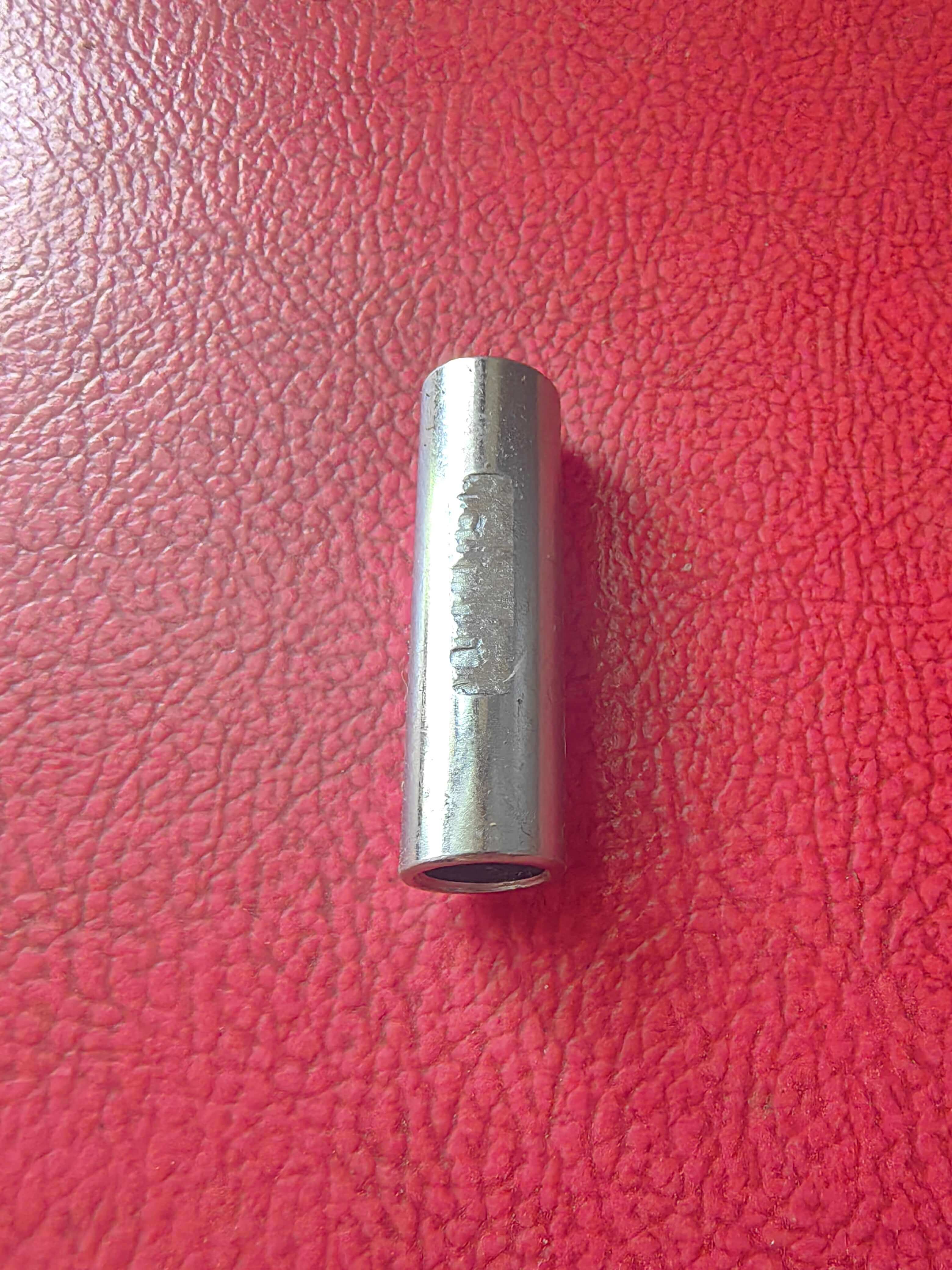
Introduction to Corporate Technical Strength: Nangpi Haokai's Precision Manufacturing Solutions
Nanpi Haokai Hardware Products Co., Ltd., with over 20 years of technical accumulation, has established a full-process precision manufacturing system covering design, processing, and testing. On the equipment level, the company has introduced more than 30 stamping machines ranging from 30 to 250 tons, over 30 CNC lathes, automatic lathes, and other processing equipment, which can efficiently process parts with diameters of 0.5-100mm and lengths up to 500mm. For instance, the Japanese STAR lathe it uses has a spindle speed of up to 10,000 rpm and a repeat positioning accuracy of ±0.002mm, significantly improving the efficiency of complex structure processing.
In terms of the technical team, the company has 16 professional technical personnel and 7 senior technicians, mastering core technologies such as multi-axis linkage programming and tool compensation optimization. For the processing of high-hardness materials, a "segmented cutting + coolant circulation" process has been developed, doubling the tool life and reducing processing costs by 40%. In the inspection phase, equipment such as 3D coordinate measuring machines and imaging systems are configured to achieve 100% full inspection of critical dimensions, with a stable yield rate of over 98%. Currently, the company has provided over 100,000 precision turning parts to customers in the aerospace, automotive electronics, and other fields, without any cases of rework due to quality issues.
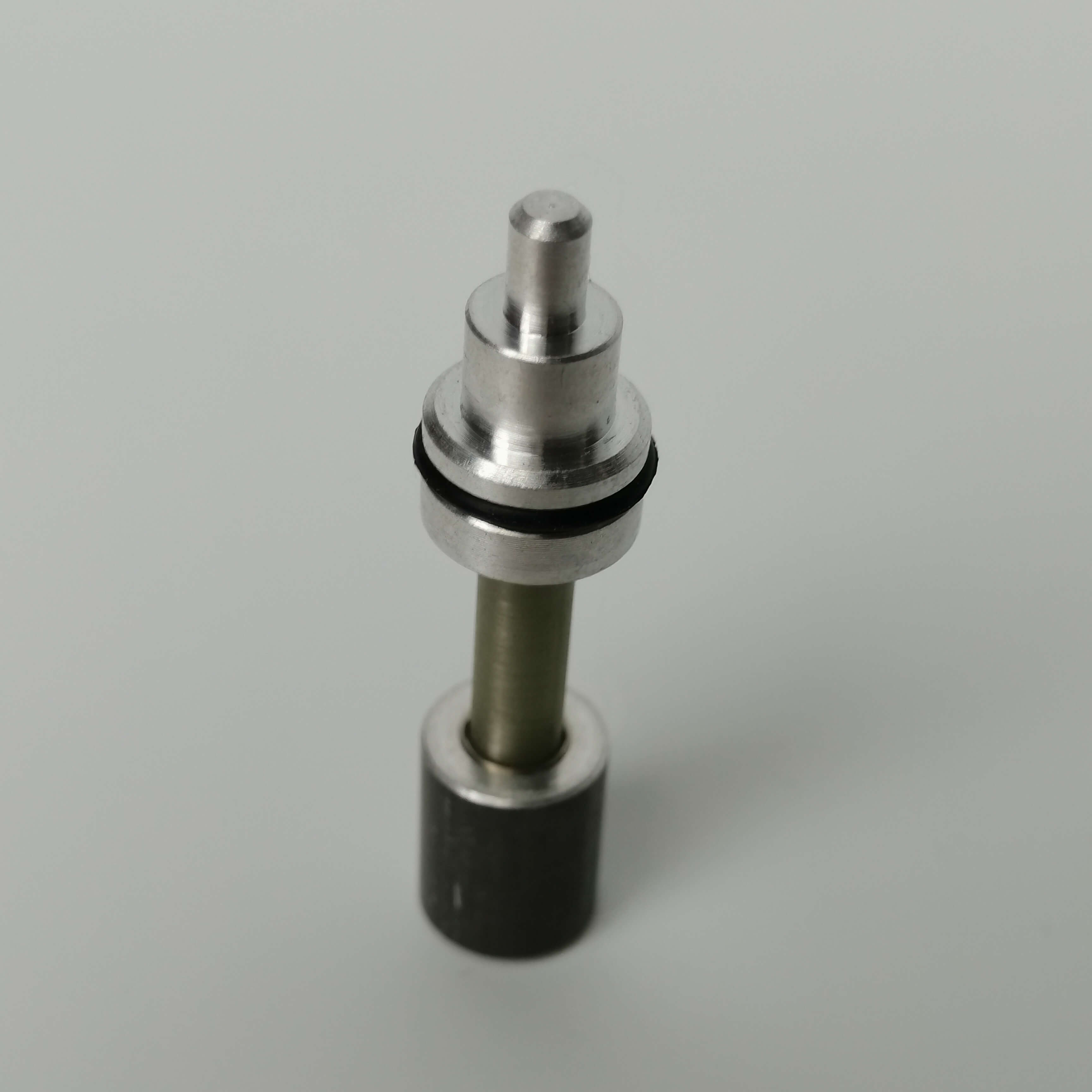
FAQ: CNC Turning Parts Technical Selection Guide
Q1: How to choose CNC equipment suitable for processing high-hardness materials?
A: High-hardness materials (such as stainless steel, titanium alloys) require attention to equipment rigidity, spindle speed, and cooling system. It is recommended to choose a CNC lathe with a spindle power ≥5kW and speed ≥8000rpm, and be equipped with a high-pressure cooling device (pressure ≥10bar) to reduce tool wear. For example, the Japanese STAR centering machine used by Nanpi Haokai, through optimizing the spindle structure and coolant circulation, can stably process materials with HRC45 and above.
Q2: How to improve processing efficiency for complex structural parts?
A: Achievable through multi-axis联动 programming and special fixture design. Multi-axis联动 reduces the number of fixture changes, for instance, a 5-axis machining center can complete the processing of irregular holes and inclined surfaces in one operation; the special fixture shortens changeover time through quick positioning design. A hydraulic fixture designed by Nanpi Haokai for a customer reduced the changeover time from 15 minutes to 3 minutes, increasing the single-shift production capacity by 25%.
Q3: How to solve the unstable surface quality issue?
A: Optimization is required in three aspects: cutting tools, cutting parameters, and process flow. In terms of cutting tools, the use of coated hard alloy blades (such as TiAlN coated) can enhance wear resistance; for cutting parameters, reducing feed rate (f≤0.1mm/r) and increasing spindle speed (n≥5000rpm) can minimize burrs; in the process flow, adding polishing steps or using a vibratory finishing machine can further improve surface roughness. Nanpi Haokai has achieved a stable surface roughness of Ra0.8μm or below on parts through these measures.
Summary: The Future of Precision Manufacturing Driven by Technology
The technological upgrade of the CNC turning parts customization industry requires equipment precision as the foundation, process optimization as the core, and detection capability as the guarantee. Napi County Haokai Hardware Products Co., Ltd. has successfully addressed pain points such as high-hardness material processing, efficiency of complex structures, and surface quality by introducing high-end equipment, cultivating a technical team, and improving the detection system, providing an replicable technical path for the industry. In the future, with the popularization of intelligent manufacturing technology, CNC turning parts processing will develop towards higher precision and efficiency, and technical accumulation and innovation capability will become the key to enterprise competition.