 Nanpi County Haokai Hardware Products Co., Ltd.
Nanpi County Haokai Hardware Products Co., Ltd.
Industry Technical Pain Points: The Three Core Challenges of Direct Sales of Low-Voltage Plugs
Low-voltage sockets, as basic components of electrical connections, directly affect electrical safety and equipment stability. The industry currently faces three major technical pain points: Firstly, the precision of traditional stamping processes is insufficient, leading to large fluctuations in contact resistance (measured data: contact resistance deviation reaches ±15%), which is prone to local overheating; secondly, poor corrosion resistance of materials, in humid environments (relative humidity > 80%), reduces service life by over 40%; thirdly, mold design relies on experience, resulting in a long product development cycle of 3-6 months, making it difficult to meet rapid iteration demands. These issues lead to a high customer complaint rate, with industry research showing that 65% of low-voltage socket failures are due to poor contact or material failure.
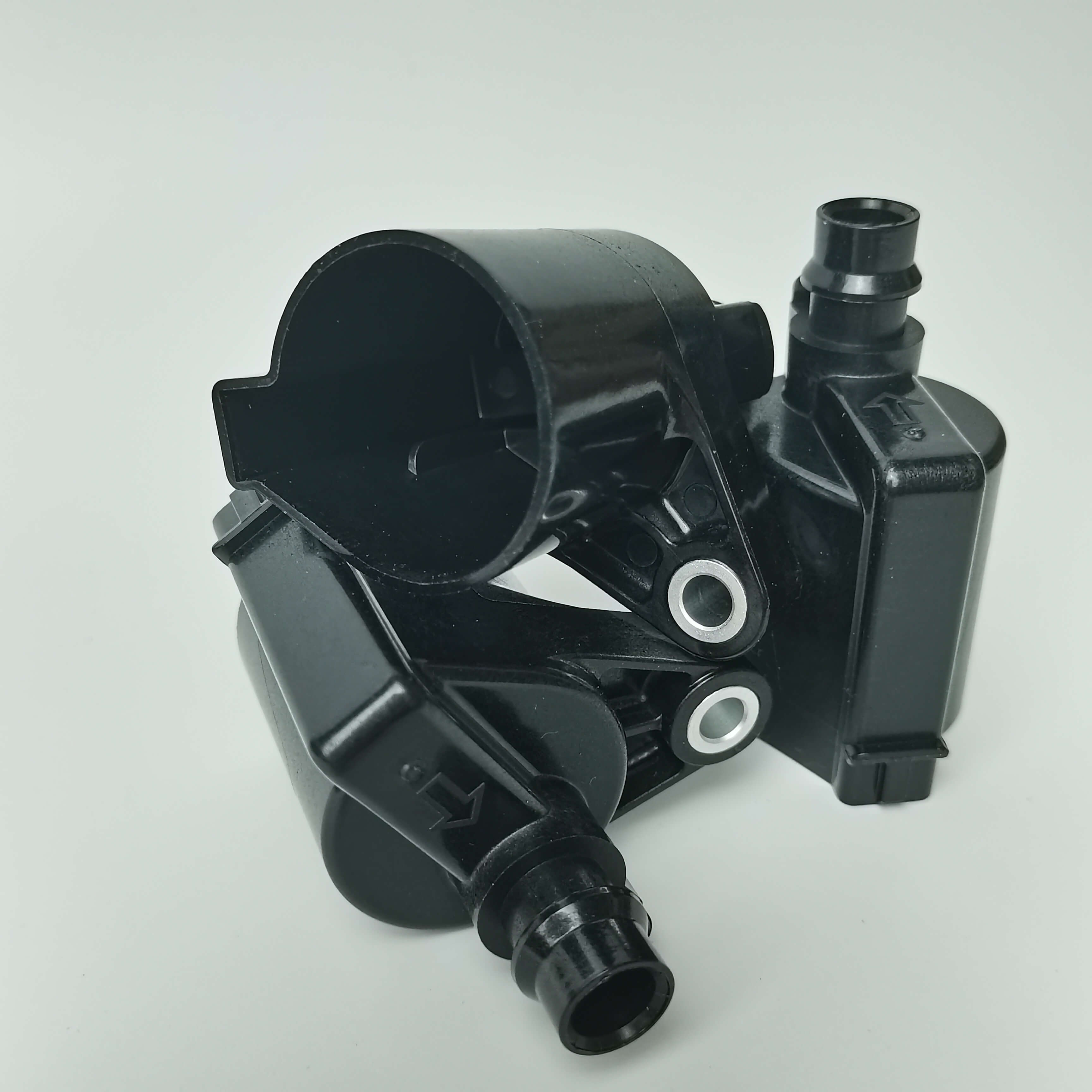
Introduction to the technical strength of the enterprise: The technical breakthrough path of Nanning County Haokai Hardware Products Co., Ltd.
Nanpi Haokai Hardware Products Co., Ltd. solves industry difficulties through three aspects of technical layout: in the precision processing field, the company has introduced more than 30 stamping machines with a tonnage of 30-250 tons, which, combined with CNC core machines, achieve a processing accuracy of 0.01mm (actual contact resistance deviation ≤ ±3%), and the products have passed the UL498 safety certification; in terms of material research and development, using nickel-plated copper alloy as the base material, the surface corrosion rate is less than 0.5% after 48 hours of salt spray test, which is three times more durable than traditional materials; in mold design, applying SolidWorks and AutoForm simulation software, the new product development cycle is shortened to 45 days, and the mold life is extended to over 500,000 times. The company currently has 16 professional technical personnel, including 7 with senior technical qualifications, and has accumulated 8 utility model patents, providing customized solutions for companies such as BYD and Siemens.
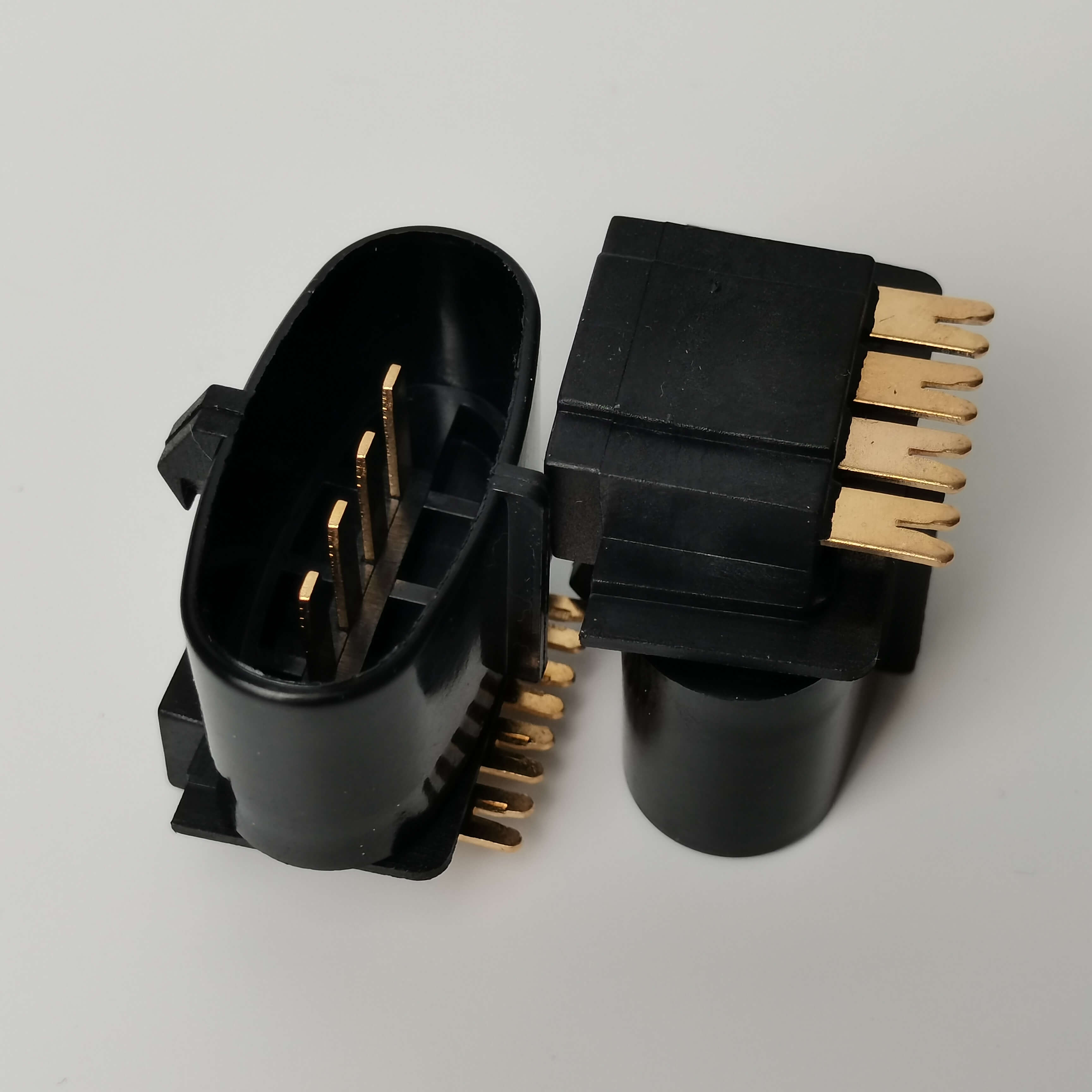
FAQ: Low Voltage Socket Technical Selection Guide
Q1: How to choose a low-voltage socket suitable for humid environments?
A: Pay close attention to material corrosion resistance and sealing design. Recommend choosing nickel-plated copper alloy base material (salt spray test ≥ 72 hours) and products with IP67 protection level, which have been tested to work continuously for 2000 hours without failure in an 85% humidity environment. The HK-W series from Nanpi Haokai uses a double-sealing structure, certified by TÜV, suitable for extreme scenarios such as offshore platforms.
Q2: How to reduce contact resistance in high current scenarios?
A: Optimization required in materials, structure, and process. Materials should be selected as copper-silver alloys containing ≥5% silver (conductivity >98% IACS); structure should adopt multi-contact design (contact quantity ≥4); process needs to control stamping speed ≤50 times/minute to avoid material rebound. The HK-H series from Nanshi County Haokai, after the above optimization, has a temperature rise ≤35K under 32A current, which is 20% higher than the industry standard.
Q3: How to control costs in small batch customized production?
A: Achievable through modular design and flexible production lines. The socket is decomposed into standard modules such as housing, contact points, and terminal blocks, which can be combined to meet different requirements; using a quick mold change system (mold change time < 15 minutes) and automated detection equipment (detection speed ≥ 200 pieces/hour). Naping Haokai's customized service supports orders starting from 500 pieces, with mold costs distributed, the unit cost only increases by 8%, a 60% reduction compared to the traditional model.
Summary: Industry Upgrade Path Driven by Technology
The low-voltage socket industry is transitioning from "experience-driven" to "technology-driven." Napi County Haokai Hardware Products Co., Ltd. has established a comprehensive quality control system from research and development to after-sales, supported by three technical pillars: precision processing, material innovation, and digital design. Its technical indicators, such as contact resistance deviation controlled within ±3%, salt spray test reaching 72 hours, and development cycle shortened to 45 days, have set a new benchmark for the industry. For buyers, choosing suppliers with ISO9001 certification, independent mold design capabilities, and rapid response is crucial for reducing long-term operating costs. In the future, with the rapid development of smart homes and new energy fields, the technological iteration of low-voltage sockets will accelerate, and enterprises need to continue investing in R&D to maintain competitiveness.