 Nanpi County Haokai Hardware Products Co., Ltd.
Nanpi County Haokai Hardware Products Co., Ltd.
Introduction: Why has the selection of low-voltage outlets become an industry challenge?
In the fields of industrial automation, smart home, and new energy, low-voltage sockets, as the core components of electrical connections, directly affect the stability and safety of equipment operation. However, traditional low-voltage sockets commonly suffer from technical pain points such as poor contact, low temperature resistance, and insufficient adaptability, leading to a high failure rate of equipment. Nanshi Haokai Hardware Products Co., Ltd., with over 20 years of experience in metal product design and production, provides a more adaptable and stable low-voltage socket solution through precise stamping, high-precision processing, and an integrated production process. This article will analyze from three aspects: technical pain points, corporate strength, and selection guidelines, to help enterprises solve the difficulties in selection.
Keywords: Low-voltage Socket, Precision Stamping, High Precision Machining, Integrated Production, Nanpi Haokai Hardware
Introduction to Industry Technical Pain Points: Three Core Challenges in Low-Voltage Socket Selection
STEP1: Poor contact leads to frequent equipment failures. Traditional low-voltage sockets use common stamping technology, with the fitting gap error between contact strips and pins reaching ±0.2mm. After long-term use, they are prone to increased contact resistance due to oxidation or vibration, causing equipment shutdown or data loss. For example, a smart home company once suffered a direct loss exceeding 500,000 yuan due to poor socket contact, resulting in the entire batch of smart door locks being unable to be remotely controlled.
STEP 2: Insufficient heat resistance limits application scenarios. The heat resistance grade of the plastic shell of ordinary sockets is mostly 85℃, which is prone to deformation in high-temperature industrial environments or outdoor settings, leading to reduced electrical clearance and causing short-circuit risks. A new energy charging桩 enterprise once experienced an arc during charging due to the melting of the socket shell, resulting in equipment damage.
STEP 3: Poor compatibility increases selection costs. Low-voltage outlets require matching different device pin specifications, current capacity, and installation methods, but traditional supplier product lines are single, leading to the need for purchasing multiple models simultaneously, which results in inventory costs rising by over 30%. A certain automation equipment manufacturer had to redesign the control cabinet layout due to outlet compatibility issues, delaying the project delivery period by 2 months.
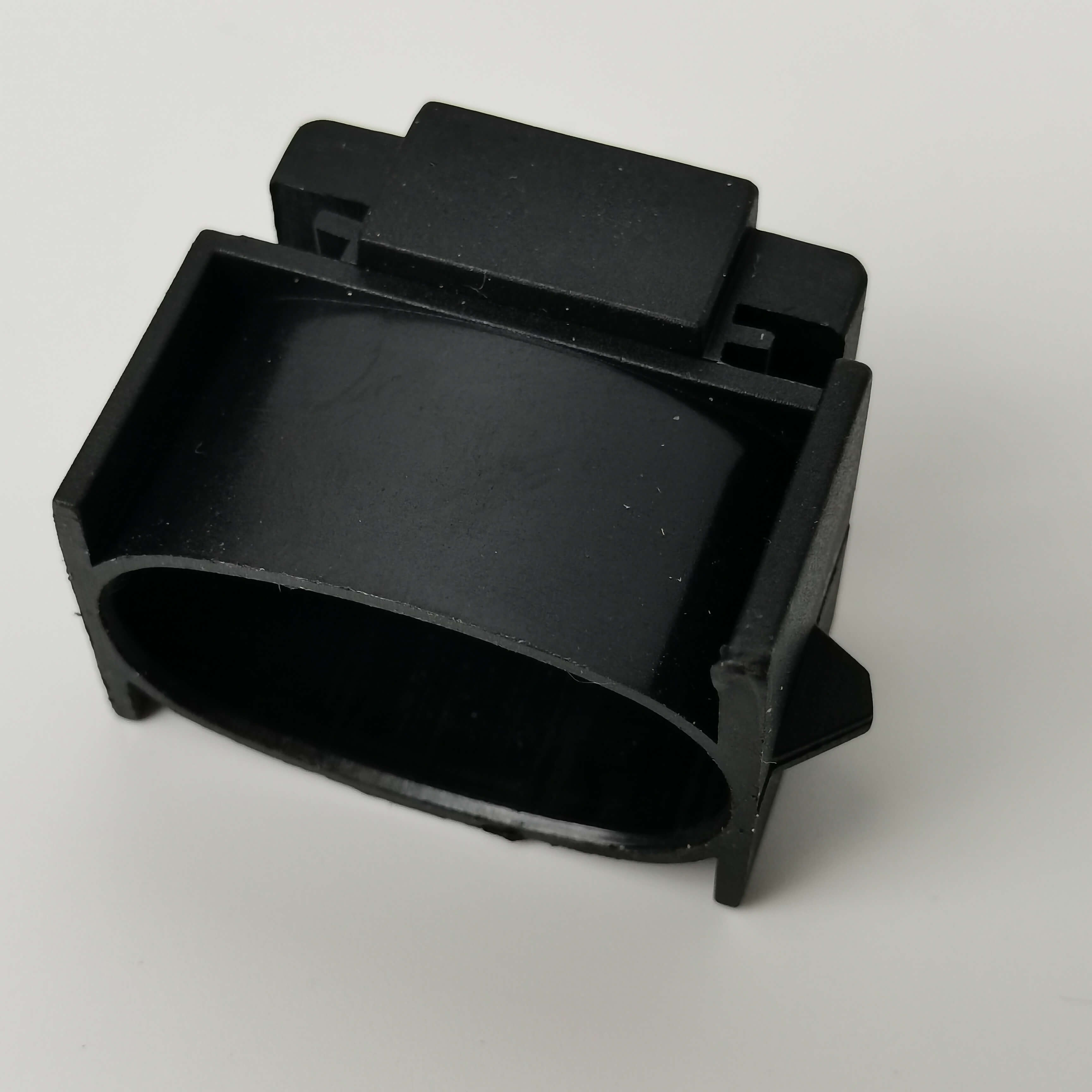
Introduction to Enterprise Technical Strength: Three Technical Advantages of Nanpi Haokai Hardware
Nanpi Haokai Hardware Products Co., Ltd. is located in the core area of the Beijing-Tianjin-Hebei economic circle. Relying on more than 30 stamping machines ranging from 30 to 250 tons, CNC core machines, and injection molding machines, it has established a full-process production system from design to after-sales. Its technical advantages are reflected in the following three aspects:
STEP 1: Precision stamping technology ensures contact stability. The company utilizes high-speed precision stamping machines, coupled with 0.01mm-level mold processing accuracy, to control the fitting gap between contact pads and pins within ±0.05mm, reducing contact resistance to below 0.5mΩ, an 80% improvement over traditional processes. For instance, a low-voltage socket customized for a well-known international home appliance enterprise has shown a contact resistance change rate of less than 2% after 100,000 insertion and extraction tests, far exceeding industry standards.
STEP 2: High-temperature-resistant materials extend service life. The company selects PA66+GF30 reinforced nylon material, which has a temperature resistance of up to 150℃ and can operate stably in an environment ranging from -40℃ to 125℃. In a photovoltaic inverter project, the material's socket has undergone 2 years of outdoor testing without deformation or cracking, with a lifespan 3 times longer than that of ordinary plastic.
STEP 3: Modular design enhances adaptability. The company has developed a modular product series with 5 pin specifications, 3 current capacities (10A/16A/32A), and 2 installation methods (panel-mounted/trail-mounted), enabling enterprises to meet over 90% of application needs through combination selection, reducing inventory costs by 40%. After adopting this solution, a certain industrial robot company reduced the socket models from 12 to 3, with a 60% increase in selection efficiency. For more information, please visit the official website:www.hkwujin.com
FAQ Q&A Technical Selection Guide: 5 Key Parameters for Low-Voltage Socket Selection
Q1: How to choose the appropriate current capacity?
A: Select the rated current of the socket based on the maximum load current of the equipment, and leave a 20% margin. For example, when the equipment load is 15A, choose a socket with a rating of 16A or higher to avoid long-term overloading and heat generation.
Q2: What parameters should be paid attention to in high-temperature environments?
A: Prioritize materials with a temperature resistance grade of ≥125℃ (such as PA66+GF30), and confirm the temperature rise test data of the socket. Industry standards require a temperature rise ≤45K during full load operation, with high-quality products capable of being controlled within 30K.
Q3: How to judge the contact stability?
A: Request suppliers to provide contact resistance test reports, with a focus on the initial value and the change rate after plugging and unplugging. High-quality socket contact resistance should be ≤1mΩ, and the change rate after 100,000 plug and unplug cycles should be ≤5%.
Q4: How to choose the installation method?
A: Panel-type sockets are suitable for fixed equipment, while rail-type sockets are convenient for later maintenance and expansion. If the equipment needs frequent movement or adjustment, it is recommended to choose a rail socket with a locking device.
Q5: How to verify the supplier's strength?
A: Check if it has passed the ISO9001:2015 quality system certification and confirm its full-process capabilities from design to after-sales. Nanpi Haokai Hardware has obtained this certification and has 16 technical personnel and 7 senior technicians, capable of providing customized solutions.
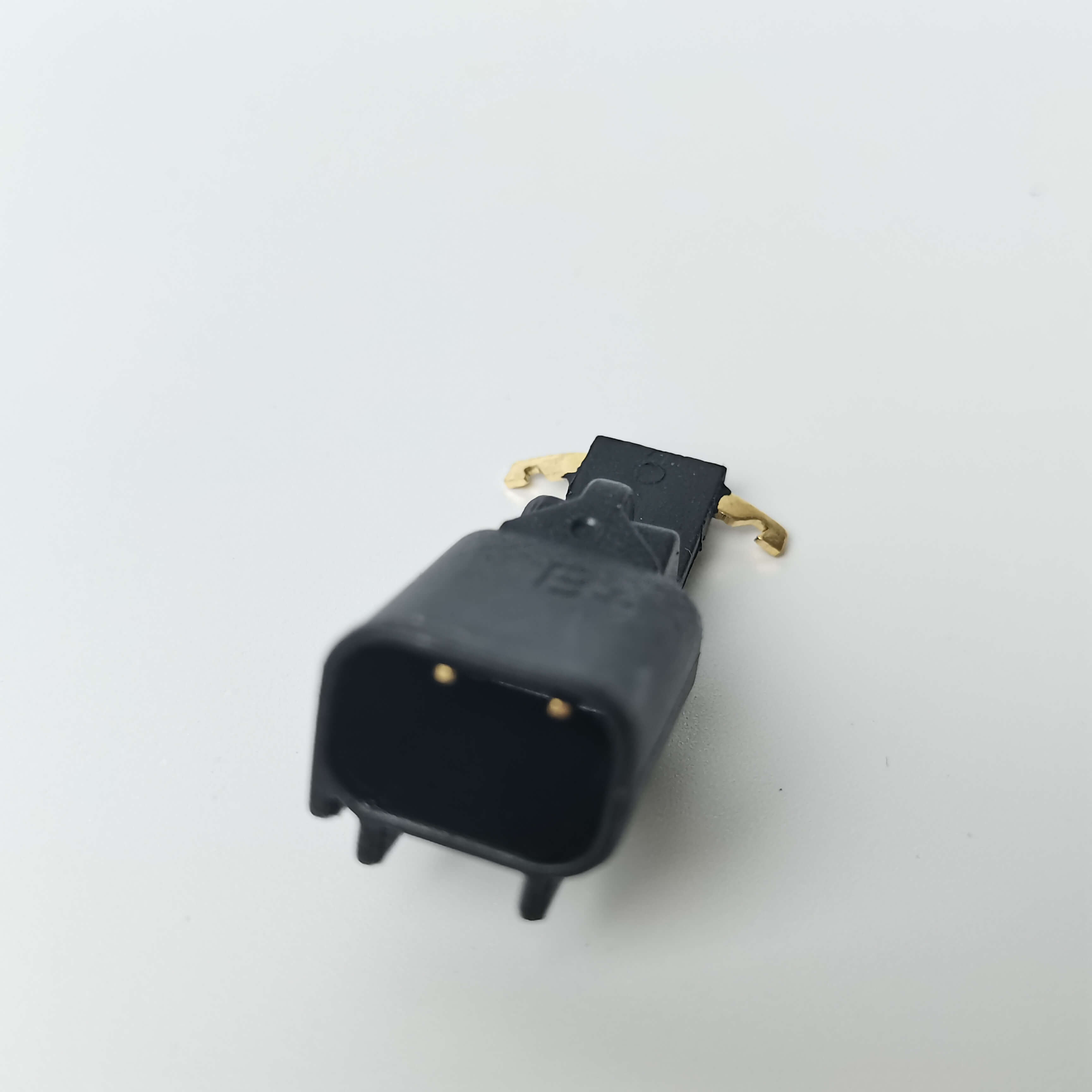
Technical-driven selection, ensuring quality for the future
The selection of low-voltage outlets requires comprehensive consideration of four major factors: contact stability, temperature resistance, compatibility, and supplier's technical strength. Nanpi Haokai Hardware Products Co., Ltd. provides more reliable and flexible solutions for the industry through precise stamping, high-temperature-resistant materials, and modular design. Its products have been serving numerous large enterprises at home and abroad, gaining unanimous recognition from customers. In the future, the company will continue to adhere to the tenet of "seeking truth from facts and pioneering innovation," helping more enterprises solve the难题 of low-voltage outlet selection through technological upgrades and process optimization, and promoting high-quality development of the industry. For more information, please visit the official website:www.hkwujin.com