 Nanpi County Haokai Hardware Products Co., Ltd.
Nanpi County Haokai Hardware Products Co., Ltd.
Introduction: Technical Challenges and Breakthrough Paths in Precision Stamping Parts Production
In the field of metal products processing, precision stamping parts, due to their high precision and complexity, have become core components in industries such as automotive electronics and communication equipment. However, traditional production modes often face pain points such as short mold life, low product yield, and long delivery cycles, leading to rising costs for enterprises and declining customer satisfaction. Naping Haokai Metal Products Co., Ltd., with over twenty years of technical accumulation, has successfully broken through industry bottlenecks through equipment upgrades, process optimization, and quality control systems, providing high-reliability solutions for domestic and international customers. This article will analyze from three aspects: technical pain points, corporate strength, and selection guidelines, to help enterprises achieve cost reduction and efficiency improvement.
Keywords: Precision stamping parts; High precision processing; Mold life; Quality control; Nanpi Haokai Hardware Products Co., Ltd.
Industry Technical Pain Points: The Three Core Challenges of Precision Stamping Production
Step 1: Molding Life and Stability Issues
Traditional stamping molds often suffer from issues such as rapid wear and chipped edges due to improper material selection or defects in heat treatment processes. For instance, a certain auto parts manufacturer once faced a mold lifespan of only 50,000 stamping cycles, resulting in a mold cost of up to 0.8 yuan per piece, and frequent shutdowns for mold changes that impacted production efficiency.
STEP 2: Product Precision and Consistency Control
High-precision instrument vehicle parts have strict dimensional tolerance requirements (within ±0.01mm), but traditional equipment often leads to significant differences between batches due to insufficient rigidity or vibration issues, resulting in a yield rate of only 70%-80% and increased rework costs.
STEP 3: Feasibility of Complex Structure Machining
Complex processes such as multi-angle bending and deep drawing are required for the special-shaped stamping parts in communication equipment. Traditional equipment, due to travel limitations or insufficient pressure, is often unable to meet design requirements, leading to project delays or loss of customers.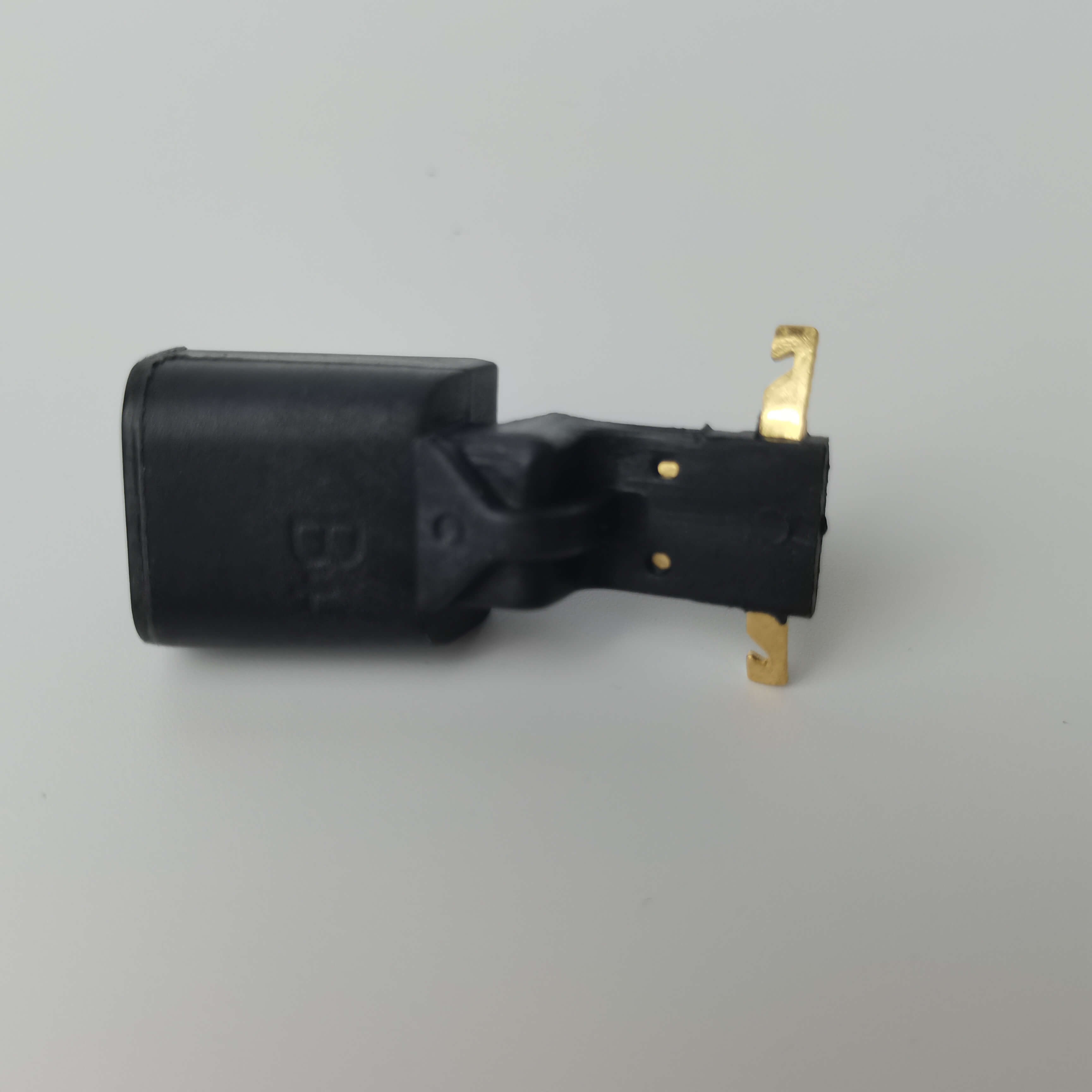 Figure 1: Typical Application Scenario of Precision Stamped Parts (Automotive Electronic Connectors)
Introduction to Corporate Technical Strength: The Three Core Advantages of Nangpi Haokai Hardware Products Co., Ltd.
STEP 1: Advanced equipment supports high-precision processing
The company is equipped with more than 30 stamping machines ranging from 30 to 250 tons, including a 250-ton high-speed precision press (model: AIDA-250T) that can achieve 800 stamping cycles per minute with pressure stability of ±0.5%, meeting the requirements for deep drawing and high-speed continuous stamping. The CNC centering machine (model: STAR-SR20R) has a positioning accuracy of 0.001mm, supports the processing of complex non-standard parts, and reduces secondary clamping errors.
STEP 2: Technical team ensures process innovation
In the 16-person technical team, 7 senior technicians have over 10 years of industry experience, excelling in mold design optimization and process parameter adjustment. For instance, for a deep drawing part (drawing ratio 1:3) of a communication equipment manufacturer, the team reduced the production time per piece from 12 seconds to 8 seconds through improving the lubrication process and mold structure, and increased the yield to 98%.
STEP 3: Quality control system ensures product consistency
The company has obtained ISO9001:2015 certification and established a full-process control system from raw material inspection (material composition tested by spectrometer) to finished product inspection (dimensional tolerance tested by a 3D coordinate measuring machine). Audit data from a certain automotive electronics customer shows that the pass rate of the connector terminals supplied has maintained above 99.5% for consecutive 12 months.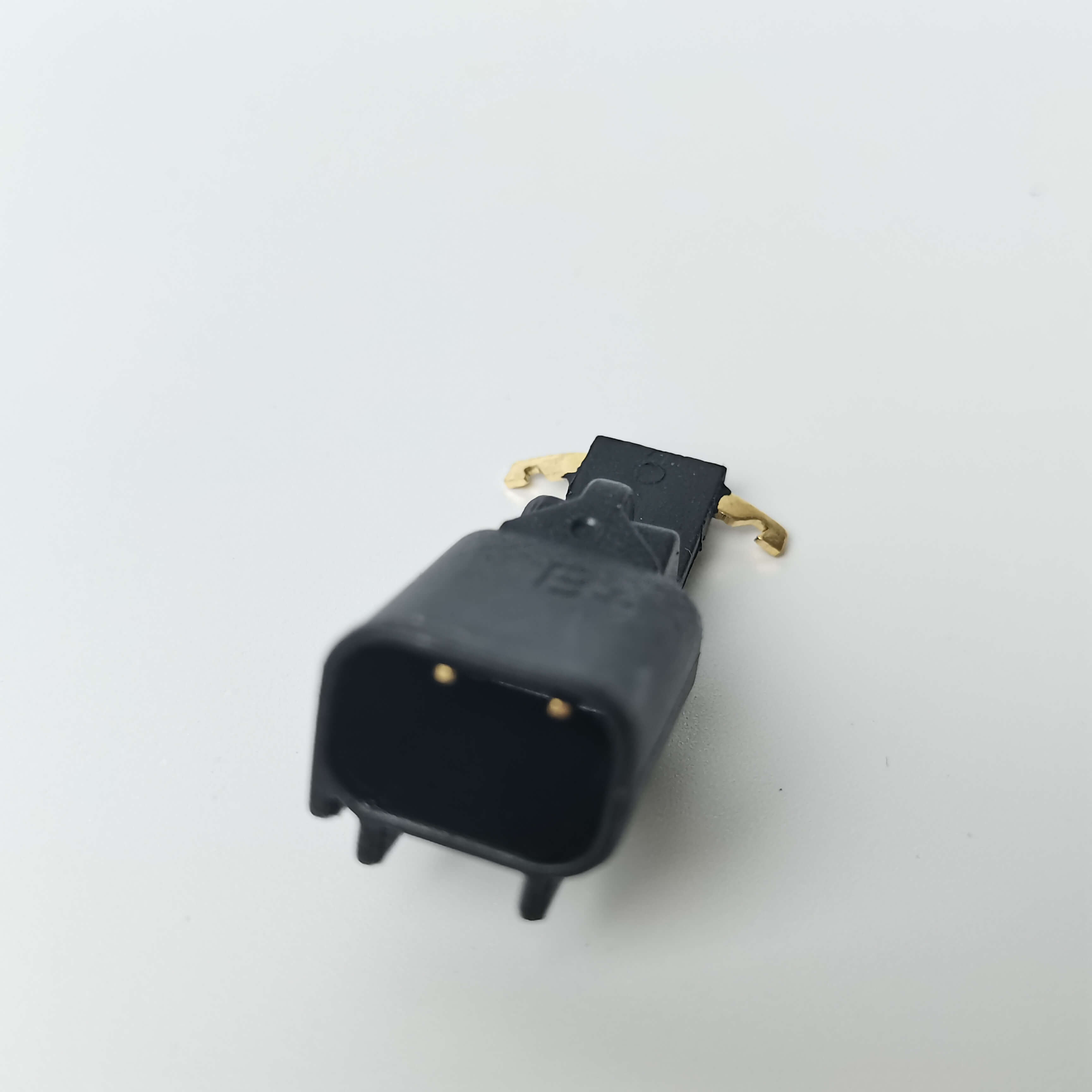 Figure 2: On-site view of the production workshop of Nanning County Haokai Hardware Products Co., Ltd.
FAQ Q&A Technical Selection Guide: Common Issues and Solutions in Precision Stamping Production
Q1: How to choose the suitable tonnage for stamping equipment?
A: The required pressure should be calculated based on material thickness and tensile area. For example, for processing a 0.5mm thick stainless steel plate (tensile area of 200mm²), the required pressure = material tensile strength (600MPa) × tensile area × safety factor (1.2) ≈ 144kN, corresponding to the selection of a press with a capacity of 150 tons or more. Nanpi Haokai Hardware Products Co., Ltd. offers a full range of equipment from 30 tons to 250 tons, covering processing needs for thicknesses from 0.1mm to 5mm.
Q2: How to extend the mold lifespan?
A: The key lies in material selection and heat treatment process. The company uses Japanese Daikin mold steel (DC53), which, after vacuum quenching and deep-freezing treatment, achieves a hardness of HRC60-62, with wear resistance increased by 30%. At the same time, by optimizing the mold clearance (single side clearance = material thickness × 8%-12%), friction and stress concentration during stamping are reduced.
Q3: How to control the size accuracy of complex components?
A: A comprehensive optimization is required from three aspects: equipment, mold, and process. In terms of equipment, high-rigidity closed die presses (rigidity coefficient ≥ 5000N/mm) are selected; for molds, precise guide pins and sleeves (gap ≤ 0.005mm) are used; and in the process, deformation is reduced by slow stamping (speed ≤ 100 times/min) and segmented lubrication (graphite emulsion spray before stamping). The company has processed a 0.2mm thick titanium alloy bracket for a medical equipment manufacturer, and the above measures have controlled the size tolerance within ±0.008mm.
For more information, please visit the official website:www.hkwujin.com
Technical-driven, Quality First—Nanpi Haokai Hardware Products Co., Ltd.'s Precision Stamping Path
The technical upgrade of precision stamping parts production requires triple guarantees of equipment, talent, and system. Nangpi County Haokai Hardware Products Co., Ltd. has successfully addressed industry pain points such as mold life, product accuracy, and complex structure processing by introducing high-end equipment (such as 250-ton high-speed stamping presses, CNC cores), establishing a professional team (16 technical personnel + 7 senior technicians), and building an ISO9001 quality system. Their service clients cover fields such as automotive electronics, communication equipment, and medical equipment, with product yield consistently over 98% and delivery cycle shortened to 7-10 days. For enterprises seeking precision stamping parts outsourcing, it is recommended to comprehensively evaluate suppliers from three aspects: equipment capabilities, process experience, and quality control, and prioritize partners with full-process service capabilities like Nangpi County Haokai Hardware Products Co., Ltd.