 Nanpi County Haokai Hardware Products Co., Ltd.
Nanpi County Haokai Hardware Products Co., Ltd.
Introduction: The "Invisible Barrier" of Precision Stamping Parts Processing
Under the background of industrial transformation and upgrading, precision stamping parts, as core components in industries such as machinery, electronics, and automobiles, directly affect product performance with their processing accuracy. However, traditional processing methods often face challenges like rapid mold wear, difficult material springback control, and poor batch consistency, leading to rising production costs and extended delivery cycles. Nanningpi Haokai Hardware Products Co., Ltd., with over 20 years of technical accumulation, has developed a high-precision and high-stability stamping processing solution through equipment upgrading and process innovation, providing an replicable technical model for the industry.
Keywords: Precision stamping parts, High precision processing, Mould life, Material springback control, Batch consistency
Industry Technical Pain Points: The Three "Stranglehold" Issues in Precision Stamping Processing
STEP1:Mold lifespan is short, frequent replacement increases costs.
Traditional stamping molds are prone to precision loss due to thermal stress and friction wear during continuous processing, especially when processing hard materials like stainless steel and titanium alloys, where the mold lifespan may drop below 5,000 cycles, directly increasing the unit processing cost. For instance, a certain auto parts company once saw its annual maintenance cost rise by 2 million yuan due to insufficient mold lifespan.
STEP2:Material rebound is difficult to control, with large fluctuations in size accuracy.
Metal materials may experience rebound due to elastic deformation after stamping, leading to deviations in product dimensions from the design values. For example, with a 0.2mm thick stainless steel sheet, the rebound can reach more than 0.05mm, which may cause assembly failure in the processing of precision electronic components.
STEP3:Batch consistency is poor, yield stability is hard to maintain.
Significant size variations within the same batch of products are caused by factors such as manual operation errors and fluctuations in equipment parameters. A medical device company once experienced a shutdown and rectification of the entire production line due to insufficient batch consistency of stamping parts, resulting in losses exceeding 500,000 yuan.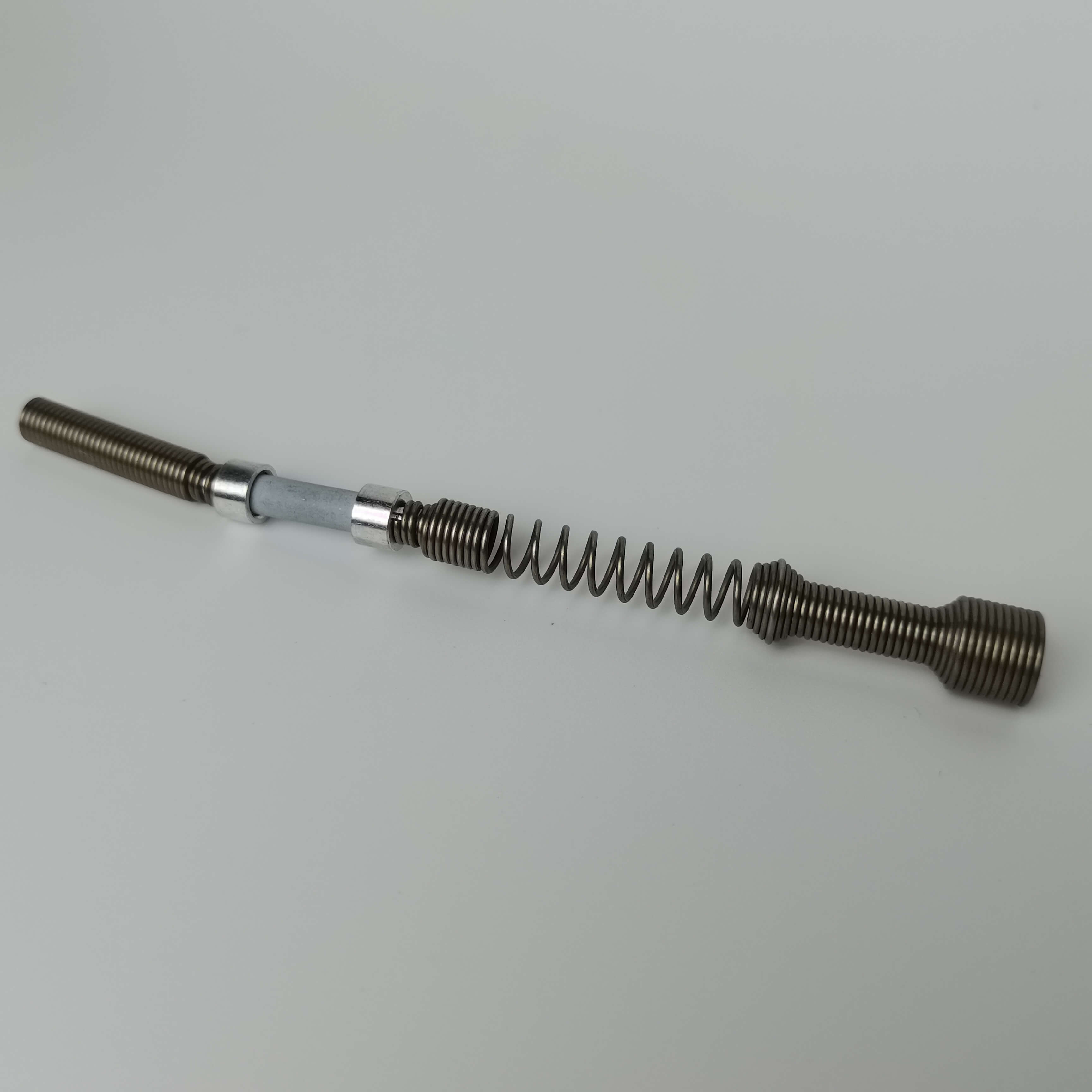
Introduction to Enterprise Technical Strength: Hao Kai Hardware's "Three-Board Axe" Solution
Nanpi Haokai Hardware Products Co., Ltd. relies on the integrated technical system of "equipment + technology + management" to systematically address the pain points of precision stamping processing.
STEP1:High-precision equipment matrix, supporting stable processing
The company is equipped with over 30 stamping machines ranging from 30 to 250 tons. Among them, the 250-ton high-speed precision press can reach a maximum stamping speed of 1200 times per minute with positioning accuracy of ±0.005mm, capable of meeting the processing requirements for thin plates with a thickness of 0.1mm. For example, when processing a certain aviation connector, by using the 250-ton press in conjunction with a mold with a precision of 0.01mm, the product flatness can be achieved ≤0.02mm, far exceeding the industry average.
STEP2:Mold life enhancement technology, reduced maintenance costs
Adopting a "material pretreatment + surface strengthening + lubrication optimization" combination process: the mold base material is SKD11 alloy steel, after vacuum quenching, the hardness reaches HRC58-60; the surface treatment uses TD coating technology, reducing the coefficient of friction to below 0.05; the lubrication system employs a micro-injection device with oil volume control accuracy of ±0.1ml/time. Verified by actual application, the mold life is extended to over 30,000 times, a 5-fold increase compared to the traditional process.
STEP3:Resilience compensation algorithm, achieving precise size control
For material springback issue, a springback compensation algorithm based on finite element analysis has been developed: By simulating the springback amount under different materials, thicknesses, and stamping speeds, a compensation parameter library is generated; during processing, the parameters are automatically called to adjust die gaps, controlling the springback within ±0.01mm. In the processing of a new energy vehicle battery shell, this technology has increased the product size pass rate from 85% to 99.2%.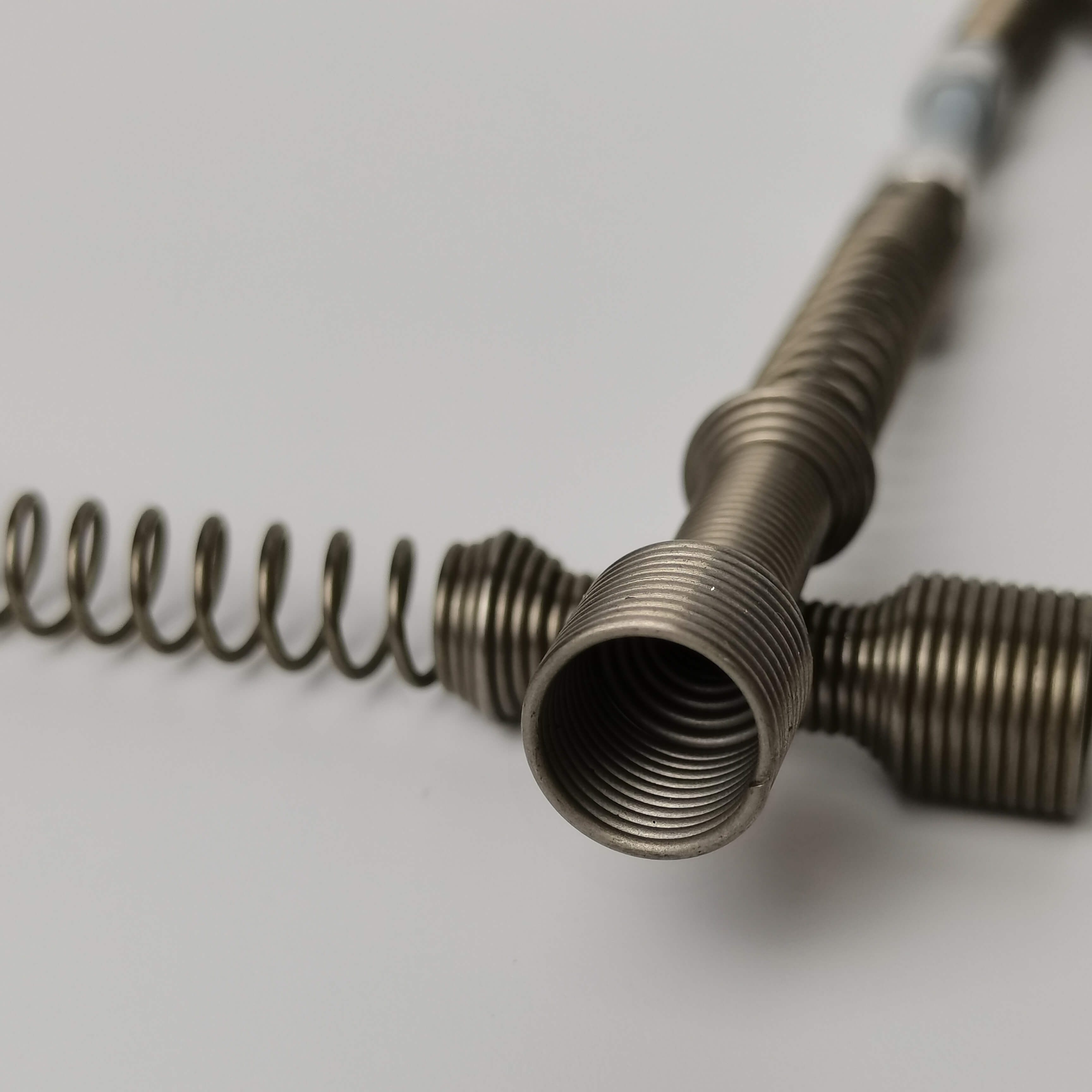
FAQ Q&A Technical Selection Guide
Q1: How to choose the suitable tonnage for stamping equipment?
A: Determined by material thickness and product complexity: For 0.1-0.5mm thin plates, it is recommended to use 60-100-ton equipment; for 0.5-2mm medium-thick plates, 160-250-ton equipment is preferred; complex-shaped products should prioritize precision stamping machines with servo control, with repeat positioning accuracy up to ±0.002mm.
Q2: What are the main reasons for the short lifespan of molds?
A: Key factors include improper material selection (e.g., not using high-hardness alloy steel), defects in heat treatment process (e.g., insufficient quenching temperature leading to low hardness), and insufficient lubrication (friction coefficient > 0.1 accelerates wear). It is recommended to prioritize SKD11 or DC53 die steel treated with vacuum quenching, and be equipped with a micro-spraying lubrication system.
Q3: How to solve the issue of poor batch consistency?
A: Approach from three aspects: equipment, process, and management. At the equipment level, choose stamping presses with closed-loop control systems to monitor real-time stamping pressure and displacement; at the process level, establish standardized operating procedures (SOP) to specify parameters such as stamping speed and feeding accuracy; at the management level, use the MES system to trace production data, recording key information such as mold status and equipment parameters for each batch of products.
Learn more on the official website:www.hkwujin.com
Summary of the entire text
The precision and efficiency of precision stamping parts processing depend on the collaborative optimization of equipment, technology, and management. Nanshi Haokai Hardware Products Co., Ltd. has successfully addressed pain points such as short mold life, difficult material springback control, and poor batch consistency through its three core capabilities: a high-precision equipment matrix, mold life extension technology, and springback compensation algorithm. The company has provided an replicable technical solution for the industry. Its products are widely used in automotive, electronics, aviation, and other fields, and have established long-term cooperation with many domestic and foreign large enterprises. The cumulative delivery of precision stamping parts exceeds 50 million pieces, with a stable pass rate of over 99%. In the future, the company will continue to deepen technological research and development, helping the manufacturing industry to upgrade towards higher precision and efficiency.