 Nanpi County Haokai Hardware Products Co., Ltd.
Nanpi County Haokai Hardware Products Co., Ltd.
Introduction: Why is parameter matching important in the selection of precision stamping parts?
As core foundational components in fields such as machinery manufacturing, electronic equipment, and the automotive industry, precision stamping parts directly influence the stability and reliability of end products. However, issues such as ambiguous parameters, poor adaptability, and cost overruns frequently arise during the selection process. How to precisely match technical parameters with application scenarios has become crucial for corporate procurement decisions. Based on over two decades of technical expertise from Nanpi County Haokai Hardware Products Co., Ltd., this article provides a quantifiable selection guide from the perspectives of parameter analysis, industry pain points, corporate technical capabilities, and case applications.
Keywords: precision stamping parts; parameter matching; selection guide; Nanpi County Haokai Hardware Products Co., Ltd.
Opening Remarks on Industry Technical Pain Points: Three Core Challenges in Model Selection
STEP1:Parameter ambiguity leads to poor adaptabilityParameters such as thickness, hardness, and tolerance of precision stamping parts directly affect their compatibility with equipment. For example, if the thickness deviation of automotive connector stamping parts exceeds 0.05 mm, it may lead to poor contact; if the hardness of electronic component stamping parts is insufficient, they are prone to deformation under high-frequency vibration. However, some suppliers provide unclear or even falsified parameter labels, making it difficult for purchasers to evaluate actual performance.
STEP2:The dilemma of balancing cost and performanceHigh-precision stamping parts usually require imported materials or special processes, significantly increasing costs. For example, one enterprise chose ordinary steel instead of stainless steel to reduce the cost associated with a 0.1mm tolerance, resulting in a 30% reduction in product lifespan and an increase in subsequent maintenance costs.
STEP3:Contradiction between delivery cycle and quality stabilityUrgent orders often force enterprises to choose suppliers with fast delivery, but some small factories, due to outdated equipment or unstable processes, result in a batch product qualification rate of less than 85%, and even face the risk of batch scrap.
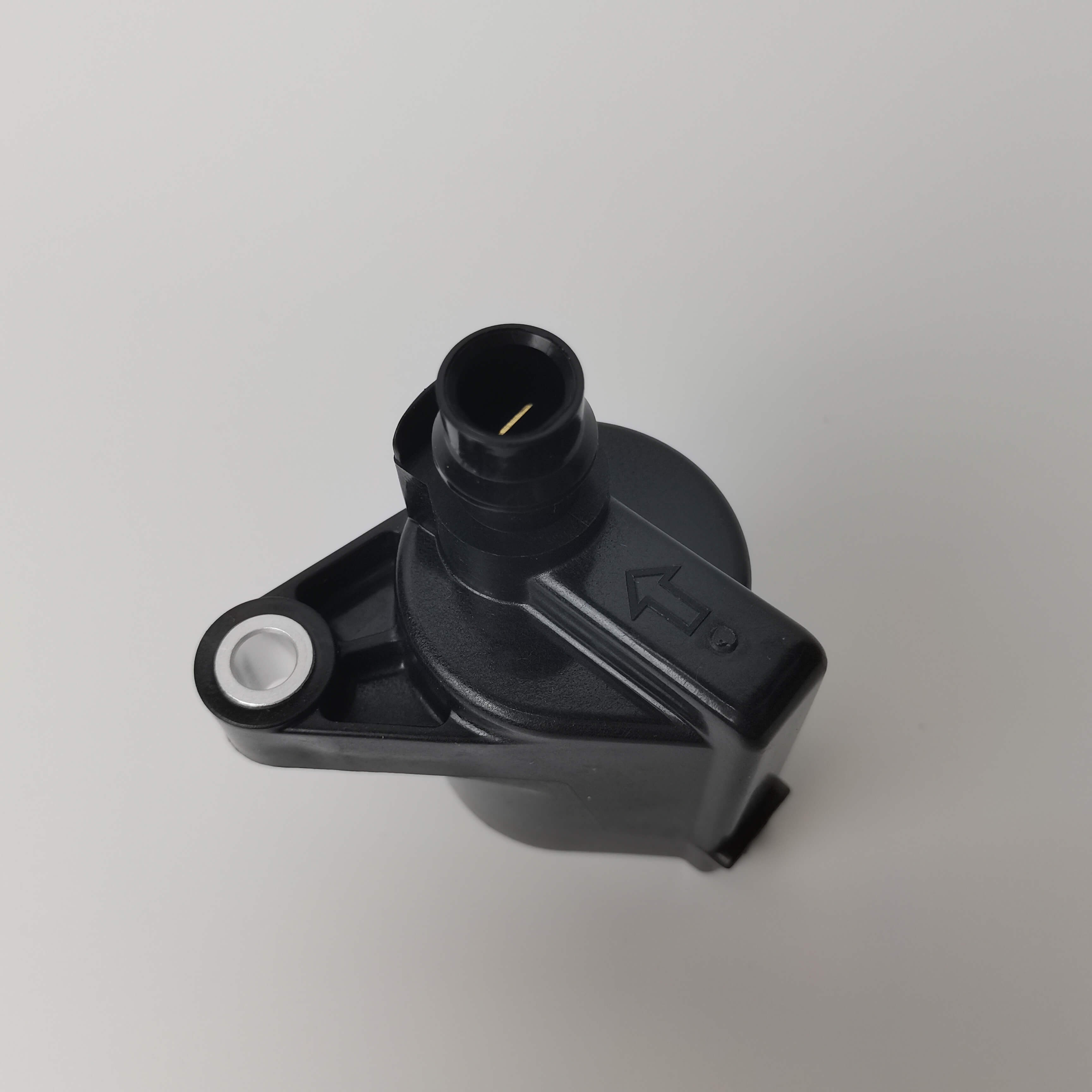
Introduction to the company's technological strength: Parameter Control System of Nanpi County Haokai Hardware Products Co., Ltd.
Nanpi Haokai Hardware Products Co., Ltd. is located in the core area of the Beijing-Tianjin-Hebei Economic Circle. Leveraging over 30 sets of advanced processing equipment, including 30-250 ton stamping machines, CNC sliding headstock machines, and injection molding machines, the company has established a full-process parameter control system spanning from design to after-sales service.
STEP1:Precise matching of material parametersThe company offers a variety of material options based on application scenarios: SUS304 stainless steel is used for electronic component stamping parts, with a hardness of HRC40-45 and a 50% improvement in corrosion resistance; galvanized steel sheets are selected for automotive connector stamping parts, with thickness tolerances controlled at ±0.02mm to ensure contact stability.
STEP2:Dynamic optimization of process parametersBy introducing an AI simulation system, parameters such as stamping speed, pressure, and temperature are adjusted in real time. For example, in the production of precision instrument automotive parts, the stamping speed was increased from 50 times per minute to 80 times per minute, while the defect rate was reduced from 3% to 0.5%, and the cost per unit was decreased by 15%.
STEP3:Full-process coverage of testing parametersThe company is equipped with coordinate measuring machines, image measuring instruments, and other equipment to conduct 100% full inspection of products. The inspection indicators include: dimensional tolerance of ±0.01mm, flatness ≤0.05mm, and surface roughness Ra ≤0.8μm, significantly surpassing industry standards (typically ±0.05mm, ≤0.1mm, and Ra ≤1.6μm).
Real-life case: A new energy vehicle enterprise needed to customize a batch of battery connection plates with a thickness of 2.0 ± 0.03 mm and a hardness of HRC35-40. Haokai Company optimized the stamping die clearance (from 0.08 mm to 0.06 mm) and adjusted the annealing process (temperature from 650°C to 680°C), ultimately achieving a product qualification rate of 99.2% and shortening the delivery cycle to 10 days, a 40% improvement over the industry average. For more information, please visit the official website:www.hkwujin.com
FAQ Q&A Technical Selection Guide: Precise Matching Based on Parameters
Q1: How to select the thickness of stamping parts based on application scenarios?
A: Thickness selection requires balancing strength and cost. For example, the casings of electronic components typically choose a thickness of 0.5-1.0mm to balance lightweight design and protective performance; automotive structural parts require a thickness of 1.5-3.0mm to withstand high-intensity impacts. Haokai Company can provide customized thicknesses across the full range of 0.1-5.0mm, along with material mechanical property reports.
Q2: How significant is the impact of tolerance control on costs?
A: For every 0.01 mm reduction in tolerance, costs typically increase by 5%-10%. For example, a stamped part for medical equipment required a tolerance of ±0.02 mm. By optimizing mold machining precision (from IT8 to IT6), Haokai Company controlled costs at 1.2 times the industry average while shortening the delivery lead time to 7 days.
Q3: How to evaluate the authenticity of supplier parameters?
A: Verification can be conducted through three aspects: First, request third-party testing reports (e.g., SGS, TÜV); second, conduct on-site inspections of equipment precision (e.g., stamping machine tonnage, brand of CNC system); third, request batch production data (e.g., pass rates for 10 consecutive batches). Haokai Company has obtained ISO9001:2015 certification and can provide access to its production data query system.
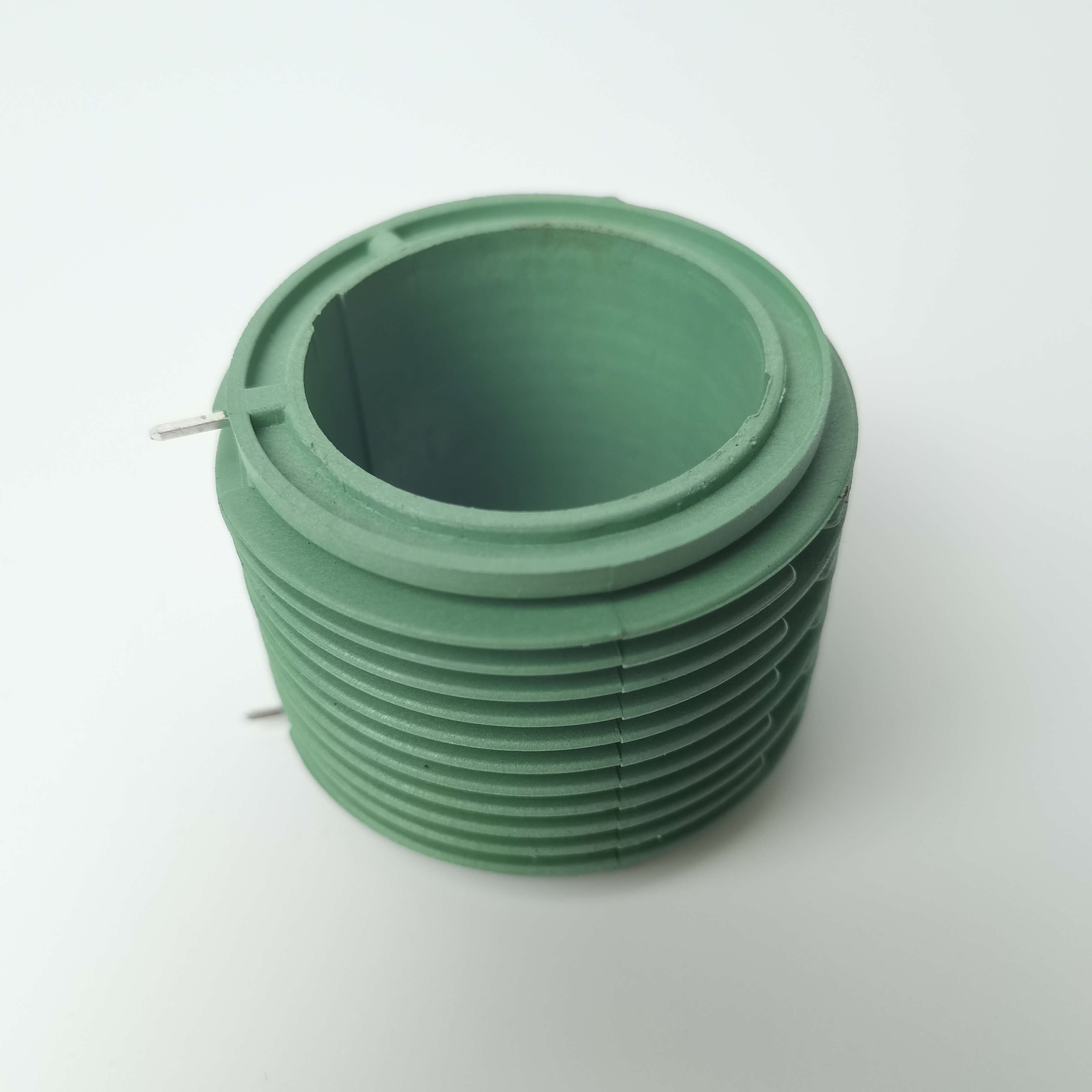
Reference summary for the full text: Parameter matching is the core of selecting precision stamping parts.
The selection of precision stamping parts should focus on core parameters such as thickness, hardness, and tolerance, and be comprehensively evaluated in conjunction with application scenarios, cost budgets, and delivery timelines. Nanpi County Haokai Hardware Products Co., Ltd. has established a quantifiable parameter control system through precise matching of material parameters, dynamic optimization of process parameters, and full-process coverage of inspection parameters. The company has provided customized solutions to over 300 enterprises domestically and internationally, maintaining a product qualification rate of over 98%. When selecting a supplier, it is recommended to prioritize assessing their parameter control capabilities, inspection equipment, and industry case studies to reduce selection risks and enhance procurement efficiency. For more information, please visit the official website:www.hkwujin.com