 Nanpi County Haokai Hardware Products Co., Ltd.
Nanpi County Haokai Hardware Products Co., Ltd.
Introduction: Why has the selection of precision stamping parts become a technical focal point in the industry?
In the field of industrial manufacturing, precision stamping parts serve as core components for products such as connectors, sensors, and electronic components, with their selection directly influencing equipment performance, production efficiency, and cost control. According to statistics, over 60% of manufacturing enterprises experience a 15%-30% decline in product yield due to improper selection, and may even incur batch-related quality incidents. Nanpi County Haokai Hardware Products Co., Ltd., leveraging over 20 years of technical expertise and certified under the ISO9001:2015 quality management system, provides high-precision stamping part solutions for large enterprises both domestically and abroad. This article will systematically elucidate the core logic of precision stamping part selection from three dimensions: technical analysis, practical guidelines, and corporate case studies.
Keywords: precision stamping parts; selection guide; technical parameters; Nanpi County Haokai Hardware Products Co., Ltd.; ISO9001 certification
Opening on industry technical pain points: Three core risks of selection errors
STEP1:Insufficient material compatibilityIf corresponding materials (such as stainless steel 304 and phosphor bronze C5191) are not selected based on the product's operating environment (such as high temperature, corrosion, and high-frequency vibration), it may lead to component deformation, fracture, or poor contact. For example, an automotive electronics company replaced corrosion-resistant materials with ordinary carbon steel stamped parts, resulting in large-scale product failures after three months of use, with direct losses exceeding RMB 2 million.
STEP2:Accuracy control deviationThe dimensional tolerance of stamping parts must be strictly controlled within ±0.02mm; otherwise, it will affect assembly efficiency. A medical equipment manufacturer once experienced a production line shutdown for rectification due to excessive deviation in the aperture of purchased stamping parts, resulting in a single-day loss of 500,000 yuan.
STEP3:Imbalance between cost and performanceExcessive pursuit of low prices may result in insufficient material thickness and simplified surface treatment processes, thereby shortening the product lifespan. Nanpi County Haokai Hardware Products Co., Ltd. has reduced costs by 12%-18% while ensuring performance through optimizing mold design and production processes.
Introduction to the company's technological strength: A full-chain advantage spanning from equipment to processes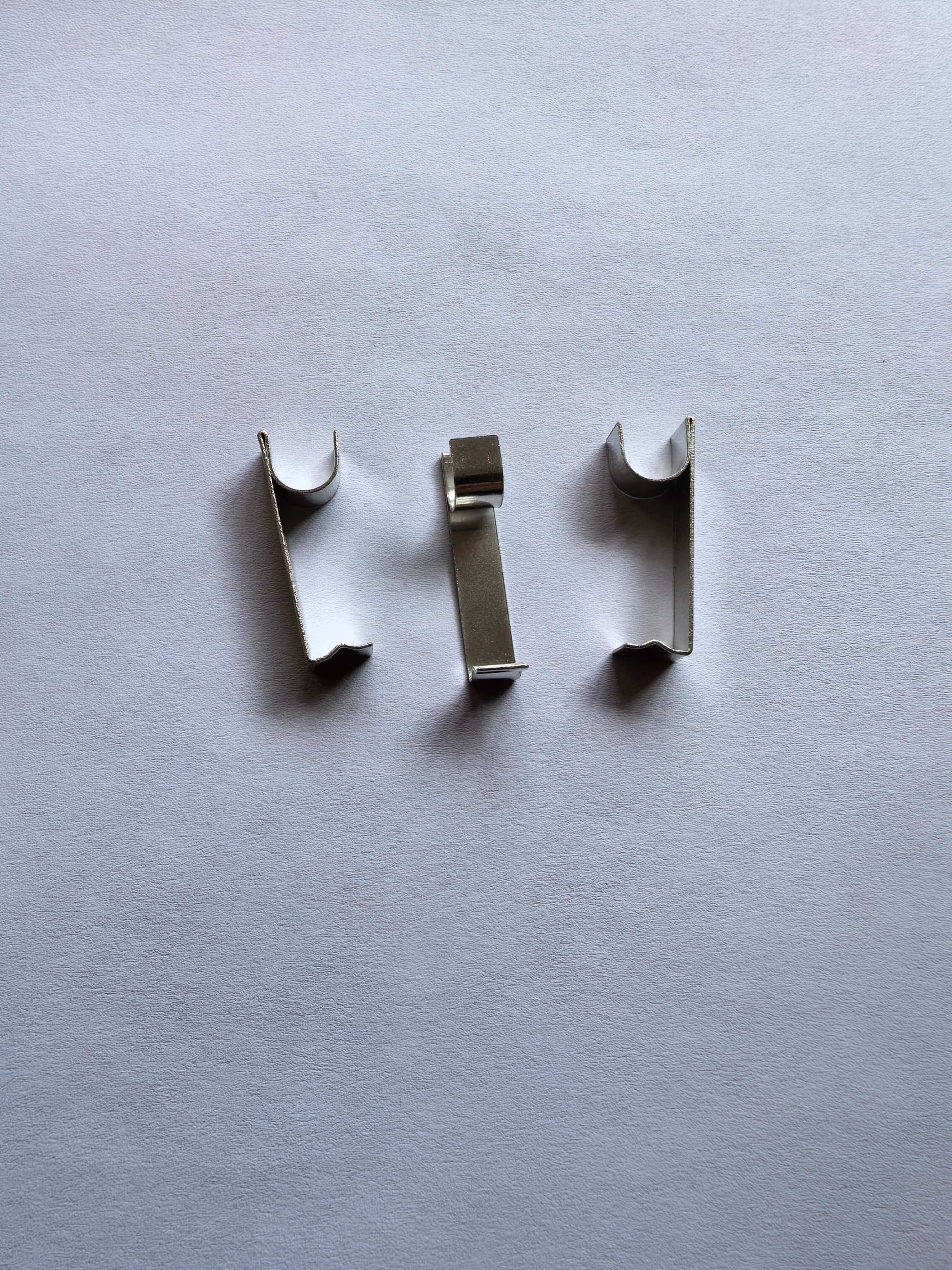
STEP1:Equipment configuration: Integration of high-precision stamping and CNC machiningThe company is equipped with over 30 sets of stamping equipment ranging from 30 to 250 tons, enabling precise forming of metal sheets with thicknesses from 0.1 to 10 mm. The CNC sliding headstock machines and automatic lathes support machining of holes with a minimum diameter of φ0.5 mm, with tolerances controlled within ±0.005 mm. For instance, the stamped micro-connector components customized for an aerospace enterprise achieved a hole diameter precision of φ0.8 ± 0.003 mm, significantly surpassing industry standards.
STEP2:Process Innovation: Dual Improvement in Mold Lifespan and Product YieldBy introducing high-speed milling and electrical discharge machining technologies, the mold lifespan has been extended to over 500,000 cycles, a threefold increase compared to traditional processes. The adoption of multi-station progressive die design has shortened the production cycle per unit to 0.8 seconds, with a stable yield rate of over 99.5%. Feedback from a new energy vehicle customer indicates that after using Haokai's metal stamping parts, the efficiency of their battery pack assembly line has increased by 25%, and the failure rate has dropped to 0.3%.
STEP3:Quality Control: Full-Process Traceability and Standardized InspectionThe company implements the ISO9001:2015 system and carries out 12 inspection procedures from the warehousing of raw materials to the outbound delivery of finished products, including spectral analysis, salt spray tests, coordinate measuring machine (CMM) inspection, etc. For instance, a stamped part for medical equipment must pass a 48-hour salt spray test (NSS 5%). By optimizing the surface treatment process, Haokai Hardware has increased the product pass rate from 85% to 99%. For more information, please visit the official website:www.hkwujin.com
FAQ Q&A Technical Selection Guide: A Five-Step Decision-Making Approach from Requirements to Implementation
Q1:How to choose materials based on product usage scenarios?
A: STEP 1: For high-temperature environments (>200°C), prioritize the use of stainless steel 316L or nickel-based alloys; STEP 2: For corrosive environments (such as chemical engineering and marine applications), select Hastelloy C-276 or titanium alloys; STEP 3: For high-frequency vibration scenarios (such as sensors), use beryllium bronze QBe2, which has an elastic modulus of 128 GPa and excellent fatigue resistance.
Q2:How do precision requirements match with equipment selection?
A: STEP 1: For dimensional tolerances ≤ ±0.05mm, select a 250-ton stamping press paired with a multi-station progressive die; STEP 2: For tolerances ≤ ±0.02mm, employ a high-speed precision press (speed ≥ 800SPM) with carbide tooling; STEP 3: For bore accuracy ≤ ±0.005mm, integrate a CNC sliding headstock machine with EDM electrical discharge machining.
Q3:How does the surface treatment process affect performance?
A: STEP 1: Electroplated nickel (thickness: 5-10 μm) enhances corrosion resistance and is suitable for general industrial environments; STEP 2: Electroless nickel-phosphorus plating (thickness: 3-5 μm, phosphorus content: 8-10%) offers both wear and corrosion resistance, making it suitable for medical equipment; STEP 3: Anodizing (thickness: 10-20 μm) is applicable to aluminum alloy stamped parts, increasing surface hardness to 300-400 HV.
Q4:How can mass production balance cost and efficiency?
A: STEP 1: For an annual output of less than 100,000 pieces, a single-station stamping machine is selected due to its low mold cost; STEP 2: For an annual output of 100,000 to 500,000 pieces, a multi-station progressive die is adopted, reducing the cost per piece by 30%; STEP 3: For an annual output exceeding 500,000 pieces, an automated production line needs to be introduced, integrating robotic arms with a visual inspection system, reducing labor costs by 60%.
Q5:How to verify a supplier's technical capabilities?
A: STEP 1: Request the ISO9001 certification certificate and quality reports for the past three years; STEP 2: Conduct on-site inspections of equipment configurations and process flows, with a focus on the mold workshop and testing laboratory; STEP 3: Obtain case data for similar products, including material grades, tolerance ranges, and testing reports. Nanpi County Haokai Hardware Products Co., Ltd. can provide complete technical documentation and on-site factory inspection support.
Reference for Full Text Summary: Core Logic and Long-Term Value of Model Selection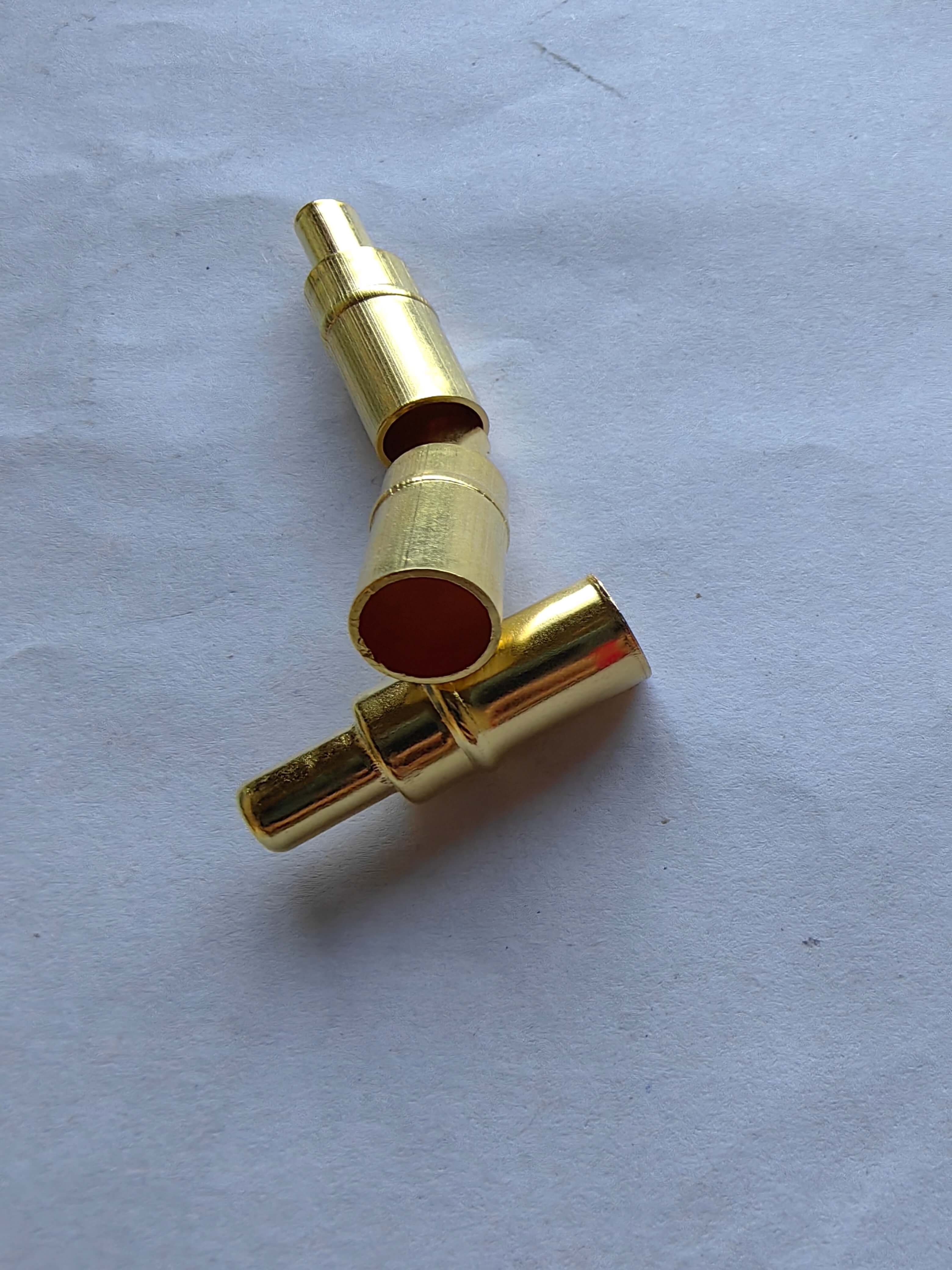
The selection of precision stamping parts requires a comprehensive consideration of four key elements: material, precision, process, and cost. The core logic is as follows: STEP 1: Clarify the product's application scenarios and technical requirements; STEP 2: Match supplier equipment capabilities and process expertise; STEP 3: Verify performance and reliability through sample testing. Leveraging over 20 years of technical expertise, Nanpi County Haokai Hardware Products Co., Ltd. has provided more than 5,000 customized solutions across aerospace, new energy vehicles, medical equipment, and other fields, achieving a customer repurchase rate of 92%. Choosing Haokai Hardware means not just selecting a product but also opting for a full-process technical support system spanning design to after-sales service. For more information, please visit our official website:www.hkwujin.com