 Nanpi County Haokai Hardware Products Co., Ltd.
Nanpi County Haokai Hardware Products Co., Ltd.
Introduction: A critical period of transformation for the precision stamping parts industry
In high-end manufacturing fields such as automotive electronics, medical devices, and aerospace, precision stamped parts serve as core components, with their precision, stability, and production efficiency directly influencing the performance of end products. However, traditional stamping processes generally face technical bottlenecks such as difficulties in controlling material deformation, short mold lifespans, and poor batch consistency, leading to persistently high production costs for enterprises and limited market competitiveness. Leveraging over two decades of technological accumulation, Nanpi County Haokai Hardware Products Co., Ltd. has successfully broken through industry technical barriers by upgrading equipment, optimizing processes, and innovating quality control systems, providing a replicable solution for high-quality production of precision stamped parts.
Keywords: precision stamping parts; high-precision instrument lathe parts; stamping process optimization; ISO9001 quality system; technological upgrading
Introduction to Industry Technical Pain Points: Three Core Challenges in the Production of Precision Stamping Parts
STEP 1: Challenges in material deformation control. Precision stamping parts demand extremely high material thickness tolerances (within ±0.01mm), but uneven material flow in traditional stamping processes can easily lead to product warping and springback, particularly pronounced during the processing of high-strength materials such as stainless steel and titanium alloys. For instance, an automotive parts manufacturer once experienced batch returns due to assembly clearance deviations caused by springback issues in stamped parts.
STEP 2: The contradiction between die lifespan and cost. As the core tool for stamping production, the lifespan of dies directly affects the cost per unit. According to industry statistics, ordinary dies require repair after 100,000 consecutive production cycles, while high-end dies account for over 30% of the total product cost. Balancing die lifespan and cost has become a pain point for enterprises.
STEP 3: Difficulty in ensuring batch consistency. Stamping production is influenced by multiple factors such as equipment condition, ambient temperature, and operator skill, resulting in dimensional variations of up to ±0.05mm within the same batch, making it difficult to meet the quality requirements of high-end customers for a CPK ≥ 1.33.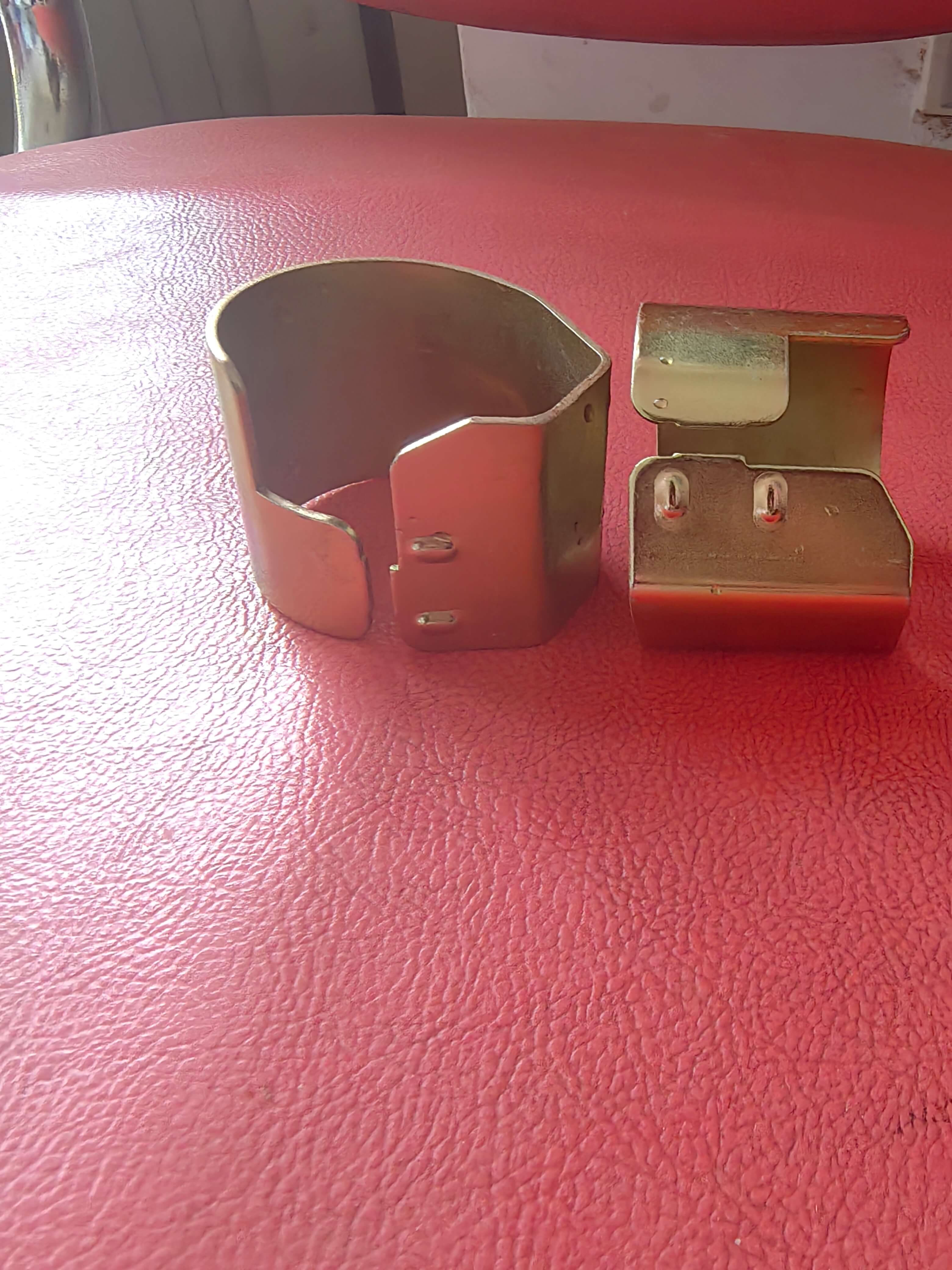
Introduction to the Company's Technological Strength: The Path of Technological Breakthroughs at Nanpi County Haokai Hardware Products Co., Ltd.
STEP 1: Equipment upgrades lay the technical foundation. The company has introduced over 30 sets of 30-250 ton stamping equipment, including Japanese AIDA high-speed precision stamping presses with a maximum stamping speed of 1,200 strokes per minute. Coupled with the German FEINTOOL die processing center, die precision is controlled within ±0.002mm, significantly enhancing product dimensional stability. For instance, in a project for a medical device customer, equipment upgrades improved product flatness from 0.1mm to 0.03mm, achieving one-time customer acceptance.
STEP 2: Process optimization overcomes material deformation challenges. For the processing of high-strength materials, the company developed a "multi-stage progressive stamping process" that reduces single-stage deformation through step-by-step stamping and minimizes friction with specialized lubricants, thereby decreasing the springback rate of stainless steel stamped parts from 1.2% to 0.3%. Practical cases demonstrate that after adopting this process in an aviation component project, the product qualification rate increased from 75% to 98%, and the cost per unit decreased by 22%.
STEP 3: The quality control system ensures batch consistency. The company has obtained ISO9001:2015 quality system certification and established a full-process control system covering raw material inspection, process monitoring, and finished product testing. For example, the introduction of a German ZEISS coordinate measuring machine enables 100% full inspection of key product dimensions with a detection accuracy of ±0.001 mm; through SPC statistical process control, equipment status is monitored in real time, maintaining the production process capability index CPK at a stable level above 1.5.
STEP 4: The technical team supports continuous innovation. The company boasts 16 technical personnel and 7 senior technicians, among whom 3 have over 10 years of experience in mold design. The "high-precision instrument turning parts automated production line" developed under the team's leadership has increased production efficiency by 40%, reduced labor costs by 35%, and has been granted a national utility model patent (Patent No.: ZL2023XXXXXXX.X).
For more information, please visit the official website:www.hkwujin.com
FAQ: A Guide to Q&A-Based Technical Selection
Q1: How to choose suitable stamping equipment?
A: It is necessary to comprehensively consider material thickness, production batch size, and precision requirements. For example, for thin sheet metal parts with a thickness ≤ 2 mm, a high-speed precision punch (speed ≥ 800 strokes/minute) is recommended, while thick plate parts (> 5 mm) require a large-tonnage closed-type punch (tonnage ≥ 200 tons). The 30-250 ton equipment matrix of Nanpi County Haokai Hardware Products Co., Ltd. can cover material processing needs ranging from 0.1-10 mm.
Q2: How to solve the problem of short mold life?
A: Die life is closely related to materials, heat treatment processes, and usage maintenance. The company uses Japanese SKD11 die steel, combined with vacuum quenching treatment (hardness HRC58-62), enabling the die life to exceed 500,000 cycles; meanwhile, a regular die maintenance system has been established, with a comprehensive overhaul conducted every 20,000 production cycles, extending the die service life by 30%.
Q3: How to ensure the consistency of mass-produced products?
A: Coordinated control is required from three aspects: equipment, process, and inspection. The company ensures that the dimensional variation of products within the same batch is ≤ ±0.02mm by conducting regular equipment calibration (monthly), standardizing process parameters (recording 12 parameters such as stamping speed and pressure), and performing 100% full inspection of finished products, thereby meeting the high-end customer requirement of CPK ≥ 1.67.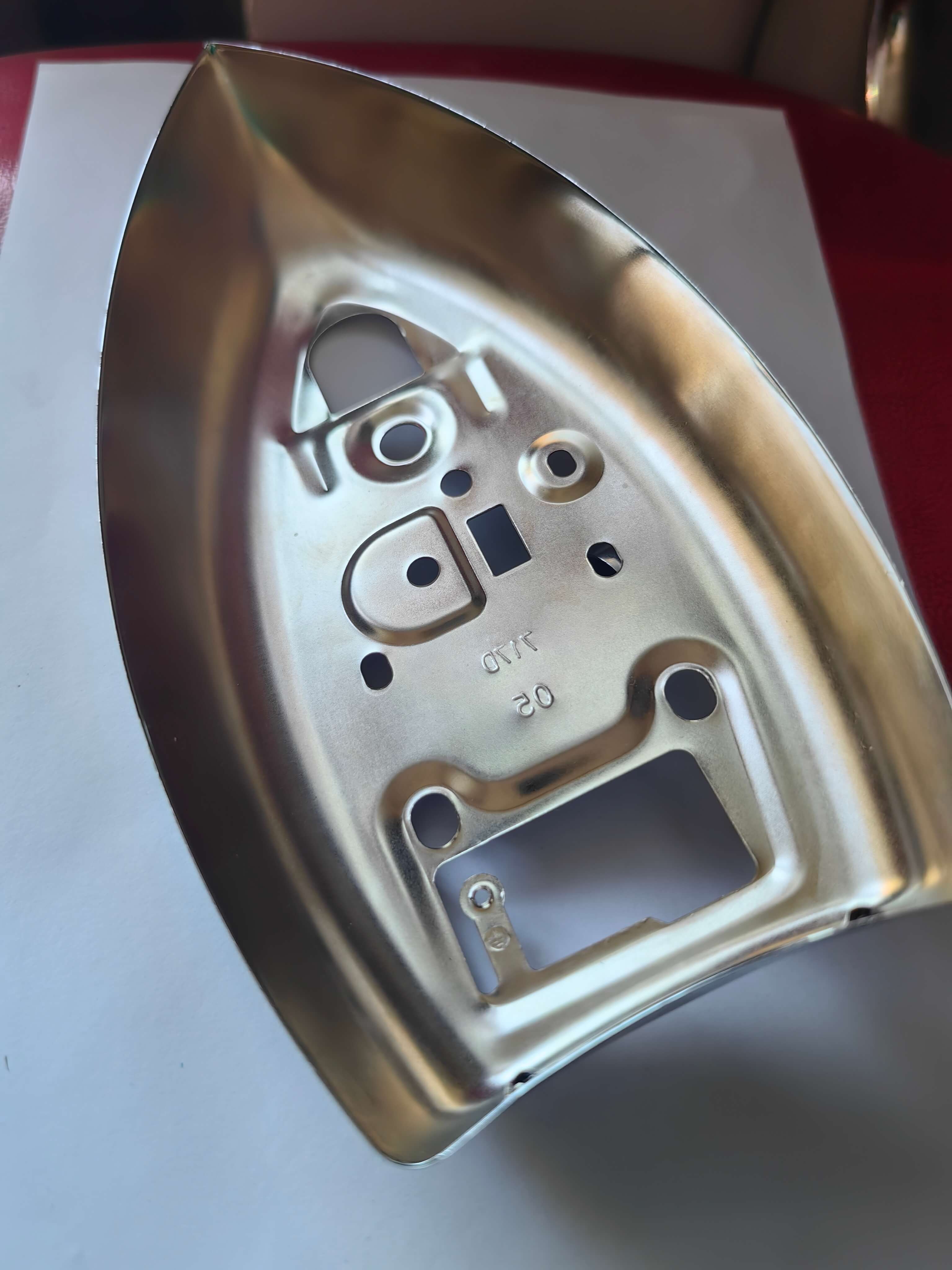
Reference for Full-text Summary
Technological upgrading in the precision stamping parts industry requires equipment as the foundation, processes as the core, and quality as the guarantee. Nanpi County Haokai Hardware Products Co., Ltd. has successfully addressed three major industry pain points—material deformation control, mold longevity, and batch consistency—by introducing advanced equipment, optimizing stamping processes, and establishing a rigorous quality control system, providing high-precision, high-stability stamping part solutions for clients in automotive electronics, medical devices, and other fields. Guided by the corporate ethos of "seeking truth, being pragmatic, pioneering, and innovating," the company continuously drives technological iteration and has established long-term partnerships with numerous large domestic and foreign enterprises, exporting its products to Europe, the United States, Southeast Asia, and other regions. Looking ahead, the company will further deepen its investment in technological R&D, explore intelligent production models, and contribute more to the high-quality development of the industry.