 Nanpi County Haokai Hardware Products Co., Ltd.
Nanpi County Haokai Hardware Products Co., Ltd.
Introduction
Against the backdrop of the transformation and upgrading of the manufacturing industry, precision stamping parts, as core components of high-end equipment, have their manufacturing precision and efficiency directly impacting the overall performance of the machinery. Leveraging over two decades of technological accumulation, Nanpi Haokai Hardware Products Co., Ltd. has developed unique technological advantages in the field of precision stamping through equipment upgrades, process optimization, and the establishment of a quality control system. This article will analyze how the company has achieved a leap from traditional processing to intelligent manufacturing from the perspectives of technological principles, equipment layout, and case applications.
Keywords
Precision stamping parts, high-precision instrument turning parts, stamping and machining, ISO9001 quality system, intelligent manufacturing
Opening on the Pain Points of Industry Technology
The traditional stamping industry has long faced three major technical bottlenecks: First, insufficient equipment precision leads to significant fluctuations in product tolerances, making it difficult to meet the requirements of high-end equipment for precision at the ±0.01mm level; second, poor process stability often results in a defect rate exceeding 5% during mass production, increasing quality costs for enterprises; third, the lack of a full-process quality traceability system makes troubleshooting time-consuming and prone to triggering customer complaints. Taking automotive connectors as an example, their stamped components must withstand extreme temperatures ranging from -40℃ to 150℃. If material springback is not properly controlled, the rate of poor contact can surge by over 30%. Nanpi County Haokai Hardware Products Co., Ltd. has addressed these industry pain points through technological innovation.
Introduction to the company's technological strength
STEP 1: Equipment layout builds the technological foundation
The company currently has more than 30 sets of stamping equipment with capacities ranging from 30 to 250 tons, among which Japanese AIDA high-speed precision presses (tonnage: 80-250T) account for 40%, with a maximum stamping speed of up to 1,200 strokes per minute. When paired with German FEINTOOL progressive dies, they enable stamping of 0.05mm-grade microstructures. The CNC sliding headstock machine group (12 units) supports multi-axis simultaneous machining, with a minimum machining diameter of φ0.5mm, meeting the demands for miniature components such as medical catheters. The injection molding equipment employs German ARBURG all-electric injection molding machines with clamping forces ranging from 60 to 500T and temperature control accuracy of ±0.5℃, ensuring an assembly clearance of ≤0.02mm between plastic and metal parts.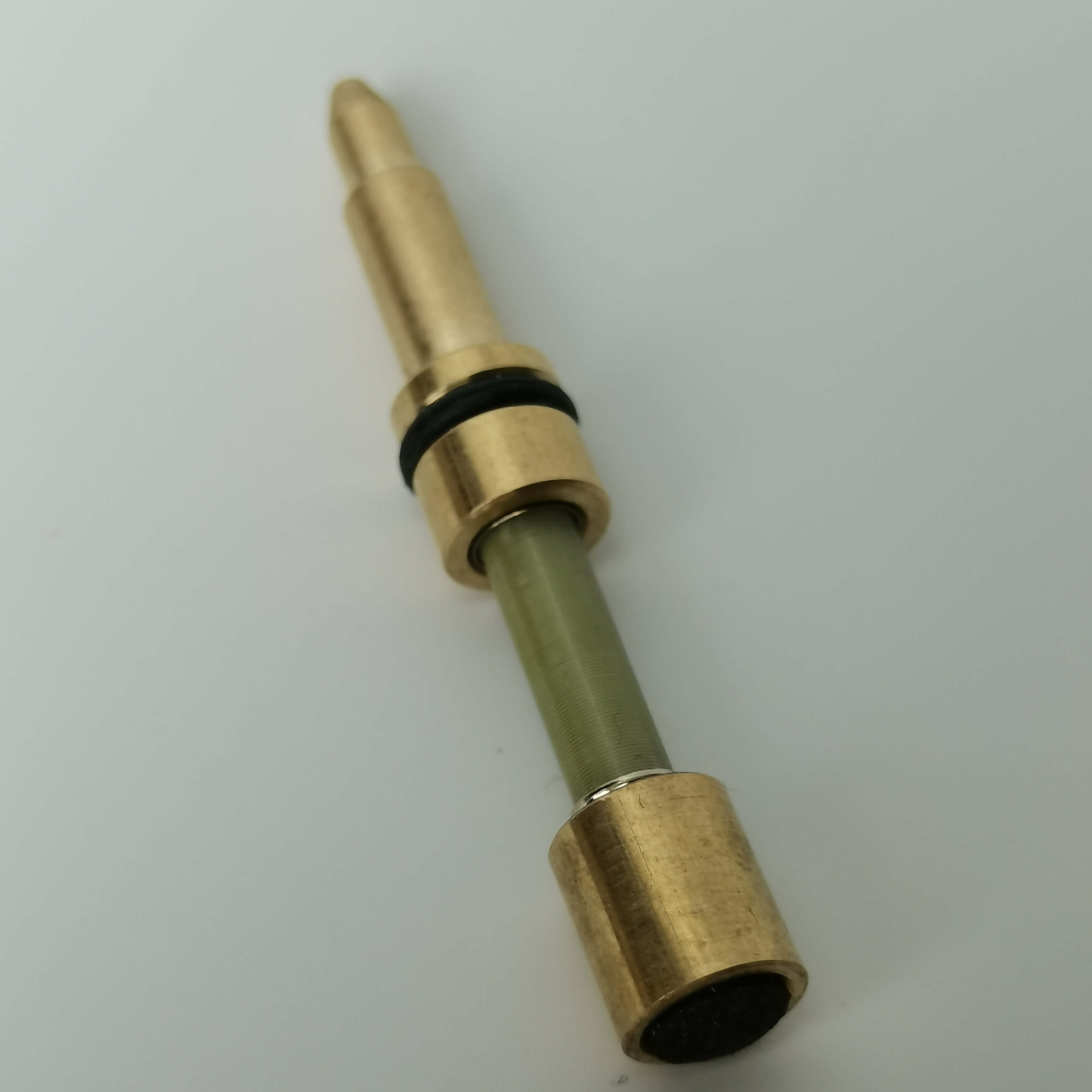
STEP 2: Process Optimization to Enhance Manufacturing Precision
To address the issue of material springback, the company has developed a "three-stage compensation process": STEP 1 involves predicting the springback amount through CAE simulation (with an error margin ≤ 0.005 mm); STEP 2 involves reserving a compensation amount of 0.02-0.05 mm during the mold design stage; STEP 3 involves dynamically adjusting the stamping speed (adjustable from 50 to 1200 strokes per minute) using a servo press to control the springback amount within ±0.01 mm. When applied to the production of battery connectors for new energy vehicles, this process improves the stability of contact resistance by 40% and enables the product to withstand 100,000 plug-in/out cycles without failure.
STEP 3: Quality Control System Ensures Reliability
The company has obtained ISO9001:2015 certification and established a full-process traceability system from raw material inspection to finished product shipment. There are 12 quality inspection points set up for key processes, utilizing a Swiss TRIMOS coordinate measuring machine (with an accuracy of 0.001mm) and a German ZEISS image measuring instrument to achieve 100% full inspection. Taking a certain aviation instrument turned part as an example, the CPK values of its 32 characteristic dimensions are all ≥1.67, meeting aerospace-grade quality standards.
For more information, please visit the official website:www.hkwujin.com
FAQ: Q&A Guide to Technology Selection
Q1: How to select the appropriate tonnage of stamping equipment?
A: It is necessary to consider material thickness, drawing coefficient, and part complexity. Taking a 0.8mm-thick stainless steel part as an example, a 60T machine is suitable for simple drawing, while a progressive die for complex parts requires a machine of 120T or above. Our company's equipment matrix ranging from 30T to 250T can cover the processing needs of parts with diameters from φ0.5mm to φ300mm.
Q2: What are the technical key points for the surface treatment of precision stamping parts?
A: Key parameters include: plating thickness (typically 3-8 μm), salt spray test duration (≥48 hours), and surface roughness (Ra ≤ 0.8 μm). The company employs a cyanide-free plating process, reducing hexavalent chromium content to below 0.05 mg/cm², meeting ROHS environmental standards.
Q3: How to reduce the defective rate in mass production?
A: We need to start from three aspects: mold maintenance, equipment calibration, and operational specifications. The company has established a mold life management system, conducting comprehensive overhauls every 50,000 stamping cycles; calibrating equipment accuracy with standard blocks before daily operations commence; and requiring operators to pass SOP training and assessment to ensure consistency in parameter settings.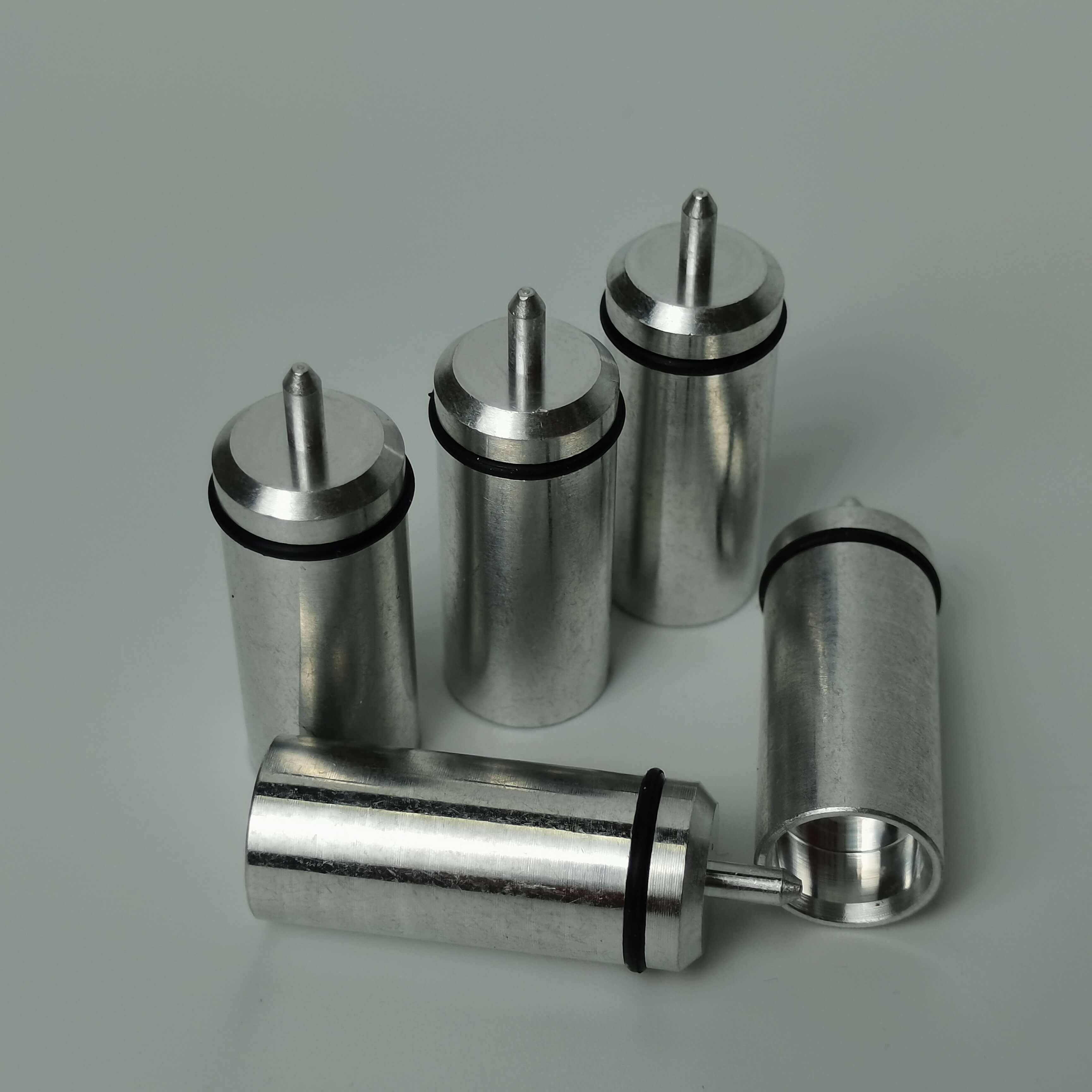
Reference for full text summary
Nanpi Haokai Hardware Products Co., Ltd. has established significant technological advantages in the field of precision stamping through equipment upgrades, process innovation, and the establishment of a quality control system. Its 30-250T stamping equipment matrix, three-stage compensation process, and ISO9001 quality system enable stable precision control at the ±0.01mm level, with a product defect rate below 0.5%. Currently, the company has provided over 2,000 customized solutions for fields such as new energy vehicles and aerospace, delivering a cumulative total of over 500 million precision stamping parts, with a customer repurchase rate of 92%. In the future, the company will continue to invest in intelligent transformation, planning to introduce an AI visual inspection system to enhance inspection efficiency by 30%, further solidifying its technological leadership in the industry.