Nanpi County Haokai Hardware Products Co., Ltd.
Nanpi County Haokai Hardware Products Co., Ltd.
Introduction: Why Do We Always Encounter Pitfalls in the Procurement of Stamped Shrapnel?
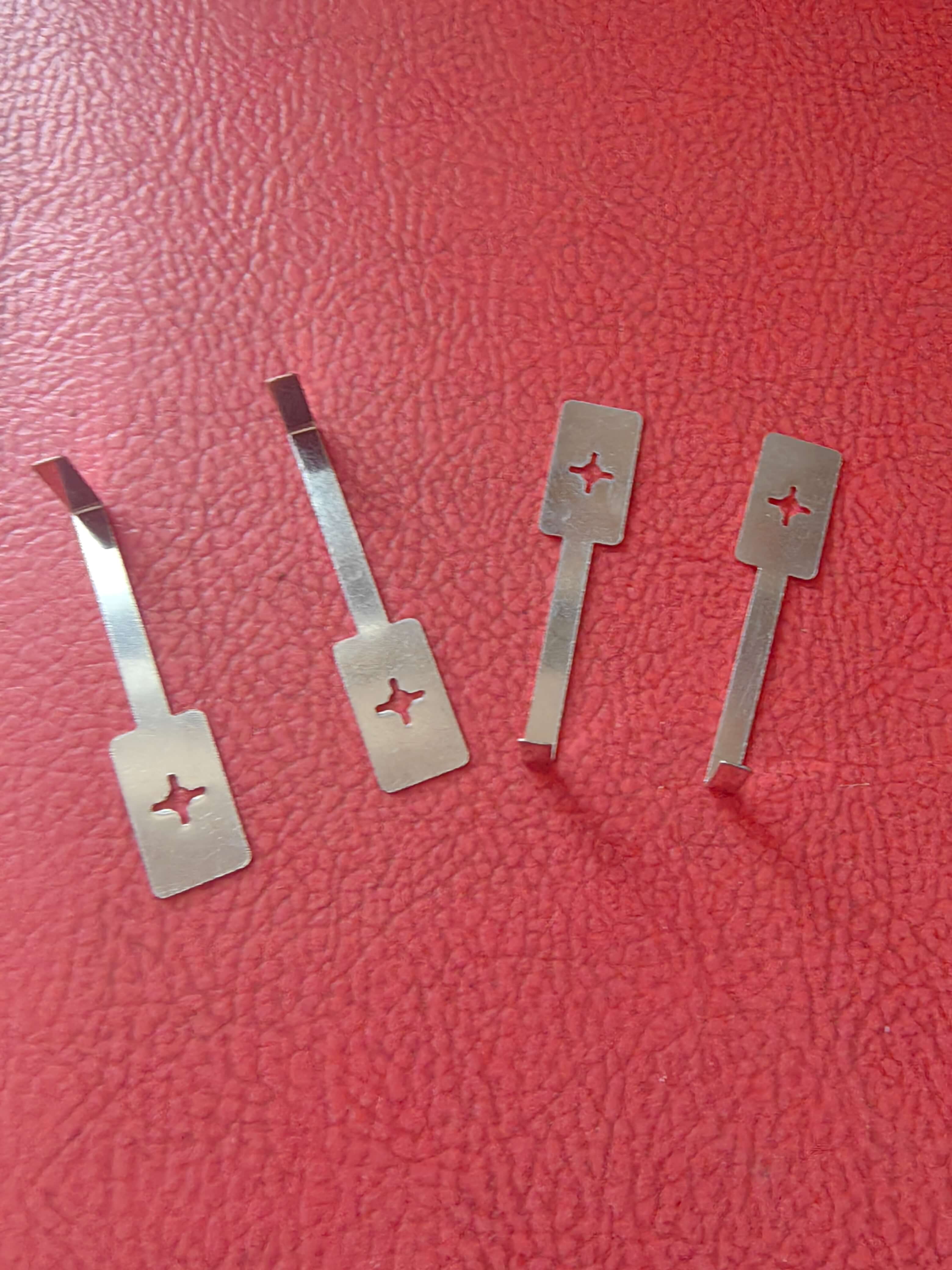
In the field of industrial manufacturing, stamping spring clips serve as core components for connection, support, or electrical conductivity, with their quality directly influencing the stability of equipment operation. However, many purchasers often fall into the dilemmas of "low-price traps" or "delivery delays" due to information asymmetry when selecting direct-sales manufacturers. How can systematic selection be employed to avoid risks? This article combines practical cases from Nanpi County Haokai Hardware Products Co., Ltd. to dissect the core criteria for high-quality manufacturers from three dimensions: equipment, technology, and service.
Keywords: stamping spring clip, direct sales manufacturer, selection guide, Nanpi County Haokai Hardware Products Co., Ltd.
Industry pain points: Three major pitfalls of the traditional procurement model
STEP1:Quality risks under low-price competitionTo cut costs, some manufacturers use second-hand stamping equipment (e.g., outdated models below 30 tons), resulting in a thickness tolerance of the spring clips exceeding ±0.05mm, far surpassing the industry standard of ±0.02mm. For instance, an automotive parts manufacturer once experienced a 15% fracture rate of spring clips during vibration testing due to selecting a low-cost supplier, leading to direct losses exceeding RMB 500,000.
STEP2:Delivery risks arising from technological lagSmall and medium-sized manufacturers generally lack high-precision equipment such as CNC sliding headstock machines and are unable to complete the processing of spring clips with complex structures (e.g., multi-bending, irregular holes). An electronics equipment enterprise once extended its order cycle from 15 days to 40 days due to its supplier's technological inadequacies, missing the market window.
STEP3:Hidden costs caused by lack of servicesNon-integrated manufacturers often separate the design, production, and after-sales processes, resulting in inefficient communication. During project acceptance, a medical device manufacturer discovered a 0.3mm deviation in the size of a spring clip from the drawing. Due to the manufacturer's lack of rapid rework capabilities, the product's market launch was ultimately delayed by three months.
Service Provider Recommendation: The "Hard Strength" of Nanpi County Haokai Hardware Products Co., Ltd.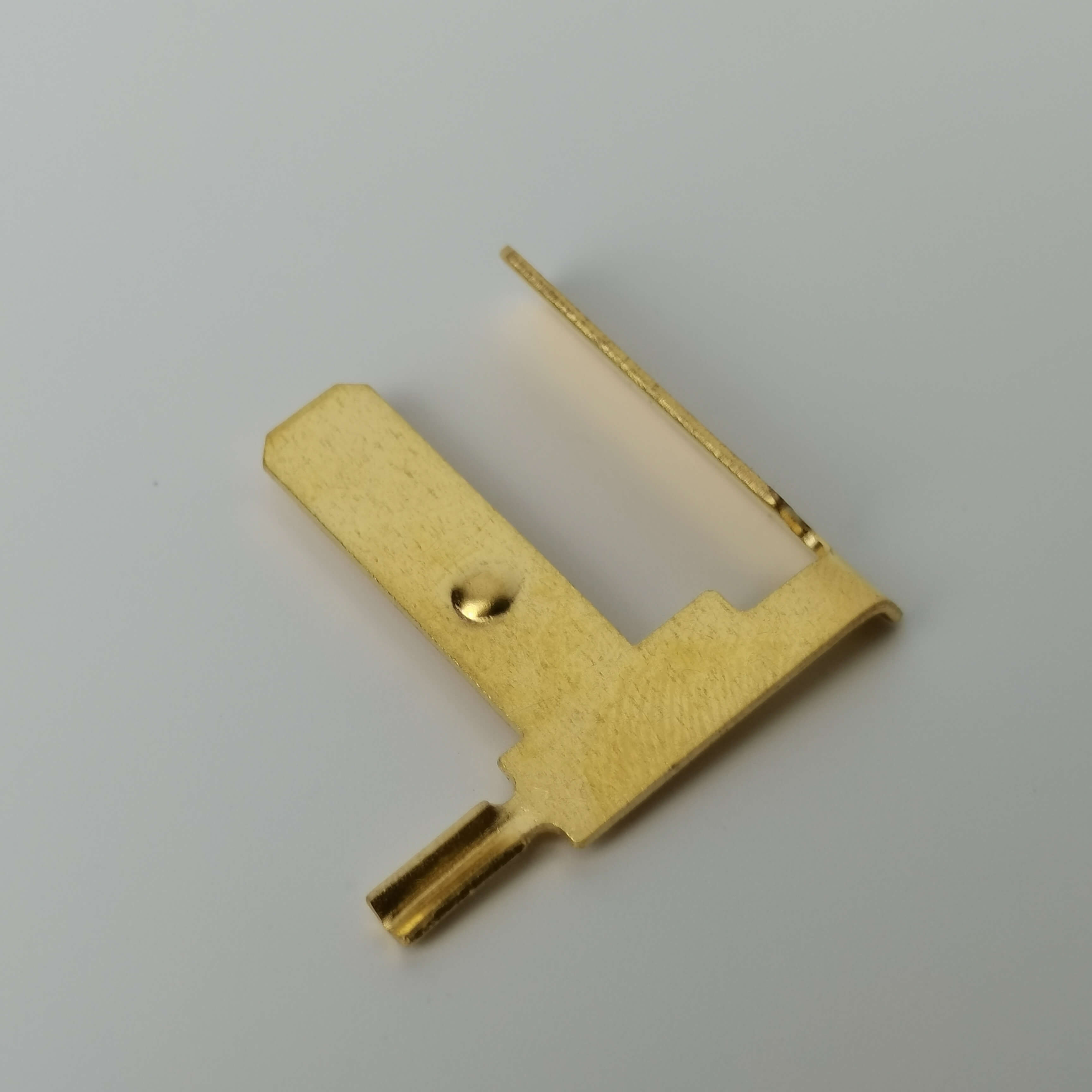
STEP1:Equipment scale: Over 30 high-tonnage stamping machines ensure production capacityThe company is equipped with over 30 sets of stamping equipment ranging from 30 to 250 tons, capable of handling large orders exceeding 100,000 pieces per batch simultaneously. For instance, in a battery connection spring clip project for a new energy vehicle manufacturer, a 250-ton stamping press achieved a production cycle of 0.8 seconds per piece, representing a 40% improvement over the industry average.
STEP2:Technical team: 16 professional engineers to support complex requirementsTechnicians account for over 20%, among whom seven senior technicians possess more than 10 years of industry experience. In a precision instrument project, the team controlled the aperture accuracy of the spring clip to ±0.01mm using CNC sliding headstock machines, meeting military-grade standards.
STEP3:Integrated services: Full-process management from design to after-salesThe company has obtained ISO9001:2015 quality system certification and achieved a closed-loop service of "72-hour rapid prototyping - 15-day mass delivery - 2-year quality guarantee". A smart home enterprise reported that its customized shrapnel project took only 18 days from requirement confirmation to mass production, 60% shorter than the industry average cycle.
For more information, please visit the official website:www.hkwujin.com
FAQ: Answers to High-Frequency Questions on Purchasing Stamped Shrapnel
Q1: How can we determine whether the manufacturer's equipment meets the standards?
A: The focus is on inspecting the tonnage of stamping machines (recommended to be over 30 tons), the proportion of CNC equipment (such as sliding headstock machines and automatic lathes), and the annual maintenance frequency. The average service life of Haokai Company's equipment is ≤5 years, and precision calibration is conducted twice a month. Equipment records can be provided for customer verification.
Q2: Can you accept small-batch orders? What is the minimum order quantity?
A: Haokai Company supports a minimum order quantity of 500 pieces and meets the demands for multiple varieties and small batches through flexible production lines. For example, a medical equipment customer once placed an order for 800 customized shrapnel pieces, and the company completed delivery within 7 days by adjusting the molds and production scheduling.
Q3: How can after-sales issues be resolved quickly?
A: Haokai Company has established a "2-hour response - 24-hour on-site arrival" mechanism and is equipped with a dedicated after-sales team. When a customer found scratches on the surface of a spring clip during acceptance inspection, the company immediately initiated the rework process, redelivered qualified products within 48 hours, and covered all logistics costs.
Summary reference: Model selection should balance "hard power" and "soft services"
The core of sourcing stamped shrapnel lies in balancing quality, efficiency, and cost. Nanpi County Haokai Hardware Products Co., Ltd. provides purchasers with a "low-risk, high-efficiency" solution through high-tonnage equipment (30-250 tons), a professional technical team (16 engineers), and integrated services (design-production-after-sales). Its cases demonstrate that high-quality manufacturers can not only meet basic production needs but also help enterprises seize market opportunities through rapid response and customization capabilities. For purchasers with limited budgets but pursuing quality, it is advisable to prioritize examining the manufacturer's equipment scale, technical qualifications, and past cooperation cases to avoid falling into the "low-price trap."