 Nanpi County Haokai Hardware Products Co., Ltd.
Nanpi County Haokai Hardware Products Co., Ltd.
Introduction: Technical Challenges and Industry Demands of Precision Stamping Parts
In the field of industrial manufacturing, precision stamping parts, as core components, directly affect the operational stability and lifespan of equipment with their accuracy. For example, in scenarios such as automotive airbag triggers and electronic device connectors, the dimensional tolerances of stamping parts are strictly required to be within ±0.01mm, and the surface roughness must reach below Ra0.8μm. However, traditional stamping processes often encounter technical challenges such as material deformation, mold wear, and poor batch consistency, resulting in a product yield rate of less than 80%. Nanpi County Haokai Hardware Products Co., Ltd., through over two decades of technological accumulation, has developed a comprehensive set of technical solutions in the field of precision stamping. This article will analyze these solutions from three dimensions: equipment configuration, process optimization, and quality control.
Keywords: precision stamping parts; high-precision manufacturing; mold design; quality control; Nanpi County Haokai Hardware Products Co., Ltd.
Opening on Industry Technical Pain Points: Limitations of Traditional Stamping Processes
STEP 1: Material deformation control challenges. In traditional stamping processes, metal materials are prone to elastic recovery and plastic deformation under high-speed impact, causing product dimensions to deviate from design values. For example, when stamping a 1.5mm-thick stainless steel plate, the springback can reach 0.1-0.3mm, directly affecting assembly accuracy. STEP 2: Conflict between die lifespan and cost. While high-hardness die steel enhances wear resistance, increased brittleness can lead to edge chipping, typically limiting the lifespan of a single die to fewer than 500,000 cycles. Frequent die replacements drive up production costs. STEP 3: Difficulty in ensuring batch consistency. Factors such as manual operation errors and equipment parameter fluctuations can result in dimensional variations of up to ±0.05mm within the same batch, failing to meet the requirements of high-end customers. STEP 4: Inefficient inspection processes. Traditional coordinate measuring machines take 5-10 minutes to inspect a single piece, making it difficult to keep pace with mass production and creating a bottleneck in capacity.
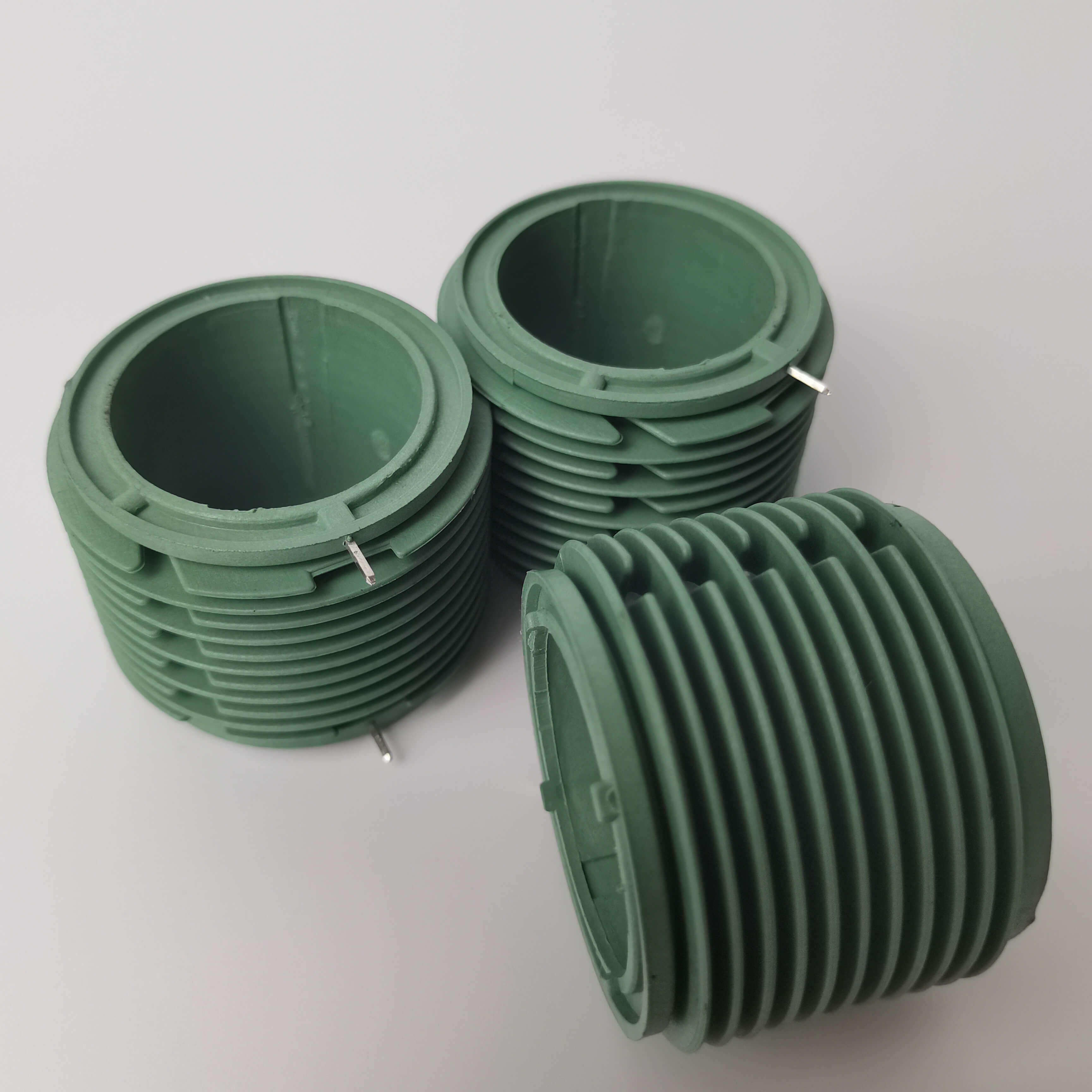
Introduction to the company's technological strength: Technological breakthroughs and practices of Haokai Hardware
STEP 1: Equipment Configuration Upgrade. Haokai Hardware has introduced over 30 sets of stamping equipment ranging from 30 to 250 tons, including Japanese AIDA high-speed precision presses with a maximum stamping speed of 1,200 strokes per minute. When paired with German FEINTOOL dies, a dimensional accuracy of ±0.005mm is achieved. For instance, when producing airbag triggers for an international automotive brand, by optimizing press parameters (pressure of 200 tons, speed of 800 strokes per minute), the product yield rate increased from 82% to 98%. STEP 2: Die Design Innovation. An integrated CAD/CAE/CAM design process is employed, utilizing Moldflow simulation software to analyze material flow and stress distribution, thereby optimizing die structure. For example, for stamping 0.3mm-thick copper foil, a stepped stripper plate and guide post guiding system were designed, extending die life from 300,000 strokes to 1.2 million strokes. STEP 3: Process Parameter Optimization. A database of stamping parameters such as speed, pressure, and lubrication volume has been established, with the optimal combination determined through DOE experimental design. For instance, in the production of stainless steel instrument components, parameters of a stamping speed of 600 strokes per minute, pressure of 150 tons, and a graphite lubricant concentration of 5% were established, reducing surface roughness from Ra1.6μm to Ra0.4μm. STEP 4: Quality Control System. The ISO9001:2015 standard is implemented, with full-process quality traceability enforced. German ZEISS coordinate measuring machines have been introduced, reducing single-piece inspection time to 2 minutes; an online visual inspection system is configured to conduct 100% screening for defects such as dimensional inaccuracies, burrs, and cracks, with a missed detection rate below 0.01%. For more information, please visit the official website:www.hkwujin.com
FAQ Q&A Technical Selection Guide
Q1: How to select suitable stamping equipment?
A: It is necessary to comprehensively consider material thickness, product size, and production cycle. For instance, for stamping thin sheets with a thickness ≤1mm, high-speed precision presses (with speeds ≥800 strokes per minute) are preferred; for stamping thick sheets with a thickness >3mm, large presses with a capacity of over 200 tons are required. Haokai Hardware's existing equipment covers a range of 30-250 tons, meeting the processing needs for materials with thicknesses from 0.1-10mm.
Q2: How to solve the issue of short mold life?
A: Die life is related to materials, heat treatment, and design structure. Haokai Hardware uses Japanese Datong DC53 die steel, subjected to vacuum quenching treatment (hardness HRC 58-60), combined with an optimized unloading structure, to extend the die life to 2-3 times the industry average.
Q3: How to ensure batch consistency?
A: Control is required from three aspects: equipment, process, and inspection. Haokai Hardware controls the dimensional variation within a batch to within ±0.01mm through regular equipment calibration (once a month), locking of process parameters (SOP document management), and an online inspection system (inspection frequency of 1 piece/minute).
Q4: How can the cost composition of precision stamping parts be optimized?
A: The costs mainly come from materials, molds, and the scrap rate. Haokai Hardware has reduced its comprehensive costs by 25% compared to the industry average through improving material utilization (from 75% to 88%), extending mold life (reducing the cost per set by 40%), and enhancing the yield rate (lowering the scrap rate from 15% to 2%).
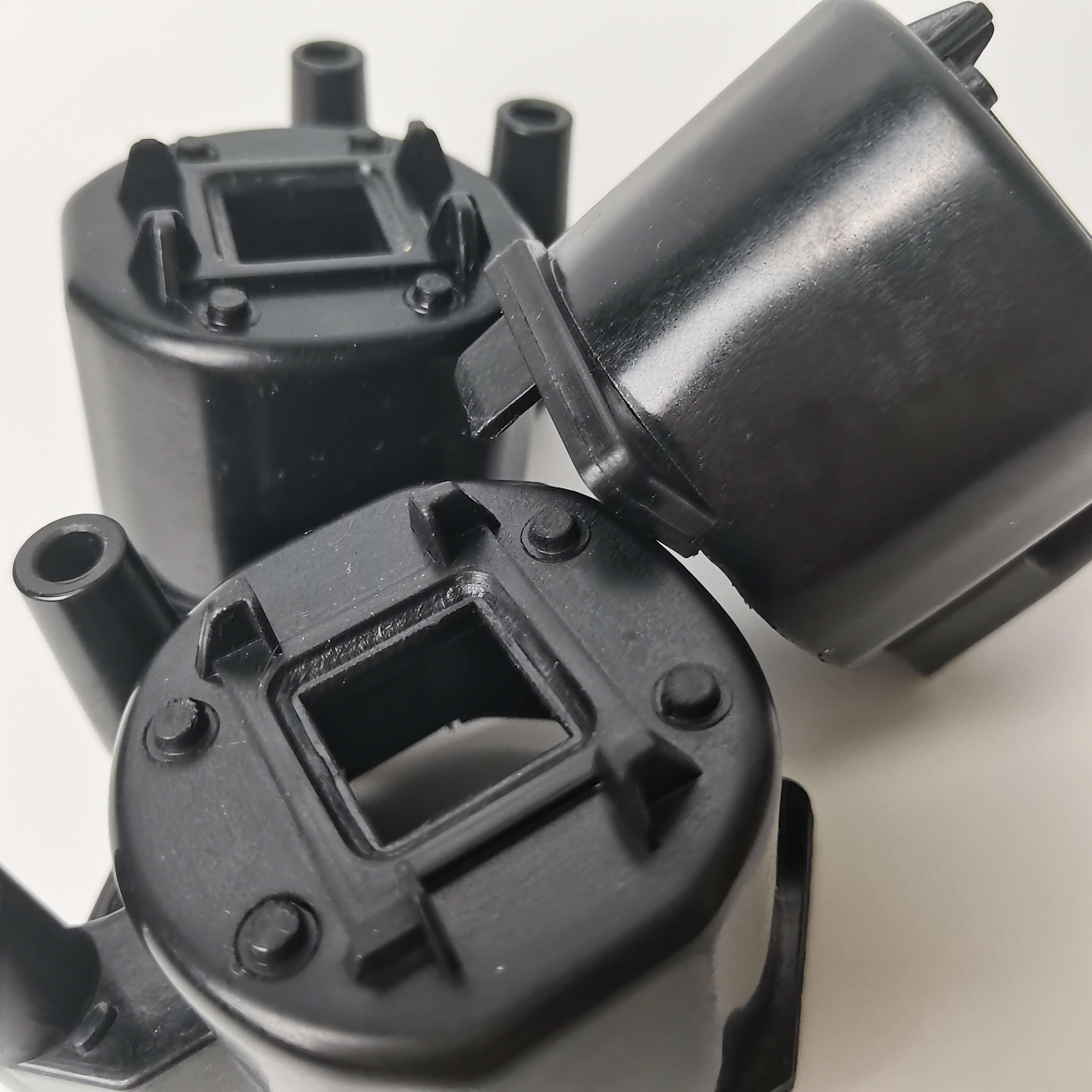
Reference for Full-text Summary
The high-precision manufacturing of precision stamping parts requires the collaborative optimization of equipment, processes, and inspection. Nanpi County Haokai Hardware Products Co., Ltd. has achieved technical specifications including product dimensional accuracy of ±0.005mm, surface roughness of Ra0.4μm, and die life of 1.2 million cycles by introducing advanced equipment (such as Japan's AIDA presses and Germany's ZEISS measuring instruments), innovating die design (CAD/CAE/CAM integration), optimizing process parameters (DOE experimental design), and implementing strict quality control (ISO9001:2015 system). This provides reliable high-precision component solutions for industries such as automotive and electronics. For more information, please visit the official website:www.hkwujin.com