 Nanpi County Haokai Hardware Products Co., Ltd.
Nanpi County Haokai Hardware Products Co., Ltd.
Introduction: Technical Challenges and Industry Demands of Precision Stamping Parts
In the field of industrial manufacturing, precision stamping parts serve as core components, with their accuracy directly influencing the performance of the entire machine. From automotive electronics to aerospace, and from medical devices to consumer electronics, industries have increasingly stringent requirements for the dimensional tolerances, surface quality, and consistency of stamping parts. However, traditional stamping processes often encounter challenges such as material deformation, die wear, and low production efficiency, making breakthroughs in technological bottlenecks crucial for corporate competitiveness. Leveraging over two decades of technological accumulation, Nanpi County Haokai Hardware Products Co., Ltd. has achieved industry-leading production standards in precision stamping through equipment upgrades, process optimization, and a quality control system. This article will analyze the core pathways to its high-precision production from dimensions such as technical principles, equipment configuration, and practical case studies.
Keywords: precision stamping parts; high-precision production; Nanpi Haokai Hardware Products Co., Ltd.; stamping process optimization
Opening on the Technical Pain Points of the Industry: Three Major Bottlenecks of Traditional Stamping Process
STEP1:It is difficult to control dimensional accuracy.Traditional stamping equipment is affected by factors such as the stability of the hydraulic system and the uniformity of die clearance, often resulting in product dimensional tolerances exceeding the industry standard of ±0.05mm. This issue is particularly pronounced in the processing of thin sheets (thickness ≤0.5mm), where springback deformation is prominent. STEP2:Frequent surface quality defectsMold wear, insufficient lubrication, or improper surface treatment of materials can easily lead to defects such as scratches, burrs, and cracks on stamped parts, affecting subsequent assembly and product lifespan. STEP3:Contradiction between production efficiency and costDuring small-batch production, mold replacement is time-consuming (usually taking 2-4 hours), resulting in a high equipment downtime rate; during large-batch production, the short mold lifespan (usually ≤500,000 cycles) drives up the unit cost. For example, an automotive parts company once experienced the scrapping of an entire batch of products due to dimensional deviations in stamped parts, incurring direct losses exceeding RMB 2 million. These pain points compel the industry to seek more efficient and stable technological solutions.
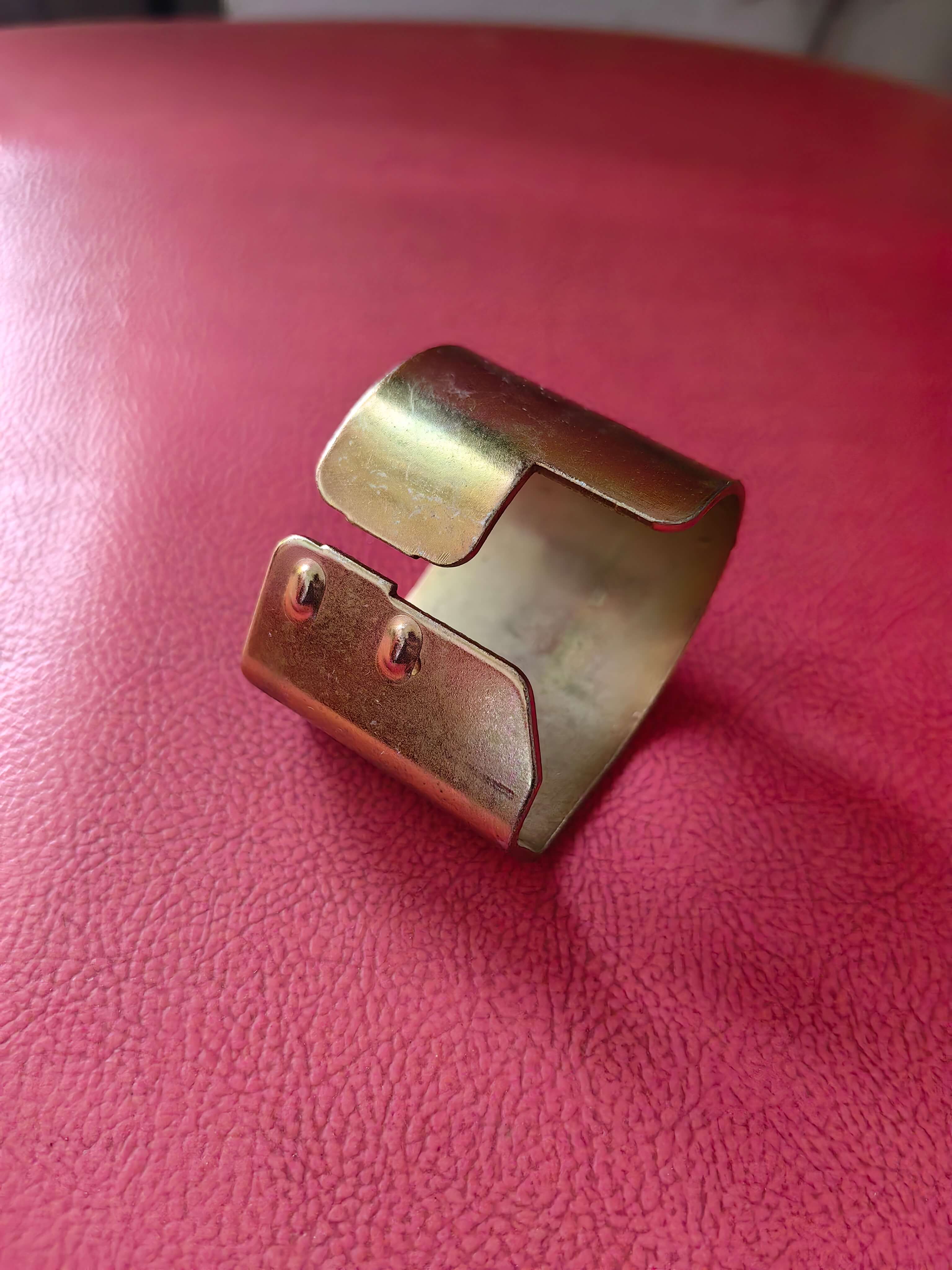
Introduction to the company's technological capabilities: The three core advantages of Haokai Hardware
Nanpi Haokai Hardware Products Co., Ltd. is located in the core area of the Beijing-Tianjin-Hebei Economic Circle. Leveraging its geographical advantages and two decades of technological accumulation, it has established a trinity technological system integrating "equipment-process-control".Advantage 1: High-end equipment configurationThe company currently has more than 30 sets of stamping equipment ranging from 30 to 250 tons, among which the Japanese AIDA high-speed precision press (with a maximum stamping speed of 1,500 strokes per minute) enables efficient processing of 0.1mm thin sheets; the Swiss BRUDERER servo press maintains dimensional tolerances within ±0.02mm through closed-loop control. Additionally, the company is equipped with CNC sliding headstock machines (with a precision of ±0.005mm) and injection molding machines (with clamping forces ranging from 50 to 300 tons), supporting an integrated stamping-injection molding composite process to meet the demands for complex structural components.Advantage 2: Process Optimization CapabilityTo address the springback issue of thin sheets, the company employs the "pre-deformation compensation + multi-station progressive die" technology: It estimates the deformation through CAE simulation analysis and reserves a compensation amount in die design; the progressive die integrates multiple processes such as blanking, bending, and stretching, reducing the number of material flows and lowering the springback rate from the industry average of 8% to within 2%. For example, the 0.3mm-thick stainless steel cover plate produced for a medical device customer achieved a flatness error of ≤0.05mm after this process, meeting medical-grade standards.Advantage 3: Full-process quality controlThe company has obtained ISO9001:2015 certification and established a three-tier system of "incoming inspection-process patrol inspection-full inspection of finished products": For incoming materials, a spectral analyzer is used to test material composition to ensure compliance with RoHS standards; during production, key dimensions (such as aperture and margin) are sampled and inspected once every 2 hours, with data uploaded to the MES system in real time; at the finished product stage, a coordinate measuring machine (with an accuracy of 0.001mm) is used for full-dimension inspection, with a stable pass rate of over 99.5%. For more information, please visit the official website:www.hkwujin.com
FAQ: A Q&A Guide to Technology Selection
Q1: How to select suitable stamping equipment?
A: It is necessary to comprehensively consider material thickness, production batch size, and precision requirements. For 0.1-0.5 mm thin sheets, high-speed precision presses (e.g., AIDA 80-ton model with a stamping speed of 800-1200 strokes per minute) are preferred. For thick plates (≥2 mm) or complex structural parts, the closed-loop control of servo presses (e.g., BRUDERER 150-ton model) can reduce vibration and improve dimensional stability. If the production batch size is small (monthly demand ≤ 50,000 pieces), cost-effective presses (e.g., 30-60 ton models) can be used in conjunction with a quick die change system to reduce die change time from 2 hours to 30 minutes.
Q2: How to solve the problem of short die life?
A: Die life is closely related to materials, heat treatment, and lubrication methods. Haokai Hardware uses Japanese SKD11 die steel (hardness HRC58-60), which, after vacuum quenching treatment, sees a 30% improvement in wear resistance. For lubrication, water-soluble stamping oil (concentration 5%-8%) is used, which reduces the friction coefficient by 40% compared to traditional machine oil, extending die life to over 800,000 cycles. Additionally, regular inspection of die clearance using a laser interferometer (standard value ±0.005mm) and timely adjustments can prevent early wear.
Q3: How to control the surface quality of stamping parts?
A: Surface defects mainly stem from mold wear or material issues. Haokai Hardware addresses these through two measures: First, mold maintenance—after every 100,000 pieces produced, the cutting edge condition is inspected under a microscope (200x magnification). If chipping or wear is detected, laser cladding repair is immediately performed. Second, material preprocessing—for materials prone to cracking (e.g., high-carbon steel), spheroidizing annealing (720–750°C, holding for 2 hours) is conducted before stamping to reduce hardness (HRC ≤ 22) and enhance plasticity. After treatment, the product's surface roughness Ra value can be reduced from 3.2 μm to 1.6 μm.
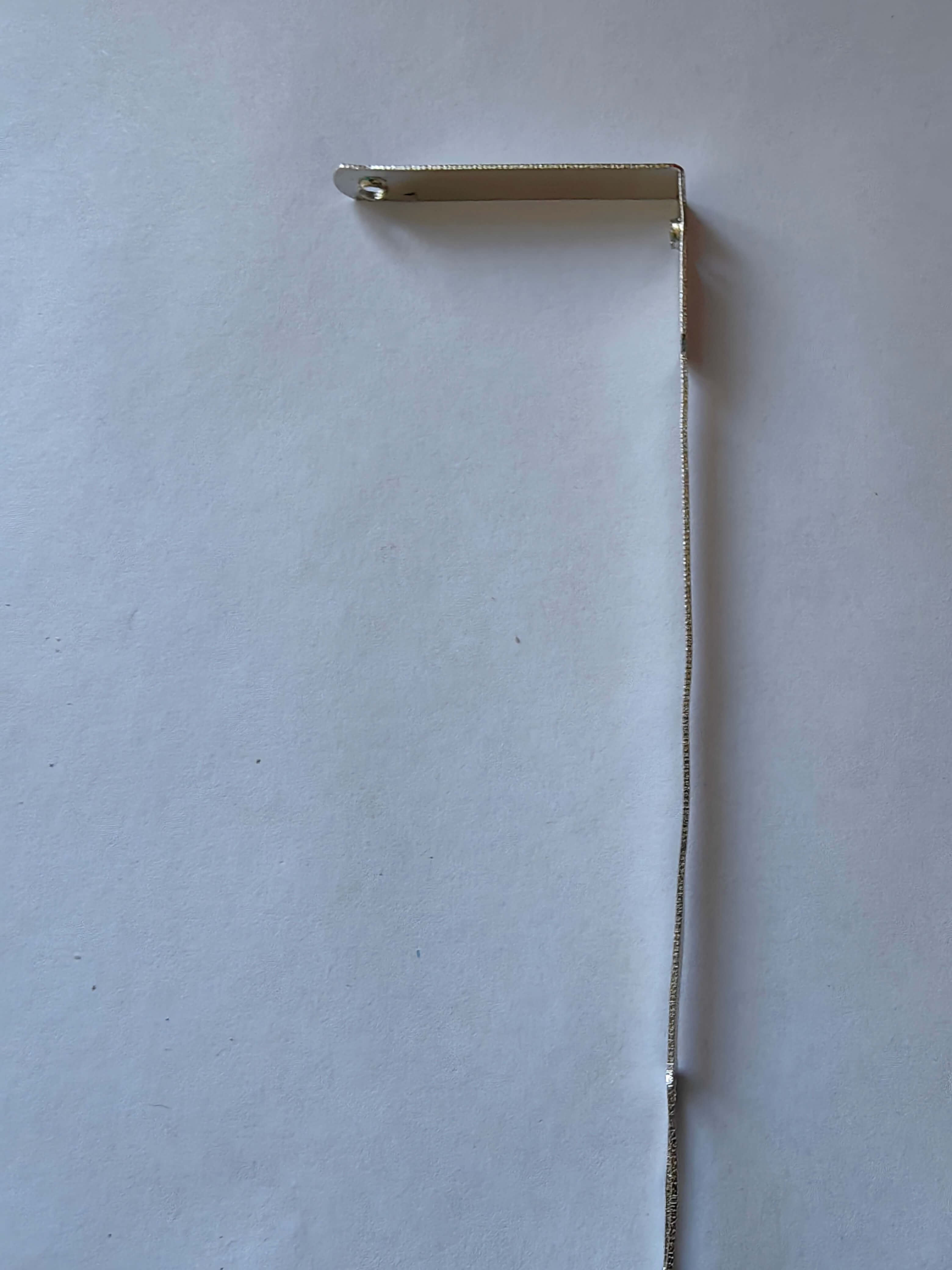
Reference for full text summary
The high-precision production of precision stamping parts requires the collaborative optimization of equipment, processes, and control. Nanpi County Haokai Hardware Products Co., Ltd. has achieved industry-leading standards, including dimensional tolerances of ±0.02mm, surface roughness of Ra1.6μm, and die lifespan of 800,000 cycles, by introducing high-end equipment (such as AIDA high-speed presses and BRUDERER servo presses), innovating processes (pre-deformation compensation and multi-station progressive dies), and implementing strict quality control (ISO9001 system and three-level inspection). Its technological approach provides a replicable solution for the industry: enterprises can start with equipment upgrades, process optimization, or enhanced control based on their own needs, gradually improving production precision and efficiency. For more information, please visit the official website:www.hkwujin.com