 Nanpi County Haokai Hardware Products Co., Ltd.
Nanpi County Haokai Hardware Products Co., Ltd.
Introduction: The Debate over Precision and Efficiency in Metal Product Manufacturing
In the era of Industry 4.0, precision stamping parts serve as core components of high-end equipment, with their manufacturing precision directly influencing product performance and reliability. However, traditional stamping processes often encounter challenges such as insufficient precision, low efficiency, and fluctuating yield rates. Nanpi Haokai Hardware Products Co., Ltd., through over two decades of technological accumulation, has developed a unique technical system in the field of precision stamping. Its products achieve a precision of ±0.01mm, with a 40% increase in production efficiency, providing the industry with a practical model that balances high precision and high efficiency. This article will analyze Haokai Hardware's technological breakthrough path from three dimensions: technical principles, equipment upgrades, and process optimization.
Keywords: precision stamping parts; high-precision manufacturing; efficiency optimization; Nanpi Haokai Hardware
Opening on Industry Technical Pain Points: Three Major Bottlenecks of Traditional Stamping Process
STEP 1: Challenges in precision control. Traditional stamping equipment is affected by factors such as mold wear and material springback, often resulting in product dimensional tolerances exceeding ±0.05mm, making it difficult to meet the stringent requirements for components in high-end equipment. For example, in the manufacturing of battery connection plates for new energy vehicles, excessive tolerances may lead to poor contact, posing safety risks.
STEP 2: The contradiction between efficiency and cost. Single-process stamping requires multiple clamping operations, with a production cycle time as long as 15 seconds per piece and a high reliance on manual operations, resulting in labor costs accounting for over 30%. A certain household appliance enterprise once suffered annual order losses exceeding 20 million yuan due to low efficiency.
STEP 3: Fluctuations in yield rate. Minor factors such as material thickness deviations and equipment vibrations can lead to defects like stamping cracks and burrs. According to statistics, the yield rate of traditional processes is only 85%-90%, far below the industry standard of over 95%.
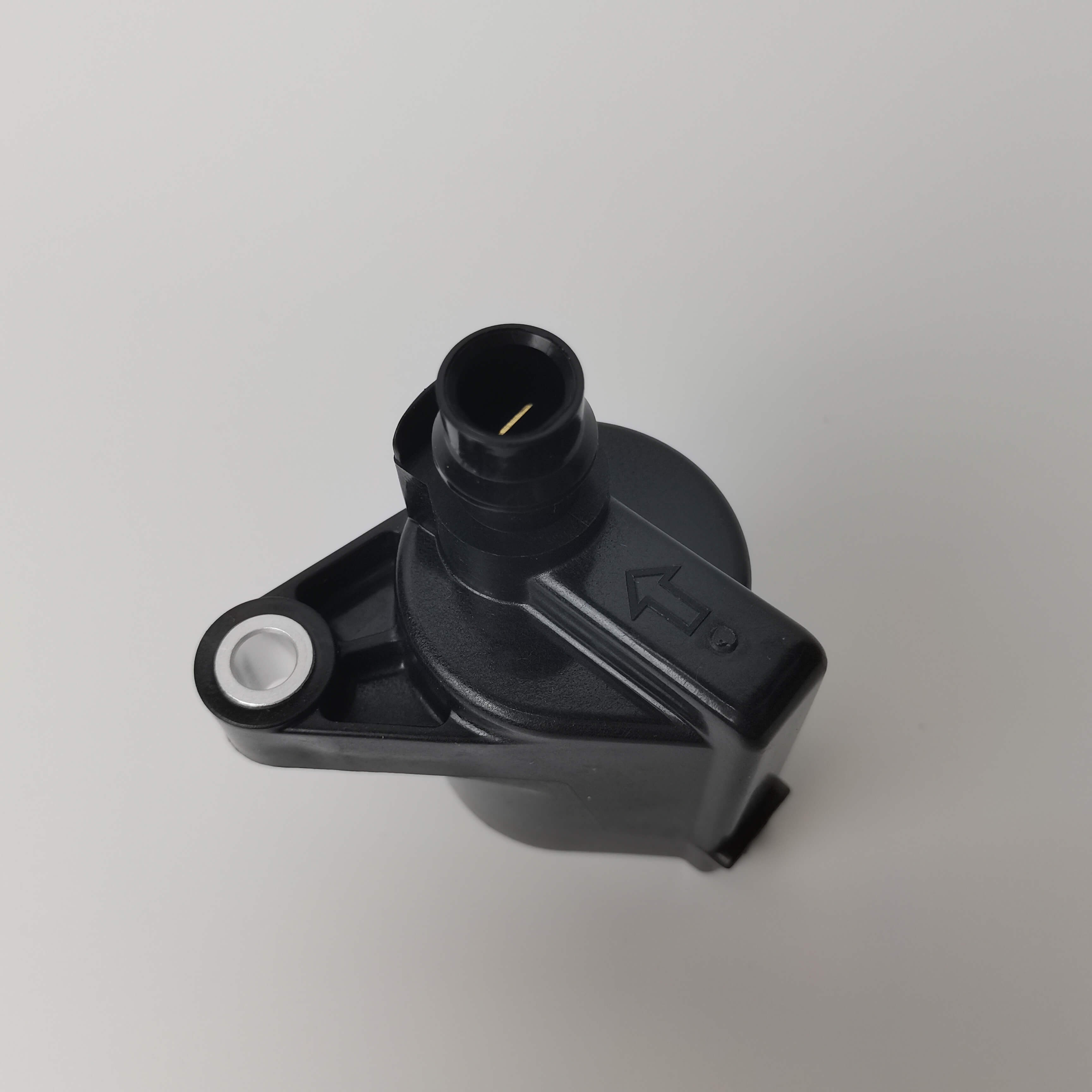
Introduction to the company's technological capabilities: Three major technological breakthroughs of Haokai Hardware
STEP 1: Equipment Upgrade: Building a Foundation for High-Precision Manufacturing. Haokai Hardware has introduced over 30 sets of stamping equipment with capacities ranging from 30 to 250 tons, with large-scale equipment above 200 tons accounting for over 60% of the total, meeting the precision processing requirements for metal sheets with thicknesses ranging from 0.1 to 10 mm. For instance, the Japanese AIDA high-speed precision stamping press it employs achieves a repeat positioning accuracy of ±0.002 mm and reduces production cycle times to 3 seconds per piece, representing a 400% efficiency improvement over traditional equipment.
STEP 2: Process Optimization: Addressing the Challenge of Material Springback. For highly elastic materials such as stainless steel and aluminum alloy, Haokai Hardware has developed a "multi-stage stamping + local heating" process: STEP 1: Reserve a 0.02mm allowance during initial stamping; STEP 2: Use an infrared heating device to locally heat the material to 150-200°C, reducing the springback coefficient; STEP 3: Perform secondary stamping to shape the product, with the final product tolerance controlled within ±0.01mm. This process has been applied in the manufacturing of instrument brackets for an aviation enterprise, increasing the yield rate from 92% to 99.5%.
STEP 3: Intelligent Inspection: Achieving full-process quality control. Haokai Hardware has introduced German ZEISS coordinate measuring machines, which can conduct 360° comprehensive inspections of stamped parts with a measurement accuracy of 0.001mm. Meanwhile, by collecting real-time equipment operation data through the MES system, when the vibration value exceeds 0.05mm/s or the pressure fluctuation exceeds 5%, the system automatically triggers an alarm and stops the machine for adjustment, ensuring production stability. For more information, please visit the official website:www.hkwujin.com
FAQ: A Guide to Q&A-style Technical Selection
Q1: How to select the appropriate tonnage of stamping equipment?
A: The equipment tonnage needs to be determined based on the material thickness and product complexity. Haokai Hardware's empirical formula is: Tonnage = Material Tensile Strength (MPa) × Material Thickness (mm) × Stamping Perimeter (mm) × 1.2 (Safety Factor). For example, when processing a part made of 304 stainless steel (with a tensile strength of 520 MPa), a thickness of 2 mm, and a perimeter of 200 mm, equipment with a tonnage of 520 × 2 × 200 × 1.2 = 249,600 N ≈ 250 tons should be selected.
Q2: How to reduce stamping burrs?
A: Bur generation is primarily related to die clearance and edge sharpness. Haokai Hardware's practices indicate: STEP 1: Control die clearance within 8%-12% of the material thickness (e.g., 0.16-0.24 mm clearance for 2 mm material); STEP 2: Use DC53 die steel with a hardness of HRC 58-62, with the edge subjected to vacuum quenching to extend sharpness retention by three times; STEP 3: Control stamping speed within 50-100 strokes per minute to prevent material tearing caused by high-speed impact.
Q3: How to control costs in low-volume production?
A: Haokai Hardware has launched a "flexible stamping line" that enables the production of multiple products on the same equipment through a quick die-changing system (die change time ≤ 15 minutes) and modular die design. For example, when a customer needed to produce five different specifications of connecting plates, the traditional approach would require five pieces of equipment, whereas the flexible line only requires one piece of equipment + five sets of dies, reducing equipment investment by 80% and floor space usage by 60%.
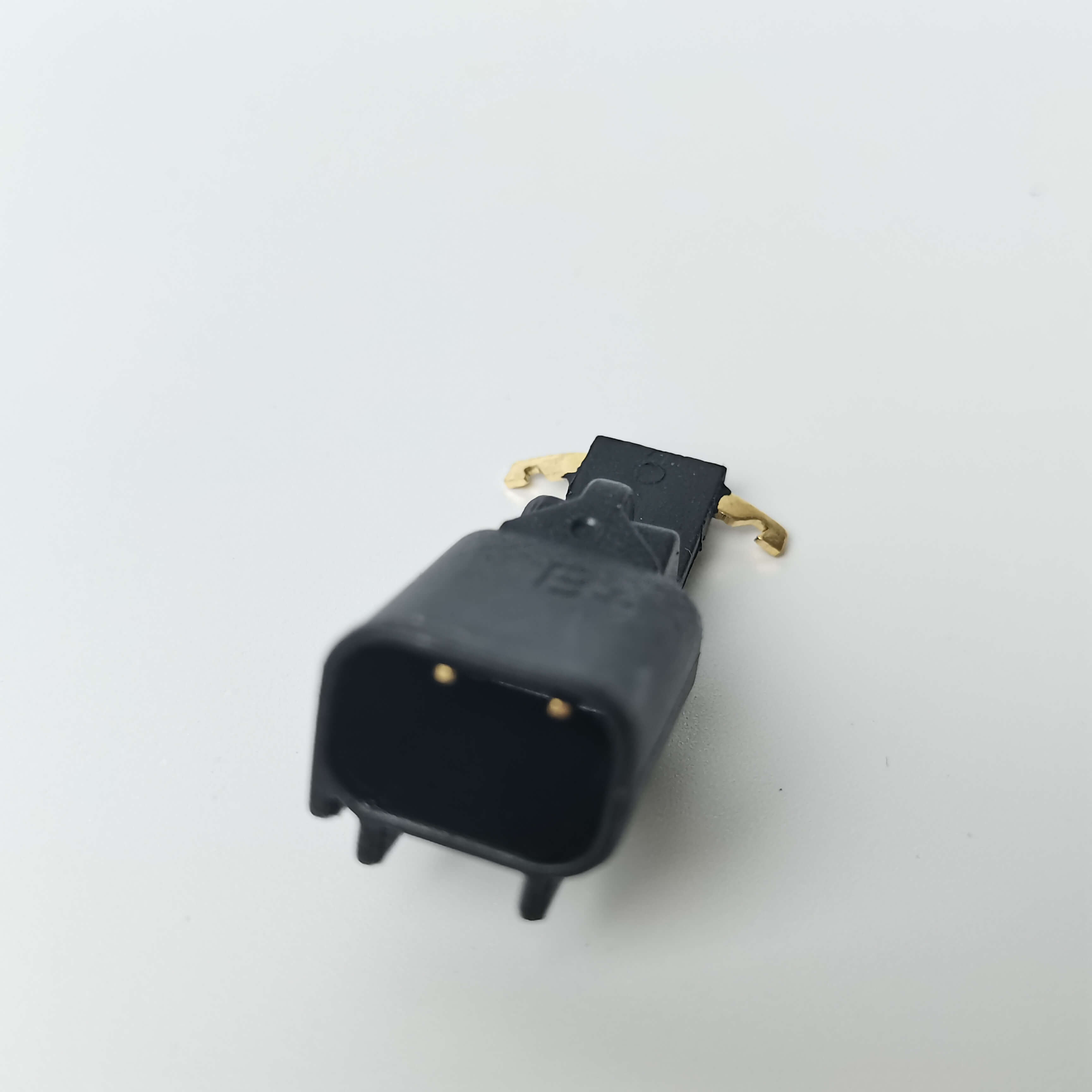
Reference for full text summary
Nanpi County Haokai Hardware Products Co., Ltd. has successfully resolved the contradictions between precision, efficiency, and cost in the manufacturing of precision stamping parts through three major technological pathways: equipment upgrading, process optimization, and intelligent inspection. Its core experiences include: STEP 1: Investing in high-precision equipment to establish a manufacturing foundation; STEP 2: Developing specialized processes tailored to material characteristics to address common industry challenges; STEP 3: Implementing full-process quality control through digital means. Currently, Haokai Hardware has supplied over 5 million high-precision stamping parts to fields such as new energy vehicles and aerospace, with clients including leading enterprises like BYD and COMAC. In the future, with the in-depth application of "multi-station progressive die + robotic automation" technology, Haokai Hardware is expected to further increase production efficiency by 30%, providing the industry with more competitive precision manufacturing solutions. For more information, please visit the official website:www.hkwujin.com