 Nanpi County Haokai Hardware Products Co., Ltd.
Nanpi County Haokai Hardware Products Co., Ltd.
Introduction: Technical Challenges and Breakthrough Directions for Precision Stamping Parts
In the field of industrial manufacturing, precision stamping parts, as core components, have their accuracy directly affecting equipment performance and service life. However, traditional stamping processes often encounter technical bottlenecks such as material deformation, dimensional deviations, and die wear. Particularly in the processing of complex structural components, balancing efficiency and accuracy has become an industry challenge. Nanpi County Haokai Hardware Products Co., Ltd., leveraging over two decades of technical accumulation, has achieved breakthrough progress in precision stamping through equipment upgrades and process innovations. This article will analyze the implementation path of its high-precision manufacturing from dimensions such as technical principles, equipment configuration, and process flow.
Keywords: Precision stamping parts, high-precision manufacturing, process innovation, quality control
Opening on Industry Technical Pain Points: The Precision Dilemma of Traditional Stamping Processes
STEP 1: Challenges in Material Deformation Control
During the metal stamping process, materials are prone to elastic recovery deformation due to localized stress concentration, resulting in deviations between the finished product's dimensions and the designed values. For example, when stamping a 0.5mm-thick stainless steel sheet, if the die clearance is not properly controlled, the springback can reach 0.1-0.2mm, directly affecting assembly accuracy.
STEP 2: Low processing efficiency of complex structural components
Multi-process compound stamping requires frequent die changes, with a single-piece production cycle lasting as long as 5-8 minutes, and high die debugging costs, making it difficult to meet customized demands for small batches and multiple varieties.
STEP 3: Balance between mold lifespan and cost
High-hardness materials (such as SKD11 die steel) can extend die life but increase processing costs by over 30%; low-hardness materials require frequent die replacement, leading to production interruptions.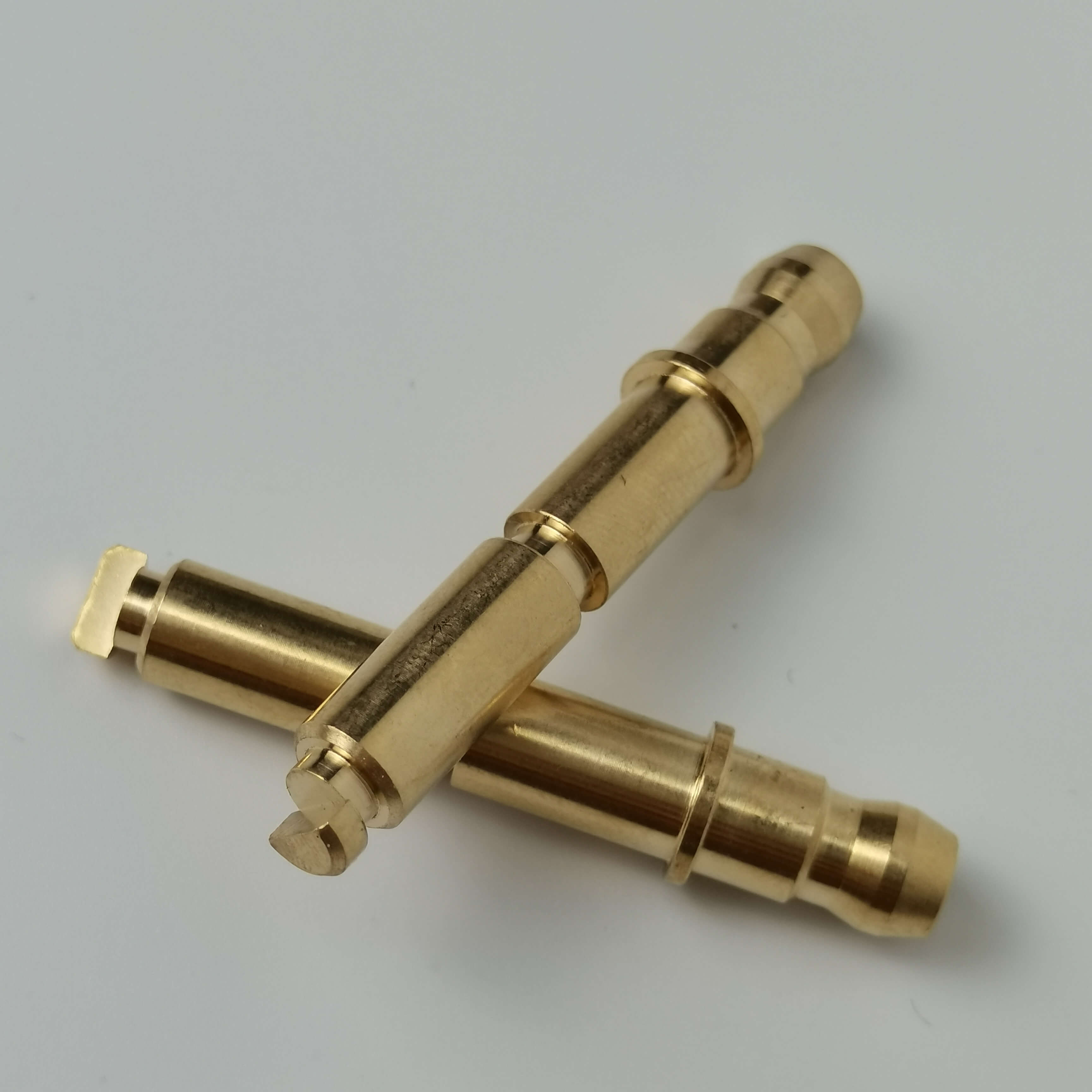 Figure 1: Schematic diagram of precision deviation in traditional stamping process
Introduction to the company's technological strength: Haokai Hardware's precision manufacturing system
STEP 1: Equipment Configuration: Stamping Matrix Covering Full Tonnage Range
Haokai Hardware possesses more than 30 sets of stamping equipment with capacities ranging from 30 to 250 tons, meeting the processing needs for both micro-components (diameter ≤ 5 mm) and large-sized parts (length and width ≤ 500 mm). Among them, the 250-ton high-speed precision press (model: AIDA-250T) is equipped with a closed-loop servo control system, achieving a stamping speed of 800 strokes per minute and a positional accuracy of ±0.005 mm, enabling stable processing of ultra-thin metal sheets as thin as 0.1 mm.
STEP 2: Process Innovation: Multi-Process Integration and Mold Optimization
For complex structural components, a combined "blanking-bending-stretching" process is employed to complete multi-step machining through single positioning, enhancing production efficiency by 60%. For instance, the processing cycle for a certain automotive connector housing (dimensions: 50×30×15 mm) was shortened from 8 minutes to 3 minutes, with dimensional consistency (CPK value) improved from 1.0 to 1.67.
STEP 3: Quality Control: Full-Process Inspection and Data Traceability
A Coordinate Measuring Machine (model: HEXAGON-GLOBAL) is introduced to conduct 100% inspection of key dimensions with a detection accuracy of 0.001mm. Meanwhile, real-time production data collection is achieved through the MES system, enabling each batch of products to be traced back to information such as raw material batches, equipment parameters, and operators, ensuring controllable quality.
Analysis of Technical Parameters:
- Die clearance: Controlled within 8%-12% of the material thickness (e.g., for 0.5 mm material, the clearance is 0.04-0.06 mm).
- Stamping speed: Adjustable according to material hardness (mild steel: 600-800 strokes/minute; stainless steel: 400-600 strokes/minute)
- Lubrication method: Use water-soluble lubricant with a spray volume of 0.5-1.0 mL per application, reducing the friction coefficient to below 0.05.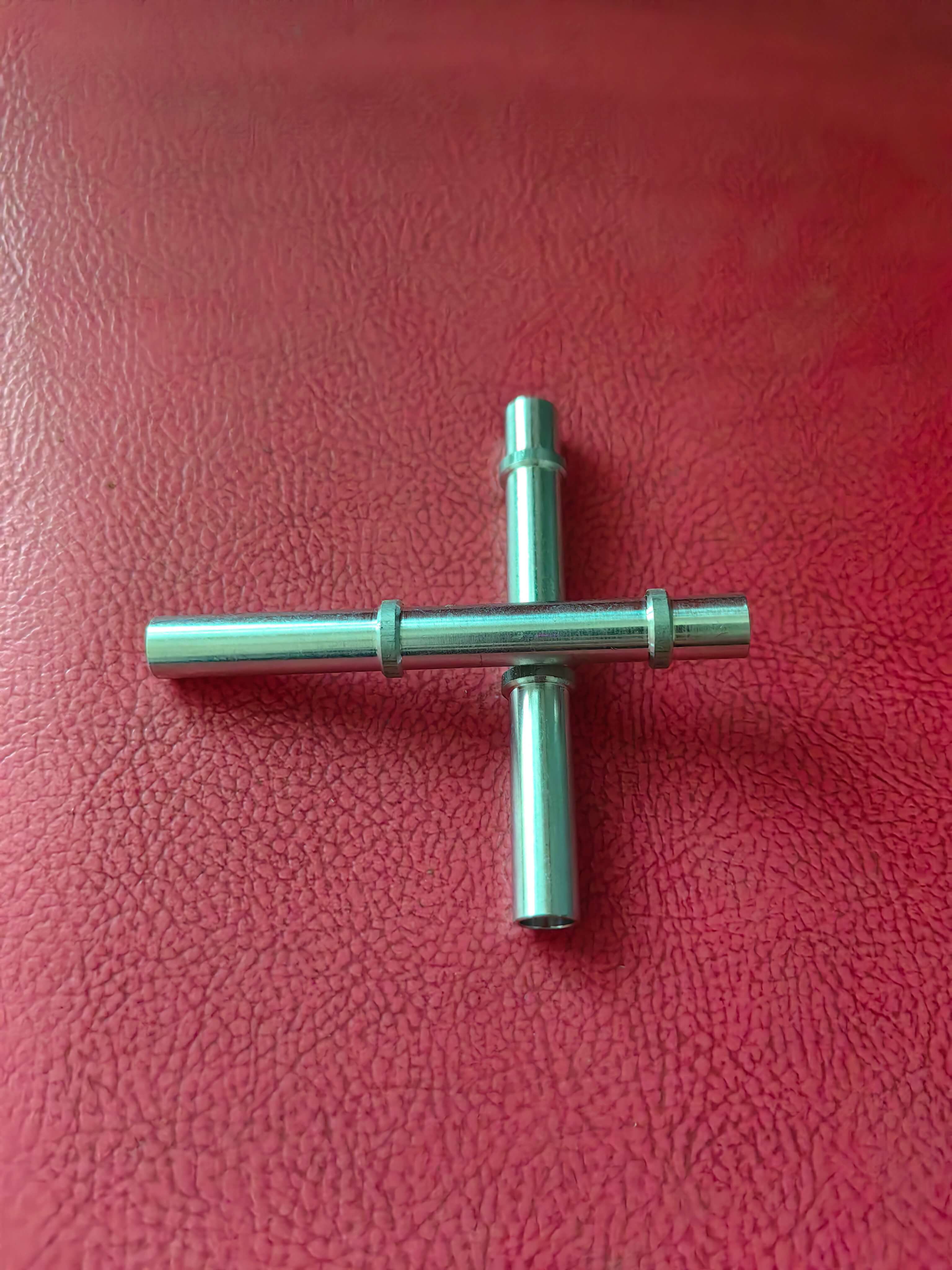 Figure 2: Haokai Hardware's 250-ton High-speed Precision Punch and Coordinate Measuring Machine
FAQ: A Q&A Guide to Technology Selection
Q1: How to select the tonnage of stamping equipment?
A: Calculate the punching force based on the material thickness and processing area (formula: P = K × t × L, where K is the material's shear strength, t is the thickness, and L is the perimeter). For example, when processing a carbon steel part with a thickness of 0.8 mm and a perimeter of 200 mm, the required punching force is approximately 400 kN, and it is recommended to select equipment with a capacity of over 63 tons.
Q2: How to solve the issue of short mold life?
A: Optimization is carried out in three aspects: 1) Material selection: High-hardness die steel (such as DC53) is used in combination with vacuum heat treatment to achieve a hardness of HRC60-62; 2) Surface treatment: TD coating (with a thickness of 2-5μm) is applied, enhancing wear resistance by three times; 3) Structural design: The blank layout is optimized to reduce the stamping area per operation and lower the unit pressure.
Q3: How to control costs for small-batch orders?
A: Adopting the "quick die change + flexible production line" model: 1) Utilizing quick-change devices to reduce die change time from 2 hours to 15 minutes; 2) Equipping multi-station presses to achieve continuous production through automated loading and unloading, minimizing manual intervention. Haokai Hardware once completed the production of 1,000 customized parts for a customer, with the cost per unit reduced by 40% compared to traditional processes.
Summary of technological advantages:
- Precision: Dimensional tolerance ±0.01 mm, meeting IT7 grade standard
- Efficiency: Single-piece production cycle ≤ 3 minutes, equipment utilization rate ≥ 85%
- Cost: 30%-50% reduction in comprehensive costs for small-batch orders
Reference for Full-text Summary: Technical Upgrade Path for Precision Stamping Parts
Haokai Hardware's practice demonstrates that the high-precision manufacturing of precision stamping parts requires collaborative optimization across equipment, processes, and management: meeting diverse demands through full-tonnage equipment coverage, enhancing efficiency via compound processes and mold optimization, and ensuring quality through full-process inspection and data traceability. Currently, its products are widely applied in automotive, electronics, medical, and other fields, providing supporting services for multiple Fortune Global 500 companies. In the future, with the introduction of intelligent equipment and industrial internet, precision stamping will advance toward the goals of "zero defects and zero downtime."
For more information, please visit the official website: www.hkwujin.com