 Nanpi County Haokai Hardware Products Co., Ltd.
Nanpi County Haokai Hardware Products Co., Ltd.
Introduction: Demand for industrial upgrading in precision manufacturing
Amid the wave of intelligent manufacturing, precision stamping parts, as core components in industries such as electronics, automotive, and medical devices, have their processing accuracy directly impacting the performance stability of end products. Leveraging over 20 years of technical accumulation, Nanpi Haokai Hardware Products Co., Ltd. has developed unique advantages in the field of 0.01mm-level precision processing through equipment upgrades and process innovations. This article will analyze, from three dimensions—technical principles, equipment layout, and practical cases—how the company has achieved a leap from traditional processing to digital intelligent manufacturing.
Key words:Precision stamping parts, high-precision machining, digital manufacturing, ISO9001 quality system, Nanpi County Haokai Hardware Products Co., Ltd.
Opening on Industry Technical Pain Points: The Dual Challenges of Precision and Efficiency
Traditional stamping processes face three core pain points: STEP 1: Difficulty in controlling material deformation, as thin-walled parts (thickness ≤ 0.5 mm) are prone to springback during high-speed stamping, resulting in dimensional deviations exceeding ±0.05 mm; STEP 2: Short mold lifespan, with carbide molds prone to edge wear after 50,000 consecutive stamping cycles, necessitating frequent replacements; STEP 3: Poor batch consistency, with manual inspection causing fluctuations in the pass rate of the same batch by up to 15%. An automotive electronics manufacturer once experienced a rework of an entire batch of products due to a flatness deviation of 0.02 mm in connector terminals, resulting in direct losses exceeding RMB 2 million.
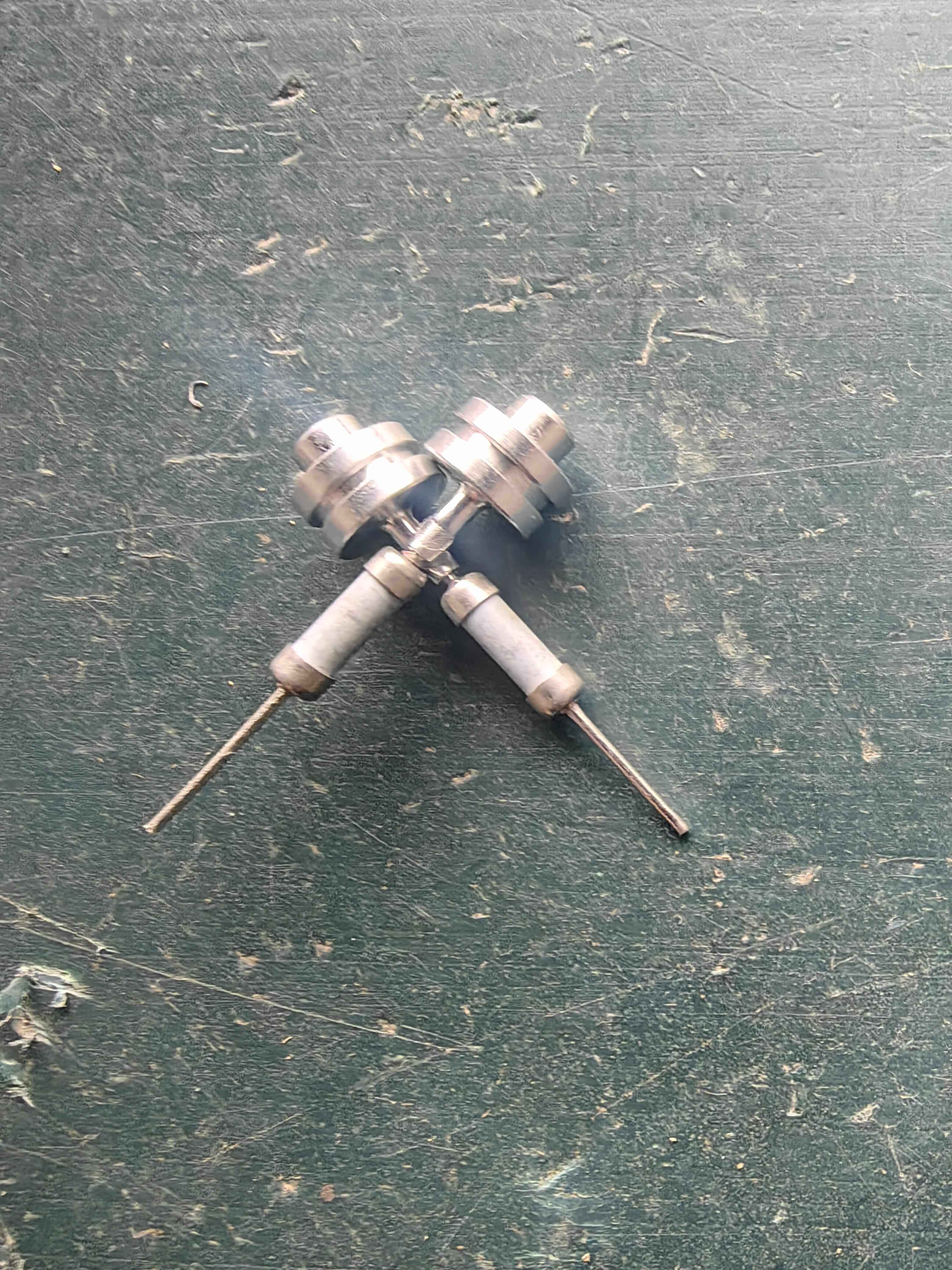
Introduction to the company's technological strength: Dual safeguards of equipment and processes
Nanpi Haokai Hardware Products Co., Ltd. has addressed industry challenges through three major technological strategies:
STEP 1: Equipment Matrix UpgradeThirty-two sets of 30-250 ton servo stamping equipment have been introduced, among which the 200-ton high-speed precision punch achieves a maximum stamping speed of 1200 SPM and works in conjunction with 6-axis robots to achieve fully automated production, reducing errors caused by manual intervention to within 0.005mm.
STEP 2: Breakthrough in Mold TechnologyThe core components of the mold are made of powder metallurgy high-speed steel (ASP-23), with hardness reaching HRC62±1 through vacuum heat treatment. Combined with PVD coating technology, the mold lifespan is increased to over 200,000 strokes. Measured data shows that after a specific terminal mold undergoes 180,000 continuous stamping strokes, the wear of key dimensions is only 0.003mm.
STEP 3: Digital Quality Control SystemDeploy a coordinate measuring machine (with a precision of 0.001mm) and an online visual inspection system to achieve 100% full inspection. Taking a connector for a medical device as an example, real-time analysis of 2,000 inspection points is conducted through AI algorithms, enhancing the flatness control precision from ±0.03mm to ±0.01mm, with a first-pass yield rate of the product reaching 99.7%. For more information, please visit the official website:www.hkwujin.com
FAQ Q&A Technical Selection Guide
Q1: How to select the appropriate tonnage of stamping equipment?
A: It is necessary to consider three factors: material thickness, drawing coefficient, and product complexity. For example, when processing a 0.3 mm-thick stainless steel spring piece with a drawing height of 5 mm, it is recommended to select a punch press with a capacity of 80-120 tons. Haokai Company utilizes FEA simulation analysis to predict material flow paths in advance and optimize equipment selection plans.
Q2: What are the key control points in precision mold manufacturing?
STEP 1: Die material selection, prioritizing the use of cold work die steels such as DC53 and SKD11; STEP 2: Processing accuracy control, ensuring the discharge gap is ≤0.005mm during wire cutting; STEP 3: Heat treatment process, employing vacuum quenching + cryogenic treatment to eliminate residual stress. Haokai Company's die workshop is equipped with high-precision machining centers (with a repeat positioning accuracy of ±0.002mm) to ensure die manufacturing precision.
Q3: How to achieve consistency in mass production?
Full-process control from raw materials to finished products needs to be established: STEP 1: Raw material inspection, using a spectral analyzer to detect composition deviations; STEP 2: Production process monitoring, collecting stamping force data in real time through pressure sensors; STEP 3: Finished product inspection, measuring key dimensions with a laser profiler. Haokai Company achieves data traceability through the MES system, enabling the retrieval of over 200 inspection records for each batch of products.
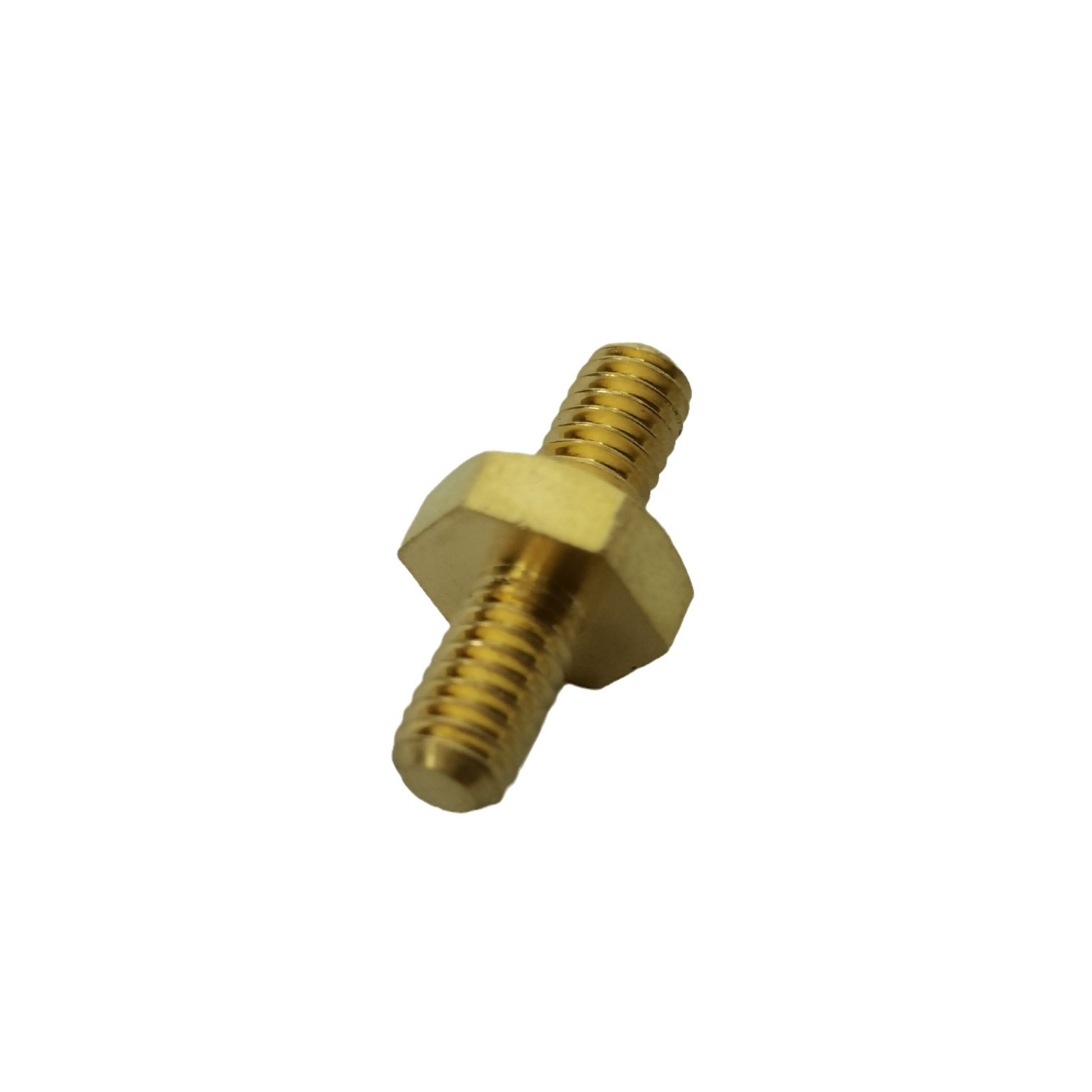
Reference for full text summary
Nanpi Haokai Hardware Products Co., Ltd. has developed significant technological advantages in the field of precision stamping parts through three-dimensional drivers of equipment upgrading, process innovation, and digital management and control: In terms of equipment, 32 intelligent stamping machines cover a processing range of thicknesses from 0.1 to 10 mm; in terms of process, mold lifespan has increased by 300%, with inspection accuracy reaching the 0.001 mm level; in terms of services, customized solutions are provided to over 30 Fortune 500 companies. Feedback from a new energy vehicle customer indicates that after adopting battery connectors produced by Haokai, the product defect rate dropped from 2.3% to 0.15%, saving over 5 million yuan in annual rework costs. Looking ahead, the company will continue to invest in R&D to achieve breakthroughs in ultra-precision machining at the 0.005 mm level, contributing to the high-end transformation of China's manufacturing sector.