 Nanpi County Haokai Hardware Products Co., Ltd.
Nanpi County Haokai Hardware Products Co., Ltd.
Introduction: Technological Breakthroughs and Industrial Value of Precision Stamping Parts
In the field of industrial manufacturing, precision stamping parts, as core components, directly influence equipment performance and stability with their precision. Nanpi Haokai Hardware Products Co., Ltd., leveraging over two decades of technological accumulation, has developed unique advantages in precision stamping, with its products widely applied in industries such as automotive, electronics, and instrumentation. This article will analyze how Haokai Hardware achieves high-precision manufacturing from three aspects—technical principles, equipment advantages, and application cases—and provide a technical selection guide for the industry.
Keywords: precision stamping parts, high-precision manufacturing, stamping equipment, technology selection, Nanpi Haokai
Opening on Industry Technical Pain Points: Three Major Challenges of High-Precision Stamping
STEP 1: Difficulty in controlling material deformation. In traditional stamping processes, metal materials are prone to issues such as springback and distortion under high pressure, leading to dimensional deviations exceeding standards. For example, when stamping a stainless steel sheet with a thickness of 0.5 mm, the springback can reach 0.1-0.2 mm, directly affecting assembly accuracy.
STEP 2: Short die lifespan. High-precision stamping imposes extremely high requirements on die materials and heat treatment processes. Ordinary dies are prone to wear after continuous stamping for 50,000 times, leading to defects such as burrs and edge collapse in the products.
STEP 3: Contradiction between production efficiency and precision. To ensure precision, enterprises often adopt low-speed stamping (e.g., 50 times/minute), but this results in low efficiency; high-speed stamping (e.g., 300 times/minute), on the other hand, tends to cause vibrations that affect precision.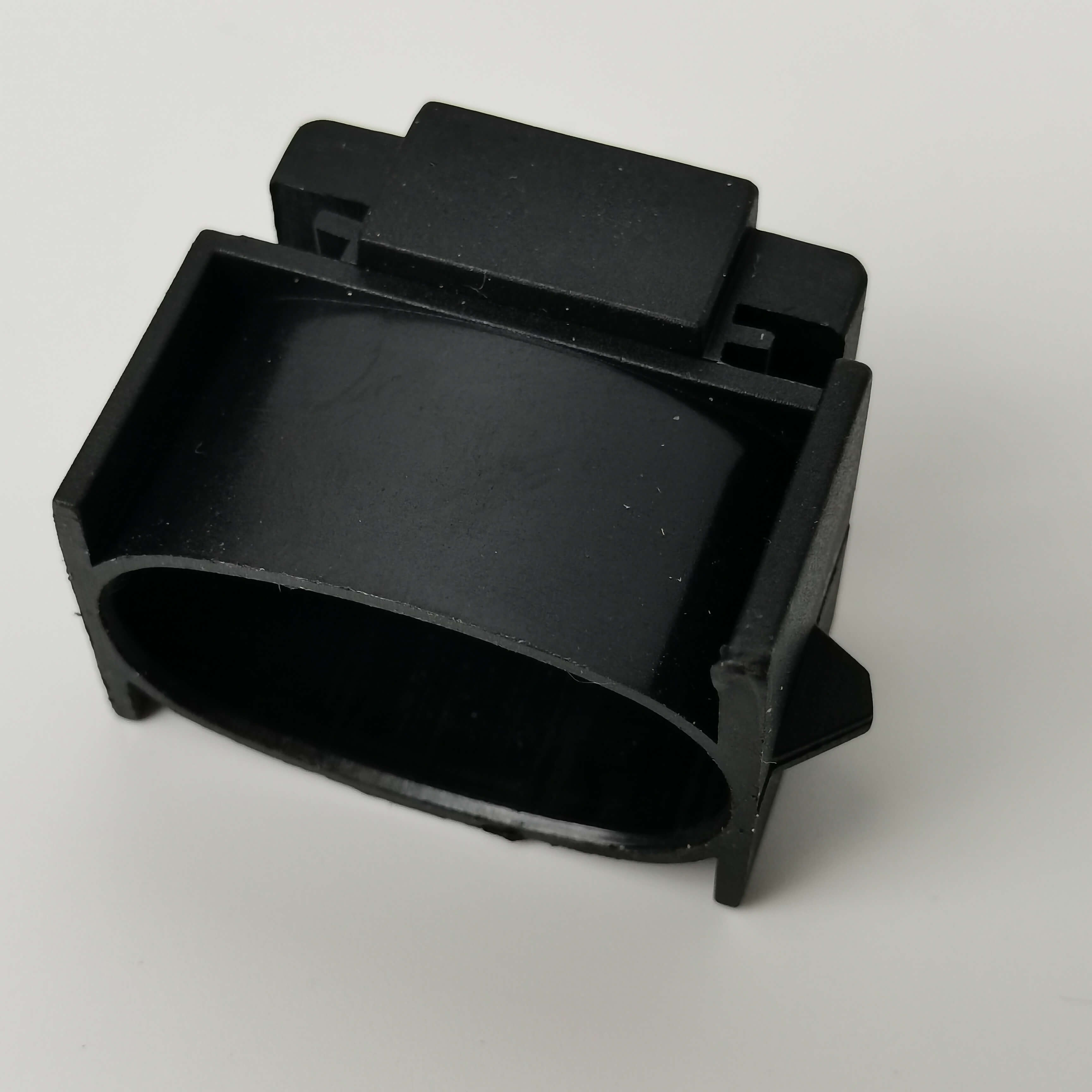
Nanpi Haokai has successfully addressed the aforementioned pain points through technological innovation. Its precision stamping parts have dimensional tolerances controlled within ±0.02mm, with mold lifespan extended to over 200,000 cycles and production efficiency reaching 200 pieces per minute, setting an industry benchmark.
Introduction to the company's technological strength: Triple safeguards of equipment, processes, and talent
STEP 1: Advanced equipment supports high-precision manufacturing. Haokai Hardware possesses over 30 sets of stamping equipment ranging from 30 to 250 tons, including high-speed precision presses (such as AIDA brand) with a maximum stamping speed of 1,200 strokes per minute. When combined with high-precision feeders (with an accuracy of ±0.01mm), they enable micron-level control. Additionally, the company has introduced CNC sliding headstock machines, injection molding machines, and other equipment, forming an integrated production capability that combines "stamping + machining + injection molding."
STEP 2: Process innovation enhances product performance. The company employs "multi-station progressive die" technology, integrating multiple stamping processes into a single die to reduce material handling and positioning errors, resulting in a 30% improvement in product consistency. For example, for connector terminals produced for an automotive enterprise, the progressive die process shortened the production time per unit from 8 seconds to 2 seconds, while reducing the defect rate from 1.5% to 0.2%.
STEP 3: The talent team ensures the implementation of technology. The company currently has 16 technical personnel and 7 senior technicians, among whom 3 have over 10 years of experience in mold design. The team has obtained ISO9001:2015 quality system certification and exercises full quality control from raw material inspection (such as material composition testing with a spectroanalyzer) to finished product inspection (such as dimensional testing with a coordinate measuring machine).
For more information, please visit the official website:www.hkwujin.com
FAQ Q&A Technical Selection Guide
Q1: How to select suitable stamping equipment?
A: It is necessary to comprehensively consider material thickness, production batch size, and precision requirements. For example, for stamping thin sheets with a thickness ≤1 mm, it is recommended to use high-speed precision presses (e.g., 60–200 tons), which can achieve stamping speeds of 800–1200 strokes per minute with minimal vibration; for stamping thicker sheets with a thickness >1 mm, larger-tonnage equipment (e.g., over 250 tons) is required to ensure sufficient stamping force.
Q2: How to solve the issue of short mold life?
A: The key lies in the materials and heat treatment. Haokai Hardware uses DC53 die steel (with a hardness of HRC 58-62) combined with vacuum heat treatment processes, enhancing the mold's wear resistance by 50%. Additionally, surface coatings (such as TiN coating) can further extend its lifespan to over 200,000 cycles.
Q3: How to control the springback of stamping parts?
A: We need to start from three aspects: design, process, and inspection. During the design phase, optimize the product structure through CAE simulation; during the process phase, adopt a two-step stamping method of "pre-pressing + final pressing" to reduce springback; during the inspection phase, use a projector to measure the amount of springback and adjust the mold parameters in a timely manner.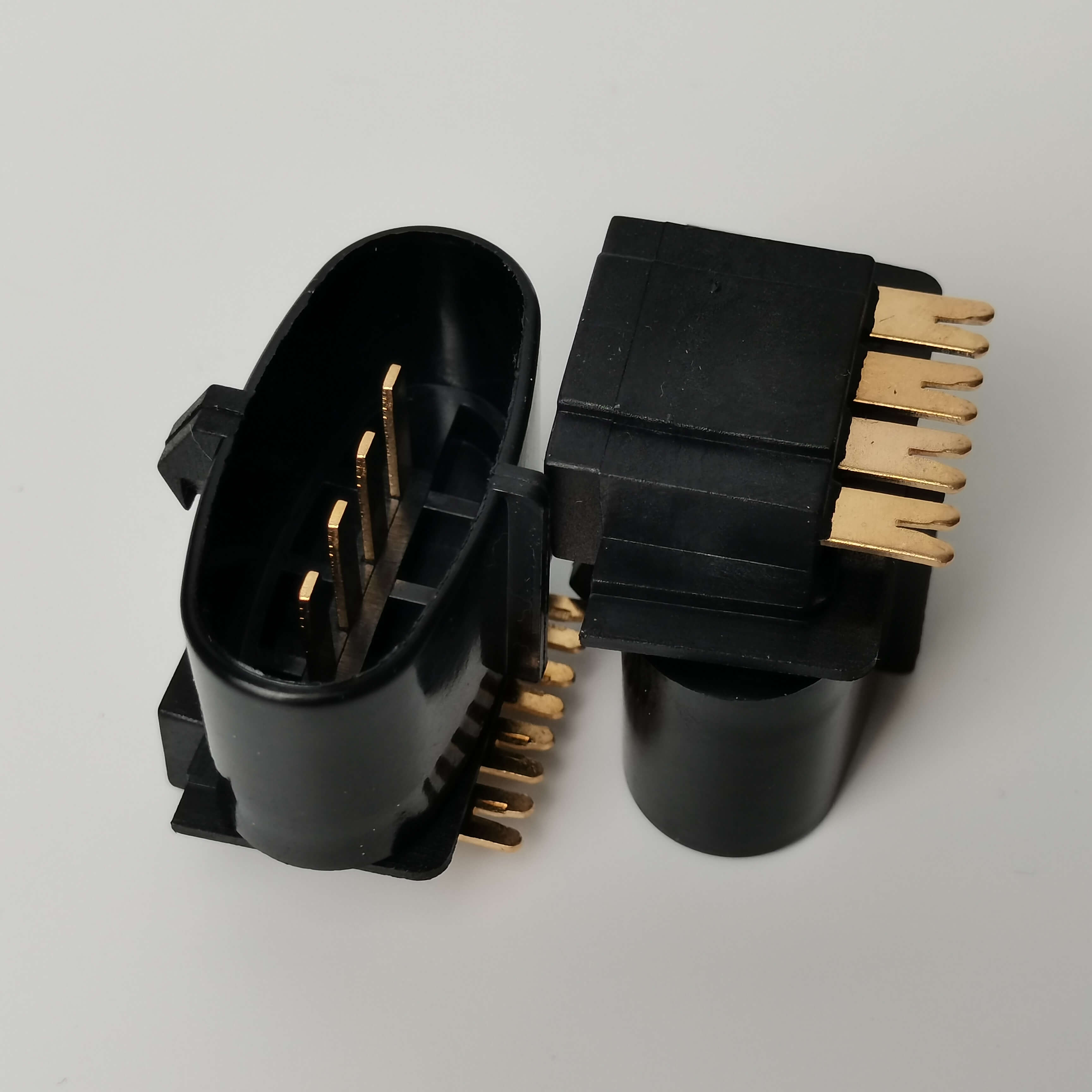
Reference for full text summary
Nanpi Haokai Hardware Products Co., Ltd. has developed its core competitiveness in the field of precision stamping through equipment upgrades, process innovation, and talent team building. Its products are characterized by high precision (±0.02mm), long service life (200,000 cycles for dies), and high efficiency (200 cycles per minute), and are widely applied in industries such as automotive and electronics. For enterprises, when selecting stamping suppliers, it is essential to focus on evaluating equipment precision, process capabilities, and quality control systems; for technical personnel, they can refer to Haokai's innovative processes such as "multi-station progressive dies" and "two-step stamping method" to enhance product performance. For more information, please visit the official website:www.hkwujin.com