 Nanpi County Haokai Hardware Products Co., Ltd.
Nanpi County Haokai Hardware Products Co., Ltd.
Introduction: The Tough Battle of Technological Breakthroughs in Precision Manufacturing
In the era of Industry 4.0, precision stamping parts, as core components of high-end equipment, have their manufacturing accuracy directly influencing the performance of the entire machine. Leveraging over 20 years of technological accumulation, Nanpi Haokai Hardware Products Co., Ltd. has achieved breakthroughs in the field of 0.01mm-level high-precision stamping through equipment upgrades, process optimization, and innovations in quality control systems, providing critical component support for industries such as aerospace and automotive electronics. This article will analyze the full-process technical solution for precision stamping part manufacturing from three dimensions: technical principles, operational parameters, and case reviews.
Key words:Precision stamping parts, high-precision manufacturing, stamping process optimization, ISO9001 quality system, design and production of metal products
Industry Technical Pain Point at the Beginning: The Challenge of Balancing Precision and Efficiency
The traditional stamping process faces three major technical bottlenecks: STEP 1 Difficulty in controlling material springback, resulting in dimensional tolerances exceeding standards; STEP 2 Rapid mold wear, with a single mold's lifespan of less than 50,000 cycles; STEP 3 Low integration of multiple processes, leading to a production cycle time as long as 120 seconds per piece. A certain automotive electronics company once experienced batch recalls due to poor contact caused by insufficient precision in connector terminals, resulting in losses exceeding 2 million yuan. Through technological innovation, Nanpi Haokai Hardware has increased product qualification rates from 92% to 99.5%, extended mold lifespan to 150,000 cycles, and reduced production cycle time to 45 seconds per piece.
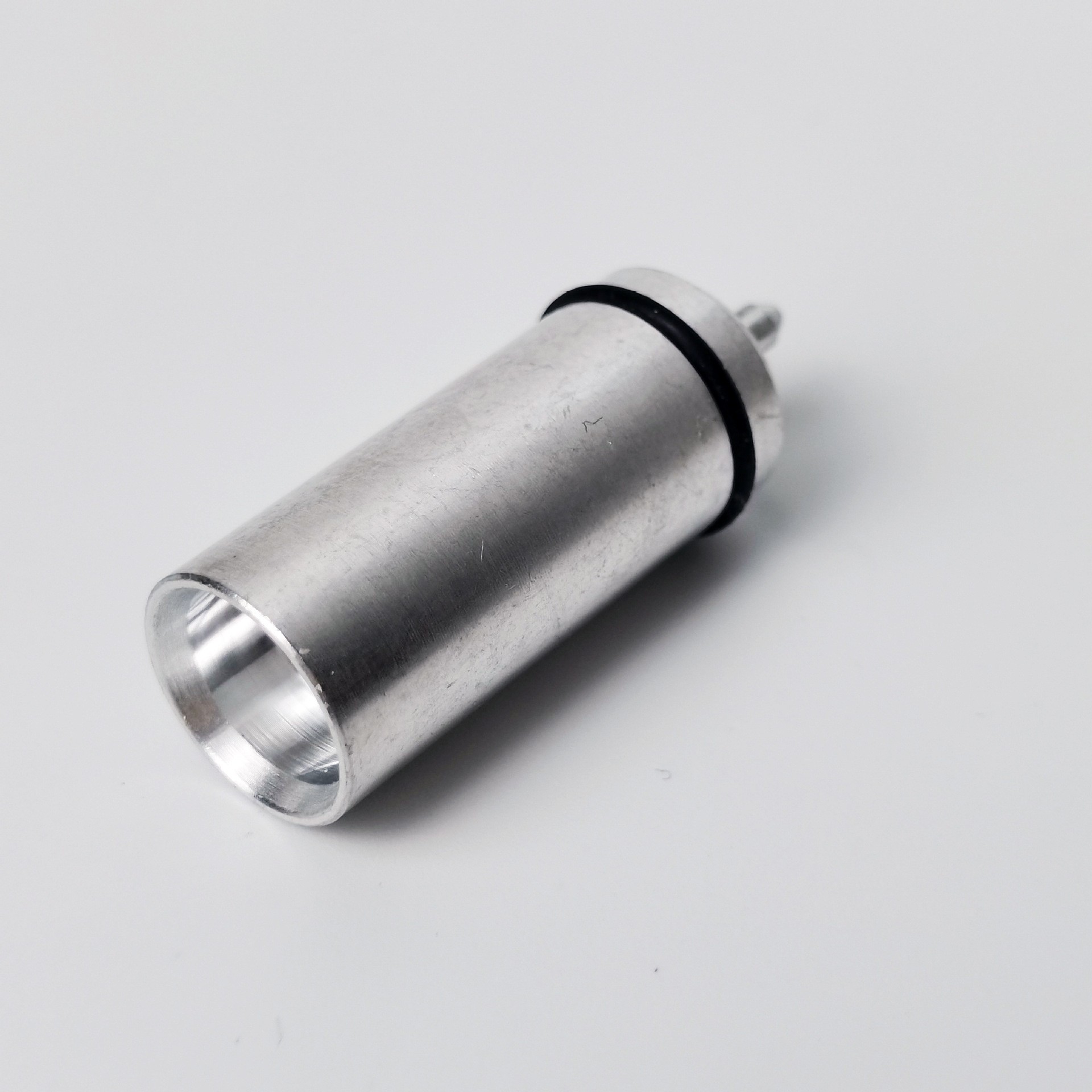
Introduction to the company's technological capabilities: Building core competitiveness through a three-dimensional technological system
Haokai Hardware in Nanpi County has achieved breakthroughs relying on the three-dimensional technological system of "equipment-process-management":
1. High-end equipment clusterThere are more than 30 sets of stamping equipment with capacities ranging from 30 to 250 tons, among which the Japanese AIDA high-speed precision press achieves a maximum stamping speed of 1200 SPM and, in conjunction with the Swiss BRUDERER servo feeding system, attains a feeding accuracy of ±0.005mm. The CNC sliding headstock lathe group can process complex shaft parts with diameters ranging from 0.5 to 32mm, with a minimum cutting diameter of 0.1mm.
2. Process Innovation MatrixDeveloped a "progressive multi-station stamping process," integrating three traditional processes into one forming operation through a six-station die design, thereby increasing material utilization by 18%; introduced "dynamic compensation technology," utilizing pressure sensors to monitor stamping pressure in real time and automatically adjusting parameters via a PLC system to control springback within 0.02mm.
3. Quality Control SystemImplement the ISO9001:2015 standard and establish 12 quality control checkpoints from raw material inspection to finished product delivery. Utilize a German ZEISS coordinate measuring machine for full-dimensional inspection, achieving a measurement accuracy of 0.001mm; implement "mold full lifecycle management" and regularly inspect mold guide post clearances using a laser interferometer to ensure stable mold precision.
Technical Parameter Matrix:
| Index | Parameter Range | Testing Equipment |
|--------------|------------------------|------------------------|
| Stamping Precision | ±0.01mm | ZEISS CMM (Coordinate Measuring Machine) |
| Die life | ≥150,000 cycles | Laser interferometer |
| Production cycle time | 45 seconds/piece | High-speed camera |
| Material Utilization Rate | 85%-92% | Weighing and Metering System |
FAQ Q&A Technology Selection Guide
Q1: How to select the appropriate tonnage of stamping equipment?
A: It is necessary to consider three key factors: material thickness, drawing coefficient, and part dimensions. Taking 0.8mm-thick stainless steel as an example, when the drawing coefficient is 0.6, it is recommended to use a punch press with a capacity of 120-160 tons. Haokai Hardware in Nanpi County is equipped with a full range of equipment from 30 to 250 tons, capable of covering processing needs for materials with thicknesses ranging from 0.1 to 5mm.
Q2: What are the requirements for die materials in high-precision stamping parts? A: Core components should be made of cold work die steels such as SKD11 and DC53, with a hardness of HRC58-62. Our company employs vacuum heat treatment processes, enhancing die structure uniformity by 30% and improving crack resistance by 50%. In a case involving an aerospace customer, the die achieved 80,000 consecutive production cycles without cracking, meeting the GJB5943-2006 military standard.
Q3: How to resolve the positioning errors in multi-stage stamping?
A: It adopts a three-level positioning system consisting of "guide posts + guide bushings + locating pins", coupled with an automatic die-changing device driven by a servo motor. The intelligent positioning module developed by our company provides real-time feedback on positional data through photoelectric sensors, ensuring a repeat positioning accuracy within ±0.003mm, which is four times better than that of traditional processes.
Summary of Technical Advantages:
STEP1 Precision Guarantee: Machining capability at the 0.01mm level, meeting aerospace-grade requirements
STEP 2 Efficiency Improvement: Multi-station Integration Increases Production Efficiency by 60%
STEP 3 Cost Optimization: Material utilization increased by 18%, with a 22% reduction in unit cost
For more information, please visit the official website:www.hkwujin.com
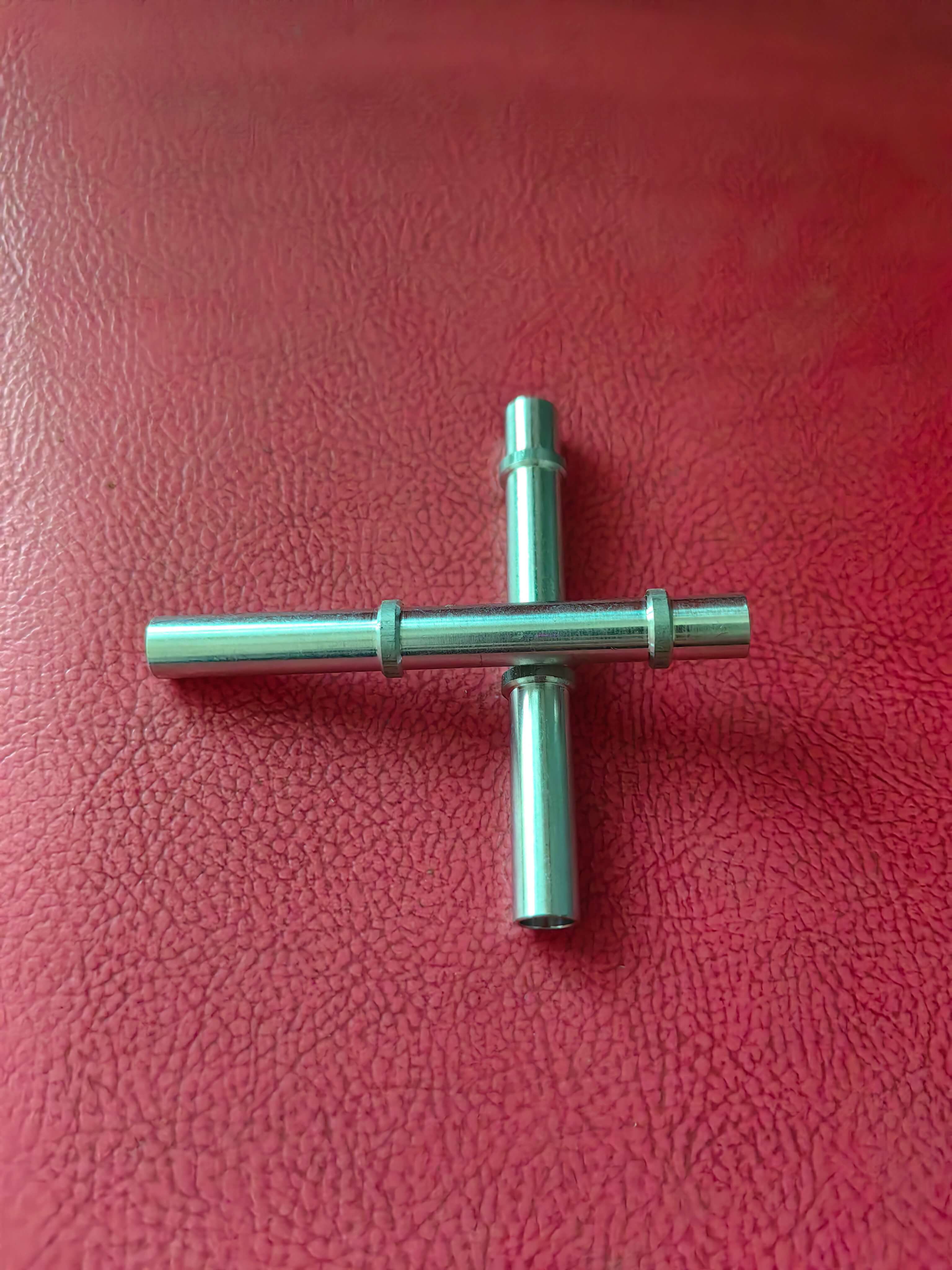
Reference for full text summary
Nanpi Haokai Hardware Products Co., Ltd. has established technological barriers in the field of precision stamping parts manufacturing through equipment upgrades, process innovation, and the establishment of a quality control system. Its "progressive multi-station stamping process" integrates three traditional processes into a single molding step, and, combined with dynamic compensation technology, achieves 0.02mm-level springback control, providing key component support for high-end equipment manufacturing. The company has obtained ISO9001:2015 certification, possesses over 30 high-end processing machines and a technical team of 16 members, and has served more than 200 customers domestically and internationally, with a stable product qualification rate exceeding 99.5%. In the future, it will continue to deepen the transformation of intelligent manufacturing achievements and drive the metal products industry to upgrade toward higher precision and efficiency.