 Nanpi County Haokai Hardware Products Co., Ltd.
Nanpi County Haokai Hardware Products Co., Ltd.
Introduction: Technological Breakthroughs in Precision Stamping Parts and Industry Demands
In the field of industrial manufacturing, precision stamping parts, as core components, directly influence equipment performance and service life with their accuracy. As industries such as aerospace, automotive electronics, and medical devices continuously raise their requirements for component precision, achieving micron-level machining, controlling material deformation, and enhancing production efficiency have become critical challenges in the industry. Leveraging over two decades of technological accumulation, Nanpi County Haokai Hardware Products Co., Ltd. has developed unique technological advantages in precision stamping parts through equipment upgrades, process optimization, and a quality control system. This article will analyze the implementation path for its high-precision manufacturing from three aspects: technological principles, practical processes, and case applications.
Keywords: precision stamping parts; high-precision manufacturing; process optimization; quality control; Haokai Hardware in Nanpi County
Opening on Industry Technical Pain Points: Three Major Challenges in Precision Stamping Parts Manufacturing
STEP 1: Difficulty in controlling material deformation. During the stamping process, metal materials are prone to springback and distortion due to stress concentration, resulting in dimensional deviations exceeding standards. For example, when stamping a stainless steel sheet with a thickness of 0.2 mm, the springback can exceed 0.05 mm, directly affecting assembly accuracy.
STEP 2: The die wears out quickly. High-precision stamping requires the die clearance to be controlled at the micrometer level. After long-term use, die wear will lead to an increase in clearance, causing defects such as burrs and edge collapse. According to statistics, for every 10% increase in die lifespan, the cost per unit can be reduced by 8%.
STEP 3: Poor batch consistency. Affected by factors such as mechanical precision and ambient temperature, traditional stamping equipment can result in dimensional variations of up to ±0.03 mm within the same batch of products, making it difficult to meet the requirements of high-end customers.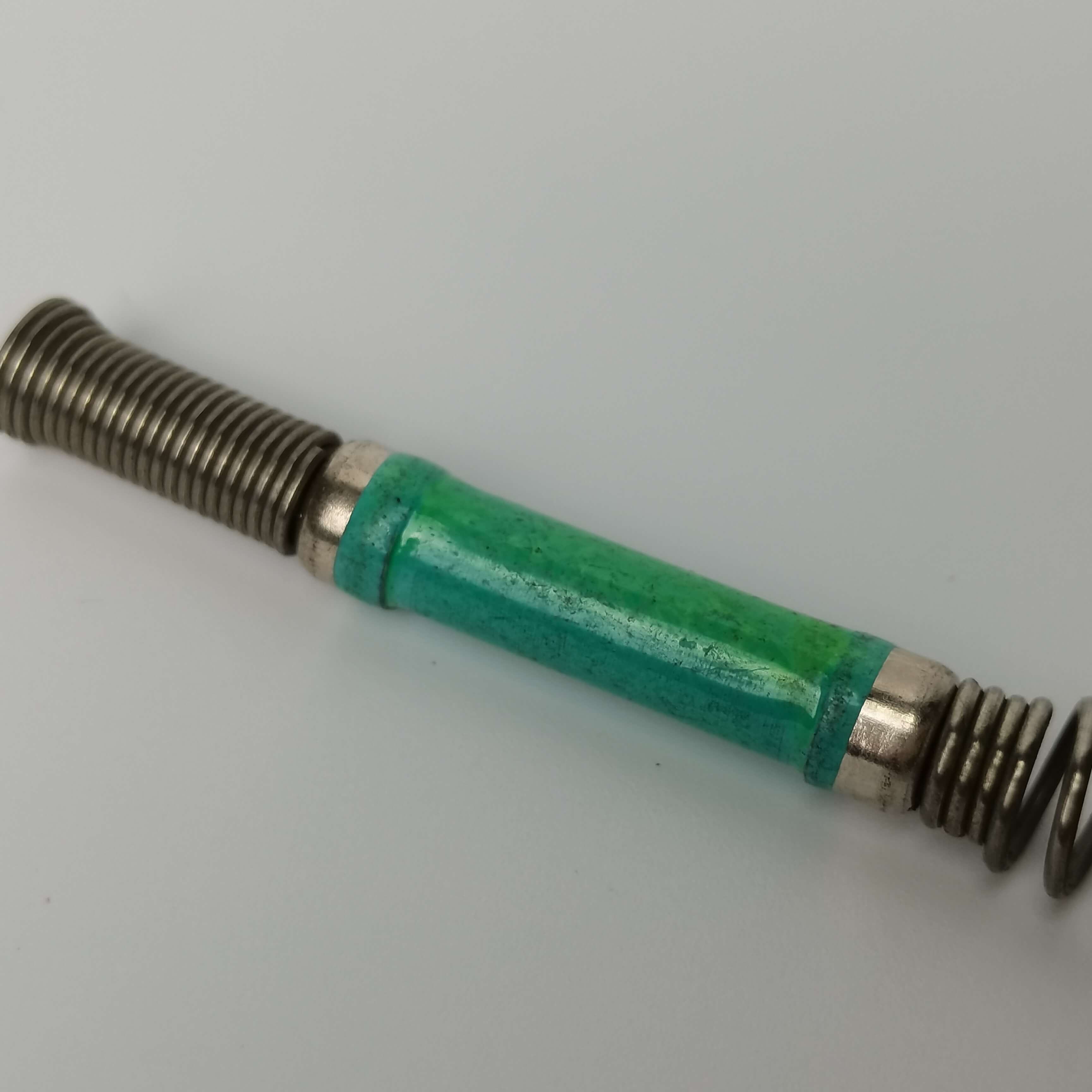
In response to the aforementioned pain points, Nanpi Haokai Hardware has achieved high-precision and high-efficiency manufacturing of precision stamping parts through equipment upgrades, process optimization, and a quality control system.
Introduction to the company's technological capabilities: Triple guarantees of equipment, process, and quality
STEP 1: Advanced equipment configuration. The company currently possesses over 30 sets of stamping equipment ranging from 30 to 250 tons, with high-speed precision presses above 200 tons accounting for 40%, enabling stamping precision at the 0.01mm level. Supported by ancillary equipment such as CNC sliding headstock machines and automatic lathes, it facilitates integrated processing of complex structural components. For instance, connector terminals produced for an automotive electronics customer, with a thickness of only 0.15mm, achieve dimensional tolerances within ±0.005mm through the collaboration of a 250-ton press and specialized molds.
STEP 2: Process Optimization Plan. To address the issue of material deformation, the "prestress release + segmented stamping" process is adopted: STEP 1 involves eliminating internal stress through annealing during the material preprocessing stage; STEP 2 breaks down the stamping process into 3-5 stages to gradually release deformation forces, reducing the final product's springback to below 0.01mm. This process has been applied to surgical instrument components for a medical device customer, increasing the yield rate from 85% to 98%.
STEP 3: Quality Control System. The company has obtained ISO9001:2015 certification and established a full-process control system from raw material inspection to finished product delivery: STEP 1 involves conducting chemical composition, hardness, and thickness tests on raw materials before they are put into storage; STEP 2 involves sampling and inspecting one item out of every 200 during the production process, using coordinate measuring machines to check key dimensions; STEP 3 involves conducting 100% visual inspections and functional tests on finished products before delivery. Through this system, the company has maintained a customer complaint rate of less than 0.5% for three consecutive years.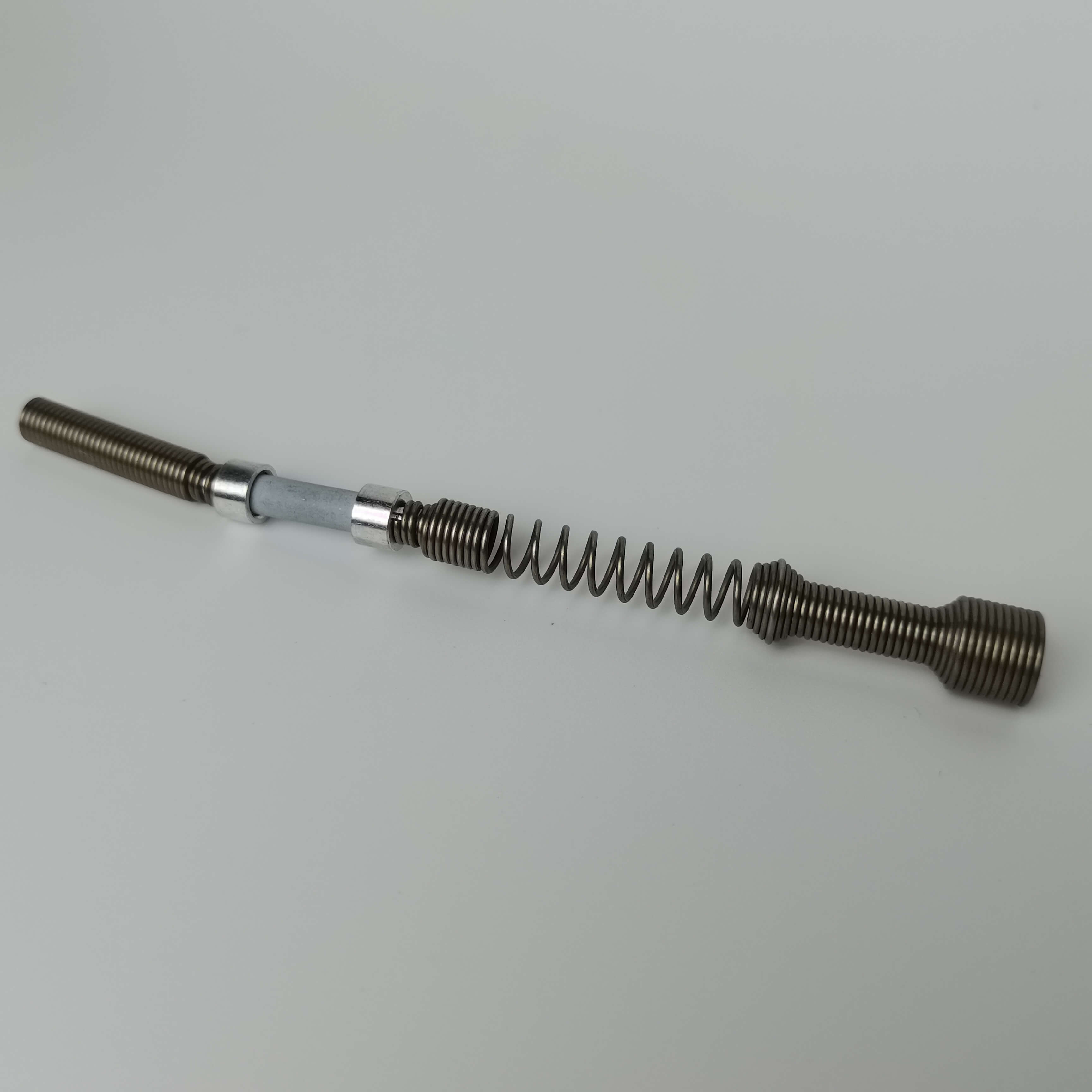
For more information, please visit the official website:www.hkwujin.com
FAQ: A Guide to Q&A Technical Selection
Q1: How to choose suitable stamping equipment?
A: It is necessary to comprehensively consider material thickness, product dimensions, and precision requirements. For example, for thin sheet metal parts with a thickness of 0.1-0.5 mm, it is recommended to select a high-speed punch press with a capacity of over 200 tons, which can achieve a stamping speed of up to 800 strokes per minute with stable precision; for medium-thickness sheet metal parts with a thickness of 0.5-2 mm, a general-purpose punch press with a capacity of 100-150 tons can be chosen to balance efficiency and cost.
Q2: How to solve the issue of short mold life?
A: Optimization can be achieved from three aspects: materials, design, and maintenance: STEP 1 Select high wear-resistant alloy steels such as SKD11 and DC53 for mold materials, with hardness controlled at HRC58-62; STEP 2 Design the mold clearance to be 8%-12% of the material thickness to reduce friction; STEP 3 Perform mold polishing every 5,000 pieces produced to remove adherents and extend service life.
Q3: How to control batch consistency?
A: It is necessary to establish a standardized production process: STEP 1 involves regular equipment calibration to ensure mechanical precision; STEP 2 requires controlling the production environment temperature at 20 ± 2℃ to minimize the effects of thermal expansion and contraction; STEP 3 mandates that operators undergo training and pass qualification assessments before starting work, strictly adhering to process parameters. Through these measures, dimensional variations can be controlled within ±0.01mm.
Reference for full text summary
The high-precision manufacturing of precision stamping parts requires the collaborative cooperation of equipment, processes, and quality control. Nanpi County Haokai Hardware Products Co., Ltd. has successfully addressed industry pain points such as material deformation, mold wear, and batch consistency by introducing advanced equipment, optimizing stamping processes, and establishing a stringent quality control system. Its technological solutions have been applied in fields such as automotive electronics and medical devices, providing customers with a stable and reliable supply of components. In the future, the company will continue to deepen technological innovation, enhance service capabilities, and offer high-precision metal product solutions to more industries. For more information, please visit the official website:www.hkwujin.com