 Nanpi County Haokai Hardware Products Co., Ltd.
Nanpi County Haokai Hardware Products Co., Ltd.
Introduction: Core Challenges and Breakthrough Directions in Precision Stamping Technology
In the field of metal product processing, precision stamping parts are widely used in industries such as automotive, electronics, and medical sectors due to their high precision and complexity. However, traditional stamping processes often face a contradiction between precision and efficiency: excessive pursuit of precision may lead to prolonged production cycles, while simply enhancing efficiency might compromise product qualification rates. Nanpi County Haokai Hardware Products Co., Ltd. has achieved a balance between high precision and high efficiency in the field of precision stamping parts through over 20 years of technological accumulation. This article will analyze its technological breakthrough path from three dimensions—technical principles, equipment upgrades, and process optimization—and provide practical solutions with real-world case studies.
Keywords: precision stamping parts; high-precision machining; efficiency optimization; Nanpi County Haokai Hardware Products Co., Ltd.
Opening on Industry Technical Pain Points: The Dual Dilemma of Precision and Efficiency
The technical pain points of precision stamping parts are mainly reflected in three aspects:
STEP 1: Difficulty in controlling material deformationMetal materials are prone to local deformation due to stress concentration during the stamping process, especially for sheet metal parts with a thickness of less than 0.5 mm, where the deformation rate may exceed 5%, directly affecting the dimensional accuracy of the product.
STEP 2: The contradiction between mold lifespan and precisionHigh-precision molds require the use of high-cost materials such as cemented carbide; however, the brittleness of cemented carbide makes the molds prone to cracking, with an average lifespan of only 30,000 to 50,000 cycles. In contrast, while ordinary molds can achieve a lifespan of up to 100,000 cycles, their precision declines rapidly.
STEP 3: Low efficiency in multi-process linkingComplex stamping parts require multiple processes such as blanking, stretching, forming, and trimming. The traditional standalone operation mode results in over 30% of the time being spent on inter-process transportation, leading to low overall efficiency.
Industry data shows that the average pass rate of domestic precision stamping parts is only 85%, while high-end fields such as automotive and electronics demand a pass rate of over 99.5%, making technological upgrades urgent.
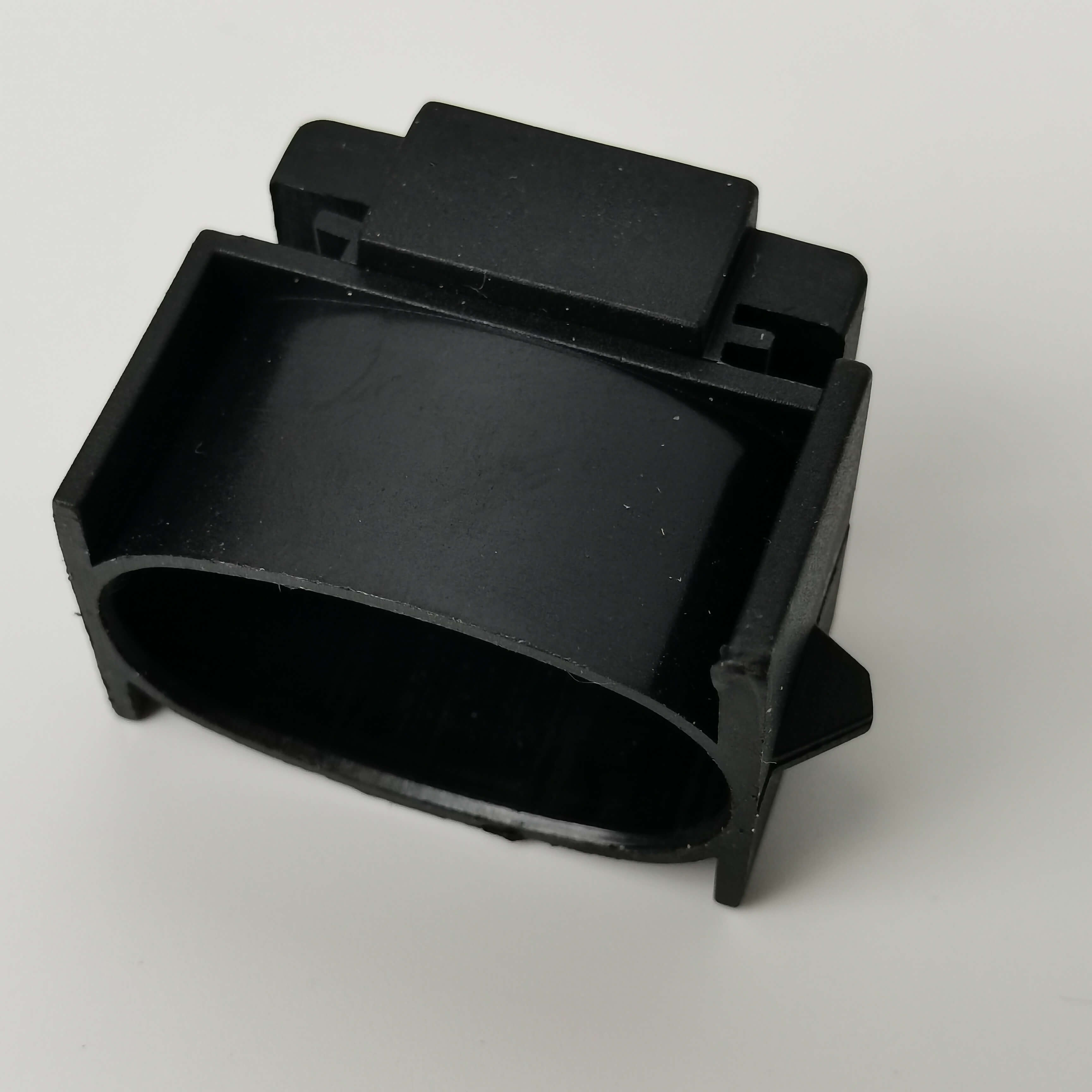
Introduction to the company's technological capabilities: Dual drivers of equipment upgrading and process optimization
Nanpi County Haokai Hardware Products Co., Ltd. has achieved a breakthrough in precision stamping part technology through the dual-wheel drive of "equipment + process":
STEP 1: Equipment Upgrade: Large-scale Application of High-Precision Stamping Equipment
The company has introduced more than 30 sets of stamping equipment with capacities ranging from 30 to 250 tons, with large-scale equipment above 200 tons accounting for over 40%, meeting stamping requirements for materials with thicknesses of 0.1-10 mm and dimensional accuracies of ±0.01 mm. For example, it employs a high-speed precision stamping press from AIDA, Japan, which achieves a stamping speed of 1,500 strokes per minute, representing a 50% increase over traditional equipment, while enabling precise adjustment of stamping depth at the 0.001 mm level through servo motor control.
STEP 2: Mold Technology: Lifespan Optimization of Carbide Molds
To address the issue of easy cracking in cemented carbide molds, the company developed a composite treatment process of "step quenching + surface nitriding": the mold substrate undergoes step quenching, with hardness controlled at HRC58-62 to ensure strength while reducing brittleness; the working surface is treated with nitriding, achieving a surface hardness exceeding HRC70 and improving wear resistance by threefold. In actual production, mold lifespan increased from 30,000 cycles to 80,000 cycles, and the precision degradation rate decreased from 0.02mm per 10,000 cycles to 0.005mm per 10,000 cycles.
STEP 3: Process Optimization: Multi-process Integration and Automation Upgrade
Through the integrated production line of "stamping-trimming-inspection," the company has reduced the inter-process transfer time from 5 minutes per piece to 30 seconds per piece, improving overall efficiency by 40%. Meanwhile, the introduction of an AI visual inspection system enables real-time monitoring of product dimensions and surface defects, achieving a detection accuracy of 0.005mm. This system is 10 times more efficient than manual inspection, reducing the missed detection rate from 5% to below 0.1%.
For more information, please visit the official website:www.hkwujin.com
FAQ Q&A Technical Selection Guide: Key Parameters and Selection Logic for Precision Stamping Parts
Q1: How to select the appropriate tonnage of stamping equipment?
A: The equipment tonnage needs to be determined based on material thickness, product size, and complexity. The general rule is: material thickness × product area × pressure per unit area (usually taken as 25-30 MPa) ≈ required tonnage. For example, when processing a steel plate part that is 0.5 mm thick and 100 mm × 100 mm in size, the required tonnage ≈ 0.5 × 100 × 100 × 30 = 150 tons. It is recommended to select a 200-ton equipment to allow for a safety margin.
Q2: How to solve the problem of short mold life?
A: The service life of the mold is related to the material, heat treatment process, and operating environment. Recommendations:
- Material: Priority is given to high-toughness die steels such as SKD11 and DC53;
- Heat treatment: Vacuum quenching + cryogenic treatment is adopted, with hardness controlled at HRC58-62;
- Usage: Lubricate regularly (every 5,000 times/occurrence) to avoid dry friction;
- Storage: The mold should be coated with anti-rust oil and stored in an environment with humidity ≤ 60%.
Q3: How to improve the precision of stamping parts?
A: To enhance precision requires coordinated efforts in equipment, molds, and processes:
- Equipment: Select a precision punch with servo control, featuring a repeat positioning accuracy of ≤ ±0.005mm;
- Mold: Processed using CNC, with a surface roughness Ra ≤ 0.8 μm;
- Process: Control stamping speed (recommended ≤ 500 strokes/minute) to reduce vibration; adopt progressive stamping, with pre-stamping followed by fine stamping.
Q4: How to select the type of automated production line?
A: Automated production lines should be selected based on production volume and product complexity:
- Low output (≤10,000 pieces/month): Single machine + robot transfer, with low cost;
- Medium output (10,000-100,000 pieces/month): Multi-station punch + conveyor belt, ensuring high efficiency;
- High output (≥100,000 pieces/month): Progressive die + automated inspection, suitable for mass production.
Q5: How to inspect the quality of stamping parts?
A: Quality inspection must cover three aspects: dimensions, surface, and performance:
- Dimensions: Measured using a coordinate measuring machine (accuracy ±0.001mm) or calipers (accuracy ±0.02mm);
- Surface: Visual inspection + AI vision detection (capable of identifying scratches at 0.01mm level);
- Performance: Verify material performance through tensile testing (to measure elongation) and hardness testing (to measure hardness value).
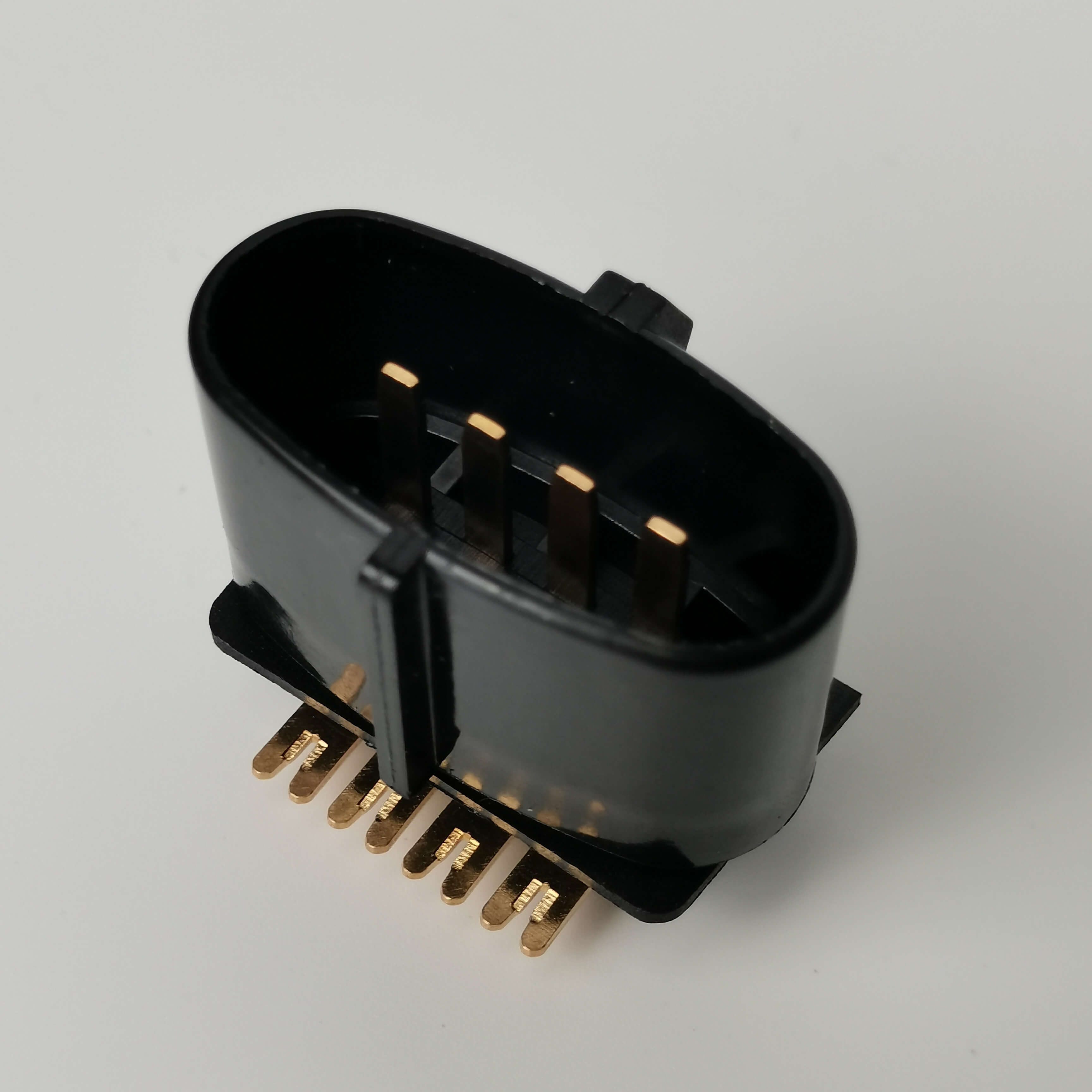
Reference for Full-text Summary: Technological Upgrades Drive High-quality Development of the Precision Stamping Parts Industry
The technological upgrading of precision stamping parts should aim for "high precision, high efficiency, and low cost," achieved through the coordinated efforts of equipment upgrading, mold optimization, and process integration. The practice of Nanpi County Haokai Hardware Products Co., Ltd. demonstrates that adopting high-precision presses, optimizing the lifespan of carbide molds, and implementing automated production lines can significantly improve product qualification rates (from 85% to 99.5%) and production efficiency (by 40%) while reducing unit costs (by 15%). For industry enterprises, technological upgrading requires selecting suitable paths based on their own production capacity and product complexity: small and medium-sized enterprises can prioritize upgrading inspection equipment and mold processes, while large enterprises can deploy automated production lines and AI inspection systems. In the future, with advancements in materials science (such as high-strength steel and composite materials) and intelligent manufacturing technologies, precision stamping part technology will evolve toward higher precision, greater efficiency, and increased intelligence.