 Nanpi County Haokai Hardware Products Co., Ltd.
Nanpi County Haokai Hardware Products Co., Ltd.
Introduction: Why have technological breakthroughs in precision stamping parts become a focal point in the industry?
In high-end manufacturing fields such as automotive electronics, medical devices, and aerospace, precision stamped parts serve as core components, with their dimensional accuracy, surface quality, and consistency directly determining product performance. However, traditional stamping processes often encounter technical challenges such as material deformation, die wear, and poor batch consistency, resulting in product yield rates below 80%. After over two decades of technological accumulation, Nanpi County Haokai Hardware Products Co., Ltd. has established a comprehensive high-precision control system covering design, production, and inspection, reducing product defect rates to below 0.5%. This article will analyze the core pathways to achieving high-precision production from three dimensions: technical principles, equipment configuration, and process optimization.
Keywords: precision stamping parts, high-precision control, mold design, quality inspection, Nanpi County Haokai Hardware Products Co., Ltd.
Opening on Industry Technical Pain Points: Three Major Bottlenecks of Traditional Stamping Process
STEP 1: Difficulty in controlling material deformation. Taking the stamping of a 0.2mm-thick stainless steel sheet as an example, traditional processes are prone to causing excessive product bending exceeding the standard by 0.5mm due to uneven stress release, affecting subsequent assembly precision. STEP 2: Short die lifespan. After continuous stamping 50,000 times, the edge wear of ordinary dies can reach 0.1mm, leading to an expansion of product dimensional tolerances to ±0.05mm. STEP 3: Poor batch consistency. Within the same batch of products, the dimensional variation rate can reach 3%, failing to meet the "zero variation" requirements of high-end customers. An automotive electronics manufacturer once experienced a production line shutdown for rectification due to dimensional fluctuations in stamped parts, resulting in direct losses exceeding RMB 2 million.
Introduction to the company's technological strength: Three major technological barriers of Haokai Hardware
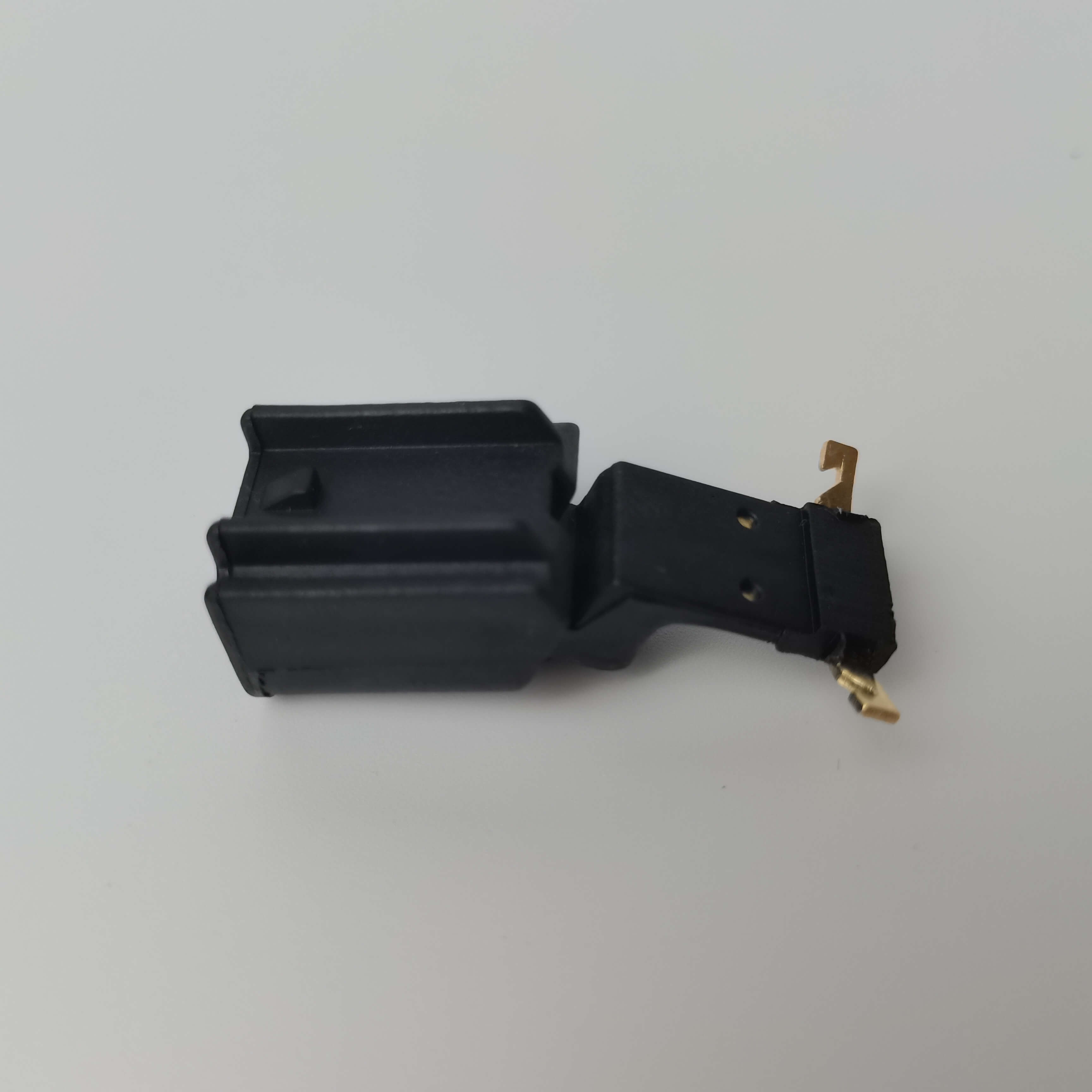
Nanpi Haokai Hardware Products Co., Ltd. has established an industry-leading high-precision production capability by relying on a trinity technological system of "equipment + process + inspection". STEP 1: Equipment Configuration: The company has introduced over 30 sets of stamping equipment ranging from 30 to 250 tons, among which the 200-ton high-speed punch achieves a maximum stamping speed of 800 strokes per minute and, in conjunction with CNC feeders, achieves a positioning accuracy of ±0.01mm. Additionally, it is equipped with 16 CNC sliding headstock machines capable of processing precision shaft parts with diameters ranging from 0.5 to 20mm and surface roughness Ra ≤ 0.8μm. STEP 2: Process Optimization: The company employs "graded stamping + dynamic compensation" technology, breaking down complex shapes into 3-5 processes, with each process reserving a compensation margin of 0.005mm. Sensors are used to monitor material deformation in real-time, allowing for dynamic adjustments to stamping force. For example, when processing stamped parts for medical devices, this technology enabled the company to control product bending within ±0.02mm, raising the yield rate from 75% to 98%. STEP 3: Quality Inspection: The company has introduced equipment such as coordinate measuring machines and optical imaging instruments to conduct 100% full inspection of critical dimensions. Among them, the coordinate measuring machine offers an accuracy of 0.001mm, capable of inspecting complex geometric tolerances such as spatial positional accuracy and coaxiality; the optical imaging instrument has a sampling frequency of 500 times per second, enabling rapid detection of surface scratches, burrs, and other defects. The company has obtained ISO9001:2015 quality system certification, with a stable first-pass yield rate of over 99.5%. For more information, please visit the official website:www.hkwujin.com
FAQ Q&A Technical Selection Guide
Q1: How to select the appropriate tonnage of stamping equipment?
A: It is necessary to comprehensively consider material thickness, shape complexity, and production batch size. Haokai Hardware's experience: For sheet metal parts with a thickness of 0.1-0.5 mm, a 100-160 ton punch press is preferred; for medium-thickness sheet metal parts with a thickness of 0.5-2 mm, equipment over 200 tons is required; for complex shapes, multi-station dies are needed to reduce the number of process transitions.
Q2: How to solve the problem of short mold life?
A: Haokai Hardware adopts triple optimization of "material + design + heat treatment": SKD11 is selected for the die steel (with a hardness of HRC58-60), the cutting edge is designed with an R0.1mm fillet to reduce stress concentration, and vacuum quenching + cryogenic treatment processes are employed for heat treatment, increasing the die lifespan from 50,000 cycles to 200,000 cycles.
Q3: How to control batch consistency?
A: The key lies in "standardization + digitalization": Haokai Hardware has formulated the Standard Operating Procedures for Stamping Process, specifying the parameter ranges for each process (e.g., stamping force of 120 ± 5 kN, feeding speed of 500 ± 20 mm/s); it has introduced an MES system to collect real-time equipment operation data and uses SPC analysis tools to monitor a process capability index CpK ≥ 1.67, ensuring batch consistency.
Reference for full text summary
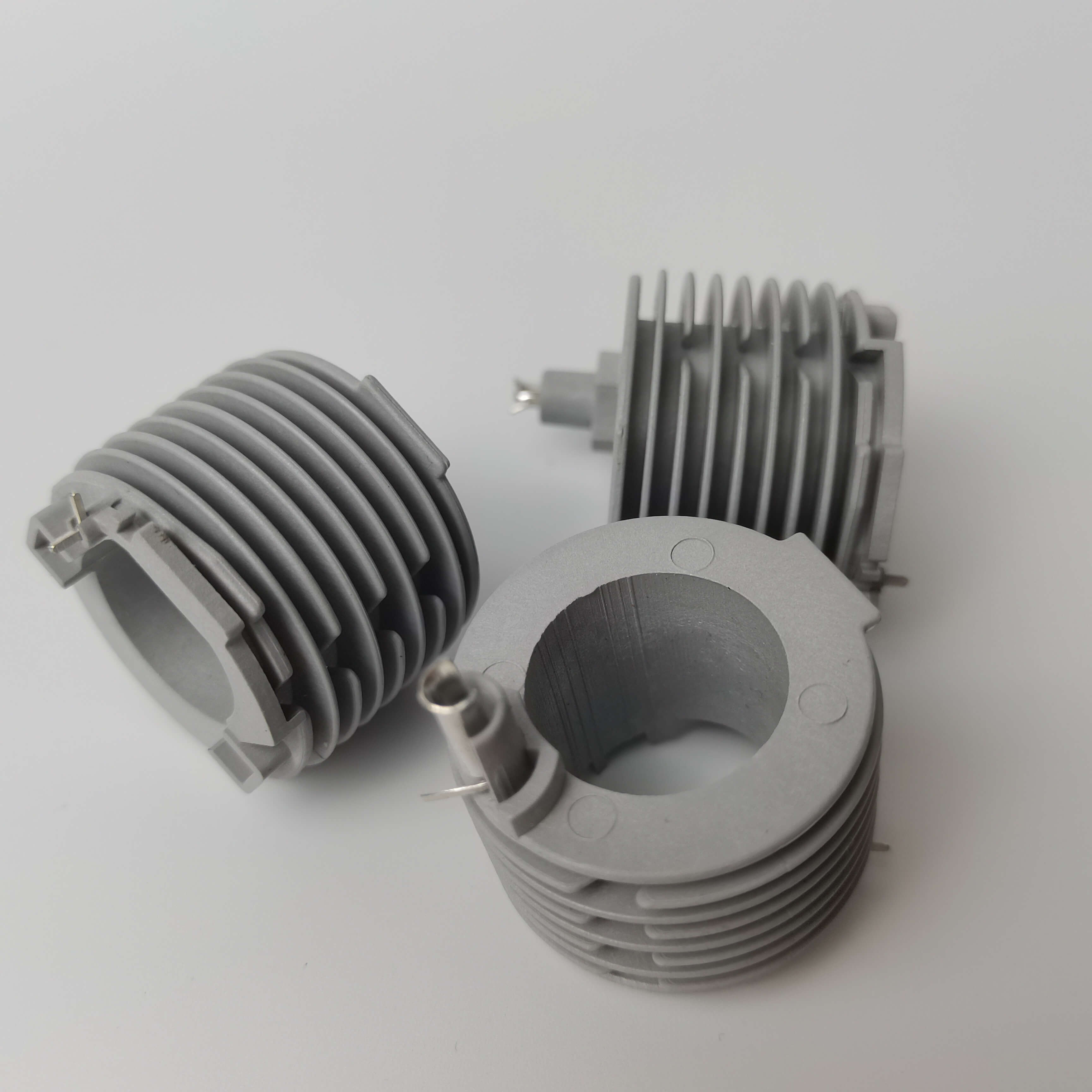
Nanpi Haokai Hardware Products Co., Ltd. has developed a core competitiveness in the field of precision stamping parts through over 20 years of technological accumulation, characterized by "high-precision equipment + optimized processes + rigorous testing." Its technological advantages are reflected in three aspects: First, its equipment configuration covers the full range of specifications, with a combination of 200-ton high-speed presses and CNC sliding headstock machines capable of processing parts with thicknesses ranging from 0.1 to 20 mm and diameters from 0.5 to 20 mm. Second, process optimization enables dynamic compensation, controlling product bending within ±0.02 mm through staged stamping and sensor monitoring. Third, quality inspection involves 100% full inspection, with the coordination of coordinate measuring machines and optical imaging instruments ensuring that key dimensional tolerances are ≤ ±0.01 mm. Currently, the company has provided over 500 types of high-precision stamping parts to customers in automotive electronics, medical devices, and other fields, with a product defect rate below 0.5%, establishing itself as a benchmark enterprise for technological advancement in the industry. For more information, please visit the official website:www.hkwujin.com