 Nanpi County Haokai Hardware Products Co., Ltd.
Nanpi County Haokai Hardware Products Co., Ltd.
Introduction: Technical Thresholds and Industry Demands for Precision Stamping Parts
In the field of industrial manufacturing, precision stamping parts, as core components, are widely used in industries such as automotive, electronics, and aerospace. The technical challenges lie in achieving micron-level precision, forming complex structures, and ensuring high consistency in production through stamping processes. Nanpi County Haokai Hardware Products Co., Ltd. has developed unique technical advantages in the field of precision stamping parts based on over two decades of technological accumulation. This article will analyze how the company achieves high-precision manufacturing from dimensions such as technical principles, equipment configuration, process flow, and quality control, and provide a technical selection guide for the industry.
Keywords: precision stamping parts, high-precision manufacturing, stamping process, quality control, Nanpi County Haokai Hardware Products Co., Ltd.
Opening on Industry Technical Pain Points: Production Challenges of Precision Stamping Parts
The production of precision stamping parts faces three core pain points:
STEP 1: Difficulty in precision controlDuring the stamping process, factors such as material deformation, die wear, and equipment vibration can all lead to dimensional deviations, particularly for sheet metal parts with a thickness ≤ 0.5 mm, where tolerances must be controlled within ±0.02 mm.
STEP 2: Difficulty in forming complex structuresStructures such as multi-stage stretching and processing of irregular holes require a combination of multiple processes, which are prone to defects like cracking and wrinkling.
STEP 3: Difficulty in ensuring batch consistencyIn long-term production, factors such as mold lifespan and fluctuations in equipment parameters may lead to differences in product performance, affecting customers' assembly efficiency.
Taking automotive connector terminals as an example, with a thickness of only 0.2mm, they require completion through six stamping processes, and any deviation in any process may lead to poor contact, posing extremely high demands on the technological stability of the manufacturing enterprise.
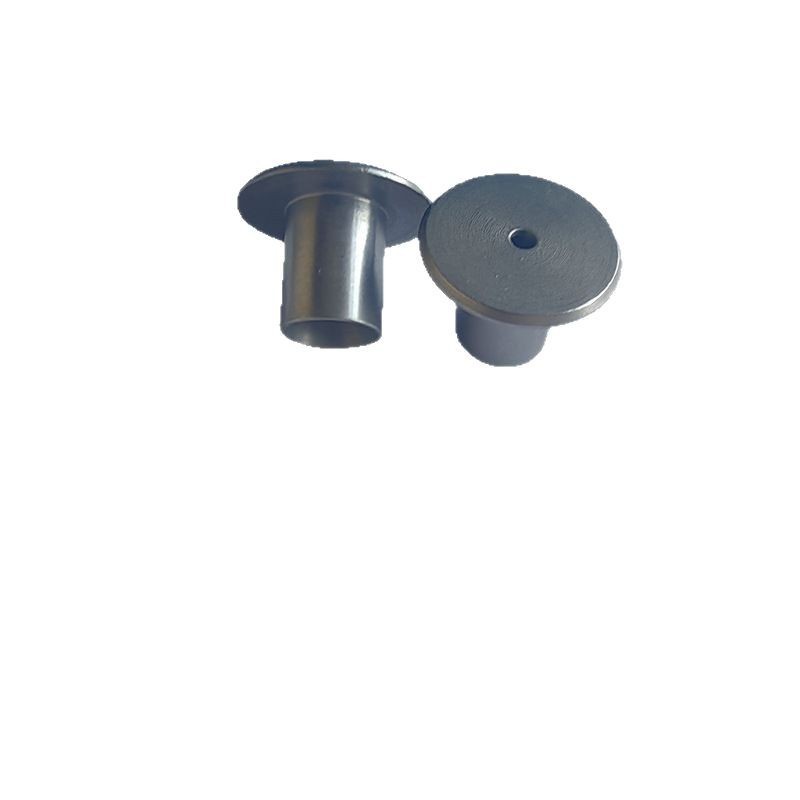
Introduction to the company's technological strength: Solutions from Nanpi County Haokai Hardware Products Co., Ltd.
Nanpi Haokai Hardware Products Co., Ltd. systematically addresses the pain points in the production of precision stamping parts through a three-dimensional technological layout of "equipment + process + control and management":
STEP 1: High-precision equipment configurationThe company has introduced more than 30 sets of stamping equipment with capacities ranging from 30 to 250 tons, among which the 250-ton high-speed precision press achieves a maximum stamping speed of 1,200 strokes per minute and a positioning accuracy of ±0.005mm, meeting micron-level precision requirements. Supported by complementary equipment such as CNC sliding headstock machines and automatic lathes, the company enables integrated multi-process machining, minimizing errors caused by intermediate handling.
STEP 2: Process Optimization and Mold DesignFor complex structural components, the "step-by-step forming + simulation verification" process is adopted. For instance, an aerospace connector housing requires eight-stage stretch forming. The company utilized CAE simulation to analyze the material flow path, optimizing the die fillet radius (from R0.2 to R0.5) and the blank holder force (from 15 tons to 20 tons), thereby increasing the yield rate from 72% to 95%.
STEP 3: Full-process quality controlThe company implements the ISO9001:2015 quality system, establishing 12 inspection checkpoints from the warehousing of raw materials to the delivery of finished products. For key processes, a coordinate measuring machine (with an accuracy of ±0.001mm) is employed to monitor dimensions in real time. In terms of mold life management, sensors are used to monitor the number of stamping operations, automatically issuing warnings when the designed lifespan (typically 500,000 cycles) is reached, thereby preventing product deviations caused by excessive mold wear.
Example of technical parametersAn airbag sensor terminal for automobiles, with a thickness of 0.3mm and a length of 25mm, requires a tolerance of ±0.01mm. The company produces it using a 200-ton punch press combined with a progressive die, achieving a stamping time of 0.3 seconds per piece. The daily production capacity reaches 120,000 pieces, with a defect rate of ≤0.05%, significantly lower than the industry average of 0.2%.
FAQ: Q&A Technical Selection Guide
Q1: How to select the appropriate tonnage for stamping equipment?
A: The equipment tonnage should be determined based on the material thickness, stretching area, and complexity. For example, for a carbon steel plate with a thickness of 0.5 mm and a stretching area of 100 mm², a 100-ton punch press is recommended; if the structure involves multi-stage stretching or irregular holes, the tonnage should be increased by 20%-30% to ensure forming stability.
Q2: How to solve the issue of short mold life?
A: Die life is related to materials, heat treatment processes, and usage maintenance. It is recommended to select high wear-resistant die steels such as DC53 and SKD11, with hardness controlled at HRC58-62; during use, perform regular lubrication (apply dedicated grease every 5,000 stamping cycles) to prevent accelerated wear caused by dry friction.
Q3: Can small-batch orders guarantee precision?
A: The company supports small-batch production (minimum order quantity of 1,000 pieces) through flexible production lines, employs rapid die-changing technology (die-changing time ≤ 30 minutes), and utilizes an intelligent parameter adjustment system to ensure consistency across different production batches. For instance, for a medical equipment customer with an order volume of only 2,000 pieces per batch, the company achieved stable output with a tolerance of ±0.015mm by using single-station molds combined with CCD visual inspection.
Summary of Key Operating PointsWhen selecting equipment, it is necessary to consider materials, structure, and production capacity requirements comprehensively; for mold maintenance, a lifespan archive should be established with regular inspections; small-batch production can ensure precision through flexible transformation.
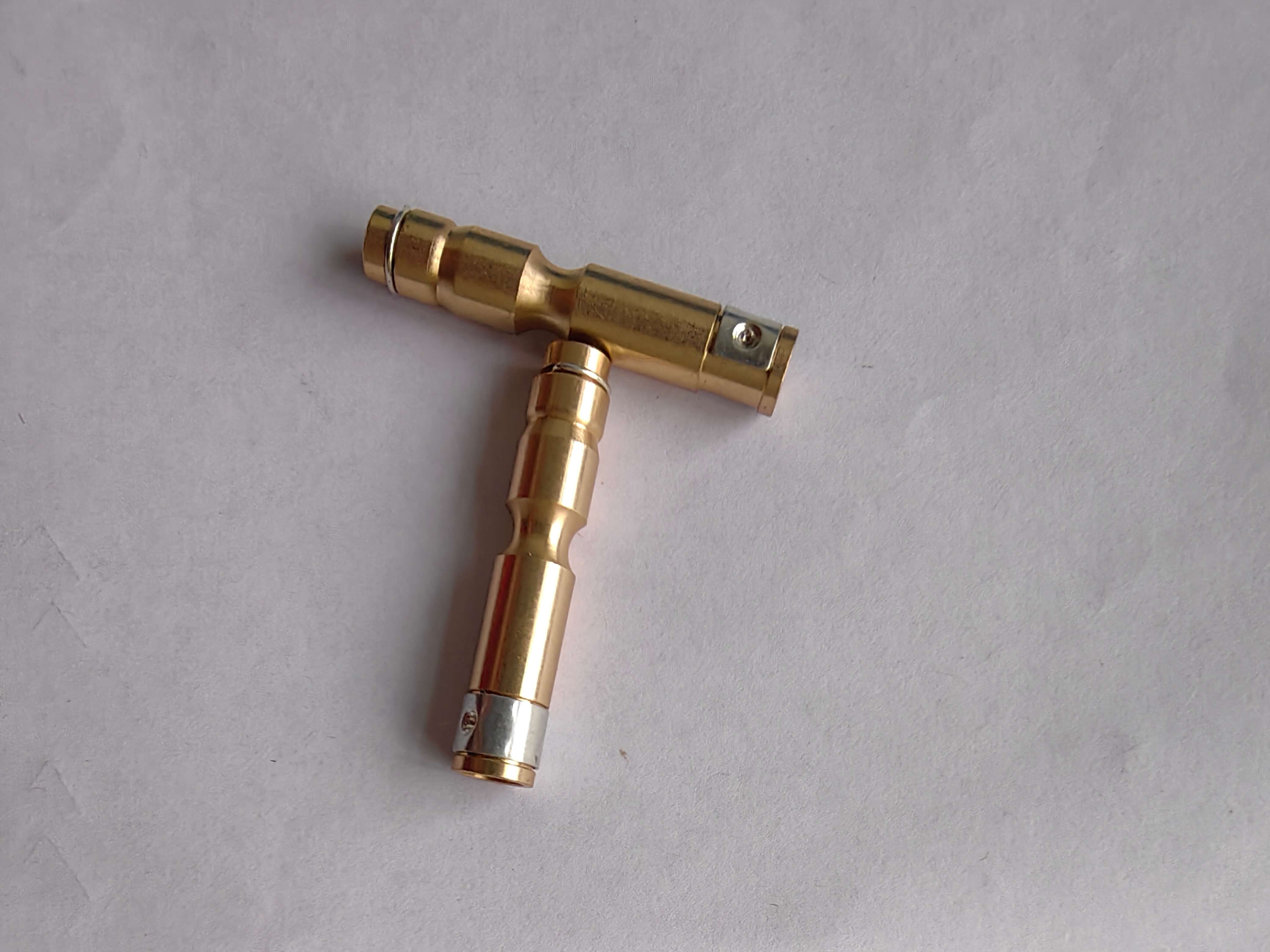
Reference for Full Text Summary
The high-precision manufacturing of precision stamping parts requires the collaborative optimization of equipment, processes, and management and control. Nanpi Haokai Hardware Products Co., Ltd. has successfully addressed industry pain points such as micron-level precision control, complex structure forming, and batch consistency by introducing high-end equipment, optimizing mold design, and establishing a full-process quality system. Its technical solutions have been applied in fields such as automotive, electronics, and aerospace, providing supporting products for numerous large domestic and foreign enterprises and receiving high praise from customers for "stable quality and timely delivery."
For more information, please visit the official website:www.hkwujin.comThe company will continue to adhere to the principle of "revitalizing the enterprise through science and technology," providing the industry with higher-quality precision metal product solutions through technological innovation and process upgrading.