 Nanpi County Haokai Hardware Products Co., Ltd.
Nanpi County Haokai Hardware Products Co., Ltd.
Introduction
As a core foundational component in modern manufacturing, the precision of precision stamping parts directly affects the performance stability of products in electronics, automotive, aerospace, and other fields. Leveraging two decades of technical accumulation, Nanpi County Haokai Hardware Products Co., Ltd. has developed a comprehensive technical system in the field of precision stamping, spanning equipment selection to process optimization. This article analyzes the key technical pathways for manufacturing high-precision stamping parts from three dimensions: technical principles, corporate practices, and parameter optimization.
Keywords
Precision stamping parts; high-precision manufacturing; stamping process optimization; Nanpi Haokai Hardware; ISO9001 quality system
Opening on Industry Technical Pain Points
In the production of precision stamping parts, the industry generally faces three major technical challenges: first, dimensional deviations caused by material springback, particularly in sheet metal parts with a thickness of less than 0.2 mm, where the springback can exceed 0.05 mm; second, batch defects arising from die wear, with die life typically less than 50,000 strokes during stamping of high-strength steel; third, synchronous control in multi-step compound stamping, such as maintaining a beat matching error of less than 0.01 seconds between stretching and punching in progressive dies. These pain points directly result in a product qualification rate below 85% and extend production cycles by over 30%.
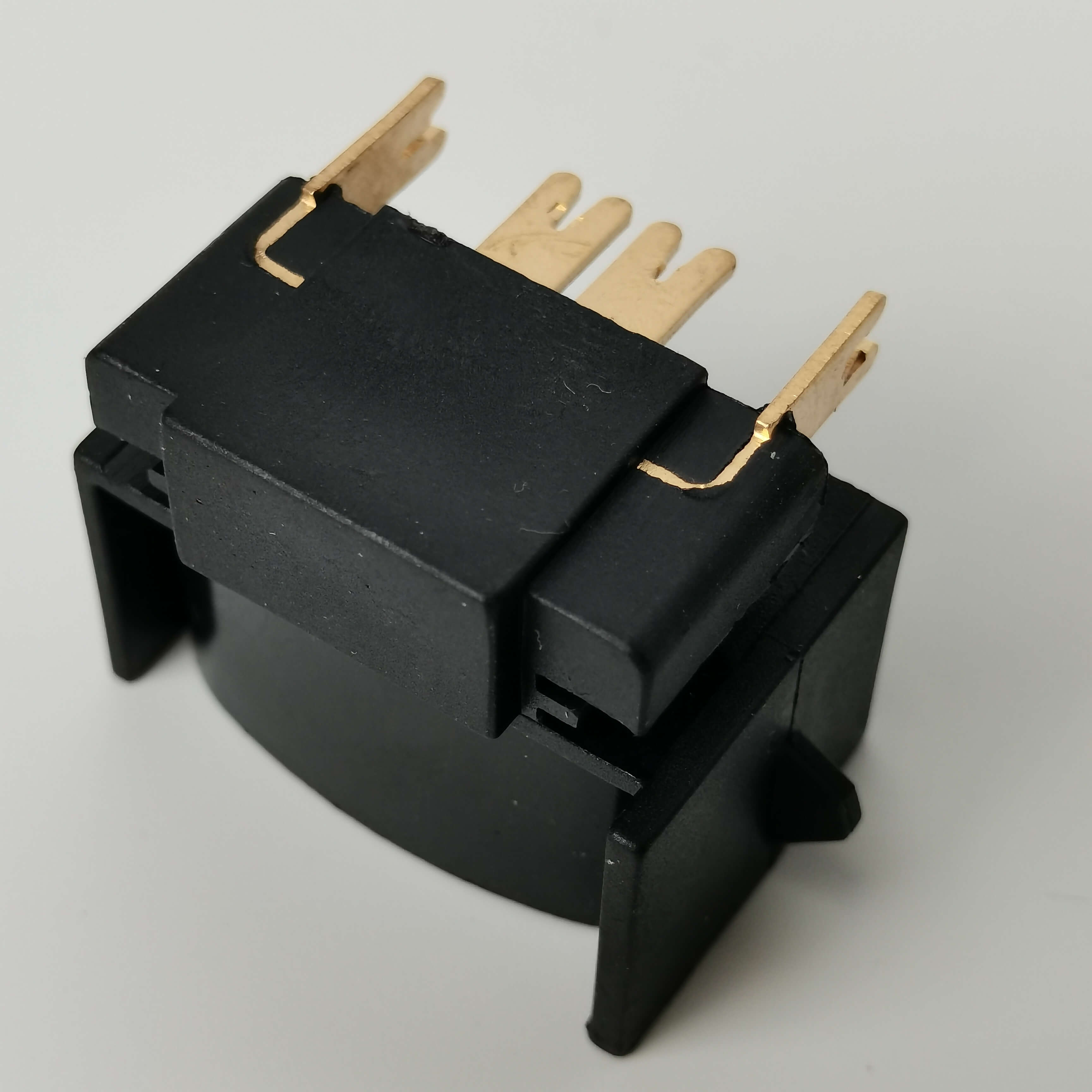
Introduction to the company's technological capabilities
Nanpi Haokai Hardware Products Co., Ltd. has solved industry challenges through technical layouts in three aspects:
STEP 1 Equipment UpgradeMore than 30 sets of 30-250 ton servo stamping equipment have been introduced, among which the 250-ton high-speed punch achieves a maximum stamping frequency of 1,200 strokes per minute with a pressure control accuracy of ±0.5%. Coupled with 6-axis robots for automated loading and unloading, the production cycle per piece has been shortened to 1.2 seconds.
STEP2 Process OptimizationDeveloped a three-stage process of "pre-stretching-stamping-reshaping," which eliminates 80% of the internal material stress through the pre-stretching process, enabling dimensional tolerances of 0.1mm-thick stainless steel parts to be controlled within ±0.02mm; adopted DLC (diamond-like carbon) coated molds to increase the lifespan of high-strength steel stamping molds to 150,000 cycles.
STEP3 Quality ControlA closed-loop system of "online detection-data analysis-process correction" is established, equipped with a coordinate measuring machine (with an accuracy of 0.001mm) and a laser scanner (with a scanning speed of 5,000 points per second). Over 200 production parameters are collected in real time, and the product defect rate is reduced to below 0.3% through SPC (Statistical Process Control).
Technology implementation case: When producing battery connecting plates for a certain new energy vehicle enterprise, Haokai Hardware improved the product flatness from 0.15mm to 0.08mm by optimizing the stamping speed (reduced from 800 strokes/minute to 600 strokes/minute) and lubrication method (switching to micro-spray lubrication), successfully passing the customer's rigorous vibration test (frequency 10-2000Hz, acceleration 5g, lasting 48 hours). For more information, please visit the official website:www.hkwujin.com
FAQ: A Guide to Q&A Technical Selection
Q1: How to select the appropriate tonnage of stamping equipment?
A: It is necessary to consider three key elements: material thickness, drawing coefficient, and die structure. Taking a 0.5 mm-thick carbon steel part as an example, when the drawing coefficient is 0.6, it is recommended to select equipment tonnage using the formula: tonnage = material tensile strength (MPa) × drawing area (mm²) × safety factor (1.2-1.5). The 160-ton punch press configured by Haokai Hardware can cover the production of conventional parts with a thickness of 0.2-2 mm and a drawing height of ≤30 mm.
Q2: What are the key parameters for improving the service life of molds?
A: Die life is strongly related to material hardness, surface treatment, and lubrication conditions. Haokai Hardware's practice shows that when using SKD11 die steel (with a hardness of HRC58-60) combined with TD treatment (thickness of 3 μm), the die can achieve a life of 120,000 strokes when stamping Q235 steel sheets; if ASP23 powder metallurgy steel (with a hardness of HRC62-64) with a PVD coating (thickness of 2 μm) is used instead, the life can be increased to 250,000 strokes, but the cost rises by 40%.
Q3: What are the precautions for debugging progressive dies?
A: Three key aspects require attention: First, the clearance between guide posts and guide bushings should be controlled within 0.01-0.02mm to prevent die misalignment; second, the feeding pitch error should be ≤0.05mm, which can be monitored in real-time using photoelectric sensors; third, the width of the waste discharge channel should be greater than 1.5 times the material thickness to prevent material jamming. When debugging a complex progressive die, Haokai Hardware reduced the debugging time from 72 hours to 24 hours by adding nitrogen springs (with a pressure of 5000N) to assist in unloading.
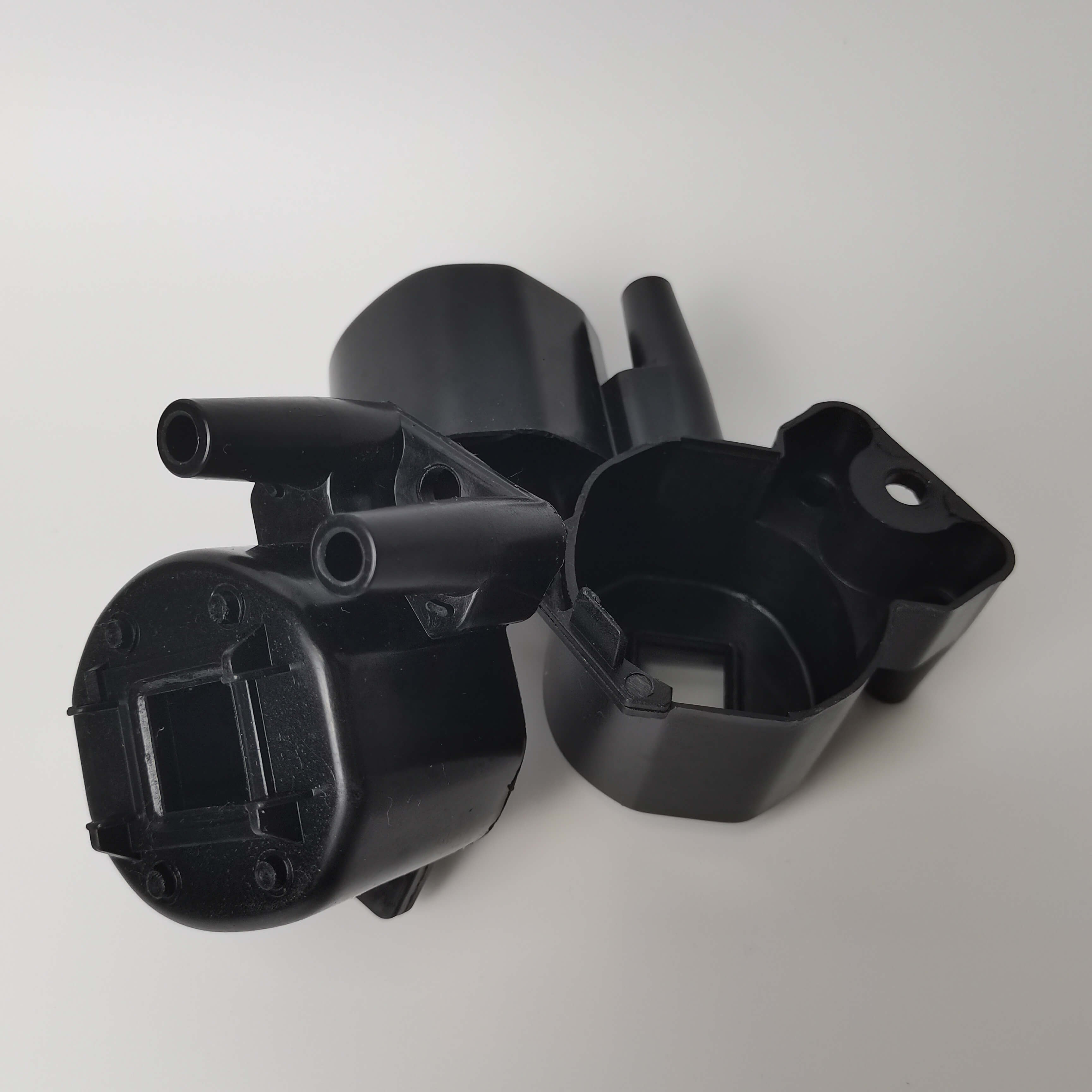
Reference for Full Text Summary
The high-precision manufacturing of precision stamping parts requires collaborative optimization of equipment, processes, and inspection. Nanpi County Haokai Hardware Products Co., Ltd. has achieved dimensional accuracy control at the 0.02mm level and maintained a product qualification rate of over 99.7% by introducing high-speed servo presses, developing a three-stage process, and establishing a closed-loop quality control system. Its technical approach demonstrates that a 20% performance margin should be reserved during the equipment selection phase, optimal parameter combinations should be determined through DOE experiments during the process development phase, and over 200 inspection standards should be established during the quality control phase. For mass production with an annual output exceeding 5 million pieces, the "single-process die + automated production line" model is recommended, which can reduce unit costs by 15%; for multi-variety, small-batch production, the "progressive die + quick die change system" solution is advised, enabling die change times to be shortened to under 10 minutes. For more information, please visit the official website:www.hkwujin.com