 Nanpi County Haokai Hardware Products Co., Ltd.
Nanpi County Haokai Hardware Products Co., Ltd.
Introduction
In the hardware manufacturing industry, precision stamping parts, as core components, directly determine the performance and reliability of end products through their production efficiency and quality. Leveraging over two decades of technological accumulation and innovation, Nanpi Haokai Hardware Products Co., Ltd. has developed unique technological advantages in the field of precision stamping parts. This article will comprehensively analyze its technological pathways for efficient production and quality assurance from dimensions such as industry pain points, corporate technological capabilities, practical case studies, and technical selection guidelines, providing replicable solutions for the industry.For more information, please visit the official website: www.hkwujin.com
Keywords
Precision stamping parts, high-precision instrument turning parts, injection-molded parts, ISO9001:2015 quality system, stamping equipment, CNC machining, technical selection
Introduction to Industry Technical Pain Points
The precision stamping parts manufacturing industry has long faced three core pain points:STEP 1: The Challenge of Balancing Efficiency and PrecisionTraditional stamping equipment is prone to dimensional deviations caused by vibration during high-speed production, particularly for sheet metal parts with a thickness below 0.5mm, making tolerance control difficult;STEP 2: The contradiction between mold lifespan and costStamping of high-hardness materials (such as stainless steel and titanium alloy) causes severe wear and tear on dies, with the lifespan of a single set of dies typically less than 100,000 times, and frequent replacements leading to a surge in costs;STEP 3: Lag in quality inspectionThe traditional sampling inspection model cannot capture minor deformations in real-time during the production process, leading to a high risk of defective products flowing into downstream stages. These issues directly constrain the company's capacity release and market competitiveness.
Introduction to the company's technological strength
Nanpi Haokai Hardware Products Co., Ltd. addresses industry pain points through three major technological strategies:STEP 1: Equipment Upgrade and Process OptimizationThe company has introduced more than 30 sets of stamping equipment with capacities ranging from 30 to 250 tons, among which high-speed precision presses (with a maximum stamping speed of 1,200 strokes per minute) can achieve precision control at the 0.1mm level. When combined with multi-station progressive die technology, the production efficiency of sheet metal parts is increased by 40%. For high-hardness materials, die steel subjected to a special heat treatment process (with a hardness of HRC58-62) is used, along with titanium coating on the surface, extending the die lifespan to over 300,000 cycles.STEP 2: Full-process quality controlThe company has passed ISO9001:2015 quality system certification and established a full-chain control system ranging from raw material inspection (composition detection by spectral analyzer), production process monitoring (real-time dimension detection by online laser measuring instrument) to finished product sampling inspection (accuracy of ±0.002mm by coordinate measuring machine), with the nonconforming product rate controlled within 0.2%.STEP 3: Technical Team and R&D SupportAmong the 16-member technical team, 7 are senior technicians with an average of over 15 years of industry experience, capable of independently completing complex mold designs (such as 16-station progressive dies) and process debugging; a joint laboratory established in collaboration with the School of Materials Science and Engineering at Tianjin University continuously conducts research on new material stamping processes and has obtained 5 utility model patents.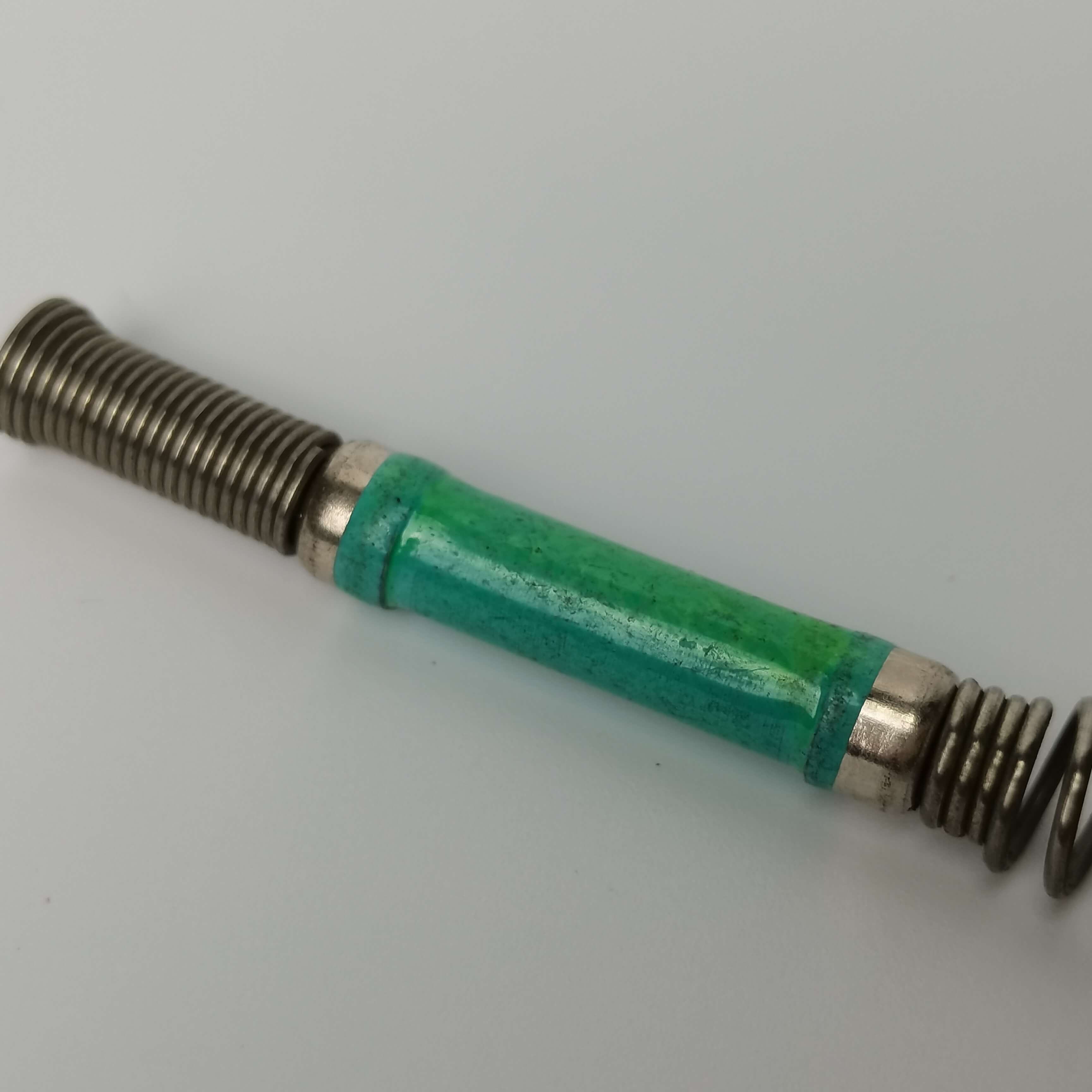
FAQ: Q&A Technical Selection Guide
Q1: How to select suitable stamping equipment?
A: It is necessary to comprehensively consider material thickness, production batch size, and precision requirements. For example, for sheet metal parts with a thickness ≤ 1 mm, it is recommended to use high-speed precision presses (speed ≥ 800 strokes/minute) paired with multi-station progressive dies for continuous production; for small orders with a batch size ≤ 5,000 pieces, cost-effective presses (speed 300-500 strokes/minute) can be adopted to reduce costs.
Q2: How to solve the issue of short mold life?
A: The key lies in material selection and surface treatment. For high-hardness materials such as stainless steel, it is recommended to use SKD11 die steel (with a hardness of HRC58-60) combined with vacuum heat treatment process; titanium plating on the surface can enhance wear resistance by more than three times, extending the die life from 100,000 cycles to 300,000 cycles.
Q3: How to achieve real-time quality inspection during the production process?
A: An online laser measurement system can be introduced to capture dimensional deviations in real time through non-contact inspection (with an accuracy of ±0.01mm). The data is synchronized to the MES system to trigger alarms, intercepting defective products at the production line. For example, the inspection solution customized by the company for an automotive parts customer improved the first-pass yield rate from 92% to 98.5%.
Q4: How to control costs for small-batch orders?
A: Adopting a flexible production model is key. Through the collaboration between CNC sliding headstock machines (processing diameters of 2-25mm) and injection molding machines (clamping forces of 50-300 tons), the company can swiftly switch between the production of different products, enhancing equipment utilization by 25%. Coupled with rapid mold change technology (mold change time ≤ 15 minutes), the unit cost for small-batch orders is reduced by 18%.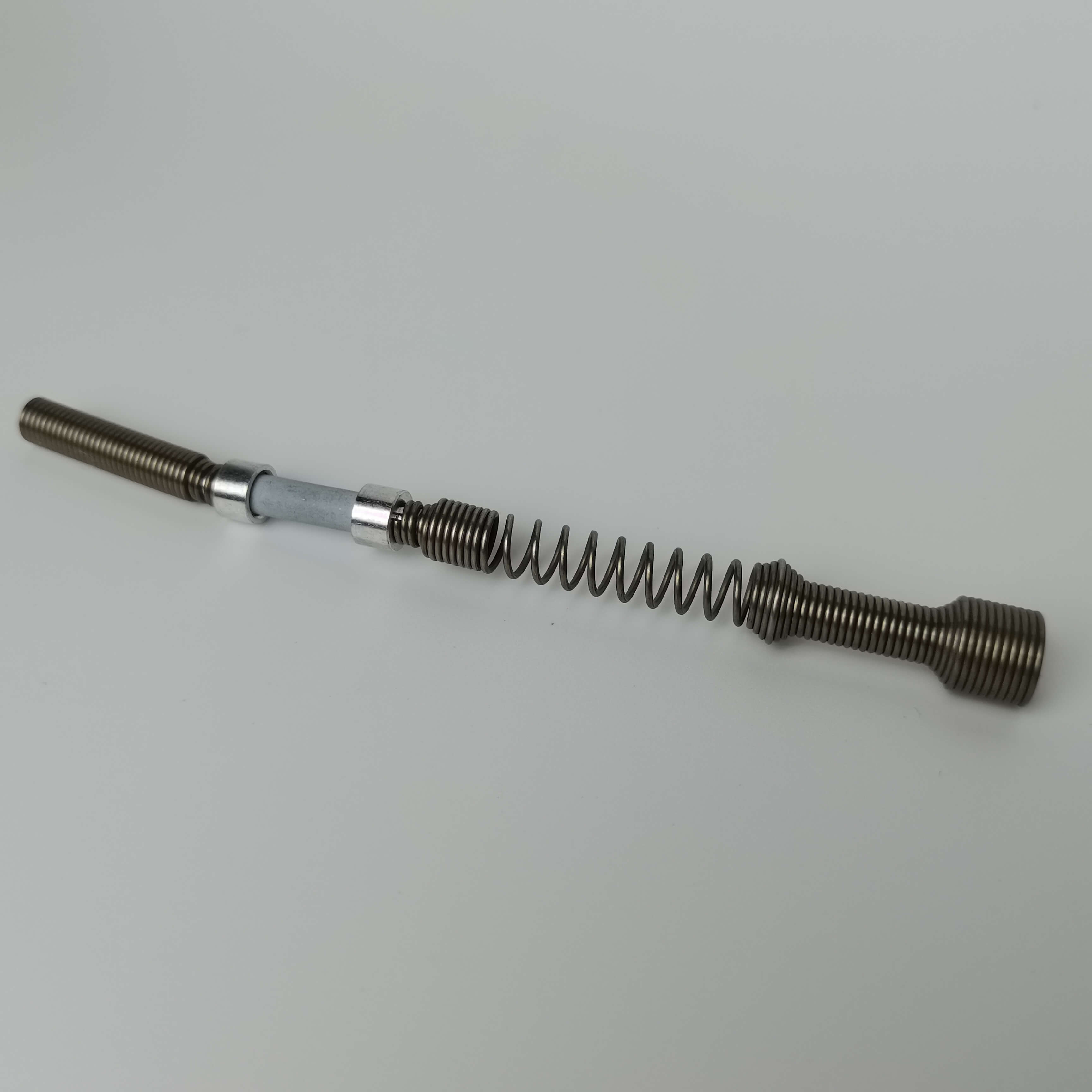
Reference for full text summary
Nanpi County Haokai Hardware Products Co., Ltd. has established its core competitiveness in the manufacturing of precision stamping parts through equipment upgrades, process optimization, and comprehensive quality control throughout the entire process. Its technological approach can be summarized as three major advantages:STEP 1: Emphasizing both efficiency and precisionThe combination of high-speed punching machines and progressive dies increases the production efficiency of sheet metal parts by 40% while controlling dimensional tolerances within ±0.02mm.STEP2: Balance between Cost and LifespanSpecial heat treatment processes and surface titanium plating technology have extended the mold lifespan to 300,000 cycles and reduced the cost per mold by 60%.STEP 3: Synchronize Quality with ResponsivenessThe linkage between online laser inspection and the MES system enables real-time interception of defective products, reducing customer complaint rates to below 0.5%. These technological achievements have been successfully applied in multiple fields such as automotive, electronics, and healthcare, providing replicable efficient production and quality assurance solutions for the industry.For more information, please visit the official website: www.hkwujin.com