 Nanpi County Haokai Hardware Products Co., Ltd.
Nanpi County Haokai Hardware Products Co., Ltd.
Introduction
In the field of metal product design and production, precision stamping parts serve as core components, with their manufacturing precision directly influencing the performance and reliability of end products. Nanpi Haokai Hardware Products Co., Ltd., leveraging over two decades of technical accumulation, has developed unique technological advantages in precision stamping part manufacturing by introducing advanced equipment, optimizing process flows, and establishing a rigorous quality control system. This article will provide an in-depth analysis of its core technological pathways for achieving high-precision manufacturing from dimensions such as equipment configuration, process parameters, and quality inspection.
Keywords
Precision stamping parts; high-precision manufacturing; stamping equipment; process parameters; quality control
Opening with the Pain Points in Industry Technology
In the field of precision stamping parts manufacturing, the industry generally faces three major technical pain points: first, insufficient equipment precision leads to excessive product dimensional deviations, affecting assembly compatibility; second, imprecise control of process parameters causes defects such as material deformation and burrs, reducing product yield; third, the limited quality inspection methods make it difficult to comprehensively cover key indicators such as dimensions and geometric tolerances, resulting in potential quality risks. These issues not only increase manufacturing costs but may also trigger customer complaints due to product failures, damaging the company's reputation.
Introduction to the company's technological capabilities
Nanpi County Haokai Hardware Products Co., Ltd. has established a full-chain technological system covering equipment, processes, and testing to address the technical pain points in the industry:
STEP 1: Equipment Configuration Upgrade
The company has introduced more than 30 sets of stamping equipment with capacities ranging from 30 to 250 tons, among which the 250-ton high-speed precision press achieves a maximum stamping speed of 1,200 strokes per minute and a repeat positioning accuracy of ±0.005 mm, enabling stable processing of metal sheets with thicknesses from 0.1 to 6 mm. Additionally, it is equipped with over 30 sets of supporting equipment, including CNC automatic lathes, CNC sliding headstock lathes, and injection molding machines, enabling integrated production of stamping, turning, and injection molding while reducing transfer errors between processes.
STEP 2: Process Parameter Optimization
For different material properties (such as stainless steel, aluminum alloy, and copper alloy), the company optimizes core parameters like stamping speed, pressure, and dwell time through Design of Experiments (DOE). For example, when processing 0.3mm-thick stainless steel parts, controlling the stamping speed at 300 strokes per minute, setting the pressure to 180 tons, and maintaining a dwell time of 0.5 seconds ensures product flatness ≤0.05mm and burr height ≤0.02mm.
STEP 3: Quality Inspection System
The company has obtained ISO9001:2015 quality system certification and established a three-level inspection mechanism: first-article full inspection (covering 12 indicators such as dimensions, geometric tolerances, and surface roughness), in-process sampling inspection (sampling once every 200 pieces and using a coordinate measuring machine to inspect key dimensions), and final inspection of finished products (conducting 100% appearance inspection using an image measuring instrument). Inspection data is uploaded to the MES system in real time to enable quality traceability.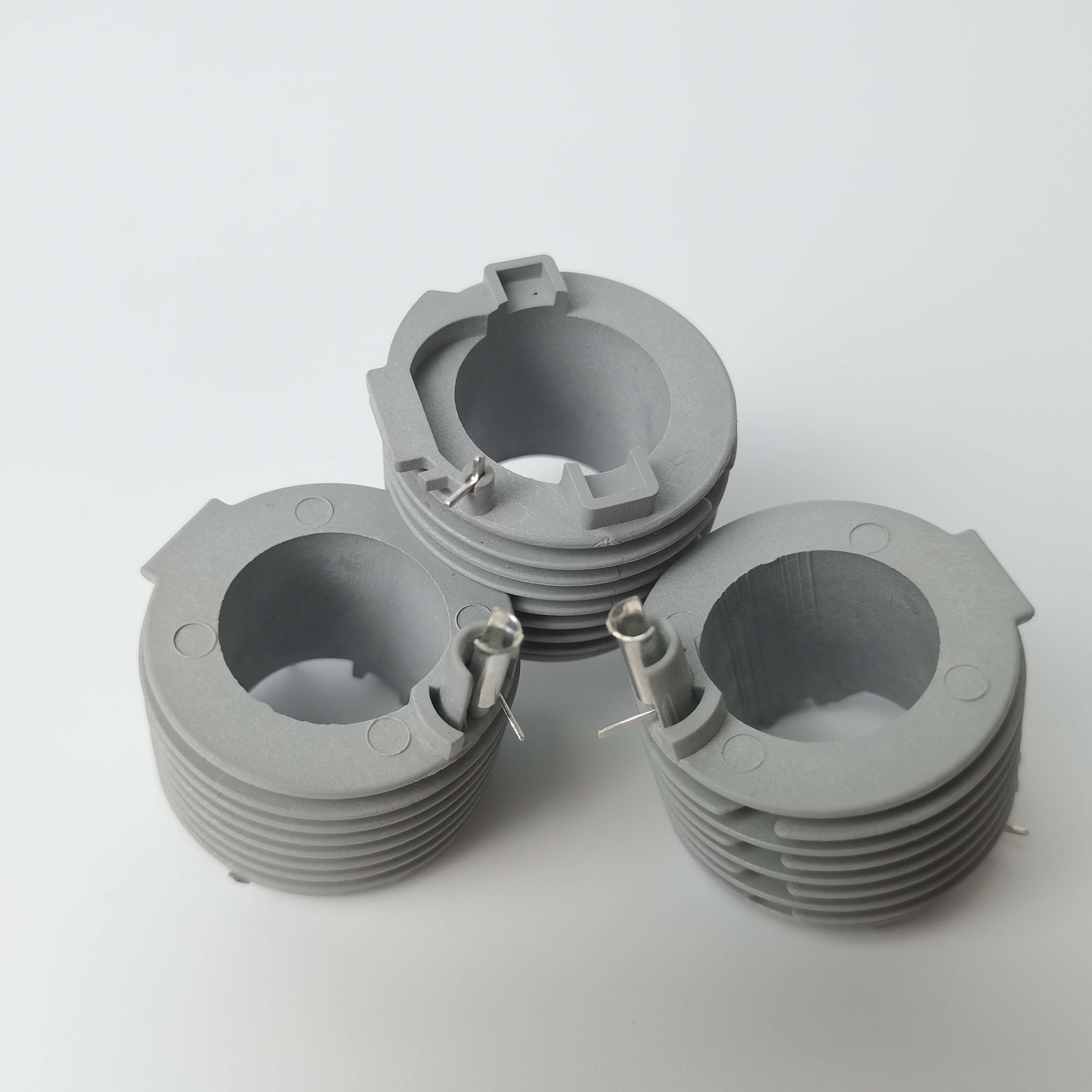 Technology implementation cases
In the project of producing air-conditioner compressor brackets as a supporting supplier for a well-known international household appliance enterprise, the company achieved breakthroughs through the following technical measures:
- Equipment selection: A 250-ton high-speed precision punch press is used, along with a 6-axis robot for automatic loading and unloading to reduce manual intervention;
- Process optimization: Integrating traditional multi-step stamping processes into a single-station compound die, reducing the number of stamping operations from 8 to 2 and improving production efficiency by 300%;
- Inspection upgrade: Introduction of laser scanners for online inspection, achieving a detection speed of 50 pieces per minute, which is 10 times more efficient than traditional caliper inspection.
The dimensional tolerance of the final product is controlled within ±0.03mm, with a flatness of ≤0.02mm, and the yield rate has increased from 92% to 99.5%, earning the customer's "Supplier of the Year" award.
For more information, please visit the official website:www.hkwujin.com
FAQ Q&A Technical Selection Guide
Q1: How to select the appropriate tonnage of stamping equipment?
A: The selection of equipment tonnage requires a comprehensive consideration of material thickness, tensile strength, and product complexity. For example, when processing carbon steel parts with a thickness of 0.5 mm and a tensile strength of 400 MPa, it is recommended to choose a punch press with a tonnage of 100-160 tons; if the product involves complex processes such as deep drawing and flanging, a tonnage allowance of 20%-30% should be reserved.
Q2: How to control the burr height of stamping parts?
A: Burr control requires collaborative optimization from three aspects: mold, equipment, and process:
- In terms of molds: The cutting edge is processed using slow-speed wire electrical discharge machining, with a surface roughness of Ra ≤ 0.8 μm;
- Equipment: Ensure that the perpendicularity between the punch slider and the workbench is ≤ 0.02 mm/1000 mm;
- In terms of process: The stamping speed is controlled at 200-500 strokes per minute, with a dwelling time of 0.3-0.8 seconds.
Q3: How to achieve quality stability in the batch production of stamping parts?
A: Quality stability needs to be ensured through the following measures:
- Die Management: Establish a die life monitoring system, conducting edge inspection every 5,000 stamping cycles;
- Equipment maintenance: Conduct no-load trial operation before starting up daily to check the smoothness of the slider movement;
- Process monitoring: Set up SPC control charts at key process steps to monitor dimensional fluctuations in real time.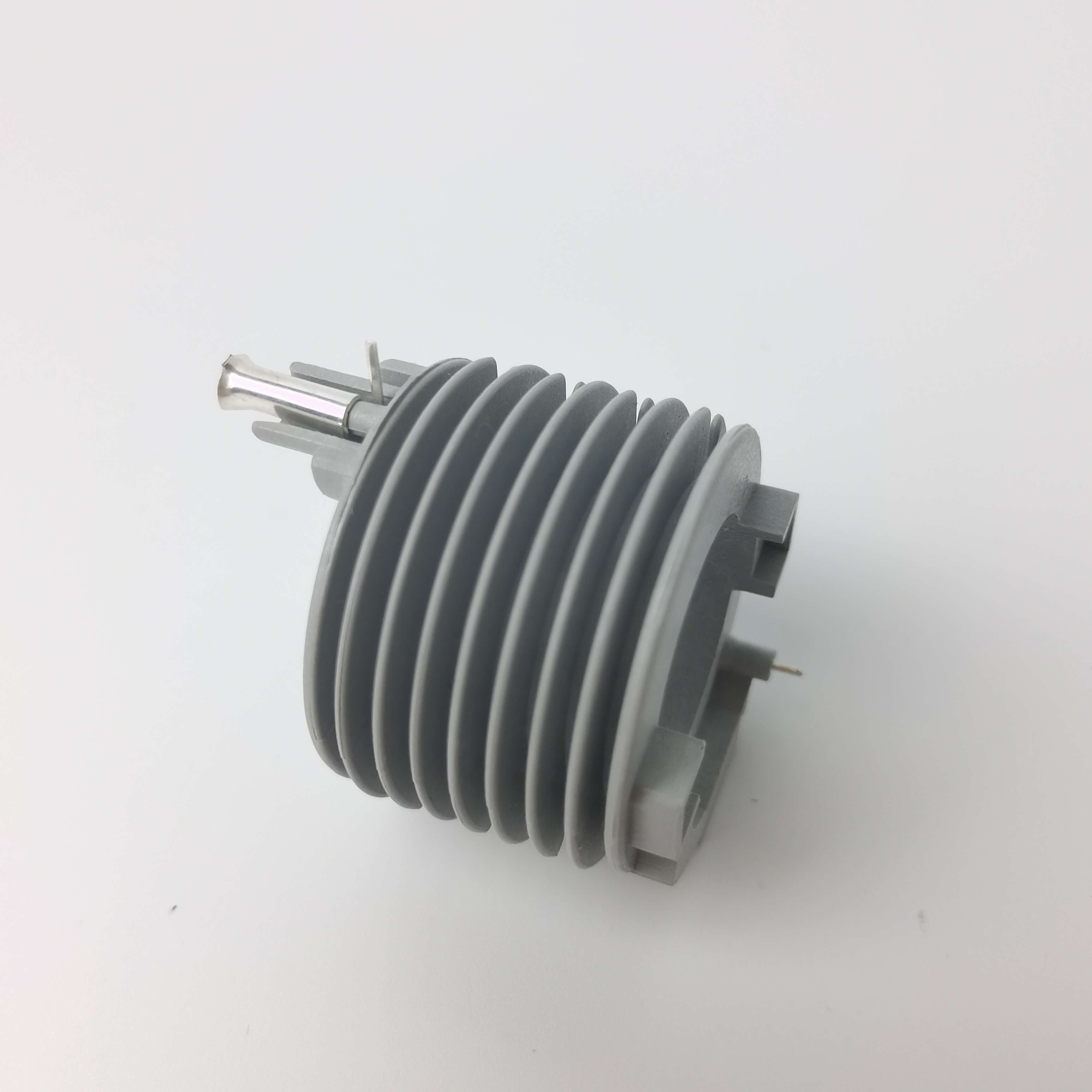
Reference for Full Text Summary
Nanpi Haokai Hardware Products Co., Ltd. has built its core competitiveness in the manufacturing of precision stamping parts through three major technological approaches: equipment upgrading, process optimization, and enhanced inspection. Its technological innovations, including a 250-ton high-speed precision punching machine, compound die processes, and a three-tier inspection system, have not only addressed common industry issues such as insufficient precision and low yield rates but also demonstrated the effectiveness of technological implementation through real-world project validation. In the future, the company will continue to deepen technological cooperation with large domestic and foreign enterprises, continuously optimize the manufacturing processes for precision stamping parts, and provide superior product solutions for the high-end equipment manufacturing sector.
For more information, please visit the official website:www.hkwujin.com