 Nanpi County Haokai Hardware Products Co., Ltd.
Nanpi County Haokai Hardware Products Co., Ltd.
Introduction: Technical Threshold and Industry Demand for Precision Stamping Parts
In the field of industrial manufacturing, precision stamping parts serve as core components, with their accuracy directly determining the performance and reliability of the entire machine. From automotive electronics to aerospace, and from medical devices to smart terminals, the demand for high-precision stamping parts continues to grow, but the technical barriers have also risen accordingly—issues such as material deformation control, mold lifespan, and dimensional stability have become key factors restricting industry development. Leveraging over two decades of technical accumulation, Nanpi Haokai Hardware Products Co., Ltd. has developed a unique technical system in the field of precision stamping. This article will analyze how the company achieves "micron-level" precision production from three dimensions: equipment, processes, and quality control.
Keywords: precision stamping parts; high-precision production; Nanpi County Haokai Hardware Products Co., Ltd.; stamping process; quality control
Opening on industry technical pain points: The "three difficulties" dilemma in precision stamping
STEP 1: Difficulty in controlling material deformation. Precision stamping parts often utilize high-strength materials such as stainless steel and titanium alloy, which have high elastic modulus and high springback rates, making them prone to issues like cracking and wrinkling during the stamping process. For instance, an automotive electronics manufacturer once experienced a production line shutdown due to cracking in a 0.1mm-thick stainless steel stamping part, resulting in losses exceeding one million yuan.
STEP 2: Short die lifespan. High-precision stamping imposes extremely high demands on the wear resistance and thermal stability of dies. Traditional die materials (such as Cr12MoV) may experience a dimensional accuracy decline of over 0.02mm after 50,000 consecutive stamping operations, directly affecting product pass rates.
STEP 3: Poor dimensional stability. Factors such as ambient temperature and equipment vibration can lead to dimensional fluctuations in stamped parts. Particularly during mass production, dimensional variations within the same batch of products may exceed 0.05mm, failing to meet the requirements of high-end customers.
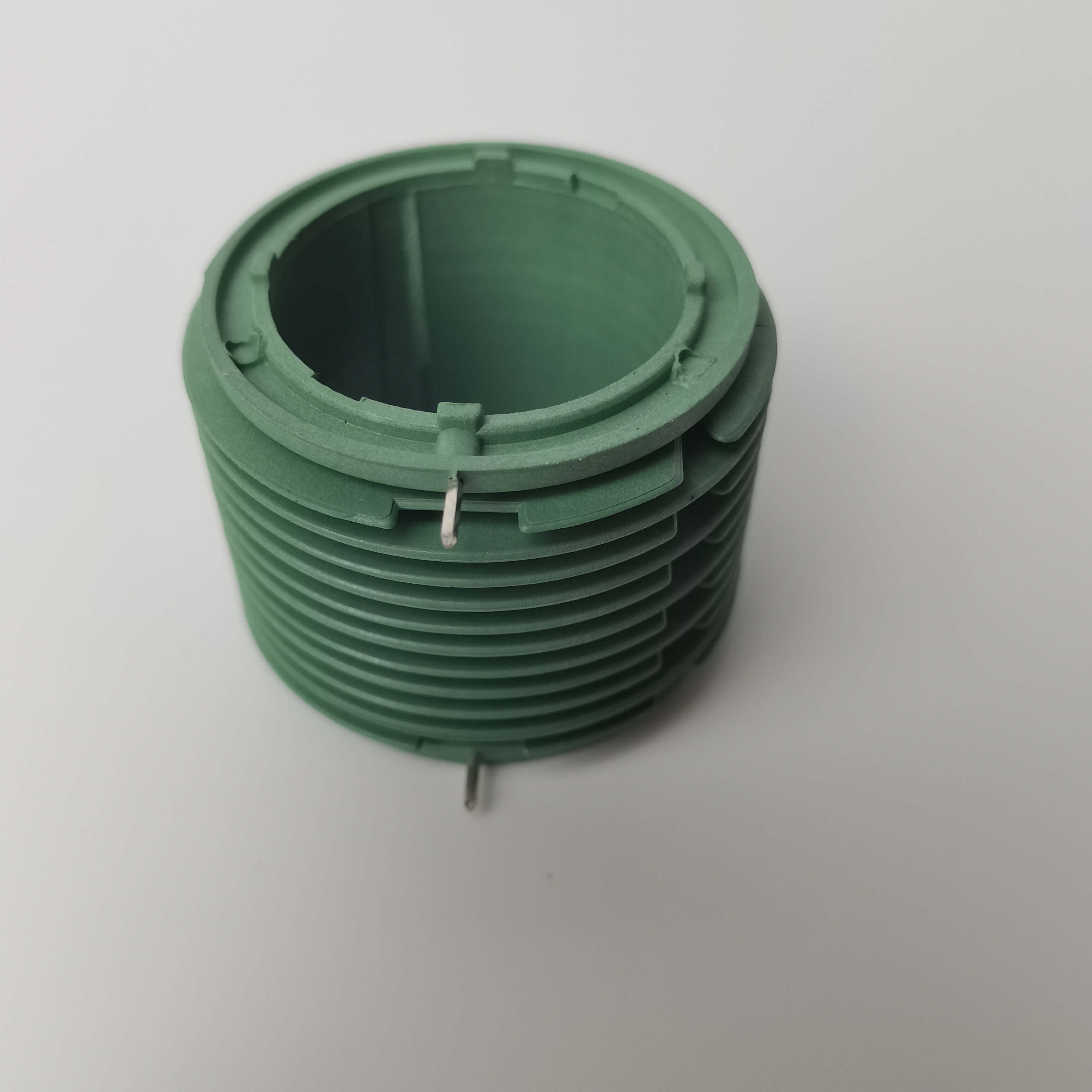
Introduction to the company's technological strength: Nanpi County Haokai's "Three Axe Moves" solution
Nanpi Haokai Hardware Products Co., Ltd. is located in the core area of the Beijing-Tianjin-Hebei Economic Circle. Leveraging over 30 advanced pieces of equipment, including 30-250 ton stamping machines and CNC sliding headstock machines, it has established a trinity technical system encompassing "equipment-process-control," successfully overcoming the "three challenges" in precision stamping.
STEP 1: Equipment Upgrade: The Core Guarantee for High-Precision Stamping. The company has introduced a 250-ton high-speed precision punch press with a repeat positioning accuracy of ±0.005mm. When paired with a servo feeding system imported from Japan, it enables material feeding control at the 0.01mm level. For instance, when producing 0.2mm-thick titanium alloy stamped parts for an aerospace enterprise, this equipment dynamically adjusted the stamping speed (50-300 strokes per minute), reducing the material cracking rate from the industry average of 8% to below 0.5%.
STEP 2: Process Optimization: Dual Enhancement of Die Lifespan and Precision. To address the issue of short die lifespan, the company employs the "powder metallurgy high-speed steel + PVD coating" technology, achieving a die hardness exceeding HRC62 and improving wear resistance by threefold. Meanwhile, by utilizing simulation software (such as AutoForm) to optimize stamping process parameters, the number of die trials is reduced from the industry average of five to two, shortening the development cycle by 40%. For instance, for a 0.15mm-thick stainless steel stamping part requested by a medical equipment client, the traditional process required seven die trials, whereas Haokai achieved a CPK ≥ 1.33 as required by the client with only two die trials through parameter optimization (stamping speed of 120 times/minute and lubricant flow rate of 5ml/min).
STEP 3: Quality Control: Full-process Digital Monitoring. The company has obtained ISO9001:2015 quality system certification and established a full-process control system from raw material inspection to finished product shipment. Key processes (such as stamping, cleaning, and packaging) are equipped with online inspection equipment capable of real-time monitoring of parameters such as dimensions and surface roughness. For instance, in a project for a smart terminal customer, by introducing a laser measuring instrument (with an accuracy of ±0.002mm), the product dimension variation was controlled from ±0.03mm to within ±0.01mm, and customer satisfaction increased to 99.8%. For more information, please visit our official website:www.hkwujin.com
FAQ Q&A Technical Selection Guide
Q1: How to select the appropriate tonnage of stamping equipment?
A: The equipment tonnage should be calculated based on the material thickness and stamping area. The formula is: Tonnage = Material Tensile Strength (MPa) × Stamping Area (mm²) × Safety Factor (1.2-1.5). For example, when stamping a stainless steel part that is 0.5 mm thick and 100 mm × 100 mm in size (with a tensile strength of 600 MPa), the required tonnage = 600 × 10,000 × 1.3 = 780 tons. It is recommended to select an 800-ton equipment.
Q2: How to solve the issue of short mold life?
A: Optimization can be carried out from three aspects: material, heat treatment, and surface treatment. Select powder metallurgy high-speed steel (such as ASP23) as the material, employ vacuum quenching for heat treatment (with a hardness of HRC 60-62), and apply PVD coating for surface treatment (with a thickness of 3-5 μm). This can increase the mold lifespan by 2-3 times.
Q3: How to control the dimensional stability of stamping parts?
A: Control measures should be implemented from three aspects: environment, equipment, and process. The ambient temperature should be controlled at 20 ± 2°C, the equipment vibration value should be ≤ 0.01 mm, and process parameters (such as stamping speed and lubricant flow rate) should be optimized through DOE experiments. For instance, in a customer project, by reducing the stamping speed from 200 strokes per minute to 150 strokes per minute, the dimensional variation was decreased from ± 0.03 mm to ± 0.015 mm.
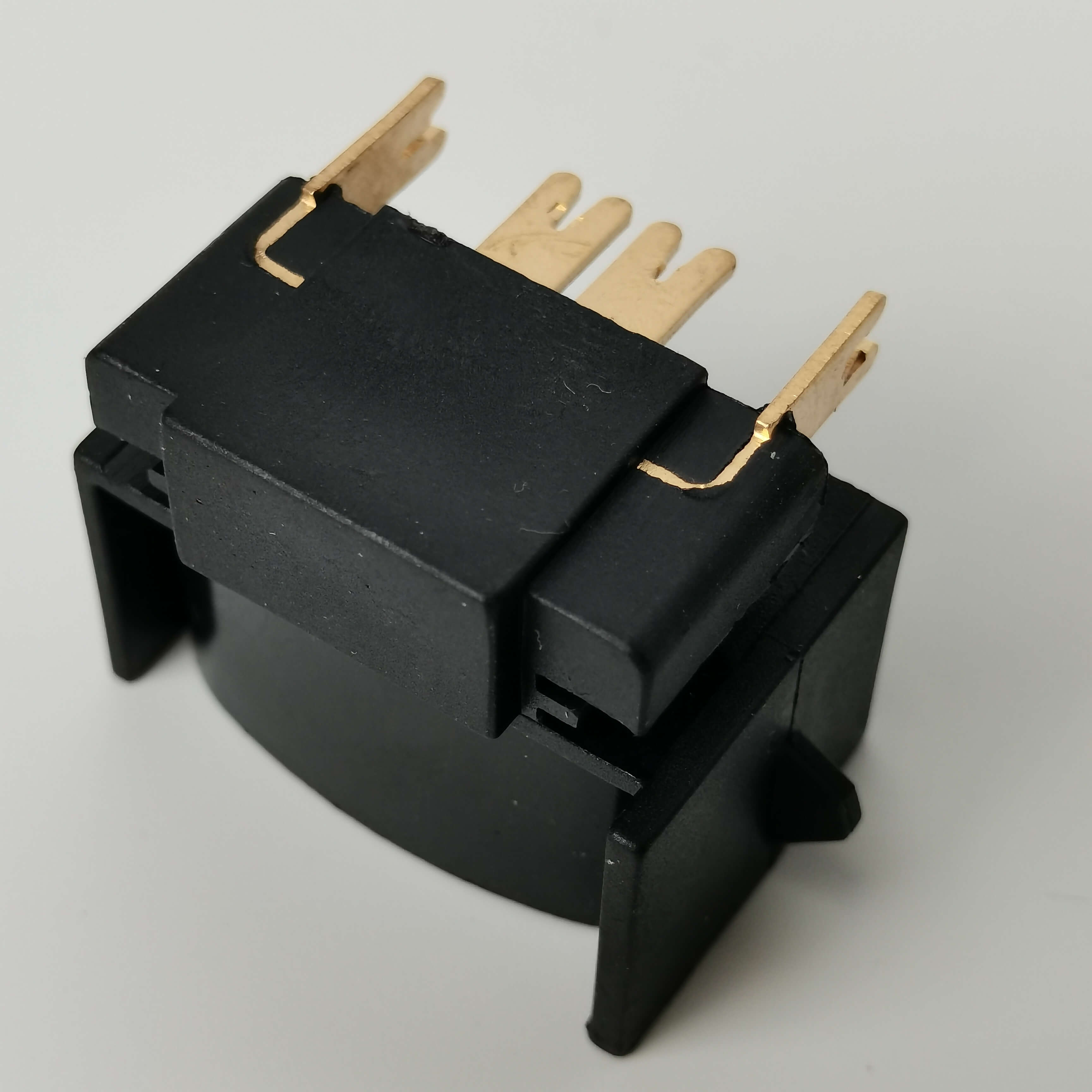
Reference for full-text summary
Technological breakthroughs in precision stamping parts require the synergy of equipment, processes, and management and control. By introducing high-speed precision presses, optimizing mold processes, and establishing a full-process quality management and control system, Nanpi County Haokai Hardware Products Co., Ltd. has successfully achieved "micron-level" precision production, providing highly reliable supporting products for large enterprises both domestically and abroad. In the future, with the advancement of Industry 4.0, the company will continue to deepen the application of digital technologies, driving precision stamping towards higher precision and greater efficiency. For more information, please visit the official website:www.hkwujin.com