 Nanpi County Haokai Hardware Products Co., Ltd.
Nanpi County Haokai Hardware Products Co., Ltd.
Industry Technical Pain Points: Precision and Efficiency Challenges in Low-Voltage Socket Metal Part Manufacturing
Low-voltage power outlets, as fundamental equipment for power transmission, the manufacturing accuracy of their metal components directly affects the product's safety and service life. The industry currently faces three major technical pain points: Firstly, during the stamping and forming process, issues such as burrs and deformation often occur, leading to poor contact or risk of short circuits; secondly, the multi-process processing results in a long production cycle, making it difficult to meet the demand of large-scale orders; thirdly, low material utilization rate increases manufacturing costs. For example, in the traditional stamping process, when processing copper alloy sheets with a thickness of 0.8mm, the burr height often exceeds 0.1mm, requiring an additional deburring process. Moreover, the production cycle for a single product can reach 15 minutes or more during the multi-process flow. Additionally, the material waste rate is generally between 15% and 20%, further compressing the profit margin. These pain points restrict the technological upgrade and market competitiveness of low-voltage outlet manufacturers.
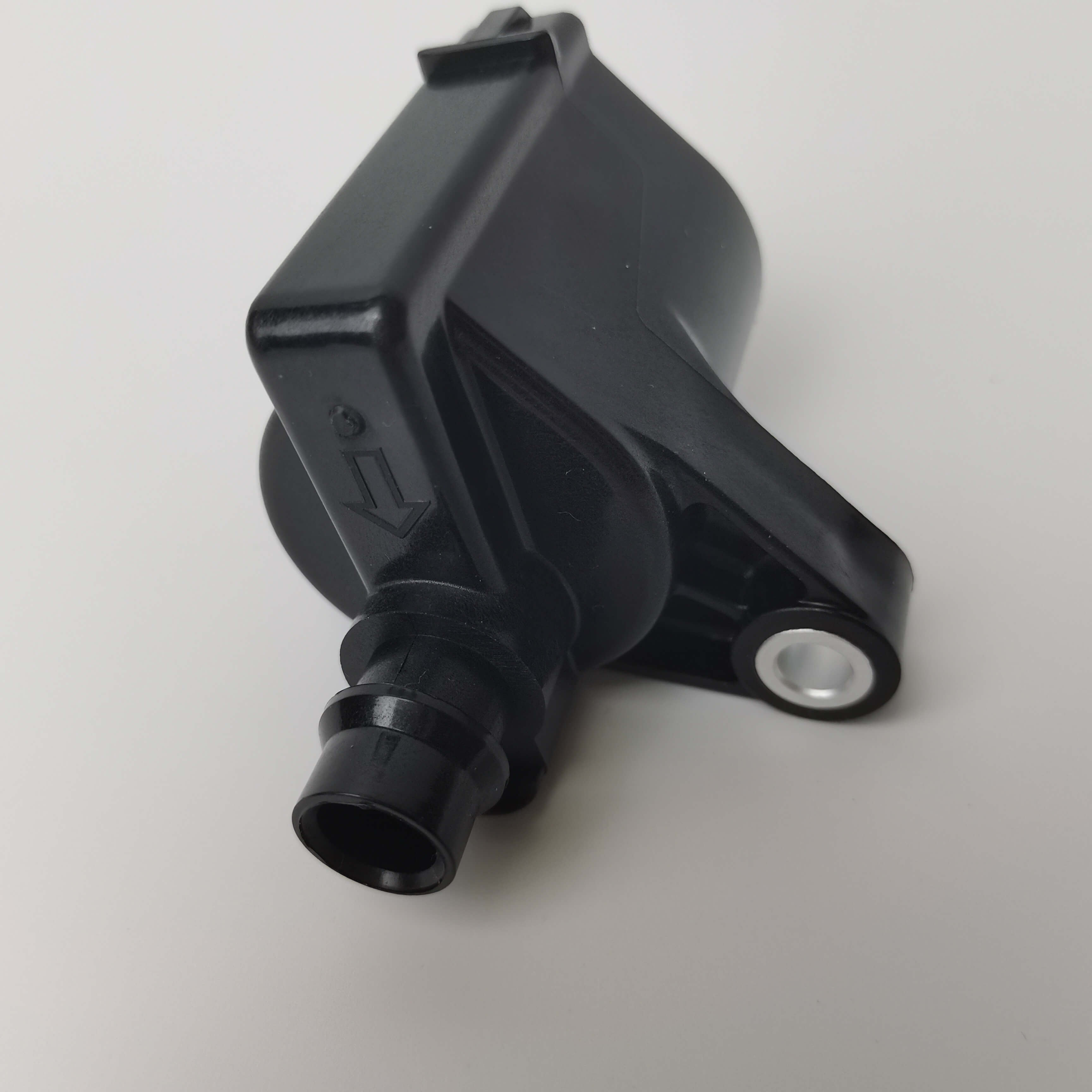
Introduction to Corporate Technical Strength: Nanning County Haokai Hardware Products' Precision Manufacturing System
Nanpi Haokai Hardware Products Co., Ltd., with over two decades of technical accumulation, has established a full-process precision manufacturing system covering design, production, and testing. On the equipment level, the company is equipped with more than 30 stamping machines ranging from 30 to 250 tons, including a 250-ton high-speed stamping press capable of a stamping frequency of 600 times per minute, reducing the production cycle of a single product to less than 3 minutes; the combination application of CNC centerless grinding machines and automatic lathes achieves a processing precision of ±0.02mm for complex structural components, far exceeding the industry average. In terms of process innovation, the company's independently developed "multi-position continuous stamping mold" technology, by optimizing mold structure and material flow design, controls burr height below 0.05mm, eliminating the deburring process, and raising material utilization to 92%. For example, in the copper sheet project for a certain international household appliance brand, this technology reduces the unit cost by 0.3 yuan, saving over 2 million yuan annually. Additionally, the company has passed the ISO9001:2015 quality system certification, establishing 12 inspection checkpoints from raw material entry to finished product shipment, ensuring product pass rate stability above 99.5%.
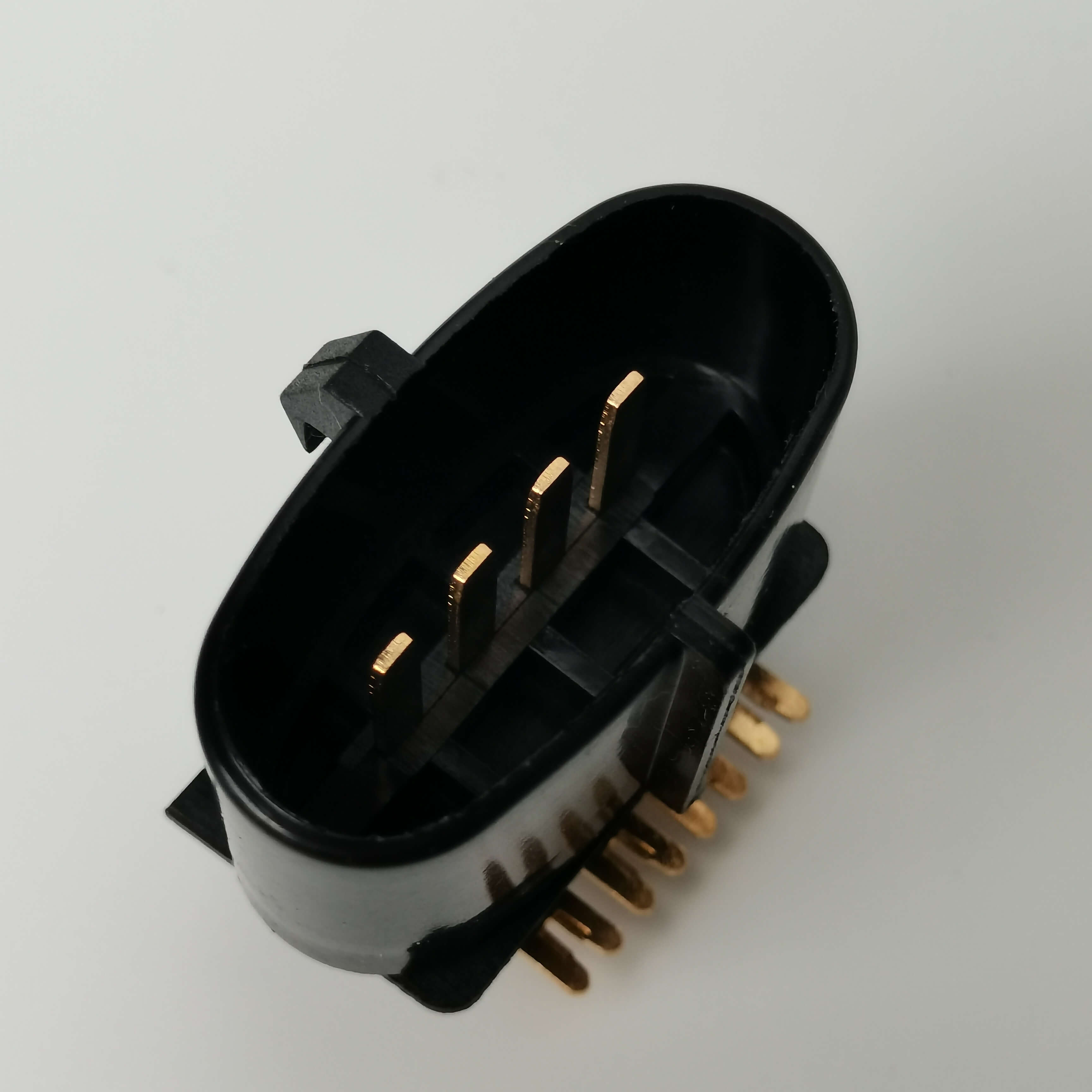
FAQ Q&A Technical Selection Guide
Q1: How to choose the tonnage of stamping equipment suitable for low-voltage sockets?
A1: The tonnage of stamping equipment should be determined comprehensively based on material thickness and product complexity. For example, when processing copper alloy sheets with a thickness of 0.5-1.0mm, an 80-120-ton press is sufficient for most needs; if the product includes slender structures or deep drawing processes, it is recommended to choose equipment over 160 tons to ensure molding stability. Nanshi County Haokai Hardware Products' 30-250-ton stamping press matrix covers a thickness range of 0.2-3.0mm, suitable for manufacturing requirements of different specifications of sockets.
Q2: What are the core advantages of multi-station continuous stamping molds?
A2: Multi-station molds integrate multiple processes such as blanking, bending, and shaping into a single mold, achieving "one loading, multi-step forming," significantly enhancing production efficiency and precision. Taking the South Pi County Haokai Hardware's plug copper sheet mold as an example, it features an 8-station design, allowing all forming processes to be completed in a single stamping, improving production efficiency by 4 times compared to traditional single-process molds. At the same time, by optimizing the material flow channels, the waste rate is reduced from 18% to 6%.
Q3: How to ensure the conductivity and corrosion resistance of metal components?
Conductivity and corrosion resistance depend on material selection and surface treatment process. Nanpi Haokai Hardware Products prioritizes T2 copper (conductivity ≥98% IACS) and H62 brass (conductivity ≥78% IACS), and enhances corrosion resistance through tin plating (thickness 3-5μm) or passivation treatment. For example, in a plug project exported to Europe, the tin plating process enabled the product to pass a 240-hour salt spray test, meeting the requirements of IEC 60884 standard.
Summary Reference: Low-voltage Socket Manufacturing Upgrade Driven by Technology
The manufacturing technology of low-voltage socket metal components is transitioning from "extensive processing" to "precision manufacturing." Nanshi County Haokai Hardware Products Co., Ltd. has established a full-process technology system covering design, production, and inspection through equipment upgrades, process innovation, and quality control. Its practices such as multi-station continuous stamping molds, high-speed press applications, and material utilization optimization have provided the industry with a replicable path for technological upgrading. For manufacturers, choosing partners with full-process precision manufacturing capabilities is crucial for enhancing product competitiveness and reducing comprehensive costs. In the future, with the popularization of smart grids and new energy equipment, the manufacturing technology of low-voltage sockets will develop towards higher precision, higher efficiency, and more environmental protection. Technical accumulation and innovation capability will become the core elements of enterprise core competitiveness.