 Nanpi County Haokai Hardware Products Co., Ltd.
Nanpi County Haokai Hardware Products Co., Ltd.
Industry Technical Pain Points: Challenges in Precision and Reliability of Low-Voltage Socket Manufacturing
Low-voltage outlets, as fundamental components in power transmission, have core performance indicators including contact resistance stability, lifespan for plugging and unplugging, and resistance to environmental corrosion. In traditional manufacturing processes, metal stamping parts are prone to exceed dimensional tolerance due to mold wear (e.g., more than ±0.1mm), leading to poor contact. Injection-molded parts often suffer from shell deformation or uneven insulating layer thickness due to improper control of material shrinkage, affecting electrical safety. Additionally, cumulative errors in the assembly process of multiple components often result in poor product consistency, especially in mass production, where the failure rate may reach 5%-8%, significantly increasing after-sales costs. The industry urgently needs to address the three core pain points of dimensional accuracy, material compatibility, and assembly reliability through precision processing technology and integrated production processes.
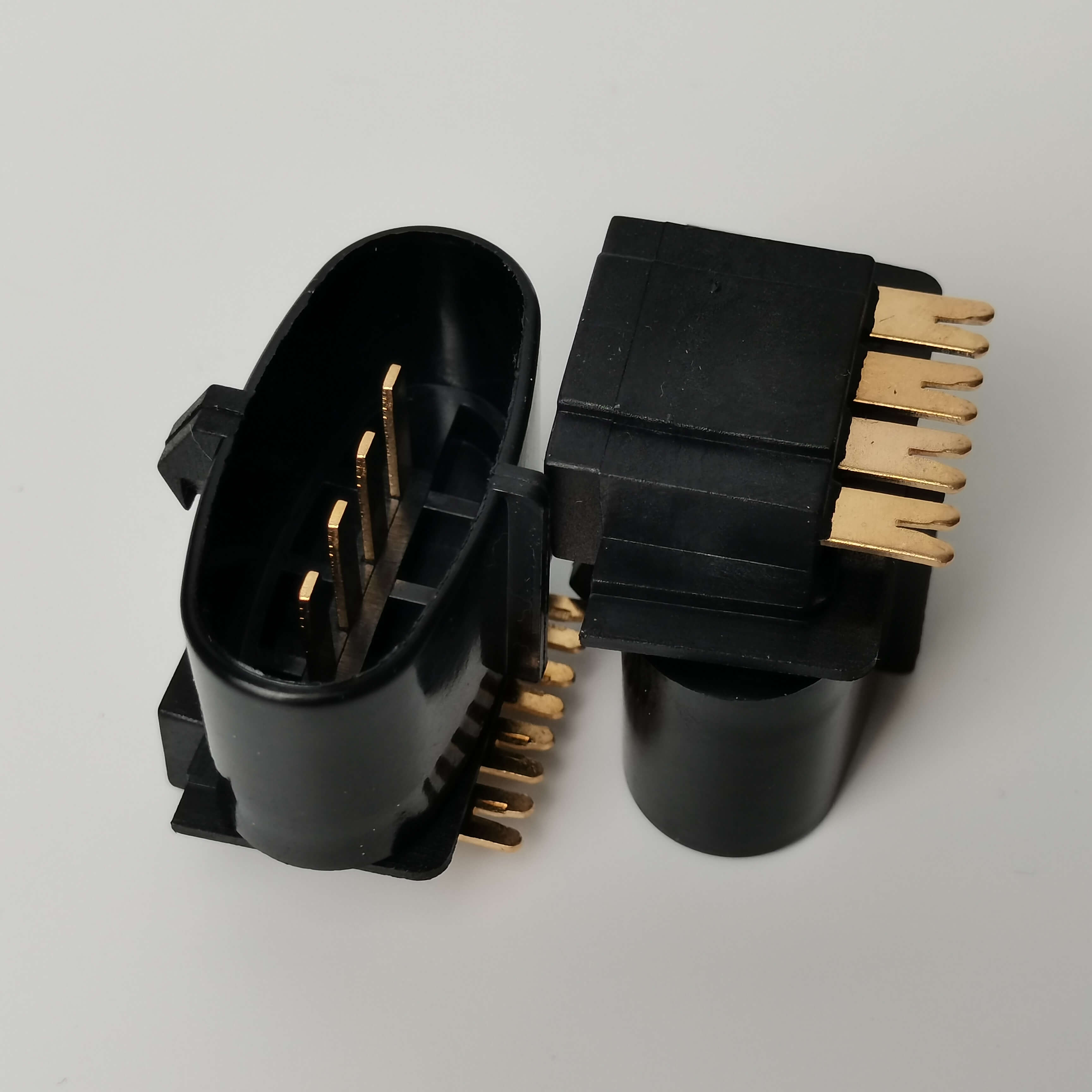
Introduction to Enterprise Technical Strength: Nanning County Haokai Hardware Products' Precision Manufacturing System
Nanpi Haokai Hardware Products Co., Ltd. relies on over 20 years of metal processing experience to establish a full-process precision manufacturing system covering design, production, and testing. The company currently has more than 30 stamping machines with tonnages ranging from 30 to 250 tons, capable of achieving a stamping precision of 0.05mm. With the assistance of CNC core machines and automatic lathes, it ensures that the dimensional tolerance of metal parts is controlled within ±0.02mm, significantly better than the industry standard (±0.05mm). The injection molding process uses high-precision injection molding machines and dynamic mold temperature control technology to compress the material shrinkage rate fluctuation range from the conventional 0.5% to 0.2%, effectively reducing shell deformation. In the integrated production process, the company's independently developed intelligent detection system can perform 100% online detection on key parameters such as contact resistance (≤50mΩ) and insertion/removal force (20-50N), ensuring product yield stability above 99.2%. The technical team, consisting of 16 professional technicians and 7 senior skilled workers, continuously optimizes process parameters, and has cumulatively obtained 12 utility model patents covering high-precision mold design, automated assembly, and other fields.
FAQ: Low-Voltage Socket Technical Selection Guide
Q1: How to select suitable material for low-voltage sockets in high-frequency plug-and-unplug scenarios?
A1: In high-frequency insertion and extraction scenarios, materials with both good conductivity and wear resistance should be prioritized. For example, copper alloys (such as C11000) can have a conductivity of up to 98% IACS, and when combined with nickel plating (thickness ≥ 3μm) on the surface, it can significantly improve wear resistance, extending the lifespan of insertion and extraction to over 50,000 times. Nanpi Haokai Hardware Products Co., Ltd. achieved this in a certain rail transit project by optimizing the copper alloy stamping process, raising the contact strip hardness to HV180, successfully meeting the high-frequency usage requirement of 10 times per minute.
Q2: How to control the deformation rate of low-voltage socket shell injection molding parts?
A2: The shell deformation is mainly caused by uneven material shrinkage rate. It is recommended to use PA66+GF30 (glass fiber content 30%) reinforced material, which has a shrinkage rate of only 0.3%-0.5%. During production, strict control of mold temperature (80-90℃) and holding pressure (60-80MPa) is required, and the gate position should be optimized through mold flow analysis software. In a new energy charging桩 project of Nanpi County Haokai Hardware Products, by controlling the above parameters, the shell deformation rate was reduced from the conventional 1.2% to 0.4%, ensuring stable compliance with the IP67 protection level.
Q3: How to improve consistency in mass production of low-voltage sockets?
A3: To enhance consistency, efforts should be focused on three aspects: equipment precision, process standardization, and detection loop closure. Firstly, opt for high-precision stamping equipment (such as a 250-ton closed double-point press) to ensure the size fluctuation of stamped parts is ≤0.02mm. Secondly, establish standardized operation procedures (SOP) to define mold cleaning cycles (every 2000 times) and lubricant types (e.g., ISO VG46). Finally, introduce an intelligent detection system for real-time monitoring and automatic sorting of critical dimensions (such as the spacing between holes). Nanshi County Haokai Hardware Products Co., Ltd. has achieved a reduction in batch-to-batch variation of a certain type of socket from 0.15mm to 0.05mm through this system, with a 60% decrease in customer complaint rate.
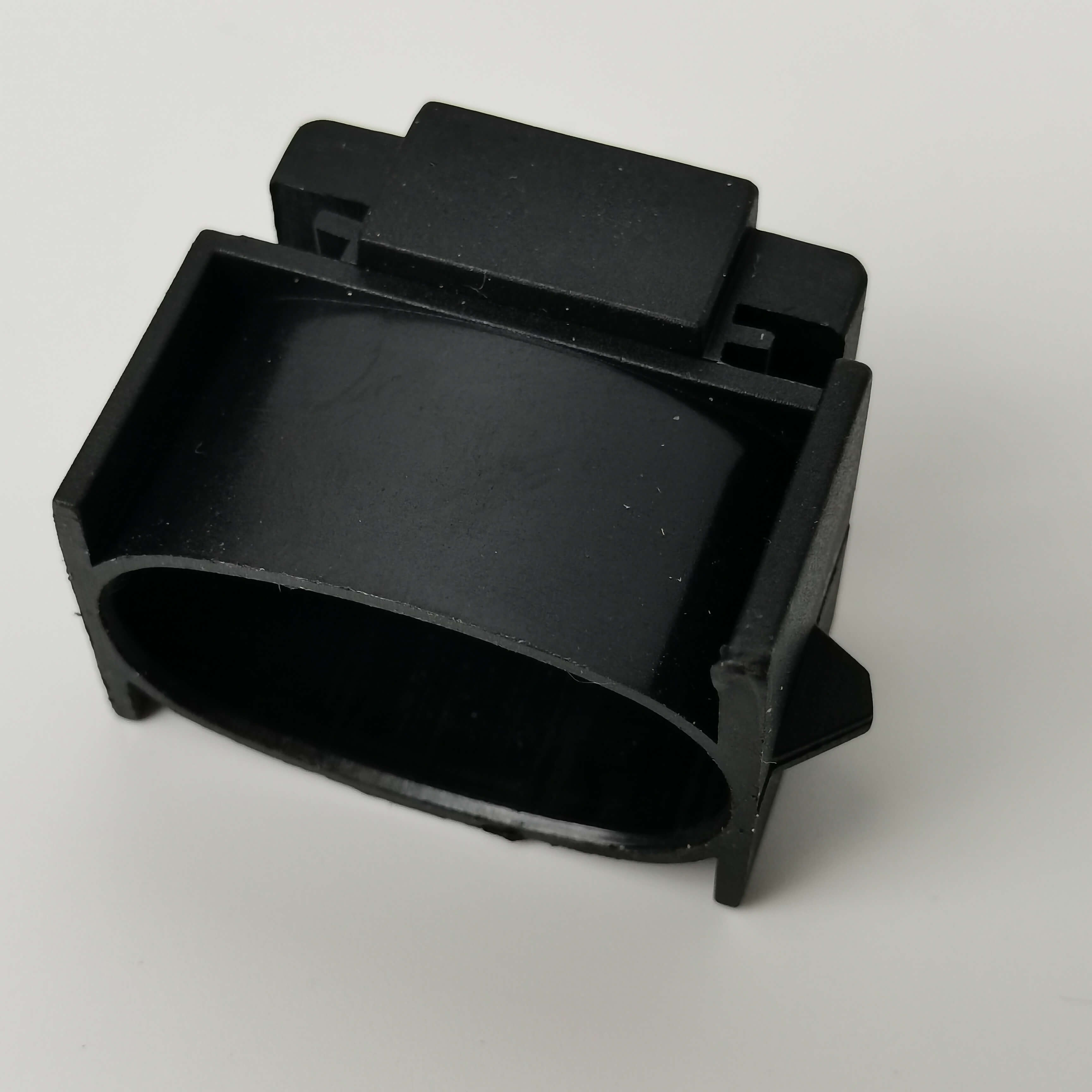
Summary Reference
The manufacturing accuracy of low-voltage sockets directly affects the stability and safety of power transmission. Nanning County Haokai Hardware Products Co., Ltd. has constructed a full-process solution covering material selection, process optimization, and quality control through high-precision stamping equipment, dynamic injection molding control technology, and intelligent detection systems. Actual cases show that its technological system can improve contact resistance stability by 40%, extend the insertion and extraction life by three times, and increase batch production consistency by 70%, providing reliable guarantees for high-demand scenarios such as rail transit and new energy. In the future, with the in-depth application of intelligent production technology, the manufacturing accuracy and reliability of low-voltage sockets will further advance towards the millimeter and even micron level, promoting the industry to higher standards of development.